

Living in Melbourne, Florida, means enjoying beautiful coastal weather, but it also means dealing with a constant, invisible threat to your property: immense humidity. Combine that ambient moisture with a hidden plumbing leak, a roof damaged by recent storms, or an overflowing AC condensation line, and you have the perfect recipe for a homeowner’s worst nightmare.
Few things strike as much fear into the hearts of property owners as the phrase “toxic black mold.” But what exactly are you looking at when you find a dark spot under your bathroom sink or spreading across your drywall? Is it harmless mildew, or is it a hazardous microbial invasion threatening your home’s structural integrity and your family’s respiratory health?
When a crisis strikes, you need accurate information and immediate action. If you are searching for black mold removal Melbourne FL, you are likely already in a state of high urgency. This comprehensive guide will explain exactly what black mold looks like, how rapidly it spreads, the severe risks of ignoring it, and why grabbing a bottle of household bleach is the absolute worst thing you can do.
What Is Toxic Black Mold (Stachybotrys Chartarum)?
Mold is a natural part of our environment, and microscopic spores are floating in the air around us every day. However, problems arise when these spores find a damp, warm environment inside your house. Out of the thousands of mold species, the one that causes the most panic is Stachybotrys chartarum, commonly known as toxic black mold.
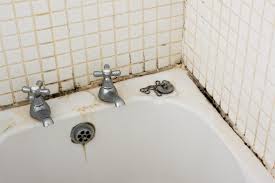
Unlike standard bathroom mildew that might appear as a powdery white or gray film on your shower grout, Stachybotrys chartarum has a very distinct appearance and behavior. It is typically dark greenish-black and often has a slimy or wet texture, especially when it is actively growing. If the water source has dried up, the mold may appear dry and powdery, but it remains highly dangerous.
Toxic black mold does not just grow anywhere. It is a highly specific fungus that feeds on materials with high cellulose content and low nitrogen levels. In a modern Melbourne home, this means your drywall, gypsum board, ceiling tiles, wallpaper, wood subflooring, and insulation are an all-you-can-eat buffet for Stachybotrys.
Spotting the Difference: Black Mold vs. Common Household Molds
Not every dark spot in your home is Stachybotrys. Identifying the type of mold is critical for understanding the severity of the threat.
Cladosporium: This is a very common mold that can grow in both cool and warm conditions. It often appears on fabrics, carpets, or wood surfaces and is usually olive-green or brown. While it can cause allergy symptoms, it is not the notorious “toxic” black mold.
Aspergillus: This mold is frequently found in American homes and can grow on a vast array of surfaces, including food, walls, and HVAC systems. It comes in many colors, including black, yellow, and green. Certain strains can produce mycotoxins, making it a serious concern.
Stachybotrys (Toxic Black Mold): This mold requires a constant, heavy source of moisture to thrive. You will rarely find it growing from simple shower humidity. It typically appears after a significant water event, such as a burst pipe, severe flooding, or a slow, hidden leak inside a wall cavity. It is notoriously dark, thick, and slimy.
Regardless of the species, no mold should be allowed to colonize your indoor living space. If you see microbial growth spreading across porous materials, you are dealing with a severe structural and environmental issue.
The 24 to 48-Hour Growth Window: Why Time Is Against You
Many homeowners mistakenly believe that mold takes weeks to develop. The terrifying reality is that mold spores can germinate and begin growing on damp surfaces within 24 to 48 hours of water exposure.
In Brevard County, our high year-round humidity severely accelerates this process. If you experience a water damage event and fail to dry the structure completely using industrial-grade dehumidifiers, you are almost guaranteed to face a mold infestation. By the time the mold becomes visible to the naked eye, it has likely already established deep root systems (mycelia) inside your drywall and framing.
Because mold spreads rapidly through the release of microscopic spores, a small patch under a kitchen sink can easily be swept into your HVAC system, circulating the contamination throughout your entire house within hours.
Health Symptoms You Cannot Afford to Ignore
The primary reason Stachybotrys chartarum is labeled “toxic” is because it produces mycotoxins. These chemical compounds are released into the air alongside the mold spores. When inhaled or touched, these mycotoxins can trigger severe physical reactions.
While every individual reacts differently, prolonged exposure to toxic black mold can lead to a host of distressing symptoms. You or your family members might experience chronic coughing, relentless sneezing, irritation of the eyes, nose, and throat, and persistent headaches. More severe reactions can include respiratory distress, chest tightness, chronic fatigue, and exacerbated asthma attacks.
If you notice that your allergy symptoms magically improve when you leave the house and immediately worsen when you return, your body is actively warning you about your indoor air quality. You must not ignore these signs. Protecting your health requires eliminating the source of the contamination completely.
The Biggest Mistake: Why DIY Bleach Treatments Fail
When panic sets in, the first instinct for many property owners is to spray the black spots with household bleach. This is a catastrophic mistake that will ultimately make your mold problem significantly worse.
Bleach is highly effective at sanitizing hard, non-porous surfaces like glass or tile. However, it is entirely ineffective on porous materials like drywall, wood, and insulation. Here is why: mold extends microscopic roots deep into the material. The chemical structure of bleach prevents it from penetrating these porous surfaces.
When you spray bleach on moldy drywall, the bleach simply removes the color from the surface mold, making it invisible. It does not kill the roots. Even worse, household bleach is composed of up to 90 percent water. When the chlorine evaporates quickly on the surface, it leaves the water behind, soaking deep into the wood or drywall. You are literally watering the invisible roots of the mold, providing it with the exact moisture it needs to return faster and stronger.
Furthermore, attempting to scrub dry mold can send millions of spores airborne, contaminating unaffected areas of your home and drastically increasing the cost of remediation.
When to Call a Professional for Mold Remediation
The Environmental Protection Agency (EPA) suggests that small patches of non-toxic mold on hard surfaces (less than 10 square feet) can sometimes be handled by homeowners. However, when you are dealing with black mold, porous materials, or any infestation larger than a small bath towel, you must call a certified professional.
You need expert intervention if:
The mold is growing on drywall, insulation, or wood framing.
The mold is a result of contaminated water, such as a sewage backup or outdoor floodwaters.
The mold is inside your HVAC system or ductwork.
You smell a strong, musty odor but cannot locate the source, indicating hidden mold inside your walls.
You or your family members are experiencing physical symptoms.
Why PuroClean of Melbourne is Your Ultimate Solution
Effective mold remediation is a complex science that requires specialized training, high-tech equipment, and strict containment protocols. At PuroClean of Melbourne, located at the Coastal Technology Center (739 North Dr, Melbourne, FL 32934), we are the undisputed local experts in restoring safe indoor air quality.
When you contact us for black mold removal Melbourne FL, you are getting a dedicated team of certified specialists. Nick Schupbach and our experienced field technicians, including Anita, Jesse, Irving, and Wally, approach every mold crisis with surgical precision.
Our professional remediation process includes:
1. Complete structural assessment and moisture mapping using thermal imaging cameras to find hidden leaks.
2. Building negative pressure containment zones with HEPA air filtration to ensure mold spores do not spread to clean areas of your home during the removal process.
3. Safe and controlled demolition of unsalvageable porous materials like drywall and insulation.
4. Deep cleaning and sanitization of the underlying structural framing using advanced antimicrobial treatments.
5. High-powered structural drying and dehumidification to ensure the moisture source is completely eradicated so the mold never returns.
We do not cut corners, and we do not simply paint over the problem. We eliminate the mold at the microscopic level.
Take Action to Protect Your Home and Health
Finding toxic black mold in your home is frightening, but waiting to address it is the most dangerous choice you can make. The longer the mold is allowed to feast on your property’s structural materials, the more extensive and expensive the remediation will be. Do not rely on ineffective DIY bleach hacks, and do not put your family’s health at risk.
You need rapid, scientific, and compassionate intervention from a team you can trust. Let us take the fear out of mold remediation and restore your peace of mind.
Don’t wait, call PuroClean of Melbourne now at (321) 378-2400. We’re available 24/7 to rescue your property.