


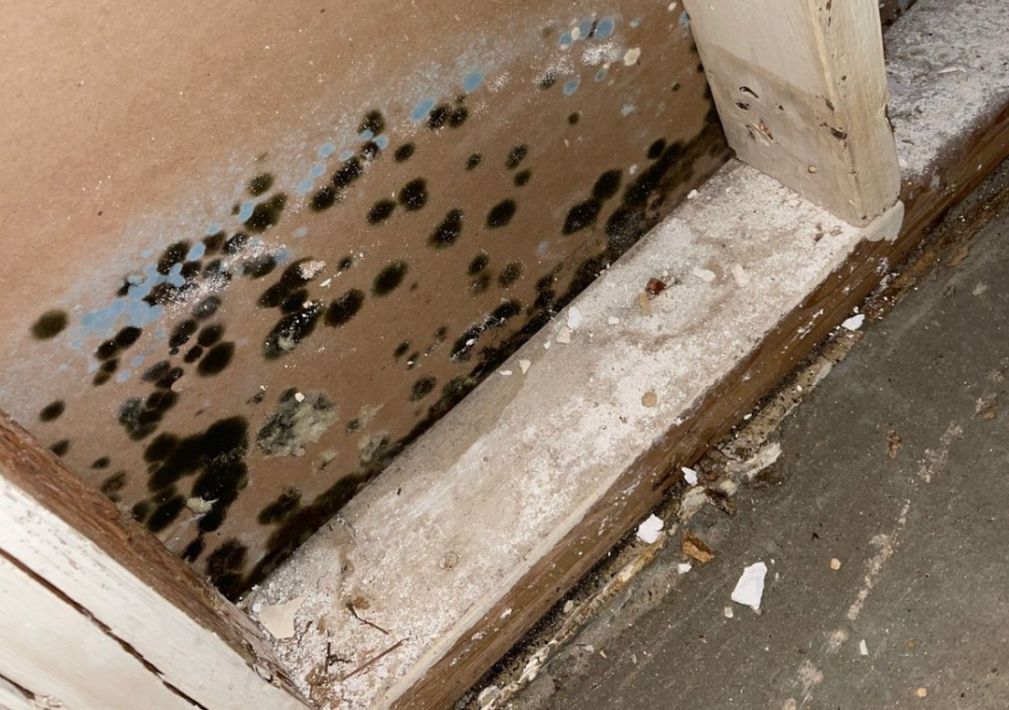
Few property issues generate as much immediate alarm for a homeowner in Melbourne, Florida as discovering dark discoloration along drywall, behind a bathroom mirror, or around an air conditioning ceiling grille.
In popular media, the phrase “toxic black mold” is frequently portrayed as a catastrophic environmental hazard capable of destroying property values overnight. Consequently, many property owners panic the moment they spot any dark growth inside their residence.
In the subtropical climate of Brevard County, indoor mold growth is a widespread environmental reality. High ambient relative humidity, frequent summer thunderstorms, coastal sea breezes, and heavy air conditioning usage create an environment where organic fungal spores readily germinate when moisture accumulates. However, the sensational headlines often obscure essential scientific facts: not all dark-colored mold is the infamous toxic black mold, and even lighter-colored molds can cause significant indoor air quality issues if allowed to spread.
Understanding the true distinctions between Stachybotrys chartarum (the species most commonly referred to as “toxic black mold”) and common household molds like Cladosporium, Aspergillus, Penicillium, and Alternaria is crucial for every Brevard County resident. This comprehensive guide breaks down the science of fungal growth, compares health impacts, explains why color alone is a misleading metric, and outlines the precise diagnostic and remediation steps required to protect your home and family.
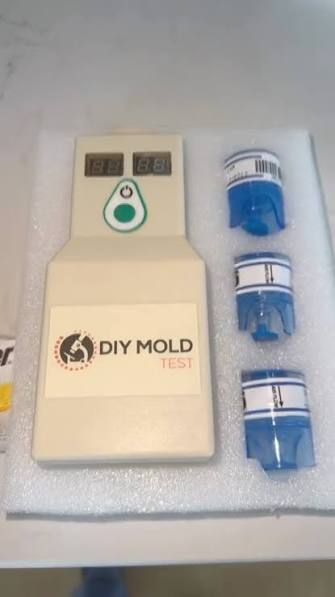
Scientific Breakdown: Examining the Common Mold Species in Melbourne Homes
Fungi represent an ancient and incredibly diverse kingdom of organisms. Worldwide, scientists have identified over 100,000 distinct species of fungi, with hundreds capable of thriving indoors when moisture, warmth, and organic food sources are present.
In Melbourne homes, indoor fungal growth generally falls into a few primary genera. Examining the unique characteristics of these molds clarifies why professional identification matters.
[ COMMON INDOOR FUNGAL GENERA IN MELBOURNE ]
│
┌──────────────────┬──────────────┴──────────────┬──────────────────┐
▼ ▼ ▼ ▼
[ Stachybotrys ] [ Cladosporium ] [ Aspergillus ] [ Penicillium ]
• Slow-growing • Fast-growing • Powdery/Dusty • Blue-Green/White
• High Saturation • Dark Green/Black • White/Green/Black • Fast-Spreading
• Cellulose-Rich • HVAC & Window Tracks • HVAC & Drywall • Water-Damaged Materials
1. Stachybotrys chartarum (“Toxic Black Mold”)
Stachybotrys chartarum is a slow-growing, toxigenic fungus that has received widespread media attention. Despite popular belief, it is not the most common mold found in Melbourne homes, though it does appear when chronic, severe water damage remains unaddressed.
- Physical Appearance: Typically appears dark greenish-black with a wet, slimy, or gelatinous surface texture when actively growing. When its water source dries up, it can take on a soot-like, powdery appearance.
- Growth Requirements: Unlike common molds, Stachybotrys has extremely specific growth requirements. It requires continuous, high-level water saturation (near 100% relative humidity at the material surface) on cellulose-rich, low-nitrogen building materials such as gypsum drywall backing, wallpaper, paper-faced insulation, and ceiling tiles.
- Growth Speed: It is a slow-growing species, typically taking 8 to 12 days of continuous saturation to establish a viable colony, allowing faster-growing species to outcompete it initially.
- Toxicity Profile: Under specific stress conditions, Stachybotrys produces chemical compounds known as satratoxins (a class of trichothecene mycotoxins). These mycotoxins cling to the outer membrane of spores and fungal fragments, creating potential health risks upon inhalation or direct contact.
2. Cladosporium
Cladosporium is by far the most frequently encountered fungal genus both indoors and outdoors across Brevard County. Because it often grows in dark shades, homeowners frequently mistake it for Stachybotrys.
- Physical Appearance: Typically ranges from olive green to dark brownish-black, with a soft, velvety or suede-like texture.
- Growth Requirements: Highly adaptable and capable of growing in lower temperatures and moderate moisture conditions compared to Stachybotrys. It colonizes fiberglass insulation, air conditioning supply vents, bathroom tile grout, window tracks, and painted wood trim.
- Growth Speed: Rapidly colonizes damp surfaces within 24 to 48 hours.
- Toxicity Profile: It is non-toxigenic (does not produce hazardous mycotoxins), but it is a potent allergen. High spore concentrations cause significant allergic reactions, asthma flare-ups, and sinus pressure.
3. Aspergillus
Aspergillus is a massive fungal genus consisting of several hundred species. It is extremely prevalent throughout Florida environments due to its ability to thrive in moderate humidity levels without standing liquid water.
- Physical Appearance: Displays a wide array of colors depending on the species, age, and substrate, including yellowish-green, powdery white, tan, gray, and deep black (Aspergillus niger). It typically exhibits a powdery, woolly, or cottony surface texture.
- Growth Requirements: Extremely xerophilic (capable of growing in low-moisture environments). It thrives when relative humidity inside a Melbourne home remains consistently above 60% for prolonged periods, colonizing wallpaper, clothing in closets, carpet fibers, and drywall.
- Growth Speed: Extremely fast-growing, capable of spreading across entire wall cavities within 24 to 72 hours.
- Toxicity Profile: Certain species (such as Aspergillus flavus and Aspergillus parasiticus) produce dangerous aflatoxins, while others can cause opportunistic medical infections such as aspergillosis in immune-compromised individuals.
4. Penicillium
Penicillium is closely associated with Aspergillus in indoor air sampling reports (often grouped together by laboratories as Aspergillus/Penicillium due to similar spore structures).
- Physical Appearance: Typically exhibits bright blue, blue-green, or dusty white colors with a velvety texture.
- Growth Requirements: Thrives on water-damaged building materials, damp furnishings, subflooring, and wallpaper after plumbing leaks or roof intrusion.
- Toxicity Profile: Produces mycotoxins such as ochratoxin A and citrinin under specific conditions, and serves as a major indoor trigger for allergic rhinitis and childhood asthma.
5. Alternaria and Aureobasidium
- Alternaria: A dark green, brown, or black mold with a dull, velvety texture. It commonly grows in damp bathrooms, leaking window frames, and exterior walls following storm intrusion, acting as a powerful upper respiratory allergen.
- Aureobasidium: Often appears as pink, black, or dark brown sticky spots on caulking, shower curtains, and window sills, thriving in high-moisture bathroom and kitchen environments.
Comparison Matrix: Black Mold vs. Common Household Molds
The following matrix compares the key biological, environmental, and physical differences among the primary mold species found in Melbourne residences:
| Fungal Genus | Typical Color Range | Physical Texture | Primary Moisture Requirement | Growth Velocity | Common Indoor Locations in Melbourne | Mycotoxin Production |
| Stachybotrys chartarum | Dark greenish-black, soot-like | Slimy/gelatinous when wet; powdery when dry | Continuous high saturation (> 90% surface RH) | Slow (8 to 12 days to germinate) | Sat-upon drywall backing, wallpaper, flooded subfloors | Yes (Satratoxins, Trichothecenes) |
| Cladosporium | Olive green, dark brown, dark black | Velvety, suede-like, powdery | Moderate moisture, fluctuating humidity | Fast (24 to 48 hours) | AC grilles, supply vents, window sills, tile grout | No (Primarily an allergen) |
| Aspergillus | Powdery white, tan, green, or pitch black (A. niger) | Powdery, woolly, dust-like | Low-to-moderate moisture (> 60% ambient RH) | Very Fast (24 to 48 hours) | Closets, AC ductwork, carpet, furniture backing | Yes (Certain species produce Aflatoxins) |
| Penicillium | Blue-green, bright turquoise, white | Velvety, cottony | Moderate moisture from leaks | Very Fast (24 to 48 hours) | Water-damaged drywall, subflooring, wallpaper | Yes (Ochratoxins, Citrinin) |
| Alternaria | Dark green, olive brown, black | Velvety, thick mat-like | High humidity, intermittent water drips | Moderate (3 to 5 days) | Leaky window tracks, roof leaks, bathroom walls | No (Severe respiratory allergen) |
Why Color is a Misleading Diagnostic Metric
One of the most persistent myths in property management and homeownership is that you can accurately identify whether a mold is “toxic” or “harmless” simply by looking at its color. From a scientific building science perspective, visual identification by color alone is entirely unreliable and clinically invalid.
+———————————————————————————–+
| WHY MOLD COLOR IS MISLEADING IN DIAGNOSTICS |
+———————————————————————————–+
| DIAGNOSTIC VARIABLE | SCIENTIFIC IMPACT ON VISUAL APPEARANCE |
+—————————-+—————-──────────────────────────────────────+
| Substrate Nutrition | The same species can grow black on pine framing, |
| | green on drywall, and white on carpet padding. |
+—————————-+—————-──────────────────────────────────────+
| Fungal Lifecycle Age | Young colonies often start as clear/white hyphae |
| | before producing dark, pigmented spore heads. |
+—————————-+—————-──────────────────────────────────────+
| Moisture Saturation Level | Wet *Stachybotrys* appears pitch black and slimy; |
| | dry *Cladosporium* can look identical under light. |
+—————————-+—————-──────────────────────────────────────+
| Light & Nutrient Stress | UV light exposure and chemical exposure shift pigment|
| | production across almost all fungal genera. |
+—————————-+—————-──────────────────────────────────────+
Color Changes Across Growth Stages
Most molds begin their growth cycle as transparent or white microscopic filaments called hyphae. As the colony matures and prepares to reproduce, it produces millions of microscopic spores that contain protective pigments designed to shield the organism from ultraviolet light.
A colony of Cladosporium or Aspergillus might appear light gray or green during its initial growth phase, turn pitch black as it matures and produces spores, and revert to a dull gray appearance if the moisture source dries up.
Substrate Influence on Pigmentation
The material upon which the mold feeds directly affects its visual characteristics. The exact same strain of Aspergillus may appear fluffy white when feeding on carpet backing, dull green when growing on paper-faced drywall, and dark brown or black when colonizing structural yellow pine timber.
The Danger of Ignoring “Non-Black” Molds
Focusing exclusively on black mold creates a dangerous false sense of security. Property owners often ignore widespread white, powdery growth on closet walls or light green discoloration covering ceiling joists, assuming it is harmless simply because it is not black.
In reality, massive colonies of lighter-colored Aspergillus or Penicillium can release millions of airborne spores per minute into a home’s HVAC system, causing severe indoor air quality degradation, triggering asthma attacks, and causing systemic inflammatory reactions that equal or exceed the health risks posed by localized Stachybotrys.
Health Impacts: Allergic Response vs. Mycotoxin Exposure
Understanding how mold impacts human health requires distinguishing between two entirely different biological mechanisms: allergenic reactions caused by airborne spore loads, and toxigenic reactions caused by mycotoxin exposure.
+———————————————————————————–+
| HEALTH IMPACT MECHANISMS COMPARISON |
+———————————————————————————–+
| REACTION TYPE | BIOLOGICAL TRIGGER | TYPICAL SYMPTOMS |
+—————————-+——————————-+———————–+
| Allergenic Response | Inhalation of intact spores, | Sneezing, runny nose, |
| (Most Common) | hyphal fragments, and proteins| watery eyes, skin rash|
| | from ANY mold species. | asthma exacerbation. |
+—————————-+——————————-+———————–+
| Mycotoxin Toxicity | Exposure to secondary chemical| Chronic headache, |
| (Specific Conditions) | compounds produced by specific| brain fog, fatigue, |
| | toxigenic molds. | respiratory distress. |
+—————————-+——————————-+———————–+
| Opportunistic Infection | Direct tissue colonization by | Fungal sinus infection|
| (Immune-Compromised) | fungal organisms in vulnerable| pulmonary aspergillosis|
| | individuals. | invasive fungal disease|
+—————————-+——————————-+———————–+
1. Allergenic and Irritant Responses
The vast majority of health complaints associated with indoor mold in Melbourne stem from allergenic reactions. Every mold species releases proteins that the human immune system can recognize as foreign invaders.
- Symptom Profile: Persistent sneezing, nasal congestion, post-nasal drip, itchy or watery eyes, skin hives, dry cough, and sinus pressure.
- Asthma Triggers: For individuals with diagnosed asthma, inhaling airborne fungal spores can trigger immediate bronchial constriction, wheezing, and acute asthma attacks requiring medical intervention.
- High Spore Concentration Impact: Even non-toxigenic molds like Cladosporium can cause severe respiratory distress when spore concentrations inside a home reach tens of thousands of spores per cubic meter of air.
2. Mycotoxin Exposure and Toxigenic Effects
Certain mold species (Stachybotrys, specific Aspergillus strains, Penicillium) produce secondary chemical metabolites known as mycotoxins. These toxic chemical compounds are not gases; they are non-volatile chemical structures bound to the surface of mold spores, hyphal fragments, and dust particles.
- Symptom Profile: Chronic exposure to high concentrations of mycotoxins in unventilated spaces can lead to complex health complaints, including persistent fatigue, cognitive difficulties (“brain fog”), unexplained joint pain, chronic headaches, mucosal irritation, and immune suppression.
- Chronic Inflammatory Response Syndrome (CIRS): Medical researchers have identified that a segment of the population possesses genetic markers (specifically HLA-DR gene variations) that prevent their bodies from efficiently clearing mycotoxins, leading to widespread, systemic inflammation when living in mold-contaminated environments.
Environmental Triggers Unique to Melbourne & Brevard County Homes
Living along the Space Coast offers incredible coastal beauty, but Florida’s climate presents continuous environmental challenges for home maintenance. Certain building design features and climate factors in Melbourne create specific mold vulnerabilities.
[ High Ambient Humidity (> 80% RH) ] ───> [ Outdoor Climate ]
│
┌───────────────────────────────┴───────────────────────────────┐
▼ ▼
[ Coastal Storms & Wind Rain ] [ Summer AC Over-Cooling ]
• Roof flashing failures • Cold ducts in hot attics
• Window seal degradation • Oversized AC unit short-cycling
│ │
└───────────────────────────────┬───────────────────────────────┘
▼
[ Indoor Relative Humidity Exceeds 60% ]
│
▼
[ Rapid Fungal Amplification Across Drywall & Framing ]
1. Air Conditioning Condensation and Oversized Systems
Central air conditioning is a necessity in Melbourne, but AC systems are a leading driver of indoor mold growth when improperly sized or maintained.
- Short-Cycling: Many Florida homes feature AC units that are oversized for the square footage. An oversized AC cools the home down so quickly that it turns off before running long enough to pull moisture out of the air. This leaves the home cold but humid (e.g., 72°F at 75% relative humidity), creating ideal conditions for Aspergillus growth across closets, furniture, and drywall.
- Clogged Condensate Drain Lines: Algae and biological sludge quickly clog AC drain lines in Florida. When the drain pan overflows, water cascades into air handler closets, saturating subflooring and ceiling drywall below.
2. Crawlspace Moisture Dynamics in Barrier Island & Historic Communities
In coastal communities like Indialantic, Melbourne Beach, Eau Gallie, and Melbourne Village, many homes feature raised crawlspace foundations. Unsealed dirt crawlspaces allow ground moisture to evaporate continuously into floor joists. Driven by the Stack Effect (thermal buoyancy), warm air escaping through attic vents pulls this humid, spore-laden crawlspace air directly up into living areas through plumbing penetrations and subfloor gaps.
3. Coastal Storms and Wind-Driven Rain
Tropical storms, hurricanes, and heavy summer squalls drive rainwater under roof tiles, past worn window flashing, and through soffit vents. Minor roof leaks that do not immediately produce ceiling stains often saturate attic insulation, allowing Stachybotrys or Penicillium to thrive unnoticed above bedrooms for months.
Professional Diagnostic Testing: The Role of Florida Statute Section 468.8419
Because visual inspection cannot determine mold species or toxicity, professional environmental diagnostic testing is necessary when mold is suspected.
[ Step 1: Independent Assessor Conducts Testing & Writes Protocol ]
│
▼
[ Step 2: Florida Law (FS 468.8419) Mandates Independent Remediator ]
│
▼
[ Step 3: PuroClean Executes 7-Step IICRC S520 Remediation ]
│
▼
[ Step 4: Assessor Returns for Independent Clearance Testing (PRV) ]
Laboratory Sampling Techniques
A licensed indoor environmental assessor collects physical samples to establish a clear scientific baseline:
- Volumetric Air Spore Traps: Calibrated pumps draw indoor air over glass slides to quantify airborne spore counts (spores/m3) and compare indoor genera directly against an outdoor baseline control sample.
- Direct Surface Tape Lifts & Swabs: Microscopic analysis of physical surface lifts determines whether discoloration represents active, fruiting fungal growth or harmless settled dust.
- Thermal Moisture Mapping: Infrared cameras and electronic moisture meters identify the precise water source feeding the growth.
Understanding Consumer Protections Under Florida Statute Section 468.8419
Property owners in Melbourne must understand the consumer protection laws governing the Florida restoration industry. Under Florida Statute Section 468.8419, it is illegal for a single company to perform both professional mold assessment (testing) and physical mold remediation on the same property within a 12-month period.
This law protects consumers from financial conflicts of interest. An independent, licensed Florida Mold Assessor conducts unbiased initial testing, interprets lab data, and drafts a technical Remediation Protocol. Once the protocol is written, a certified restoration contractor (such as PuroClean of Melbourne) carries out the physical remediation work according to those exact specifications. After cleanup is complete, the independent assessor returns to perform final Post-Remediation Verification (PRV) clearance testing to certify the building is clean.
The PuroClean 7-Step Scientific Remediation Protocol
When diagnostic testing confirms active fungal amplification (Condition 3) inside your Melbourne home, swift remediation executed under strict industry standards is required.
Operating out of our central facility at 739 North Dr in the Coastal Technology Center, PuroClean of Melbourne follows strict Institute of Inspection, Cleaning and Restoration Certification (IICRC) S520 guidelines to safely remediate mold without cross-contaminating your property.
[ Step 1: Protocol Review & Engineering Containment ]
│
▼
[ Step 2: HEPA Air Scrubbing & Negative Pressure Setup ]
│
▼
[ Step 3: Safe Removal of Unsalvageable Porous Materials ]
│
▼
[ Step 4: Mechanical Cleaning & Antimicrobial Treatment ]
│
▼
[ Step 5: Structural Drying & Dehumidification ]
│
▼
[ Step 6: Post-Remediation Verification (PRV) Support ]
│
▼
[ Step 7: Complete Structural Reconstruction Services ]
1. Protocol Review & Site Assessment
Our team reviews the independent mold assessor’s written Remediation Protocol, conducts a pre-remediation walkthrough, and establishes site safety rules tailored to your home’s layout.
2. Engineering Controls & Critical Containment
Technicians build heavy-duty 6-mil plastic containment chambers around the affected work zone. Industrial HEPA air scrubbers are deployed to establish negative air pressure, ensuring that disturbed mold spores, dust, and microscopic fragments cannot escape into clean living areas.
3. Continuous HEPA Air Scrubbing
Industrial air scrubbers operate continuously throughout the cleanup, filtering indoor air through multi-stage HEPA filters that capture 99.97% of airborne biological particulates down to 0.3 microns.
4. Controlled Material Extraction & HEPA Vacuuming
Porous building materials that have suffered deep fungal penetration (such as saturated drywall, insulation, tack strips, and ruined carpet) are carefully cut out, double-bagged in contractor biohazard bags, and safely removed. Remaining hard surfaces and framing are vacuumed using commercial HEPA equipment.
5. Mechanical Cleaning & EPA Antimicrobial Application
Exposed structural studs, joists, and masonry walls undergo detailed mechanical cleaning, including hand-scrubbing with specialized abrasive pads. Technicians then apply EPA-registered, hospital-grade broad-spectrum antimicrobial and fungicidal treatments to eliminate residual surface micro-flora.
6. Structural Drying & Moisture Control
Remediation is incomplete if structural wood remains damp. PuroClean deploys commercial Low-Grain Refrigerant (LGR) dehumidifiers and directional air movers to dry framing below 15% wood moisture content, ensuring mold cannot return.
7. Independent Clearance Support & Complete Reconstruction
Once physical cleanup is finished, the original independent licensed mold assessor returns to perform final visual inspections and Post-Remediation Verification (PRV) air testing. Once lab results confirm normal indoor air quality, containment is removed. As a licensed Florida General Contractor, our in-house Reconstruction team then rebuilds drywall, flooring, trim, and finishes, returning your property to pre-loss condition.
Frequently Asked Questions (FAQ)
1. How can I tell if dark spots on my drywall are toxic black mold or common mold without paying for testing first?
It is scientifically impossible to differentiate Stachybotrys (toxic black mold) from common dark molds like Cladosporium or Aspergillus niger by eye alone. Both can appear dark green, brown, or pitch black, and both can exhibit slimy or velvety textures depending on moisture levels. However, if the dark growth is occurring on a surface that has experienced long-term, heavy water saturation (such as drywall beneath a continuous plumbing leak), the likelihood of Stachybotrys or Penicillium increases. The only way to definitively identify the species is through direct microscopic surface sampling or air spore testing analyzed by an accredited laboratory.
2. Is black mold worse for my health than green, yellow, or white mold?
Not necessarily. While Stachybotrys produces potent satratoxins that carry significant health risks during prolonged exposure, widespread colonies of “common” green or white molds like Aspergillus or Penicillium can release millions of airborne spores per minute into your home. For children, seniors, individuals with asthma, or immune-compromised family members, high airborne spore concentrations of common molds can trigger acute asthma attacks, severe sinus infections, and chronic respiratory illness equal to or worse than localized black mold.
3. Can I clean up a small area of black mold on my bathroom tile grout myself?
If the mold growth is limited to smooth, non-porous surfaces like ceramic tile grout, glass, or porcelain around a bathtub (covering an area smaller than 10 square feet), homeowners can typically clean it safely using proper personal protection. Wear an N95 respirator mask, eye protection, and nitrile gloves. Avoid using household chlorine bleach on porous surfaces; instead, use an EPA-registered bathroom disinfectant or botanical fungicide, scrub the surface thoroughly, and dry it completely. However, if mold is growing on porous drywall, subflooring, or inside wall cavities, professional containment and remediation are required.
4. Why should I never use household bleach to kill mold on drywall or wood framing?
Pouring household chlorine bleach on porous materials like drywall, plywood, or yellow pine framing is counterproductive. Bleach consists primarily of water, with only a small percentage of active sodium hypochlorite. Due to high surface tension, chlorine molecules remain on the exterior surface of wood or drywall, bleaching the surface pigment so the mold visually disappears. Meanwhile, the water content in bleach soaks deep into the porous substrate, supplying moisture directly to the hidden fungal root system (hyphae). Within days, the mold returns with greater severity.
5. Why does Florida law require two different companies for mold testing and mold cleanup?
Florida Statute Section 468.8419 prohibits a single company from performing both mold assessment (testing) and mold remediation on the same property within a 12-month period. This law protects property owners from unfair business practices. It ensures that the company testing your home has no financial incentive to inflate remediation scope, and the remediation contractor carrying out the cleanup is held accountable by an independent final clearance test.
6. Will my Florida homeowners insurance policy cover the cost of mold testing and remediation?
Insurance coverage depends on the original cause of the water intrusion and your specific policy terms. In Florida, mold damage resulting from a sudden and accidental covered peril (such as a burst supply line, hot water heater rupture, or storm damage to a roof) is generally covered, subject to specific policy mold sub-limits (typically $10,000). However, mold resulting from deferred maintenance, long-term plumbing drips, high ambient humidity, or ground flooding is generally excluded unless specific riders were purchased. PuroClean of Melbourne works directly with insurance adjusters, providing detailed line-item Xactimate estimates and photo documentation to support your claim.
10. Partner with PuroClean of Melbourne for Safe, Certified Restoration
Whether you are dealing with unknown dark growth on your drywall, require expert execution of an independent mold remediation protocol, or need emergency water damage restoration, trust the certified professionals at PuroClean of Melbourne.
Operating out of our central facility at 739 North Dr in the Coastal Technology Center, our certified technicians deliver comprehensive property damage restoration solutions across Brevard County, including:
- 24/7 Emergency Water Extraction & Structural Drying
- IICRC S520 Certified Mold & Odor Removal
- Fire, Smoke & Soot Restoration Services
- OSHA & FDOH Compliant Biohazard & Trauma Cleanup
- Deep Carpet Extraction & Restorative Textile Cleaning
- Turnkey Structural Reconstruction Services
EXPERT MOLD REMEDIATION & PROPERTY RESTORATION IN MELBOURNE, FL
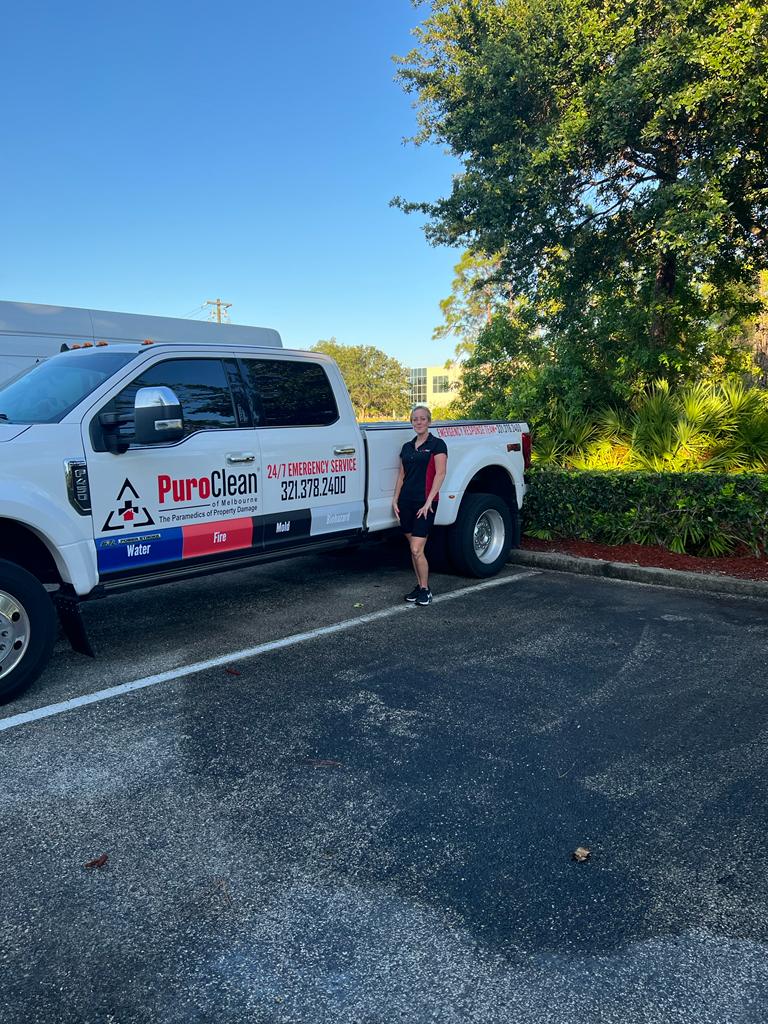
Don’t let mold compromise your indoor air quality or home value. Contact the certified, compassionate experts at PuroClean of Melbourne today for immediate assistance.
- 24/7 Direct Emergency Line: (321) 378-2400
- Facility Location: 739 North Dr, Melbourne, FL 32934 (Coastal Technology Center)
- Service Area: Serving Melbourne, Viera, Palm Bay, Indialantic, Melbourne Beach, West Melbourne, Suntree, Eau Gallie, Melbourne Village, and all surrounding Brevard County communities.