


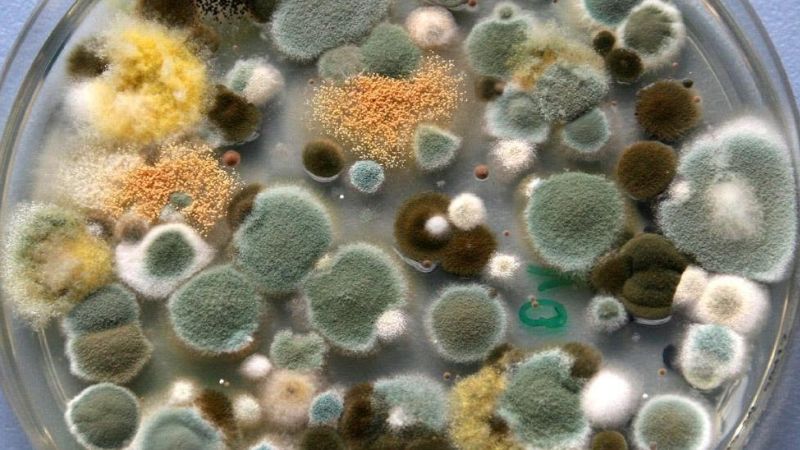
If you have ever dealt with a water leak, a burst pipe, or flooding in your Melbourne, FL home, you may have heard the warning: mold can start growing within 24 to 48 hours. For many homeowners, that sounds like an exaggeration. Surely mold takes days or weeks to become a real problem?
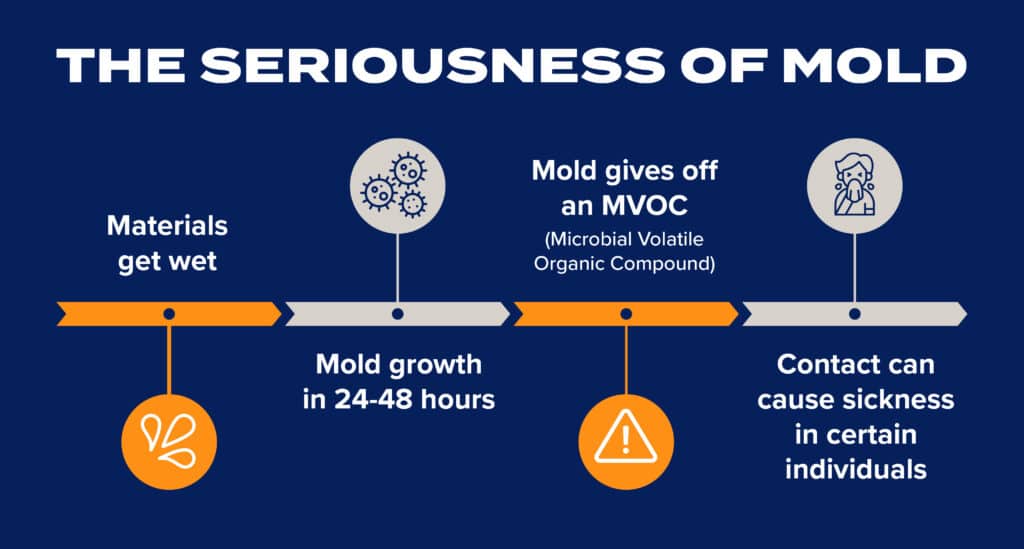
Unfortunately, in Florida’s climate, that warning is not an exaggeration at all. It is one of the most important facts a property owner in Melbourne or anywhere in Brevard County needs to understand. The combination of warm temperatures, high relative humidity, and the organic materials found inside any home or building creates ideal conditions for mold to take hold faster than most people realize.
In this article, we break down the science behind mold growth, explain why Florida’s climate makes the problem more urgent than in other parts of the country, and walk through a realistic Melbourne case study showing how quickly mold can escalate from an invisible spore to a widespread contamination problem. We also cover what you can do to stop it.
The Science Behind Mold Growth
Mold is a type of fungus that reproduces by releasing microscopic spores into the air. These spores are everywhere, both indoors and outdoors, and they are completely harmless as long as they do not find the right conditions to germinate and colonize. The moment those conditions come together, growth begins rapidly.
There are four primary ingredients mold needs to grow: moisture, warmth, oxygen, and an organic food source. Inside a typical home, oxygen is always present. Warmth is almost always present in Florida. Organic food sources are everywhere, from drywall paper and wood framing to carpet fibers, insulation, and even dust. The only variable mold is waiting on is moisture.
Once moisture is introduced through a leak, flood, overflow, condensation, or even elevated indoor humidity, mold spores can begin germinating within as little as 12 hours under optimal conditions. Visible surface growth, often appearing as fuzzy patches or dark staining, can appear within 24 to 48 hours. A full-scale colony capable of producing health-affecting mycotoxins can establish itself within one to two weeks if left unaddressed.
Why Florida’s Climate Makes Mold Growth Faster Than Almost Anywhere Else
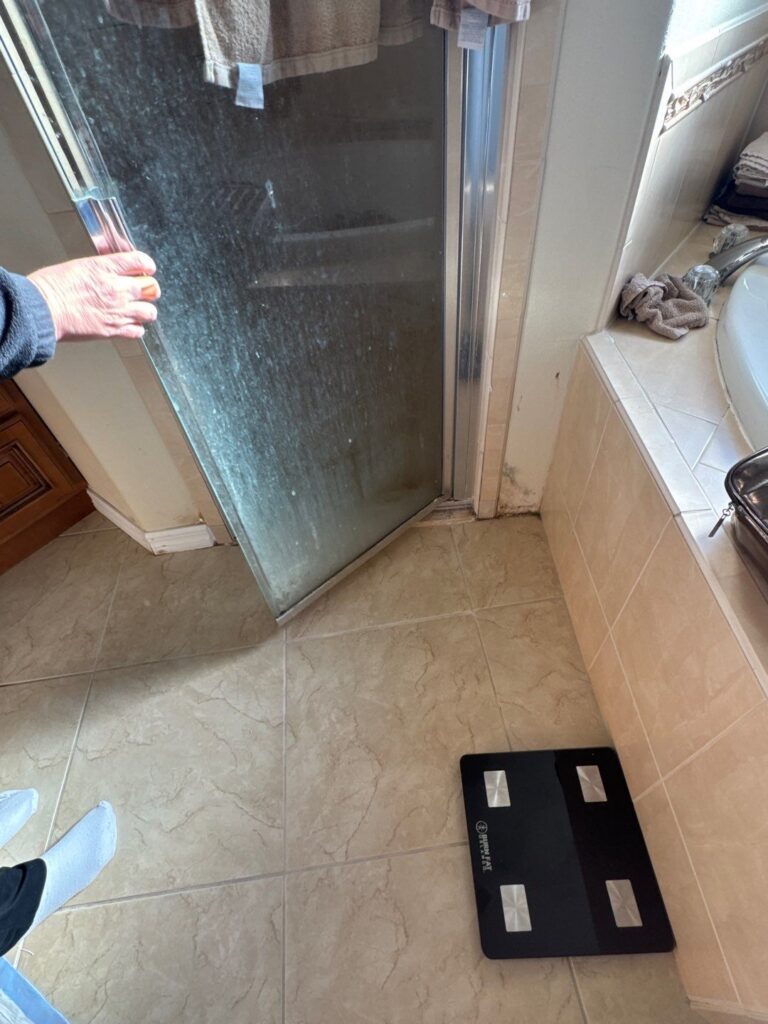
Mold thrives in temperatures between 60 and 80 degrees Fahrenheit, though certain species remain active at temperatures well above that range. It grows most aggressively when relative humidity exceeds 60 percent. In Melbourne, FL, average outdoor relative humidity regularly exceeds 70 to 80 percent, particularly during the summer months between June and September.
Read Also: Mold Growth Timeline: How Fast Can Mold Spread? – PuroClean of Melbourne
This matters for a specific reason. Even without a direct water intrusion event, Florida’s ambient humidity levels are often high enough to sustain mold growth inside a home if there is any lingering moisture, poor ventilation, or air conditioning malfunction. When you add an actual water damage event on top of that baseline humidity, the growth timeline compresses dramatically.
Melbourne’s Year-Round Mold Risk Factors
- Average annual humidity in Melbourne, FL consistently ranks among the highest in the continental United States.
- Melbourne receives an average of 52 inches of rainfall per year, much of it concentrated in intense summer storms that can overwhelm roofs, gutters, and drainage systems.
- Coastal proximity means salt air and moisture-laden breezes regularly affect building envelopes, particularly on the barrier island communities like Indialantic and Melbourne Beach.
- The warm temperatures that rarely drop below 50 degrees Fahrenheit year-round mean mold never has a true dormant season in this region.
- Many Brevard County homes were built in the 1970s and 1980s with building materials and construction practices that are more susceptible to moisture intrusion and mold growth than modern standards.
Taken together, these factors mean that Melbourne property owners are operating in one of the highest-risk environments in the country when it comes to mold following water damage. The 24 to 48 hour warning that restoration professionals give is not a worst-case scenario in this market. It is the realistic timeline.
Melbourne Case Study: How Mold Escalated After a Washing Machine Overflow
To illustrate how quickly mold can take hold in Melbourne’s climate, consider the following scenario drawn from the type of water damage events our team at PuroClean of Melbourne responds to regularly. While this is a composite example built from common patterns we observe, it accurately represents the timeline and conditions that affect homes throughout Brevard County.
Day 0: The Incident
A homeowner in West Melbourne leaves for a long weekend on a Thursday evening. That night, the supply hose on their washing machine fails, releasing water continuously for approximately 18 hours before anyone notices. By Friday afternoon, the laundry room, an adjoining hallway, and the lower portion of a shared bedroom wall have absorbed significant moisture. The concrete slab beneath the vinyl flooring is wet. The drywall has absorbed water to a height of about 10 inches. The baseboards are saturated. The outdoor temperature is 87 degrees Fahrenheit and the indoor humidity, with the air conditioning off, has climbed to 74 percent.
Hours 12 to 24: Invisible Germination Begins
By Friday evening, roughly 12 to 18 hours after the water stopped flowing, mold spores that had been dormant in the drywall paper, under the baseboards, and in the carpet padding have begun to germinate. There is nothing visible yet. The homeowner, still away, has no idea anything is wrong. Moisture has continued to wick upward through the drywall by capillary action, meaning the affected area is now taller than the original waterline. The vinyl flooring has trapped moisture beneath it, creating a sealed, warm, humid environment with no airflow, exactly what mold needs.
Hours 24 to 48: First Visible Growth Appears
By Saturday evening, the homeowner’s neighbor notices a musty smell near the front door. When the homeowner is reached by phone and a neighbor enters to check, they find dark spotting beginning at the base of the laundry room drywall and a grayish haze forming on the back side of the vinyl floor transition strip. The musty smell, which is actually the release of microbial volatile organic compounds (MVOCs) produced by active mold colonies, is strong enough to be noticeable from the hallway. Mold is now visibly present less than 48 hours after the water intrusion occurred.
Days 3 to 5: Rapid Spread Without Intervention
The homeowner returns Sunday but, unsure of what to do, simply places fans in the laundry room and opens windows. This is a well-intentioned response but ultimately ineffective and potentially counterproductive. Without professional moisture extraction and controlled drying, the fans are circulating mold spores to unaffected areas of the home. The open windows are introducing additional outdoor humidity. By Tuesday, mold growth has spread to the back of the drywall on the adjacent bedroom side of the wall and has begun appearing on the lower studs within the wall cavity, areas completely invisible without tearing into the wall.
Days 7 to 14: A Remediation Project That Could Have Been Avoided
By the time a professional restoration company is called the following week, what could have been a straightforward water damage drying project has become a mold remediation job. The affected drywall must be removed and disposed of. The wall cavity must be cleaned and treated. The subfloor beneath the vinyl must be inspected and partially replaced. The scope of work, and therefore the cost, has grown significantly compared to what it would have been with immediate professional intervention.
This is not an unusual outcome in Melbourne. It is a pattern that repeats itself regularly across Brevard County because property owners do not always understand how fast the clock is moving after a water damage event in Florida’s climate.
Types of Mold Commonly Found After Water Damage in Melbourne, FL
Not all mold is the same. Different species grow under slightly different conditions and present different levels of health risk. Here are the most common types found in water-damaged homes in the Melbourne area.
Cladosporium
One of the most common household mold species, Cladosporium typically appears olive-green to black in color. It grows well in both warm and cool conditions, making it a year-round concern in Florida. It commonly colonizes drywall, carpet, wood surfaces, and HVAC ducts. While it is generally considered less toxic than some other species, it is a known allergen and can trigger respiratory issues in sensitive individuals.
Aspergillus
Aspergillus is a large genus with hundreds of species. In water-damaged Florida homes, it frequently appears on walls, insulation, and in HVAC systems. Some species of Aspergillus produce aflatoxins and other mycotoxins that can cause serious health issues, particularly in individuals with compromised immune systems, asthma, or lung conditions.
Penicillium
Penicillium spreads rapidly and is often one of the first species to appear after a water damage event. It typically presents as blue-green mold and grows aggressively on water-damaged building materials. Its spores spread easily through HVAC systems, making it a particular concern for whole-home contamination.
Stachybotrys Chartarum (Black Mold)
Stachybotrys chartarum, commonly called black mold, requires sustained moisture over a longer period to establish itself, typically one to two weeks of continuous dampness. However, in Melbourne’s climate, where a water-damaged wall can retain moisture for weeks without professional drying equipment, Stachybotrys is a real risk in unaddressed water damage situations. It is one of the more toxigenic mold species and is associated with a range of serious health symptoms including chronic respiratory problems, neurological effects, and immune suppression.
Health Effects of Mold Exposure in Your Melbourne Home
Mold exposure affects different people in different ways. Some individuals live with low-level mold exposure for months without obvious symptoms. Others, particularly children, elderly individuals, and those with respiratory conditions or compromised immune systems, can experience significant health impacts relatively quickly.
Common symptoms associated with mold exposure include persistent coughing and sneezing, nasal congestion and runny nose, eye irritation and redness, skin rashes, headaches, fatigue, and worsening of asthma or allergy symptoms. More serious or prolonged exposure can lead to chronic sinus infections, respiratory infections, and in cases involving highly toxigenic species, neurological symptoms.
One of the more insidious aspects of mold exposure is that symptoms are easily confused with seasonal allergies or common colds. Many Melbourne residents who are experiencing mold-related health issues do not connect their symptoms to their home environment until the problem has been present for months. If you or a family member are experiencing persistent respiratory symptoms that improve when you leave your home and return when you come back, mold contamination should be considered a possible cause.
Warning Signs That Mold May Already Be Growing in Your Melbourne Home
Mold is not always visible. In many water damage situations, the most aggressive growth happens inside wall cavities, beneath flooring, and in other concealed spaces. Knowing the warning signs can help you catch a problem before it becomes a major remediation project.
- A persistent musty or earthy odor, especially in specific rooms or near walls, is often the first sign of hidden mold growth.
- Visible discoloration on walls, ceilings, or floors, even if it does not look like classic black mold. Mold can appear white, gray, green, brown, or orange depending on the species and substrate.
- Warping, bubbling, or soft spots in drywall or flooring following a water event.
- Unexplained respiratory symptoms or allergy-like reactions that worsen at home and improve when away.
- Condensation on windows or walls, particularly in bathrooms, laundry rooms, or kitchens, indicating humidity levels that can sustain mold growth.
- A history of water damage, even if it was addressed weeks or months ago, that was not professionally dried and remediated.
- Dark staining around HVAC vents or ducts, which can indicate that mold is circulating through your air system.
If you observe any of these signs in your Melbourne home, especially following any kind of water damage event, contact a professional restoration and mold remediation company for an assessment. Many issues that are caught early can be resolved at a fraction of the cost of a full remediation.
What to Do in the First 24 to 48 Hours After Water Damage in Melbourne
The actions you take immediately after a water damage event have a direct impact on whether mold becomes a problem. Here is what to do to give your property the best chance of a clean recovery.
Stop the Water Source Immediately
Shut off the water supply if the damage involves a plumbing failure. If it involves a roof leak or storm intrusion, do what you safely can to limit continued entry, such as placing tarps over vulnerable areas.
Do Not Rely on Household Fans Alone
Consumer-grade fans move air but do not extract moisture from porous materials like drywall, wood, and concrete. Without professional-grade dehumidifiers and air movers calibrated to the specific moisture load of the affected area, the materials will remain damp well beyond the 48-hour mold growth threshold. In Florida’s ambient humidity, a household fan can actually make things worse by pulling moist outdoor air into the affected space.
Keep Your Air Conditioning Running
Air conditioning systems serve a dual purpose in Florida homes: they cool the air and dehumidify it. After a water damage event, keep your HVAC system running. A target indoor relative humidity of 50 percent or below significantly slows mold growth. Do not turn off the AC to save money during the drying period.
Remove Saturated Materials Where Appropriate
Carpet padding, once saturated, is extremely difficult to dry effectively and is a prime mold growth medium. In most cases, removing saturated padding quickly is the right call. Document everything before removal for insurance purposes. Be cautious about removing drywall or structural materials before a professional assessment, as improper removal can spread contamination.
Call a Professional Restoration Company Within Hours, Not Days
The single most effective thing you can do to prevent mold after water damage in Melbourne is to call a professional restoration company immediately. Professional teams have industrial extraction equipment, commercial-grade drying systems, and moisture monitoring tools that can dramatically shorten the drying timeline and reduce the window in which mold can establish itself. The difference between calling within 2 hours and calling after 2 days can be the difference between a drying project and a full mold remediation.
What Professional Mold Remediation Involves in Melbourne, FL
If mold growth has already started by the time professional help arrives, the process moves from water damage restoration to mold remediation. These are related but distinct services, and understanding what remediation involves can help set expectations.
Assessment and Moisture Mapping
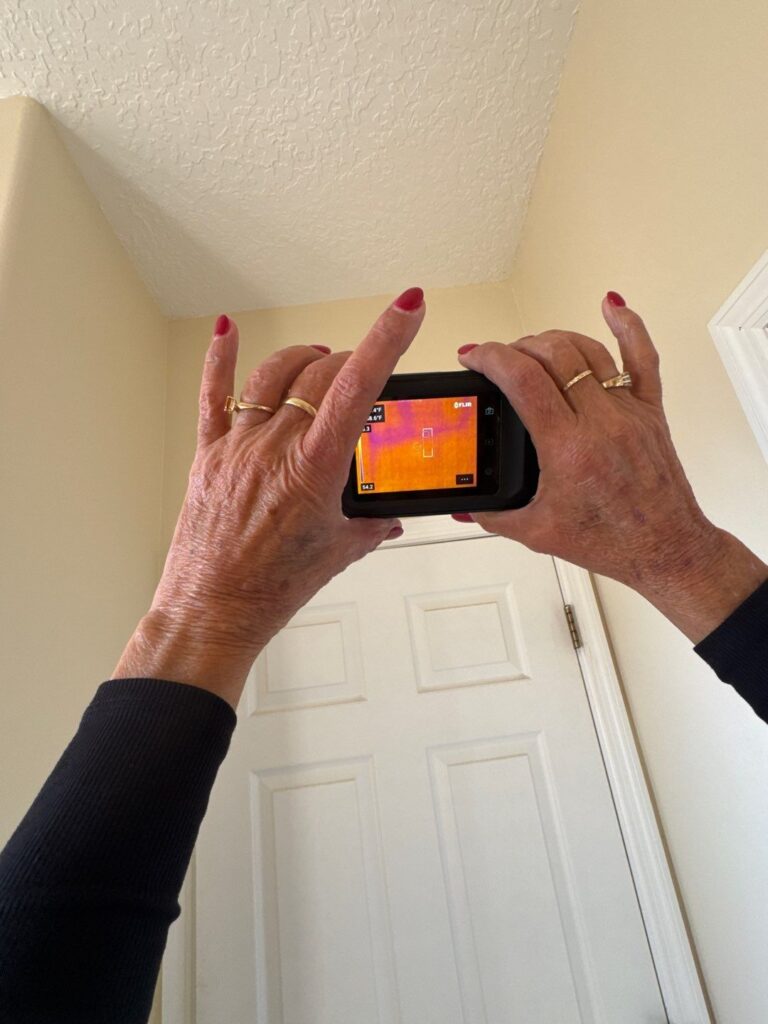
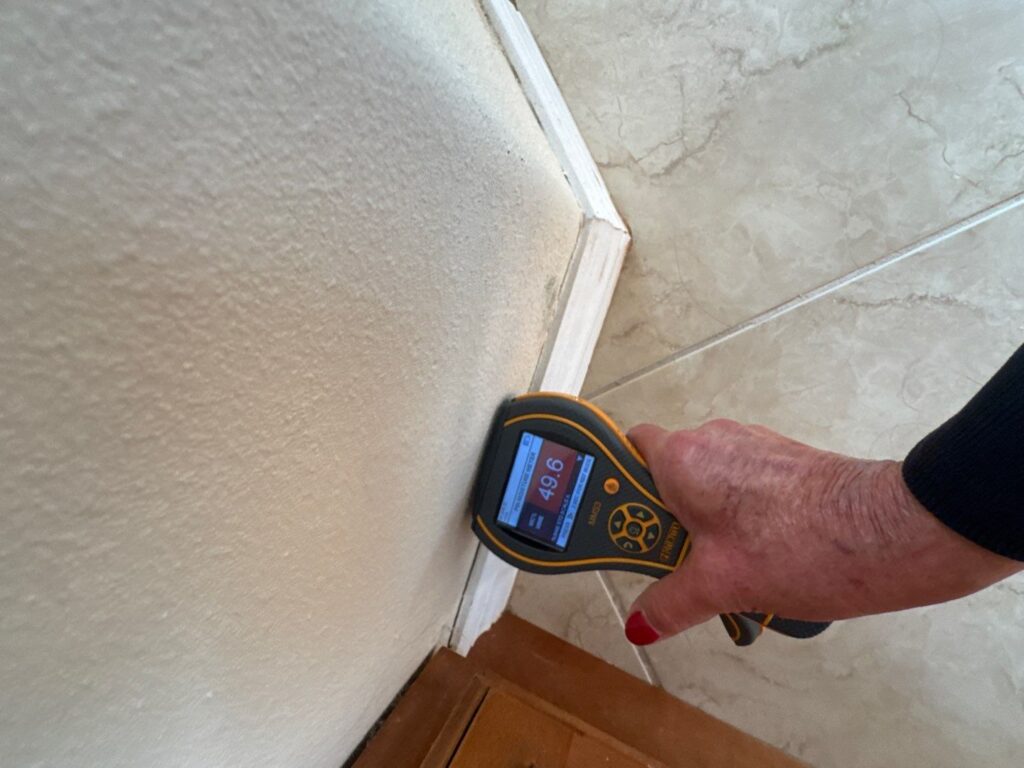
Technicians use moisture meters, thermal imaging cameras, and air sampling equipment to determine the full scope of contamination, including areas not visible to the naked eye. This step is critical because mold remediation that misses hidden growth will fail, and the problem will return.
Containment
Affected areas are isolated using physical barriers and negative air pressure systems to prevent mold spores from spreading to unaffected parts of the home during the remediation process. This is particularly important in Melbourne homes where HVAC systems can quickly distribute spores throughout the structure.
Removal of Contaminated Materials
Porous materials such as drywall, insulation, and carpet that have been colonized by mold are removed and disposed of according to proper protocols. These materials cannot be effectively cleaned and must be replaced.
Cleaning and Treatment of Structural Surfaces
Non-porous surfaces such as concrete, metal, and tile are cleaned, treated with antimicrobial agents, and dried. Wood framing that has surface mold but is structurally sound can often be cleaned and treated rather than replaced.
Air Filtration and Clearance Testing
HEPA air scrubbers run throughout the remediation process to capture airborne spores. Upon completion, clearance testing using air samples and surface samples confirms that mold levels have returned to normal background levels. Reputable remediation companies do not consider a job complete without verification that the air quality has been restored.
PuroClean of Melbourne: Your Local Mold and Water Damage Experts
At PuroClean of Melbourne, we understand the urgency that Florida’s climate creates around water damage and mold. We have seen firsthand how quickly a manageable water intrusion can become a serious mold problem when response time is delayed. That is why we offer 24-hour emergency response, 7 days a week, to properties throughout Melbourne, Viera, Palm Bay, Rockledge, Satellite Beach, Indialantic, and the surrounding Brevard County communities.
Our IICRC-certified technicians bring professional-grade extraction equipment, industrial drying systems, and advanced moisture monitoring tools to every job. We document our findings thoroughly, communicate directly with your insurance company, and follow proven protocols to ensure that mold does not get a foothold in your property.
Whether you are dealing with an active water emergency or you have noticed signs of mold growth following a past water event, we are here to help. Early intervention is always less expensive, less disruptive, and better for your family’s health than waiting to see if the problem resolves on its own. In Melbourne’s climate, it will not.
Call PuroClean of Melbourne 24/7 at (321) 378-2400
Visit us at 739 North Dr, Melbourne, FL 32934
Email: [email protected]
Learn more at: https://www.puroclean.com/melbourne-fl-puroclean-melbourne
Frequently Asked Questions About Mold Growth in Melbourne, FL
How fast does mold really grow in Florida?
In Florida’s warm, humid climate, mold spores can begin germinating within 12 hours of moisture exposure. Visible surface mold can appear within 24 to 48 hours under optimal conditions, which are conditions that Melbourne’s climate provides for much of the year. Full colony establishment capable of causing health effects and structural damage can occur within one to two weeks without professional drying and treatment.
Can I clean up mold myself?
Small surface mold patches on non-porous materials, such as tile grout or a bathroom fixture, can sometimes be cleaned with appropriate products. However, mold resulting from water damage events typically penetrates porous materials and requires professional remediation. DIY cleaning of mold-contaminated drywall, insulation, or wood framing is rarely effective and can spread spores to unaffected areas. If you are dealing with more than a few square feet of mold, or if mold is present inside walls or under floors, professional remediation is the appropriate response.
Does homeowner’s insurance cover mold remediation in Florida?
Coverage depends on the cause of the mold. If mold resulted directly from a covered water damage event, such as a sudden pipe burst, your homeowner’s insurance may cover remediation costs. Mold that resulted from gradual moisture problems, neglected maintenance, or flooding is typically not covered. Florida policies vary significantly in how they handle mold coverage. Review your policy carefully and contact your insurer promptly after any water damage event to preserve your coverage options.
How do I know if mold is behind my walls?
A persistent musty smell coming from a wall, soft or discolored drywall, or unexplained respiratory symptoms in occupants are all potential indicators of mold inside wall cavities. Professional assessment using thermal imaging cameras and moisture meters can detect hidden moisture without invasive exploration. Air sampling can also reveal elevated mold spore counts that indicate active growth somewhere within the structure.
How long does professional mold remediation take?
The timeline depends on the scope of contamination. A small, contained mold issue affecting one wall in a single room may be resolvable in one to two days. Larger jobs involving multiple rooms, wall cavities, HVAC systems, or subfloor areas can take one to two weeks. Your restoration company should provide a clear scope of work and timeline estimate after the initial assessment.
Conclusion: In Melbourne, 24 to 48 Hours Is Real
The 24 to 48 hour mold growth warning is not a scare tactic. It is a scientifically grounded reality that is amplified significantly by Melbourne, FL’s warm temperatures and high humidity. Every hour that passes after a water damage event without professional intervention is an hour that mold spores are spending in conditions designed to help them thrive.
The case study outlined in this article is a pattern that plays out across Brevard County regularly. The homes that avoid serious mold problems are almost always the ones where the property owner called for professional help immediately rather than waiting to see how things developed.
If you have experienced any kind of water intrusion in your Melbourne home or business, the time to act is now. Do not wait for visible mold to appear. By the time you can see it, it has already been growing for at least a day, and likely longer.
Call PuroClean of Melbourne at (321) 378-2400 any time of day or night. Our team is ready to respond, assess, and begin the drying and remediation process that protects your property, your investment, and your family’s health.
Connect With Us on Social Media!
Instagram | Facebook | Direction | Check Reviews | Yelp