


Few sensory experiences are as distressing as the lingering smell of a fire inside a home. Whether resulting from a minor kitchen grease flare-up, an electrical short circuit in a wall cavity, or a major structural fire, smoke leaves an aggressive, invasive footprint that penetrates every corner of a building.
For property owners in Melbourne, Florida, discovering that an over-the-counter air freshener or a few days of open windows fails to clear the air is a frustrating reality.
In the subtropical climate of Brevard County, high ambient humidity and elevated indoor temperatures act as natural catalysts for odor retention. Warm, moist air causes wood pores, drywall surfaces, and fabric fibers to expand, locking microscopic soot particles and volatile organic compounds (VOCs) deep inside the building structure. When the air conditioning cycles or humidity rises, these trapped smoke molecules reactivate, releasing a stale, burnt odor that makes a remediated house feel unclean and unlivable.
Property owners frequently ask a direct question: “Can you really remove fire smoke odor from your Melbourne home, or is it permanent?”
The definitive answer is Yes, but only through advanced scientific deodorization and professional structural restoration. Masking agents and household cleaning supplies cannot eliminate smoke odors because they do not address the chemical bonding of soot particles. Successful fire odor removal requires understanding smoke chemistry, deploying specialized thermal and chemical equipment, and eliminating soot at the molecular level.
2. The Complex Chemistry of Smoke Residues
To understand why smoke odor is so difficult to eliminate, one must examine the physical and chemical composition of smoke. Smoke is not a simple gas; it is a complex suspension of solid carbon particles, liquid aerosols, and toxic gases generated by incomplete combustion.
When different household materials burn, they produce distinct types of smoke residue that require specific chemical cleaning agents and restoration protocols.
+———————————————————————————–+
| SMOKE RESIDUE CLASSIFICATION MATRIX |
+———————————————————————————–+
| SMOKE TYPE | PRIMARY FUEL SOURCE | PHYSICAL CHARACTERISTICS|
+—————————-+——————————-+———————–+
| Dry Smoke | Wood, paper, and cellulose | Fine, powdery, dry, |
| | materials | easily scatters into |
| | | micro-cracks. |
+—————————-+——————————-+———————–+
| Wet Smoke | Plastics, synthetics, and | Sticky, smeary, thick,|
| | rubber products | pungent odor, smears |
| | | when wiped with water.|
+—————————-+——————————-+———————–+
| Protein Smoke | Burned meats, cooking fats, | Invisible or yellow, |
| | and organic food materials | extremely foul odor, |
| | | adheres to finishes. |
+—————————-+——————————-+———————–+
| Fuel Oil Soot | Furnaces, oil heaters, or | Oily, black, heavy |
| | mechanical malfunctions | greasy film across |
| | | walls and ceilings. |
+———————————————————————————–+
1. Dry Smoke Residue
Generated by fast-burning, high-temperature fires fueled by natural wood, paper, and cardboard.
- Characteristics: Produces a dry, powdery, bulky soot that floats easily through the air. Because the particles are small and dry, they settle into microscopic crevices, light fixtures, and wall cracks.
- Cleaning Challenge: Requires dry chemical vacuuming and specialized dry-chem sponges. Applying water or liquid cleaner immediately to dry smoke smudges the carbon particles permanently into porous paint.
2. Wet Smoke Residue
Generated by low-heat, smoldering fires involving plastics, synthetic textiles, rubber products, and polyurethane furniture foam.
- Characteristics: Produces sticky, smeary, heavy black residues with a pungent, unpleasant odor. Wet smoke adheres tightly to walls, ceilings, and cabinet faces.
- Cleaning Challenge: Because the residue is oily and viscous, standard dusting or dry wiping is ineffective. It requires specialized solvent-based degreasers and surfactant washes to break down the greasy film.
3. Protein Smoke Residue
Common in kitchen fires involving burned food, cooking oils, and organic proteins.
- Characteristics: Often leaves a nearly invisible, yellowish varnish across kitchen cabinets, countertops, and appliances. Despite being visually subtle, protein smoke produces an overpowering, sickeningly sweet, and foul odor.
- Cleaning Challenge: Protein residues bond chemically with paint and varnish. Without enzyme-based chemical cleaners, the odor persists indefinitely beneath new paint coats.
3. Why DIY Methods and Standard Cleaning Fail
When faced with smoke odors, many property owners attempt to resolve the issue using consumer cleaning supplies, store-bought odor neutralizers, or ozone machines rented online. Unfortunately, these DIY methods almost always fail for three primary reasons:
[ WHY DIY SMOKE REMOVAL FAILS ]
│
┌─────────────────────────────┼─────────────────────────────┐
▼ ▼ ▼
[ Surface Cleaning Only ] [ Chemical Masking ] [ Untreated HVAC Ducts ]
Wiping walls leaves micro- Aerosol sprays cover odors Soot particles trapped in
soot trapped in drywall pores. temporarily with perfume. ducts recirculate forever.
1. Surface Cleaning Versus Molecular Penetration
Consumer cleaning sprays and all-purpose kitchen detergents clean only visible surfaces. They cannot penetrate drywall pores, wood framing grain, or carpet backing where sub-micron soot particles have lodged. Once the surface dries, trapped smoke molecules continue to off-gas into the room.
2. Chemical Masking Versus Molecular Destruction
Aerosol air fresheners and scented plug-ins do not destroy smoke molecules; they simply layer heavier chemical perfumes over the top of the odor. This creates an unpleasant mixture of artificial fragrance and burnt carbon that worsens indoor air quality, particularly for individuals with asthma or chemical sensitivities.
3. Overlooking the HVAC System and Cavities
Smoke travels wherever air flows. During a fire, the central air conditioning system often runs, pulling smoke-laden air through return vents, contaminating interior duct linings, cooling coils, and blower motors. If you clean the living room walls but fail to decontaminate the HVAC duct network, the system will continuously blow smoke odor back into the house every time the AC turns on.
4. The Professional 4-Step Molecular Deodorization Process
Restoring a fire-damaged home requires advanced restoration technology and strict adherence to industry standards. PuroClean of Melbourne follows a comprehensive 4-step molecular deodorization protocol to eliminate smoke odors permanently.
[ Step 1: HEPA Vacuuming & Dry Soot Removal ]
│
▼
[ Step 2: Chemical Degreasing & Wet Cleaning ]
│
▼
[ Step 3: HVAC Decontamination & Duct Cleaning ]
│
▼
[ Step 4: Advanced Molecular Deodorization (Hydroxyls / Thermal Fogging) ]
Step 1: HEPA Vacuuming and Dry Soot Removal
Before applying any liquid cleaner, technicians use high-efficiency particulate air (HEPA) vacuum systems equipped with specialized brushes and micro-attachments. HEPA vacuums capture 99.97% of microscopic soot particles down to 0.3 microns, preventing loose carbon dust from becoming airborne during cleaning. For dry smoke, technicians use vulcanized dry-chem sponges to lift soot from walls and ceilings without smudging.
Step 2: Chemical Degreasing and Detailed Surface Cleaning
Depending on whether the fire produced dry, wet, or protein smoke, technicians apply targeted chemical cleaning agents:
- Alkaline Surfactants: Applied to break down greasy wet smoke films and protein residues on hard surfaces.
- Sealing Primers: For severely charred structural framing or porous materials where smoke odor cannot be physically scrubbed out, we apply specialized pigmented shellac or oil-based primers (such as Zinsser BIN) to lock smoke molecules permanently behind an airtight chemical barrier before rebuilding.
Step 3: HVAC System and Ductwork Decontamination
To stop your air conditioning system from recirculating smoke odors, we perform comprehensive HVAC restoration:
- Disassembling and cleaning the air handler unit, blower fan, and evaporator coils.
- Scrubbing return and supply duct interiors with specialized rotary brush systems.
- Applying EPA-registered antimicrobial and deodorizing sanitizers to interior duct linings.
- Replacing high-efficiency air filters.
Step 4: Advanced Molecular Deodorization (Hydroxyls, Ozone, and Thermal Fogging)
Once physical cleaning is complete, any remaining airborne or deeply embedded odors are neutralized using advanced molecular technologies:
+———————————————————————————–+
| ADVANCED DEODORIZATION TECHNOLOGIES |
+———————————————————————————–+
| TECHNOLOGY | WORKING PRINCIPLE | BEST FIELD APPLICATION|
+—————————-+——————————-+———————–+
| Thermal Fogging | Disperses heated petroleum- | Penetrates deep wood |
| | based counteractants that | framing, subfloors, |
| | mimic smoke particle size. | and structural cracks.|
+—————————-+——————————-+———————–+
| Hydroxyl Generators | Uses ultraviolet (UV) energy | Safe for occupied |
| | to produce hydroxyl radicals | homes; neutralizes |
| | that destroy VOC gases. | odors continuously. |
+—————————-+——————————-+———————–+
| Ozone Oxidation | Releases triatomic oxygen | Highly effective in |
| | (O3) to oxidize organic odor | unoccupied spaces for |
| | molecules at the atomic level.| severe fire losses. |
+———————————————————————————–+
- Thermal Fogging: Thermal foggers heat petroleum-based odor counteractants into a microscopic vapor that mimics the exact particle size of smoke (0.1 to 2.0 microns). The thermal fog penetrates the exact same microscopic cracks, crevices, and wood pores where smoke settled, neutralizing odor at its source.
- Hydroxyl Generation: Hydroxyl generators utilize ultraviolet light waves to convert ambient atmospheric moisture into hydroxyl radicals ($\cdot\text{OH}$). These natural cleaning radicals break down volatile organic compounds and smoke gases safely, allowing occupants or pets to remain inside the home during treatment.
- Ozone Gas Oxidation: In severely damaged, unoccupied properties, high-output ozone generators release concentrated triatomic oxygen (O3), which oxidizes and destroys remaining organic odor molecules across the entire structure.
5. Comparison Matrix: Professional vs. DIY Fire Odor Removal
The following matrix compares professional molecular deodorization against DIY cleaning attempts:
| Evaluation Factor | DIY Cleaning & Store Sprays | Professional Fire Restoration (PuroClean) |
| Odor Elimination Mechanism | Chemical masking (perfumes cover burnt smell) | Molecular destruction (hydroxyls, thermal fog, ozone) |
| Soot Removal Depth | Surface wiping only (leaves micro-soot in pores) | HEPA vacuuming, dry-chem sponges, chemical degreasers |
| HVAC Duct Decontamination | Ignored completely | Full mechanical cleaning, sanitization & filter replacement |
| Structural Sealing | None | Application of odor-blocking shellac & primer sealers |
| Insurance Documentation | Receipts for cleaning supplies | Comprehensive Xactimate® estimates & photo logs |
| Long-Term Success Rate | Low (Odor returns with high humidity) | Guaranteed (Permanent molecular neutralization) |
6. Insurance Claims and Turnkey Fire Reconstruction
Dealing with fire damage is emotionally draining. Navigating insurance claims and managing repairs should not add to that burden. PuroClean of Melbourne provides seamless support from initial soot cleanup to final structural rebuilding.
Standardized Estimating via Xactimate®
We utilize Xactimate®, the exact line-item estimating software recognized by all major insurance carriers. By itemizing every cleaning hour, square foot of sealed drywall, and hour of thermal fogging, we eliminate pricing disputes and accelerate claim approvals.
Turnkey Reconstruction Services
As a licensed Florida General Contractor, PuroClean of Melbourne handles the entire rebuilding process under one roof. Once smoke decontamination is complete, our in-house construction division steps in immediately to repair charred framing, replace damaged drywall, install new flooring, hang doors, and paint interior finishes, returning your home to pre-loss condition.
7. Frequently Asked Questions (FAQ)
1. Can smoke odor ever truly be removed from a house, or will it always come back when it rains?
Yes, smoke odor can be permanently removed, but only if the source is completely eliminated. The reason some homeowners notice smoke odors returning during humid Florida rainy days is that previous cleaning attempts only wiped visible surfaces, leaving micro-soot trapped inside drywall pores and wood framing. When humidity rises, those trapped soot particles absorb moisture and off-gas. Professional molecular deodorization, thermal fogging, and specialized odor-blocking primers neutralize soot particles permanently, ensuring odors never return regardless of weather conditions.
2. Is fire smoke residue toxic to breathe in?
Yes. Smoke residue contains dangerous volatile organic compounds (VOCs), polycyclic aromatic hydrocarbons (PAHs), heavy metals, and toxic ash particles. Inhaling lingering smoke residue or dust irritates the respiratory tract, triggers asthma attacks, causes chronic headaches, and poses long-term health risks. This is why professional mitigation requires certified technicians wearing full respiratory protection (P100 respirators and Tyvek suits) during cleanup.
3. Can I stay in my Melbourne home while smoke deodorization is taking place?
In minor fire losses where hydroxyl generators are used for odor neutralization, homeowners can often remain in the property. However, in major fire losses requiring thermal fogging, intensive chemical cleaning, or ozone gas treatments, temporary relocation is recommended for safety and comfort. Your PuroClean project manager will outline a clear safety schedule based on the specific deodorization methods required for your home.
4. Why must my HVAC system be cleaned after a small kitchen fire?
Smoke travels through the air. During a fire, your central air conditioning system often runs, pulling smoke-laden air through return vents and distributing soot particles across internal duct linings, cooling coils, and blower fans. If ducts are not professionally cleaned and sanitized, your AC unit will continuously blow smoke odor and soot back into your living spaces every time it turns on, rendering surface cleaning in the rooms ineffective.
5. Will my homeowners insurance cover fire smoke odor removal and HVAC cleaning?
Most standard Florida homeowners insurance policies cover fire, smoke damage, and soot deodorization as part of a covered fire loss claim. PuroClean of Melbourne works directly with insurance adjusters, providing detailed thermal imaging reports, photo logs, and itemized Xactimate estimates to support your claim and streamline direct carrier billing.
6. Where is PuroClean of Melbourne located, and how fast can you respond to a fire emergency?
Our central commercial facility is located at 739 North Dr in the Coastal Technology Center, Melbourne, FL 32934. Because our facility is positioned near major Brevard County thoroughfares like Interstate 95 and US Highway 1, our certified emergency response teams can reach residential and commercial properties across Melbourne, Viera, Palm Bay, Indialantic, and surrounding Space Coast communities within 60 minutes or less, 24 hours a day, 7 days a week.
8. Partner with Melbourne’s Trusted Fire Restoration Experts
When fire or smoke damage impacts your home or business in Melbourne, Viera, Palm Bay, or the surrounding Space Coast area, don’t settle for masked odors or incomplete cleanup. Trust the certified professionals who provide permanent molecular deodorization and complete structural rebuilding.
PuroClean of Melbourne is your single-source solution for complete property recovery. From soot removal and HVAC sanitization to thermal fogging and turnkey reconstruction, One Call Does It All.
Our comprehensive property damage restoration services include:
- 24/7 Emergency Water Extraction & Structural Drying
- Fire, Smoke & Soot Damage Restoration
- Molecular Deodorization (Thermal Fogging & Hydroxyls)
- IICRC S520 Certified Mold & Odor Remediation
- OSHA & FDOH Compliant Biohazard, Sewage & Trauma Cleanup
- Turnkey Structural Reconstruction & General Contracting
EXPERT FIRE & SMOKE ODOR REMOVAL IN MELBOURNE, FL
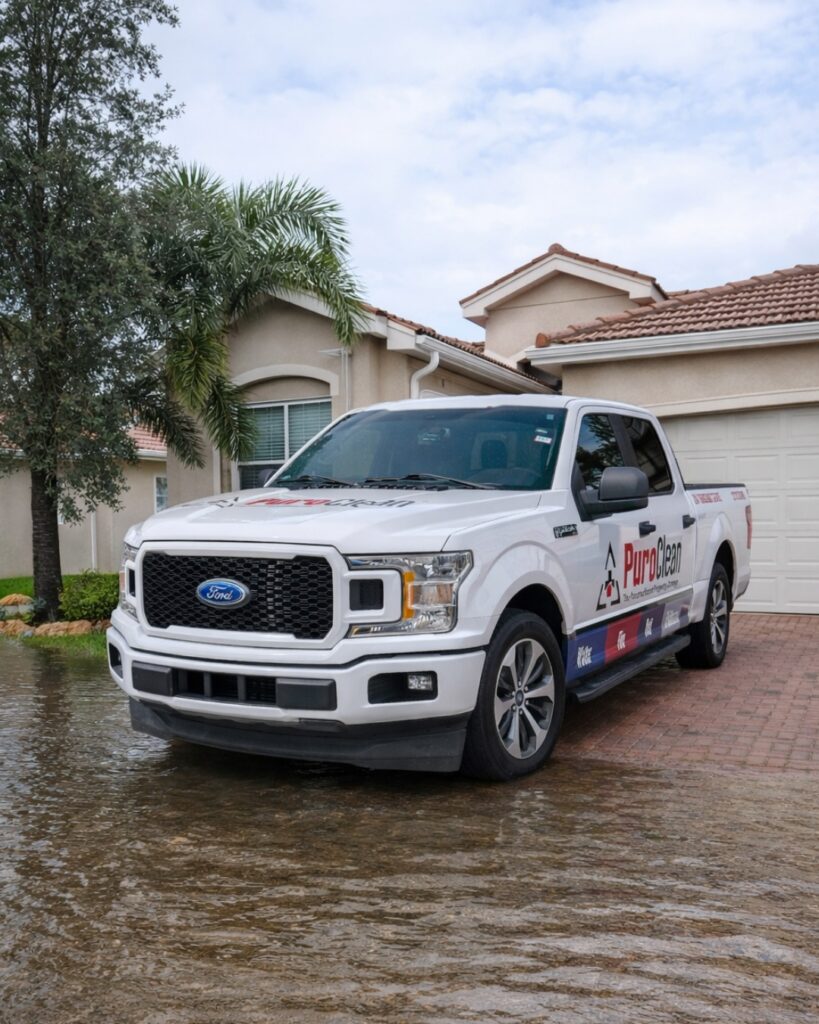
Can you really remove fire smoke odor from your Melbourne home? Yes, with professional molecular deodorization and expert restoration. Contact the certified, compassionate experts at PuroClean of Melbourne today for immediate 24/7 emergency response.
- 24/7 Direct Emergency Line: (321) 378-2400
- Facility Location: 739 North Dr, Melbourne, FL 32934 (Coastal Technology Center)
- Service Area: Serving Melbourne, Viera, Palm Bay, Indialantic, Melbourne Beach, West Melbourne, Suntree, Eau Gallie, Melbourne Village, and all surrounding Brevard County communities.