 PuroClean of Melbourne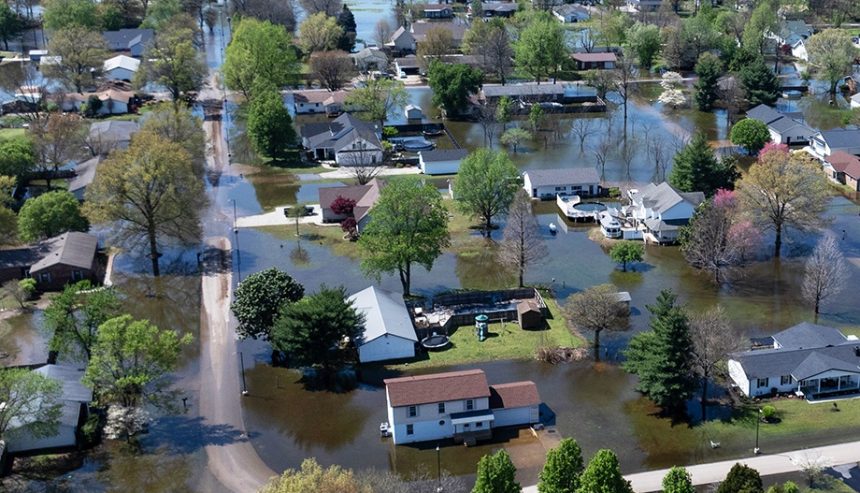
Living on Florida’s Space Coast comes with incredible benefits beautiful beaches, year-round sunshine, proximity to nature, and a thriving community. However, Brevard County’s coastal location, subtropical climate, and unique weather patterns also create specific vulnerabilities when it comes to water damage. At PuroClean of Melbourne, we’ve responded to thousands of water damage emergencies throughout Brevard County over the years, and we’ve seen firsthand how the combination of natural and man-made factors creates water damage risks that property owners need to understand and prepare for.
Flood Cleanup and Water Damage Restoration in Melbourne, FL
Whether you own a home in Melbourne, operate a business in Palm Bay, or manage rental properties anywhere in Brevard County, understanding the most common causes of water damage in our area empowers you to take preventive measures and respond quickly when problems occur. Knowledge truly is power when it comes to protecting your property investment and avoiding the costly consequences of water intrusion. Let’s explore the primary culprits behind water damage in Brevard County and what you can do to minimize your risk.
Hurricanes and Tropical Storms: Our Most Dramatic Threat
Anyone who’s lived in Brevard County for more than a few years knows that hurricane season, which officially runs from June through November, represents our most significant water damage threat. The Space Coast’s eastern exposure to the Atlantic Ocean places us directly in the path of tropical systems that develop in the warm waters off our coast or track across the ocean from Africa.
Hurricane-related water damage comes from multiple sources simultaneously, which is what makes these storms so devastating. Storm surge pushes seawater inland, sometimes miles from the coast depending on the storm’s intensity and the local topography. The Indian River Lagoon can overflow its banks, flooding riverside properties and low-lying areas. Wind-driven rain penetrates through every vulnerable point in building envelopes, often forcing water through areas that would never leak during normal rainfall. Overwhelmed drainage systems back up, creating flooding from below even as rain pounds from above.
Read Also: Severe Storm Water Damage in Brevard County: 2026 Preparedness Guide – PuroClean of Melbourne
The salt content in storm surge water makes hurricane flooding particularly damaging. Salt accelerates corrosion of metal components, damages electrical systems more severely than fresh water would, and leaves behind residues that continue causing problems long after the water recedes. Properties affected by storm surge require more extensive restoration than those damaged by fresh water alone, with particular attention needed for HVAC systems, electrical panels, appliances, and plumbing fixtures.
Wind damage during hurricanes often creates secondary water intrusion points. Torn shingles or damaged roof membranes allow rain to enter attic spaces and wall cavities. Broken windows and doors provide openings for wind-driven rain to enter interior spaces. Even small breaches in the building envelope can allow hundreds of gallons of water to enter during the hours-long duration of a major hurricane. At PuroClean of Melbourne, we’ve seen cases where water entered through roof damage on one side of a building and traveled through wall cavities to cause damage in completely different areas of the structure.
Tropical storms, while less intense than hurricanes, can still cause significant water damage through prolonged heavy rainfall. A slow-moving tropical storm can dump ten, fifteen, or even twenty inches of rain over Brevard County, overwhelming drainage systems, causing street flooding, and testing every aspect of building water management systems. The rainfall rates during these events often exceed what gutters, downspouts, and stormwater systems were designed to handle, resulting in water finding its way into buildings through any available path.
Heavy Thunderstorms and Flash Flooding
While hurricanes capture headlines, the reality is that heavy thunderstorms cause water damage incidents far more frequently in Brevard County. Florida’s summer weather pattern brings afternoon and evening thunderstorms almost daily from June through September. These storms can produce intense rainfall rates, with two to three inches falling in an hour or less during the most severe cells.
Flash flooding occurs when rainfall exceeds the ground’s ability to absorb water and drainage systems’ capacity to remove it. Low-lying areas throughout Brevard County are particularly vulnerable, with some neighborhoods experiencing street flooding several times each summer. Water rises quickly during these events, sometimes reaching several inches or even feet deep in yards and streets. When floodwater reaches door thresholds or finds openings around garage doors, water intrusion into buildings follows.
Where are the highest risk flood zones in Brevard? Maybe coming to a town at or near you.
Roof leaks become apparent during heavy thunderstorms, especially when rainfall is accompanied by strong winds. Missing or damaged shingles, deteriorated flashing around chimneys and vents, and worn roof penetrations all provide paths for water to enter attic spaces. Many property owners don’t realize they have roof problems until a heavy storm reveals the vulnerability. By that time, water may have already damaged insulation, ceiling materials, and even traveled down into wall cavities.
Lightning strikes during thunderstorms can damage plumbing systems and create water damage in unexpected ways. A lightning strike to a home can cause pressure surges in plumbing that rupture pipes or damage water heaters, washing machines, and other appliances. We’ve responded to situations where lightning damage to plumbing created substantial water damage hours after the storm passed, with property owners initially unaware that storm-related damage had occurred.
Poor drainage around buildings contributes significantly to water intrusion during heavy rains. When ground slopes toward buildings instead of away from them, or when gutters and downspouts discharge water too close to foundations, heavy rainfall can accumulate against building walls. This water then finds entry through cracks in foundation walls, gaps around utility penetrations, or through porous concrete block that’s common in Florida construction. Proper site drainage is essential in Brevard County’s wet climate, yet many properties have grading or drainage problems that remain unnoticed until heavy storms create water intrusion.
Plumbing Failures and Leaks
While weather-related causes dominate public consciousness, plumbing system failures actually account for a significant portion of water damage incidents we handle at PuroClean of Melbourne. These failures can occur at any time, often when property owners are away from home or overnight when the problem isn’t discovered for hours.
Supply line failures represent a particularly serious plumbing-related water damage source because they involve pressurized water that can discharge continuously until the main water supply is shut off. Burst pipes during rare freezes catch many Brevard County residents off guard because our climate doesn’t regularly reach freezing temperatures. However, when temperatures drop into the low 30s or upper 20s, pipes in uninsulated areas like attics, garages, or exterior walls can freeze and rupture. The damage often doesn’t become apparent until temperatures rise and the ice thaws, allowing water to flow freely through the break.
Corroded pipes present an ongoing risk in Brevard County, accelerated by our salt air environment in coastal areas. Copper pipes can develop pinhole leaks from corrosion, while older galvanized steel pipes deteriorate from the inside out. These failures often start as small drips that go unnoticed but gradually worsen until significant leaks develop. Water leaking inside walls or ceiling spaces can cause extensive damage before becoming visible, with mold growth and structural deterioration occurring long before property owners realize there’s a problem.
Water heater failures are among the most common plumbing-related water damage causes we see. Water heaters typically last eight to twelve years, but many Brevard County properties have units that are older and operating on borrowed time. When water heaters fail, they can release forty to eighty gallons of water into your home, depending on the tank size. Water heaters located in attics, which is common in Florida construction, create particularly severe damage when they fail because water cascades down through ceiling materials into living spaces below. We’ve responded to water heater failures that damaged multiple floors of buildings and required extensive restoration work throughout affected properties.
Washing machine hoses and connections cause frequent water damage incidents, particularly in older homes with original rubber supply hoses. These hoses can burst without warning, releasing water at full supply pressure. Since washing machines are often located in interior laundry rooms or closets, the water can affect large areas before being discovered. Upgrading to braided stainless steel supply lines significantly reduces this risk but many properties still have the original rubber hoses that came with their washing machines.
Toilet supply lines and internal toilet components also create water damage through various failure modes. Supply line connections can develop leaks, especially during or after maintenance work. Toilet tanks can overflow if fill valves malfunction or if something interferes with the float mechanism. Toilet wax rings can deteriorate, allowing water to seep through the floor with each flush. These problems often start small but can cause significant damage over time, particularly to ceiling materials below bathrooms on upper floors.
Air Conditioning Issues
Air conditioning systems work overtime in Brevard County’s hot, humid climate, running almost continuously during summer months. This constant operation creates substantial condensation, and when AC-related water management systems fail, water damage results. At PuroClean of Melbourne, we respond to AC-related water damage calls regularly, particularly during the summer cooling season.
Condensate drain line clogs are the most frequent AC-related water damage cause. Air conditioning systems produce several gallons of condensate water daily during peak cooling season, and this water must drain away through condensate lines. When these lines become clogged with algae growth, debris, or insect nests, water backs up into the drain pan. If the drain pan is cracked or corroded, or if it simply overflows from the blockage, water drips into ceiling spaces or through attic floors into living areas below.
Storm off Brevard County coast raising concerns about flooding, beach erosion
Secondary drain pans under AC air handlers are supposed to catch overflow from primary drain line failures, but these pans often develop cracks or rust through over time. In Florida’s attic environments, where temperatures can exceed 130 degrees and humidity is consistently high, drain pans deteriorate relatively quickly. When the primary drain line clogs and the secondary pan has failed, nothing prevents water from damaging ceiling materials and insulation below the air handler.
Frozen evaporator coils can create water damage when they thaw. AC systems can freeze due to restricted airflow from dirty filters, low refrigerant levels, or blower motor failures. When the frozen coil eventually thaws, either when the system shuts down or when the problem is corrected, large amounts of water can overwhelm the drain system and overflow into surrounding areas. This type of failure often occurs overnight or when property owners are away, allowing significant water to accumulate before discovery.
Improperly installed or damaged ductwork can create condensation problems that lead to water damage. When cold supply ducts run through hot attic spaces without proper insulation, condensation forms on the exterior of the ducts. This condensation can drip onto insulation and ceiling materials, causing staining, deterioration, and eventual water damage. The problem is gradual and often isn’t discovered until visible staining appears on ceilings or mold odors develop in affected areas.
Roof Problems Specific to Florida Construction
Roof systems in Brevard County face unique challenges that make roof-related water intrusion a constant concern. Our combination of intense sun exposure, heavy rainfall, high winds, and occasional hail creates conditions that test roofing materials in ways that northern climates don’t experience.
Deteriorated shingles and roofing materials fail faster in Florida than in many other regions. UV radiation from intense year-round sun exposure breaks down roofing materials, causing shingles to become brittle and lose their protective granules. When this deterioration reaches a critical point, shingles can crack, curl, or blow off during even moderate winds, creating openings for water intrusion. Asphalt shingle roofs that might last twenty-five years in northern states often need replacement after fifteen to eighteen years in Florida.
Flat and low-slope roofs, common on commercial buildings and some residential properties in Brevard County, present particular vulnerability to water intrusion. These roofs rely on membrane integrity and proper drainage to prevent water accumulation. When membranes develop cracks, blisters, or separations, water can penetrate into roof decking and building interiors. Poor drainage that allows water to pond on flat roofs accelerates deterioration and increases the likelihood of leaks developing.
Flashing failures around roof penetrations cause many of the roof leak calls we receive at PuroClean of Melbourne. Chimneys, plumbing vents, attic vents, skylights, and other roof penetrations all require properly installed and maintained flashing to prevent water intrusion. Over time, flashing can separate from adjacent materials, corrode, or become damaged. When this happens, water finds its way into attic spaces during rain events, often traveling some distance from the entry point before causing visible damage.
Hurricane damage to roofs creates immediate and obvious water intrusion, but it can also create hidden damage that leads to leaks during subsequent normal rainfall. We’ve inspected roofs after hurricanes that appeared intact from ground level but had lifted shingles, compromised underlayment, or damaged flashing that wasn’t apparent without close examination. These hidden problems manifest as leaks during the next significant rain event, sometimes weeks or months after the hurricane.
Appliance Malfunctions
Modern homes contain numerous appliances that use water, and each represents a potential water damage source when malfunctions occur. Beyond the washing machines and water heaters we’ve already discussed, several other appliances frequently cause water damage incidents in Brevard County properties.
Dishwashers develop leaks from various failure points. Door seals can deteriorate, allowing water to escape during wash cycles. Supply line connections can fail. Internal hoses and pump seals can leak. Since dishwashers are typically installed in kitchen cabinets next to wooden cabinet bases and flooring, even small leaks can cause significant damage over time. Water wicks into cabinet particleboard, causing swelling and deterioration. Hardwood or laminate flooring adjacent to dishwashers can buckle and warp from repeated water exposure.
Refrigerators with ice makers and water dispensers have supply lines that can leak or burst. These appliances also produce condensation that should drain away through condensate lines, but when these lines clog or become disconnected, water can pool beneath refrigerators. Since refrigerators are often pushed back against walls and not regularly moved for inspection, leaks can continue undetected for extended periods, damaging flooring and even wall materials.
Garbage disposals can leak from multiple points including the mounting assembly where they attach to sinks, internal seals, or discharge connections to the drain system. These leaks often start small but gradually worsen, and because they’re located in enclosed cabinet spaces beneath sinks, they may not be discovered until substantial damage has occurred to cabinet bases and the floor beneath.
Titusville, Merritt Island get as much as 14 inches of rain
Water filtration systems and reverse osmosis units, increasingly common in Brevard County homes, create water damage when fittings fail or filters aren’t changed according to manufacturer recommendations. These systems often have multiple connection points where leaks can develop, and because they’re typically installed in confined spaces under sinks or in utility areas, leaks may go unnoticed until significant water has accumulated.
Sewer and Drain Backups
Sewer and drain backups represent some of the most unpleasant water damage scenarios we handle at PuroClean of Melbourne. These situations involve Category 3 black water contamination, requiring specialized handling and creating serious health hazards for property occupants.
Main sewer line blockages can cause sewage to back up into buildings through floor drains, toilets, and other low-point fixtures. Tree roots infiltrating sewer lines are a common cause of these blockages in Brevard County’s lush landscape. Roots seek water and nutrients, and sewer lines provide both. Once roots penetrate a sewer line through joints or cracks, they create a mass that catches debris and eventually blocks the line completely. When this happens, sewage has nowhere to go except back into the building.
Heavy rainfall can overwhelm municipal sewer systems, particularly older systems that combine stormwater and sewage. During extreme rainfall events, these systems can back up, forcing contaminated water into buildings through connection points. Properties in areas with older infrastructure face higher risk of sewer backup during heavy storms, and this risk has increased as development has added impervious surfaces and stormwater volume to systems that weren’t designed for current flow rates.
Septic system failures create water damage and contamination for properties that aren’t connected to municipal sewer systems. Many areas of Brevard County rely on septic systems, and these systems can fail in multiple ways. Drain fields can become saturated and unable to process additional wastewater, causing sewage to back up into buildings or surface in yards. Septic tanks can overflow if they’re not pumped regularly or if heavy rainfall raises the water table. These failures create health hazards and require professional remediation beyond just water extraction and drying.
Kitchen and bathroom drain clogs can cause localized water damage when they allow water to overflow from fixtures. Hair, soap residue, grease, and foreign objects can create clogs that prevent drainage. When fixtures overflow, water can damage vanities, flooring, and even ceiling materials below if the overflow occurs on upper floors. While less dramatic than main sewer backups, these localized drain failures still cause significant damage and disruption.
Foundation Issues and Groundwater Intrusion
Florida’s high water table and porous limestone geology create unique foundation and groundwater challenges that contribute to water damage in Brevard County properties. Understanding these issues helps property owners recognize and address vulnerabilities before serious damage occurs.
Hydrostatic pressure from high water tables can force water through foundation walls and floor slabs. During periods of heavy rainfall or when water tables are seasonally high, pressure builds in the soil around and beneath foundations. This pressure can force water through cracks, gaps around utility penetrations, or even through porous concrete block walls that are common in Florida construction. The result is water intrusion into interior spaces, often appearing to “weep” through walls or appear mysteriously on floors.
Foundation cracks develop in Brevard County properties from various causes including settlement, soil movement, and the natural expansion and contraction that occurs as moisture levels in soil change with seasonal rainfall patterns. Even small cracks can provide pathways for water intrusion, particularly during heavy rainfall or when water tables rise. Horizontal cracks near the base of foundation walls are especially concerning as they often indicate structural movement and provide significant water intrusion pathways.
Poor site drainage causes water to accumulate around foundations rather than flowing away from buildings as it should. Properties where soil has settled over time, where improper grading was done during construction or landscaping, or where drainage systems have become clogged or damaged are particularly vulnerable. When water accumulates against foundation walls, it eventually finds paths into the building, whether through cracks, gaps, or by saturating porous materials.
Slab foundation issues specific to Florida construction can lead to hidden water damage that’s difficult to detect and address. Post-tension slab foundations, common in Florida, can develop leaks in plumbing lines that are embedded in the concrete. These under-slab plumbing leaks can continue for extended periods before becoming apparent through increased water bills, hot spots on floors from leaking hot water lines, or water appearing at floor edges. By the time these leaks are discovered, substantial water has often been lost and damage to the slab and surrounding areas may be extensive.
Prevention and Early Detection
Understanding these common causes of water damage in Brevard County empowers you to take preventive measures and implement early detection strategies. While some causes like hurricanes can’t be prevented, you can significantly reduce your risk and minimize damage through proactive maintenance and monitoring.
Regular property inspections should focus on the systems and areas most vulnerable to the water damage causes we’ve discussed. Walk your property after heavy rains to check for drainage problems, standing water, or signs of water intrusion. Inspect your roof at least annually, looking for missing or damaged shingles, deteriorated flashing, and signs of previous leaks. Check plumbing fixtures, supply lines, and appliances for signs of leaks, corrosion, or deterioration. Test your sump pump if you have one, ensuring it operates correctly before hurricane season.
Maintenance programs prevent many water damage incidents before they occur. Clean or replace AC air filters monthly during cooling season to prevent system freezing and associated water damage. Have your AC condensate drain lines professionally cleaned annually to prevent clogs. Service your water heater according to manufacturer recommendations, replacing it when it reaches the end of its expected lifespan rather than waiting for failure. Clean gutters and downspouts regularly, ensuring water drains properly away from your building.
Upgrade vulnerable components before they fail. Replace rubber washing machine hoses with braided stainless steel versions. Install water alarms beneath water heaters, near washing machines, and in other locations where leaks might occur but go undetected. Consider installing an automatic water shutoff system that can detect unusual flow and shut off your main water supply before a burst pipe causes catastrophic damage. These upgrades require modest investment but can prevent tens of thousands of dollars in water damage.
Professional inspections by qualified contractors help identify potential problems before they cause damage. Have your roof inspected by a licensed roofing contractor, particularly before hurricane season and after any major storm. Schedule plumbing inspections to identify corroded pipes, failing fixtures, or other vulnerabilities. Have your AC system professionally serviced annually, ensuring condensate drainage is working properly and all components are functioning correctly.
When Water Damage Occurs
Despite your best prevention efforts, water damage can still occur. When it does, rapid response minimizes damage and reduces restoration costs. At PuroClean of Melbourne, we’ve seen countless situations where quick action prevented minor incidents from becoming major problems, and unfortunately, we’ve also seen situations where delayed response allowed limited damage to become extensive and costly.
Stop the water source if possible and safe to do so. Shut off supply valves to leaking fixtures or appliances. Turn off your main water supply if you can’t isolate the source. During flooding situations, evacuate if necessary and never enter standing water that may be electrically energized. Your safety is always the first priority, and no property is worth risking your life.
Contact PuroClean of Melbourne immediately at (321) 378-2400. We offer 24-hour emergency response because we know that water damage doesn’t wait for business hours. Our team will dispatch immediately, often arriving within an hour or two depending on your location and the current situation. We’ll assess the damage, begin emergency water extraction and mitigation, and develop a comprehensive restoration plan to return your property to its pre-loss condition.
Document the damage thoroughly for insurance purposes. Take photos and videos of all affected areas before any cleanup begins. Make detailed notes about the water source, when you discovered the damage, and what actions you’ve taken. Keep receipts for any emergency services or supplies. This documentation supports your insurance claim and helps ensure you receive appropriate coverage.
Your Brevard County Water Damage Restoration Partner
Living in Brevard County means accepting certain risks that come with our beautiful coastal location and subtropical climate. However, understanding the common causes of water damage in our area empowers you to minimize these risks through prevention and respond effectively when incidents occur. At PuroClean of Melbourne, we’re proud to serve our community as the trusted partner for water damage restoration throughout the Space Coast.
Our team has extensive experience with every type of water damage that affects Brevard County properties, from hurricane flooding to plumbing failures, AC condensation to roof leaks. We understand the unique challenges that our climate and construction methods create, and we’ve invested in the training, equipment, and expertise necessary to handle these challenges effectively. When you call PuroClean of Melbourne, you’re not just getting a restoration company—you’re getting knowledgeable neighbors who understand your situation and are committed to helping you recover.
Located at the Coastal Technology Center on North Drive in Melbourne, we’re positioned to respond quickly throughout Brevard County. Whether you’re in Palm Bay, Satellite Beach, Cocoa Beach, Titusville, or anywhere in between, our team can reach you promptly when water damage emergencies occur. We maintain our equipment and vehicles in ready condition 24/7, ensuring that we’re always prepared to respond when you need us.
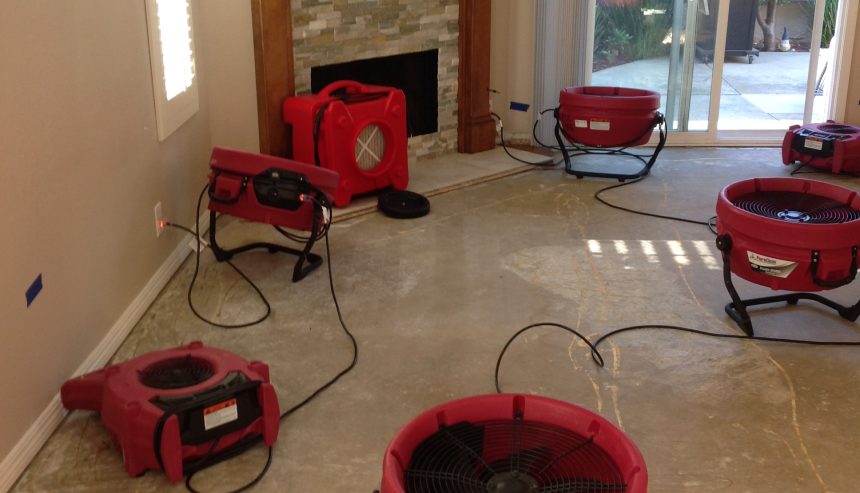
Don’t wait until water damage becomes a disaster. If you notice signs of water intrusion, plumbing problems, or any of the other issues we’ve discussed, contact us for an assessment. Early intervention often prevents limited problems from becoming extensive damage requiring major restoration work. And when emergency water damage does occur, remember that help is just a phone call away at (321) 378-2400. We’re here for you 24 hours a day, seven days a week, ready to protect your property and restore your peace of mind.
Connect With Us on Social Media!


 PuroClean of Melbourne