When a traumatic event, violent crime, or unattended death occurs inside a residential property in West Melbourne, Florida, the emotional shock and confusion experienced by family members and property owners can be overwhelming.
Whether located in established neighborhoods near Minton Road, quiet residential communities in June Park, or master-planned developments around Heritage Isle, homeowners are suddenly thrust into a crisis that demands immediate, specialized intervention.
A frequent misconception among property owners is that municipal emergency services or law enforcement agencies such as the West Melbourne Police Department or the Brevard County Sheriff’s Office clean and sanitize a residence after their investigation is complete. In reality, once forensic investigators release the scene, the physical burden of restoration falls entirely upon the property owner. Returning a residence to a safe, livable condition involves far more than basic housekeeping; it requires comprehensive biohazard remediation and specialized forensic chemical decontamination.
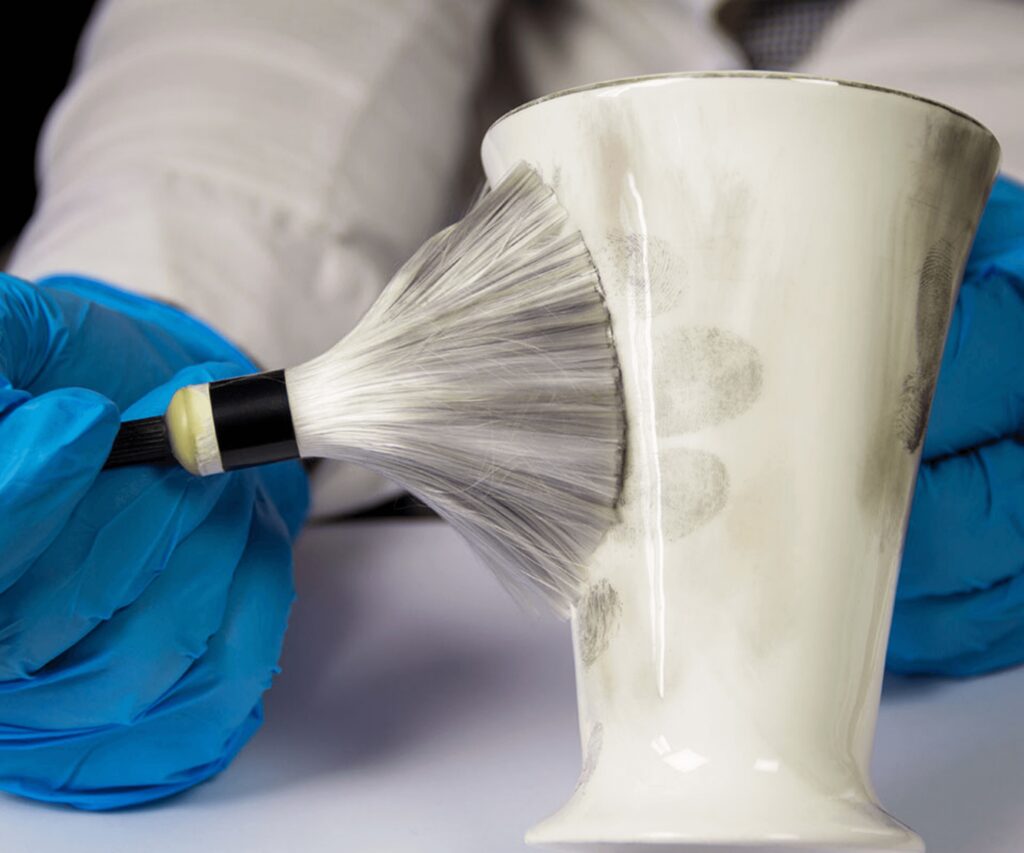
Beyond the obvious biohazards like bloodborne pathogens and bodily fluids, crime scene investigation leaves behind heavy secondary contamination. Investigative teams routinely spread microscopic graphite, carbon, and magnetic fingerprint powders across walls, doors, countertops, and flooring. Without expert intervention, attempting to clean these toxic biological substances and graphite compounds can result in permanent structural damage, widespread cross-contamination, and severe health risks.
Understanding the Dual Hazards: Biological Contaminants & Forensic Powders
Remediating a crime scene in coastal Central Florida requires addressing two distinct categories of environmental hazards: dangerous biological contaminants and highly invasive forensic investigation residues.
Biological Contaminants and Bloodborne Pathogens
Blood, tissue, and biological fluids present severe health risks to anyone who enters an untreated scene. Pathogens can remain infectious in residential environments for days or even weeks after an incident occurs. Primary biological risks include:
- Bloodborne Pathogens: Human Immunodeficiency Virus (HIV), Hepatitis B (HBV), and Hepatitis C (HCV), which present persistent infection hazards through direct or indirect contact with dried blood and fluids.
- Bacterial Hazards: Methicillin-Resistant Staphylococcus Aureus (MRSA), Clostridioides difficile (C. diff), and airborne bacteria that rapidly proliferate in Florida’s high-humidity climate.
- Decomposition & Odor Pathogens: In violent or unattended events, organic decomposition rapidly releases volatile organic compounds (VOCs) that saturate drywall, subflooring, soft textiles, and HVAC ductwork, creating intense, persistent odors.
The Chemical Nature of Law Enforcement Fingerprint Dust
Forensic investigators use various specialized powders to reveal latent fingerprints on surfaces. While invaluable for solving crimes, these powders are formulated specifically to adhere aggressively to surfaces, making them extraordinarily difficult to remove without professional equipment.
- Traditional Black Powder: Composed of ultra-fine particles of black graphite, carbon black, charcoal, and resinous binders. These microscopic particles measure between 1 to 10 microns and quickly sink into micro-grooves, porous paint, wood grain, and plaster.
- Magnetic Fingerprint Powders: Formulated with finely milled iron powder combined with black pigments. When applied, these powders cling magnetically to latents, but when wiped with liquid solvents, they create heavy metallic smears that permanently stain surfaces.
- Fluorescent and Specialized Powders: Used on dark or textured surfaces, these compounds contain synthetic polymers and dyes that fluoresce under UV light and spread rapidly across carpet fibers and textiles if vacuumed with standard equipment.
Why Standard Cleaning Methods Fail and Cause Secondary Damage
Well-meaning property owners or inexperienced cleaning crews frequently exacerbate fingerprint dust damage through improper cleaning attempts:
- Liquid Dissolution Smearing: Applying water, household detergents, or all-purpose sprays to graphite or magnetic dust immediately converts dry particles into an indelible black paste. This paste is driven deep into porous drywall, latex paint, wood trim, and tile grout.
- HVAC & Vacuum Redistribution: Using standard household or shop vacuums pulls microscopic dust through standard filtration bags and exhausts it directly into the indoor air supply. This redistributes toxic graphite particles onto ceilings, upholstery, and into the residential HVAC duct network.
- Surface Abrasive Damage: Vigorous scrubbing with abrasive pads acts like sandpaper, embedding carbon particles beneath the outer finish of hardwood floors and tearing delicate painted drywall surfaces.
Regulatory Compliance and Industry Standards in Florida
Crime scene cleanup is strictly governed by state and federal regulations designed to protect public health, safety, and property values. Legitimate restoration contractors operating in West Melbourne must maintain rigorous compliance with multiple regulatory bodies:
- Florida Department of Health (FDOH) Regulations: Florida regulates trauma scene cleanup practitioners through strict biomedical waste storage, transport, and disposal permits. All biological waste generated during remediation must be collected in red biohazard receptacles and tracked through a licensed manifest system to certified medical waste incinerators.
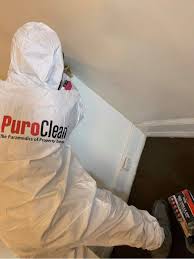
- OSHA Standard 29 CFR 1910.1030: Mandates strict protocols regarding Personal Protective Equipment (PPE), including atmospheric respirators (N95/P100), full-body Tyvek suits, double-gloving, and eye protection. It also dictates bloodborne pathogen exposure control plans and universal precautions.
- IICRC S540 Standard for Trauma Cleanup: Professional technicians follow the Institute of Inspection, Cleaning and Restoration Certification (IICRC) S540 Standard for Trauma and Crime Scene Cleanup, which defines precise scientific protocols for containment, cleaning, disinfection, and deodorization.
The PuroClean 5-Step Crime Scene & Fingerprint Dust Remediation Protocol
PuroClean of Melbourne executes a meticulous, multi-stage restoration strategy engineered to fully eliminate biological threats, permanently remove forensic powders, and return residential properties to pre-loss condition.
| Phase | Remediation Focus | Key Operational Actions |
| Phase 1 | Assessment & Environmental Containment | Verify official law enforcement release; establish negative air pressure machines with HEPA filtration; seal containment zone doors and HVAC vents with 6-mil polyethylene sheeting. |
| Phase 2 | Biohazard Extraction & Decontamination | Remove and containerize all unsalvageable biohazardous materials in FDOH-approved bio-boxes; apply EPA-registered hospital-grade sporicidal disinfectants to hard surfaces. |
| Phase 3 | Dry Technical Fingerprint Dust Removal | Perform HEPA-filtered vacuuming using micro-attachments; utilize specialized dry-chemical vulcanized rubber sponges to lift carbon/graphite particles without moisture. |
| Phase 4 | Solvent Extraction & Micro-Cleaning | Apply targeted non-aqueous chemical degreasers and surfactants to extract remaining embedded oils; micro-scrub grout, trim, and semi-porous surfaces; dry-wipe clean. |
| Phase 5 | Odor Neutralization & Final Verification | Deploy hydroxyl generators or ozone machines to eliminate organic odors; conduct ATP (Adenosine Triphosphate) bioluminescence testing to guarantee medical-grade cleanliness. |
Deep Dive: Science of Forensic Powder Extraction
Removing fingerprint dust requires strict adherence to physical chemistry principles. Liquid water or aqueous cleaner breaks the surface tension of dry carbon, turning it into a dye-like slurry. PuroClean technicians follow a strict two-phase dry-then-wet protocol:
- Dry Mechanical Capture: Before any liquid cleaner touches the surface, high-efficiency particulate air (HEPA) vacuum systems equipped with rubberized non-marring nozzles capture loose surface dust. HEPA filtration captures 99.97% of particles down to 0.3 microns, preventing recirculated airborne dust.
- Electrostatic Chemical Sponge Absorption: Technicians utilize dry-chem vulcanized rubber sponges. These sponges act via electrostatic attraction, pulling graphite particles out of the microscopic crevices of latex paint, wallpaper, and textured plaster without breaking the particle bonds.
- Selective Solvent Surfactant Washing: Only after dry particulate removal is complete are specialized solvent-based surfactant cleansers applied. These mild degreasers break down the oil and binder residues inherent in fingerprint dust, floating remaining pigment to the surface for immediate extraction with microfiber cloths.
Navigating Insurance Claims and Law Enforcement Coordination
Dealing with the aftermath of a crime scene is an emotional ordeal. Managing insurance claims and law enforcement clearances should not add to that burden. Homeowners in West Melbourne should keep several critical logistical factors in mind:
Property Insurance Coverage for Trauma Cleanup
Most standard homeowners and commercial property insurance policies in Florida cover biohazard remediation, trauma cleanup, and structural repair resulting from violent crime, burglary, or accidental death. Insurance policies typically categorize crime scene cleanup under “Property Damage” or “All-Risk” coverage.
- Direct Insurance Billing: PuroClean of Melbourne works directly with major national and regional insurance carriers across Florida. We utilize Xactimate® the industry-standard estimating software recognized by insurance adjusters to compile itemized, line-by-line documentation.
- Comprehensive Digital Proofing: Our team documents the entire scene prior to, during, and after remediation with high-resolution photography, atmospheric monitoring reports, and disposal manifests, ensuring smooth claim approval.
- Florida Crime Victims’ Compensation Program: For victims of violent crime who are uninsured or underinsured, the State of Florida operates the Bureau of Victim Compensation, which may offer financial assistance for crime scene cleanup costs, counseling, and medical expenses.
Coordination with Local Law Enforcement
Remediation cannot begin until the West Melbourne Police Department or investigating law enforcement agency officially certifies that processing is complete and releases the property. PuroClean coordinates directly with investigating officers to secure written scene release documentation before deploying our technical crews, ensuring no critical evidence is compromised.
Why West Melbourne Property Owners Choose PuroClean of Melbourne
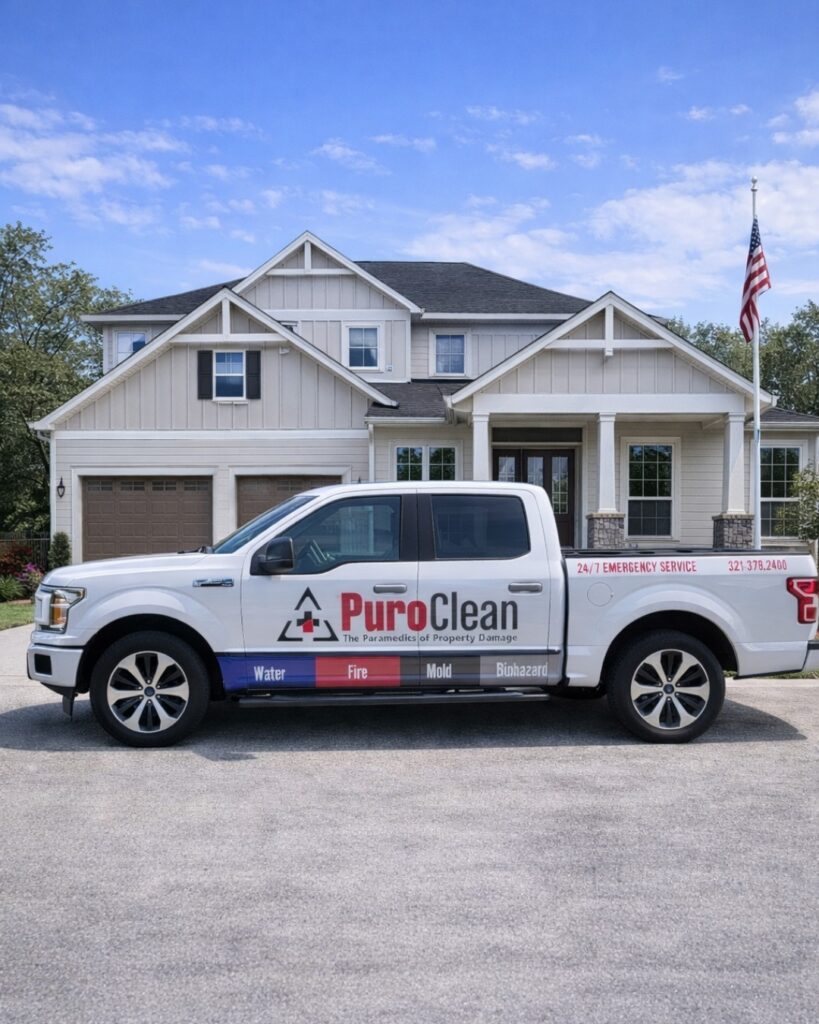
When tragedy strikes, homeowners need a local partner who combines expert technical mastery with genuine empathy and discretion. PuroClean of Melbourne stands out as Brevard County’s trusted restoration specialist for several key reasons:
- Local Brevard County Emergency Response: Located in the Coastal Technology Center at 739 North Dr, Melbourne, FL 32934, our certified technicians respond rapidly to emergency calls across West Melbourne, Palm Bay, Viera, and surrounding areas within hours.
- Unmatched Discretion and Compassion: We respect family privacy during delicate times. Our vehicles can arrive discreetly upon request, and our technicians operate with total confidentiality and professional decorum.
- Certified Biohazard Expertise: Unlike standard cleaning crews, our team holds full IICRC certifications in Trauma & Crime Scene Cleanup (S540), Biohazard Remediation, and Applied Structural Drying (ASD), backed by OSHA-compliant safety protocols.
- Seamless Turnkey Restoration: As a licensed Florida general contractor, PuroClean doesn’t just clean up contamination we handle complete structural rebuilds, drywall replacement, painting, and floor restoration, managing the entire project from start to finish.
Immediate 24/7 Assistance for Crime Scene & Biohazard Remediation
If your West Melbourne home or property requires professional crime scene remediation, bloodborne pathogen cleanup, or specialized fingerprint dust removal, do not attempt to clean it yourself. Contact the certified, compassionate experts at PuroClean of Melbourne today.
- Direct Emergency Line: (321) 378-2400
- Facility Address: 739 North Dr, Melbourne, FL 32934 (Coastal Technology Center)
- Service Availability: 24 Hours a Day, 7 Days a Week, 365 Days a Year