

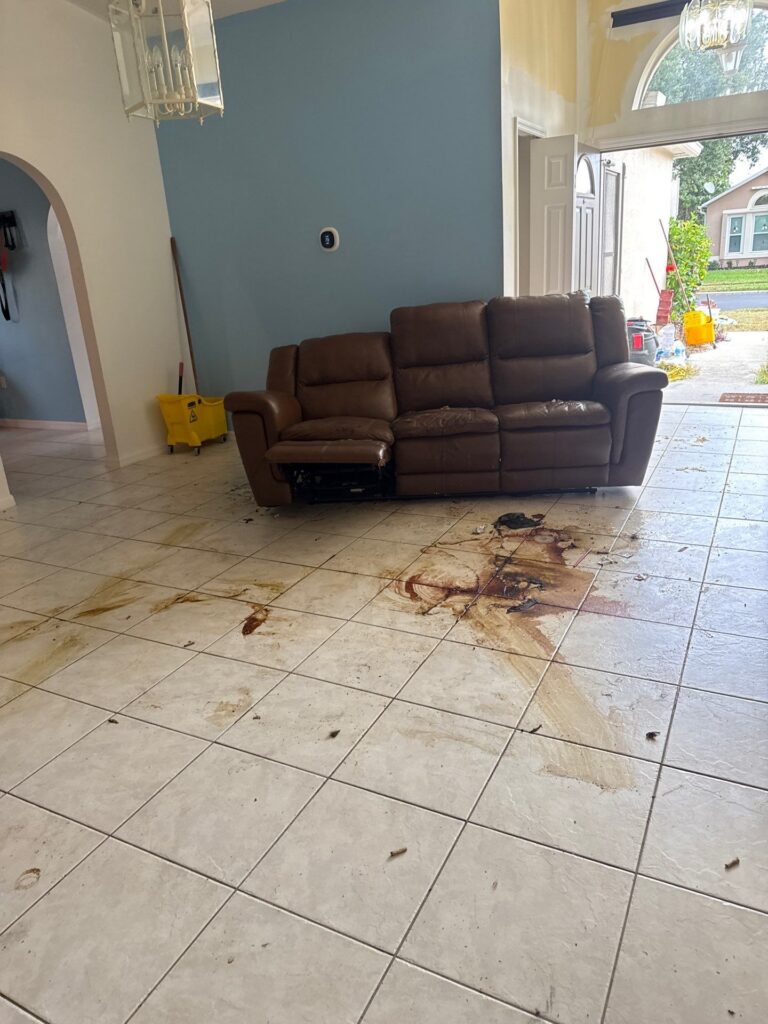
Discovering that a loved one, tenant, or family member has passed away unattended or suffered a traumatic event inside a residence is one of the most painful experiences a person can face.
In the vibrant communities of Melbourne and Palm Bay stretching from established neighborhoods in Port Malabar and Bayside to coastal homes near Eau Gallie and Viera, many residents are retirees, seniors living independently, or individuals whose daily routines keep them private.
When an individual passes away unnoticed, a scenario known professionally as an unattended death, natural biological processes begin immediately. In Brevard County’s coastal climate, characterized by high year-round temperatures, elevated indoor humidity, and active HVAC systems, the rate of decomposition accelerates rapidly. Within a matter of hours, severe biological hazards develop, creating complex contamination that affects structural materials, air quality, and the surrounding environment.
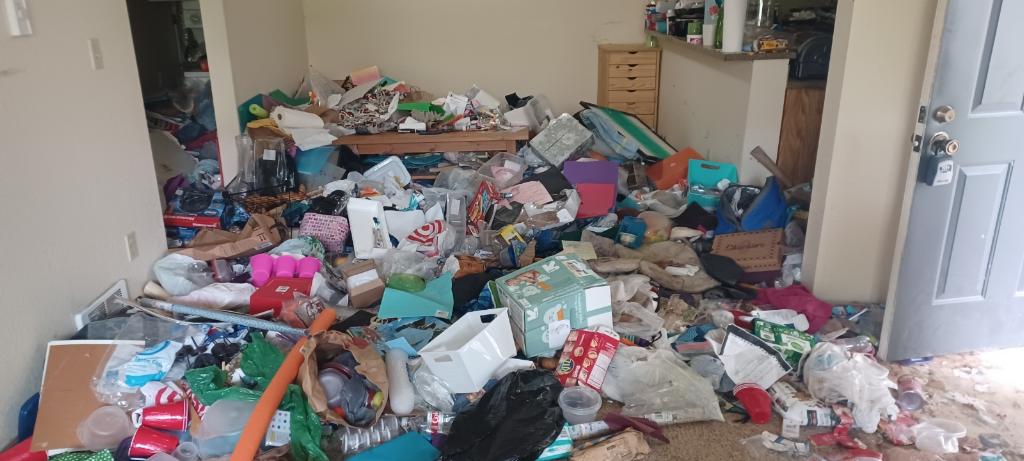
Beyond the physical contamination, trauma scenes and unattended deaths carry immense psychological weight. Family members, property managers, and estate administrators are often left in shock while simultaneously forced to figure out how to restore the property.
A critical step in this process is recognizing that municipal emergency services, the Medical Examiner’s Office, and local police departments do not clean biohazardous scenes. Once the Melbourne Police Department, Palm Bay Police Department, Brevard County Sheriff’s Office, or District 24 Medical Examiner completes their official investigation and releases the premises, the responsibility for safe decontamination falls entirely on the property owner or estate representative.
Attempting to clean a trauma or decomposition scene using standard janitorial methods or household supplies is extremely dangerous. It exposes individuals to infectious pathogens, causes secondary cross-contamination throughout the building, and fails to eliminate deep-seated biological fluids and odors. Professional remediation is not just a cleaning service; it is a specialized biomedical engineering and environmental restoration process designed to make the structure safe, livable, and structurally sound again.
2. The Science of Decomposition in Florida’s Subtropical Climate
To understand why professional biohazard remediation is necessary, it is essential to examine the physical and chemical processes that take place after death, particularly within Central Florida’s environmental conditions.
[ Unattended Death Occurs ]
│
▼
[ Accelerated Autolysis & Proteolysis ]
(Accelerated by Brevard Heat & Humidity)
│
▼
[ Organic Gas & Fluid Release ]
(Putrescine, Cadaverine, VOCs, Liquefaction)
│
▼
[ Deep Structural Saturation ]
(Subfloor, Drywall, Concrete, HVAC Ducts)
│
▼
[ Health Hazards & Persistent Odor Vectors ]
(Pathogens, Insect Vectors, Airborne VOCs)
Chemical Breakdown and Biological Fluid Dynamics
Immediately following cardiac arrest, cellular respiration ceases, leading to autolysis (self-digestion of cells by endogenous enzymes) and putrefaction (bacterial decomposition of soft tissue). This biological breakdown generates volatile gases primarily putrescine and cadaverine alongside skatole, indole, and sulfur-containing compounds. These chemical compounds create the distinctive, overpowering odor associated with organic decomposition.
As cellular structures collapse, body tissues liquefy, releasing significant volumes of biological fluids containing:
- Degraded proteins and fatty acids
- Bloodborne viruses and bacteria
- Cellular waste products
- Liquefied organic compounds
In a home with sealed windows and standard ambient temperatures, these fluids readily migrate through soft goods like mattresses, carpets, and rug padding. Once fluids pass through floor coverings, gravity pulls them into porous subfloors (such as plywood, OSB, or tongue-and-groove boards), baseboards, tack strips, drywall, and structural concrete slabs.
The Role of Florida’s Ambient Climate
In Melbourne and Palm Bay, humidity levels routinely exceed 70% to 80%, and summer indoor temperatures can quickly climb above 85°F if air conditioning units fail or are turned off. High heat and humidity act as catalysts:
- Accelerated Enzymatic Reaction: Microbial activity doubles with every 10°C rise in temperature, dramatically shortening the timeframe between initial loss and severe structural contamination.
- Subfloor Absorption: High humidity opens wood pores, allowing biological fluids to soak deeper into timber joists, subflooring, and concrete foundations.
- HVAC Distribution: Central air conditioning systems pull airborne volatile organic compounds (VOCs) and microscopic biological particulates into return ducts, circulating odors and airborne contaminants into every room in the house.
3. Biological Pathogens and Environmental Health Risks
Trauma scenes and unattended deaths present serious medical and environmental hazards. Anyone entering an unrestored scene without industrial-grade Personal Protective Equipment (PPE) faces exposure to severe health risks.
+———————————————————————–+
| PRIMARY BIOLOGICAL HAZARDS |
+———————————————————————–+
| • Bloodborne Viruses: Hepatitis B (HBV), Hepatitis C (HCV), HIV |
| • Pathogenic Bacteria: MRSA, Clostridium difficile, E. coli, Staph |
| • Fungal & Mold Spores: Accelerated by moisture and organic fluids |
| • Vector Parasites: Calliphoridae (blowflies), maggots, carpet beetles|
| • Chemical Vapors: High-concentration VOCs, putrescine, cadaverine |
+———————————————————————–+
Bloodborne Pathogens
- Hepatitis B Virus (HBV): Exceptionally resilient outside the human body, Hepatitis B can remain infectious in dried blood or biological fluids on surfaces for more than seven days.
- Hepatitis C Virus (HCV): Capable of surviving on room-temperature surfaces for up to several weeks, posing persistent exposure risks to unprotected individuals.
- Human Immunodeficiency Virus (HIV): While less resilient in open air than Hepatitis, HIV remains an active biological hazard in wet or semi-fluid biological accumulations.
Bacterial Hazards and Secondary Vectors
Decomposition creates an ideal breeding ground for pathogenic bacteria, including Methicillin-Resistant Staphylococcus Aureus (MRSA), Clostridium difficile (C. diff), and fecal coliforms such as Escherichia coli.
Furthermore, insects specifically blowflies (Calliphoridae) are attracted to decomposition within minutes. They lay eggs that quickly hatch into larvae (maggots). As flies mature and move across walls, ceilings, light fixtures, and window sills, they create secondary cross-contamination by depositing biological waste throughout the home.
4. Regulatory Compliance and Legal Framework in Florida
Biohazard remediation is heavily regulated at both federal and state levels to protect public health, groundwater safety, and worker protection. Uncertified cleanup attempts run the risk of serious state fines, improper waste disposal liabilities, and permanent structural damage.
+————————————————————————+
| REGULATORY COMPLIANCE MATRIX |
+————————————————————————+
| AGENCY / STANDARD | COMPLIANCE REQUIREMENT |
+—————————+——————————————–+
| OSHA 29 CFR 1910.1030 | Universal Precautions, PPE, Exposure Plan |
| FDOH Chapter 64E-16 FAC | Biomedical Waste Manifesting & Transport |
| IICRC S540 Standard | Scientific Trauma & Biohazard Protocols |
| EPA Regulations | Registered Hospital-Grade Disinfectants |
+—————————+——————————————–+
Florida Department of Health (FDOH) Biomedical Waste Rules
Under Chapter 64E-16 of the Florida Administrative Code (FAC), all materials contaminated with human blood, bodily fluids, or biohazardous waste are legally classified as Biomedical Waste.
- Regulated Disposal: Biohazardous materials cannot be disposed of in standard municipal waste bins or Brevard County landfills.
- Manifest Tracking: Waste must be collected in red, leak-proof biohazard bags, placed in rigid containers, and transported by a state-licensed biomedical waste transporter to a permitted incineration facility.
- Chain of Custody: Detailed waste manifests must be logged and maintained to document the chain of custody from extraction to final destruction.
OSHA Bloodborne Pathogens Standard (29 CFR 1910.1030)
The Occupational Safety and Health Administration (OSHA) mandates that technicians working in environments with potential exposure to blood or bodily fluids adhere strictly to safety protocols:
- Universal Precautions: Treating all human blood and bodily fluids as infectious material regardless of known source history.
- Personal Protective Equipment (PPE): Mandatory use of level B/C protective suits (Tyvek), double-gloving, rubber boots, and full-face respirators equipped with P100 organic vapor cartridges.
- Vaccination and Exposure Control: Mandated Hepatitis B vaccination series, specialized training, and structured post-exposure evaluation plans.
IICRC S540 Standard for Trauma and Crime Scene Cleanup
Published by the Institute of Inspection, Cleaning and Restoration Certification (IICRC), the S540 standard serves as the national benchmark for biohazard remediation. It outlines scientific protocols for containment, cleaning, disinfection, odor control, and verification testing.
5. The Paramount Importance of Discretion and Sensitivity
The psychological impact of a trauma or unattended death on family members, neighbors, and local communities cannot be overstated. High-profile, conspicuous cleanup operations can draw unwanted attention, attract media inquiries, and cause distress among neighbors in residential subdivisions or apartment complexes across Melbourne and Palm Bay.
[ DISCREET OPERATIONAL PROTOCOL ]
│
┌─────────────────────────────┼─────────────────────────────┐
▼ ▼ ▼
[ Unbranded Vehicles ] [ Staged Equipment Entry ] [ Strict Privacy ]
Arrival in subtle, All gear, PPE, and containers Confidential handling
unmarked vehicles upon staged indoors before suits of all estate and
request. are donned. client details.
Unmarked Vehicle Deployment
At the request of family members, estate administrators, or property managers, professional restoration teams can arrive in unbranded or discreet service vehicles. This prevents speculation and protects the dignity and privacy of the family during a vulnerable time.
Controlled Scene Staging and Privacy Management
- Indoor Donning Protocols: Technicians stage equipment, supplies, and protective gear inside the structure or a secluded area before donning full protective suits, keeping specialized equipment hidden from public view.
- Privacy Screen Installation: Where windows or open doorways face streets or neighboring residences, technicians install opaque privacy barriers to ensure the remediation process remains completely private.
- Strict Client Confidentiality: Professional restoration teams maintain strict confidentiality regarding all aspects of the property, loss details, and family communications.
6. The Step-by-Step Professional Biohazard Remediation Process
PuroClean of Melbourne follows a comprehensive, multi-phase framework designed to eliminate biological hazards, remove persistent odors, and safely restore structural integrity.
[ Phase 1: Assessment & Containment ]
│
▼
[ Phase 2: Waste Extraction & Removal ]
│
▼
[ Phase 3: Structural Demolition & Cleaning ]
│
▼
[ Phase 4: Multi-Stage Odor Neutralization ]
│
▼
[ Phase 5: Bioluminescence ATP Verification ]
│
▼
[ Phase 6: Structural Reconstruction & Restoration ]
Phase 1: Initial Assessment, Hazard Evaluation, and Environmental Containment
Upon receiving official release from law enforcement or the Medical Examiner, certified technicians conduct a thorough site evaluation:
- Contamination Mapping: Identifying the full footprint of biological fluid migration, including hidden pathways behind baseboards, beneath flooring, and inside air ducts.
- Negative Air Pressure Setup: Installing HEPA air scrubbers to establish negative air pressure within the work zone. This prevents airborne biological particles and odors from escaping into unaffected rooms or common areas.
- Containment Barriers: Constructing 6-mil polyethylene isolation barriers over doorways, vents, and passages connecting the affected area to the rest of the property.
Phase 2: Biohazardous Waste Removal and Material Extraction
Technicians systematically remove all bulk biological materials and non-salvageable porous items:
- Porous Material Disposal: Mattresses, soft furniture, carpet, foam padding, and area rugs that have absorbed biological fluids cannot be disinfected and are removed immediately.
- Rigid Containerization: All biohazardous waste is placed directly into FDOH-approved red biohazard bags and sealed inside heavy-duty, leak-proof transport containers.
- Vector Management: Applying specialized, non-toxic insecticides to eradicate flies, larvae, and other insects within the containment zone.
Phase 3: Structural Demolition and Deep Surface Decontamination
When fluids penetrate structural building elements, surface cleaning alone is insufficient:
- Controlled Demolition: Removing urine-soaked drywall, baseboards, insulation, and subflooring until clean, uncompromised structural lumber or concrete is reached.
- Multi-Stage Surface Scrubbing: Cleaning hard, non-porous surfaces with specialized non-foaming detergent solutions to remove organic films and bio-load residues.
- EPA-Registered Disinfection: Applying hospital-grade, broad-spectrum sporicides and bactericides approved by the EPA specifically for bloodborne pathogen elimination.
Phase 4: Advanced Multi-Stage Odor Neutralization
Decomposition odors cannot be covered up with air fresheners; the odorous chemical compounds must be broken down at the molecular level.
+————————————————————————+
| ADVANCED ODOR NEUTRALIZATION TECHNOLOGY |
+————————————————————————+
| 1. Hydroxyl Generators: Utilize UV light & ambient humidity to produce |
| hydroxyl radicals (•OH) that break down organic gases safely. |
| |
| 2. Ozone Gas Oxidation: Deploys concentrated O3 during unoccupied |
| periods to oxidize deeply embedded VOC molecules in framing. |
| |
| 3. Thermal Fogging: Disperses micro-droplets of chemical counteractants|
| that follow the exact pathways of airborne odor molecules. |
+————————————————————————+
- Hydroxyl Generation: Hydroxyl generators convert ambient humidity into hydroxyl radicals (⋅OH). These reactive molecules safely break down volatile organic odor compounds without damaging sensitive electronics or interior finishes.
- Ozone Gas Treatment: In unoccupied spaces, high-output ozone generators release triatomic oxygen (O3), which oxidizes embedded odor molecules within exposed framing, concrete slabs, and brickwork.
- Thermal Fogging: Thermal fogging equipment converts solvent-based odor counteractants into a microscopic fog. These micro-droplets follow the exact pathways as the original decomposition gases, penetrating wood grain and structural cracks to neutralize lingering odor sources.
Phase 5: Adenosine Triphosphate (ATP) Bioluminescence Testing
To verify that surfaces have been rendered biologically clean, technicians utilize ATP bioluminescence testing:
- Scientific Sampling: Swabbing disinfected structural surfaces and analyzing them using an ATP luminometer.
- Quantitative Proof: Measuring the concentration of Adenosine Triphosphate (organic cellular material) in Relative Light Units (RLU).
- Clearance Level Verification: Ensuring surface readings fall within hospital-grade cleanliness thresholds before containment barriers are removed.
Phase 6: Structural Reconstruction and Final Restoration
As a licensed Florida General Contractor, PuroClean of Melbourne seamlessly transitions from biohazard cleanup to complete structural repair:
- Rebuilding removed subflooring, joists, and structural framing.
- Installing new drywall, insulation, trim, and baseboards.
- Replacing carpets, hardwood, tile, or vinyl flooring.
- Applying stain-blocking sealants to concrete or subfloors before laying down new materials.
- Returning the home to a safe, clean, pre-loss condition.
7. Biohazard Severity Matrix
The following matrix illustrates the operational scope, required safety controls, and structural remediation strategies applied based on contamination levels:
| Contamination Level | Environmental & Biological Indicators | Required Safety Controls & Equipment | Structural & Chemical Interventions |
| Level 1: Minor / Localized | • Recent loss (< 24 hours) • Fluids contained to non-porous surfaces • Minimal odor presence | • Level C PPE (N95/P100 respirators, nitrile gloves, Tyvek suits) • HEPA air scrubbers | • Surface extraction • Application of EPA-registered sporicidal disinfectant • Microfiber wiping protocols |
| Level 2: Moderate Saturation | • Time lapse of 24–72 hours • Saturation into carpet, pad, or baseboards • Moderate decomposition odor | • Level B/C PPE (P100 full-face respirators, double Tyvek, boots) • Negative air containment | • Removal of soft flooring & baseboards • Enzymatic breakdown of subfloor • Hydroxyl air treatment • ATP testing |
| Level 3: Deep Structural | • Advanced decomposition (> 72 hours) • Fluid penetration into subflooring & concrete • Heavy insect infestation & extreme VOC odors | • Full Level B respiratory protection • Sealed 6-mil poly containment zone • Negative air machines | • Removal of drywall, subfloor, & insulation • Thermal fogging & ozone oxidation • Structural encapsulation • Full reconstruction |
8. Insurance Claims, Estate Coordination, and Financial Support
Managing the logistical and financial aspects of an unattended death or trauma cleanup can feel overwhelming. Fortunately, established systems are in place to support families and property owners through the process.
[ FINANCIAL & LEGAL SUPPORT PATHWAYS ]
│
┌────────────────────────────────┼────────────────────────────────┐
▼ ▼ ▼
[ Homeowners Insurance ] [ Victim Compensation ] [ Estate Coordination ]
Most policies cover Florida Bureau of Victim Direct billing & detailed
trauma & biohazard cleanup Compensation offers funds for documentation provided
under property damage. qualifying crime victims. for probate records.
Homeowners and Commercial Insurance Coverage
Most standard homeowners, property, and commercial insurance policies cover trauma scene remediation and biohazard cleanup resulting from unattended deaths, sudden medical emergencies, or crime scenes under “Property Damage” or “All-Risk” provisions.
- Direct Insurance Billing: PuroClean of Melbourne works directly with local, regional, and national insurance carriers.
- Xactimate® Estimating: Claims are itemized using Xactimate®, the standardized pricing software required by insurance adjusters across North America.
- Documentation Packages: Teams compile high-resolution photography, atmospheric readings, ATP clearance scores, and disposal manifests to streamline claim approvals.
Florida Crime Victims’ Compensation Program
When a trauma scene is the result of a violent crime, the State of Florida operates the Bureau of Victim Compensation. Eligible victims or immediate family members may receive financial assistance to help cover crime scene cleanup costs, funeral expenses, medical bills, and crisis counseling.
Estate and Probate Coordination
For estate executors, probate attorneys, and family members living out of state, managing a property from a distance presents unique challenges. Professional restoration teams provide digital progress updates, clear documentation, and coordinate directly with legal representatives to keep the estate restoration moving forward smoothly.
9. Local Agency Coordination in Brevard County
Executing a seamless biohazard remediation requires clear communication and coordination with local authorities throughout Melbourne, Palm Bay, and surrounding Brevard County municipalities.
+————————————————————————+
| BREVARD COUNTY AGENCY COORDINATION |
+————————————————————————+
| • Law Enforcement: Melbourne PD, Palm Bay PD, Brevard Sheriff |
| • Medical Examiner: District 24 Medical Examiner’s Office |
| • Waste Regulation: Florida Department of Health (FDOH Brevard) |
| • Municipal Codes: City of Melbourne & City of Palm Bay Building Depts |
+————————————————————————+
- Law Enforcement Scene Clearance: Work begins only after the investigating agency such as the Palm Bay Police Department or Melbourne Police Department officially releases the property and confirms that forensic evidence gathering is complete.
- Medical Examiner Release: Coordinating with the District 24 Medical Examiner’s Office ensures all legal release protocols have been fulfilled before any biohazardous materials are removed.
- FDOH Waste Manifest Tracking: All biomedical waste generated across Brevard County is tracked under Florida Department of Health permits, ensuring fully compliant transport and incinerator disposal.
- Municipal Permitting for Reconstruction: When structural demolition and rebuilds are required, licensed contracting teams coordinate directly with the City of Melbourne or City of Palm Bay building departments for necessary permits and inspections.
10. Why Families and Property Owners Choose PuroClean of Melbourne
Restoring a home after an unattended death or trauma requires a unique combination of technical expertise, regulatory compliance, structural building knowledge, and genuine compassion. Families, estate executors, and property managers trust PuroClean of Melbourne for these core reasons:
- Local Emergency Response: Located centrally in the Coastal Technology Center at 739 North Dr, Melbourne, FL 32934, certified biohazard response teams reach properties across Melbourne, Palm Bay, Viera, and surrounding Space Coast communities within hours.
- Complete Discretion: Unmarked service vehicles, privacy barriers, and confidential handling protect your family’s privacy and dignity throughout the process.
- Certified Technical Expertise: Technicians hold advanced certifications in IICRC S540 Trauma & Crime Scene Cleanup, Biohazard Remediation, Applied Structural Drying, and OSHA Bloodborne Pathogens compliance.
- Turnkey Restoration Capabilities: As a licensed Florida General Contractor, PuroClean manages the entire recovery process from initial biohazard extraction and odor neutralization to complete structural reconstruction.
- Comprehensive Claims Management: Direct insurance billing, detailed Xactimate® estimates, and complete documentation packages reduce stress for family members and estate representatives.
24/7 Confidential Biohazard & Trauma Cleanup Assistance

If you are facing the difficult task of managing an unattended death, trauma scene, or biohazard cleanup in Melbourne, Palm Bay, or anywhere in Brevard County, you do not have to handle it alone. Contact the certified, compassionate team at PuroClean of Melbourne for immediate, discreet support.
- 24/7 Emergency Line: (321) 378-2400
- Facility Address: 739 North Dr, Melbourne, FL 32934 (Coastal Technology Center)
- Service Availability: 24 Hours a Day, 7 Days a Week, 365 Days a Year
- Service Area: Serving Melbourne, Palm Bay, Viera, Suntree, Eau Gallie, Beachside, and all surrounding Brevard County communities.