


If you have ever watched floodwater pour into your home, you already know the immediate panic that follows. The damage you can see is overwhelming enough: ruined flooring, soaked furniture, destroyed belongings, and walls saturated from floor to ceiling. But the damage you cannot see yet is often what ends up costing homeowners the most.
Mold.
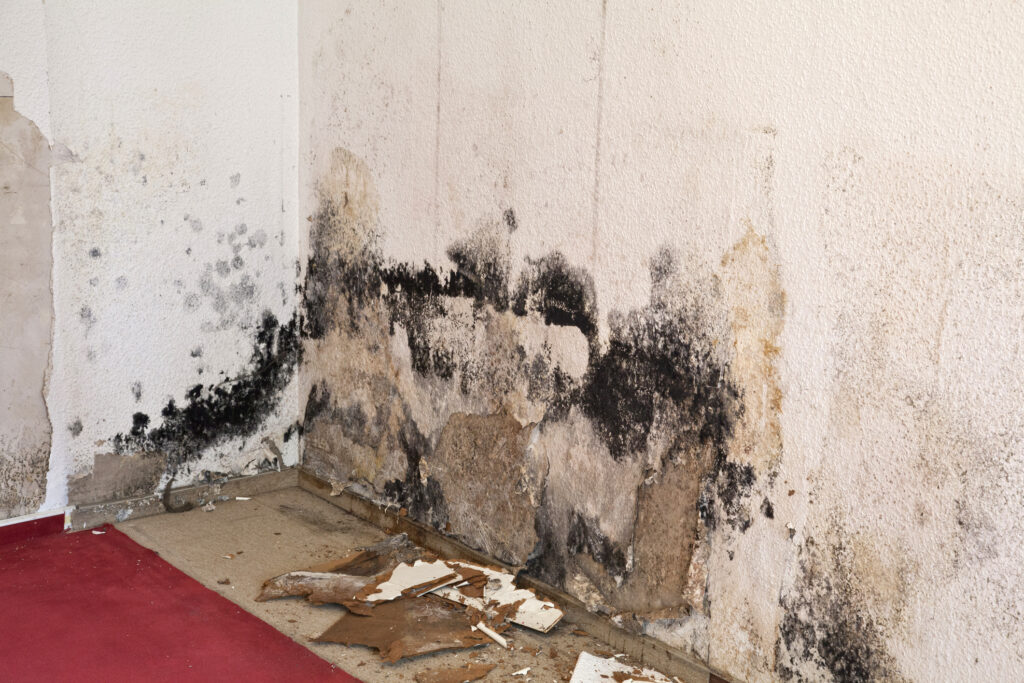
The short answer to the question every Melbourne, Florida homeowner asks after a flood is: yes, flood water absolutely causes mold. In fact, flooding is one of the single most reliable conditions for triggering rapid, widespread mold growth. The combination of large water volume, organic contamination, and the warm humid climate of Brevard County creates almost perfect conditions for mold to take hold quickly and spread aggressively throughout your home.
But knowing the answer is just the beginning. What matters more is understanding why flood water is so dangerous from a mold standpoint, what the timeline looks like in Florida’s climate, which parts of your home are most at risk, and what steps you need to take right now to protect your property and your family.
PuroClean of Melbourne has helped hundreds of Brevard County homeowners recover from flood damage and prevent mold from turning a manageable situation into a months-long remediation project. Here is everything you need to know.
The Direct Answer: Yes, Flood Water Causes Mold, and Faster Than You Think
Mold requires three things to grow: moisture, a surface with organic material to feed on, and warmth. Flood water delivers all three simultaneously and in abundance.
When floodwater enters your home, it saturates drywall, soaks into wood framing, penetrates under flooring, and wicks up into insulation. Every one of those materials contains organic compounds that mold colonies consume as food. The moisture content in a flooded home can remain dangerously elevated for days or even weeks without professional drying equipment, and Melbourne’s average temperatures stay squarely within mold’s optimal growth range throughout most of the year.
According to FEMA and the EPA, mold can begin growing on wet surfaces within 24 to 48 hours under average conditions. In Florida’s climate, that window is even shorter. Homeowners in Melbourne who experience flooding and wait even two to three days before beginning professional water extraction and drying are almost always dealing with active mold colonization by the time help arrives.
Why Flood Water Is More Dangerous for Mold Than a Burst Pipe or Clean Water Leak
Not all water damage carries the same mold risk. In the water damage restoration industry, water is classified into three categories based on contamination level, and flood water almost always falls into the most dangerous category.
Category 1: Clean water. This is water from a broken supply line, a sink overflow, or a refrigerator line failure. It does not carry significant contamination at the point of origin. While it still causes mold if left untreated, the mold risk from clean water is the most manageable of the three categories.
Category 2: Gray water. This is water that carries some level of contamination, such as discharge water from a washing machine, dishwasher overflow, or toilet overflow involving urine but not feces. Gray water introduces biological material that accelerates mold growth and can cause illness.
Category 3: Black water. This is the category that includes floodwater from storms, river overflow, and ground-level intrusion. Floodwater that enters through doors, windows, cracks in your foundation, or during a storm surge is classified as black water. It contains sewage contamination, bacteria, viruses, pesticides, fertilizers, motor oil, and a dense load of organic debris. Every single one of those contaminants is a nutrient source for mold. Black water intrusion dramatically accelerates the mold growth timeline and requires a much higher level of remediation than clean water damage.
This is not a minor distinction. A home flooded with black water that is not professionally remediated within the first 24 to 48 hours is a home that will almost certainly develop significant mold contamination regardless of how much surface-level cleaning the homeowner attempts.
Flooding in Melbourne, Florida: Why This Is a Year-Round Concern
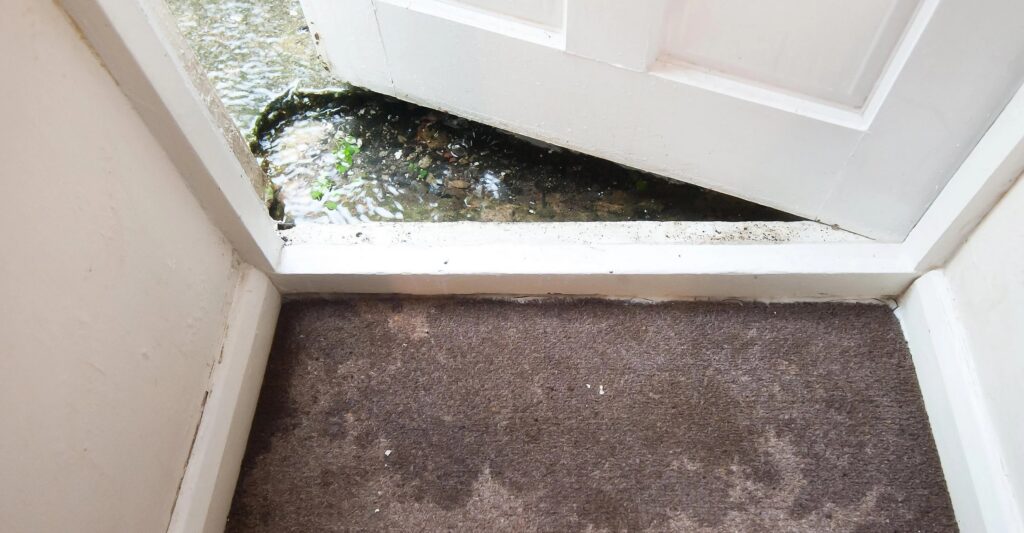
Melbourne and the broader Space Coast region face a range of flooding scenarios that homeowners need to understand. Flood damage here is not an occasional inconvenience. For many properties in Brevard County, it is a recurring risk that requires a proactive response plan.
Tropical storms and hurricanes. Florida’s Atlantic coast sits in one of the most active hurricane corridors in the world. When a significant storm makes landfall near Melbourne or passes offshore close enough to produce surge and wind-driven rain, flooding can be widespread and severe. Even a tropical storm that does not make direct landfall can drop 10 to 15 inches of rain on Brevard County in a matter of hours.
Seasonal afternoon thunderstorms. From May through October, Melbourne experiences nearly daily afternoon thunderstorms that can produce intense rainfall in short periods. Homes with inadequate drainage, aging roof systems, or low-lying yards regularly experience water intrusion during these events even without a named storm.
Storm surge and coastal flooding. Properties near the Indian River Lagoon, the Banana River, and Melbourne’s barrier island communities are particularly vulnerable to storm surge flooding that introduces highly contaminated saltwater and estuary water into homes.
Flash flooding from drainage system overload. Melbourne’s stormwater infrastructure, like most coastal Florida communities, can be overwhelmed during extreme rain events. When drainage systems back up, floodwater can enter homes through ground-level openings even in areas not typically thought of as flood zones.
Any of these scenarios delivers black water contamination into your home’s structural materials, and every one of them starts the mold clock running the moment water makes contact with your floors, walls, and foundation.
Where Mold Develops in a Flooded Home
Flood water does not stay on your floor. It migrates. It wicks upward through porous materials via capillary action, travels through wall cavities by gravity and absorption, and settles into every hidden space where moisture can accumulate. Understanding where mold develops after flooding helps you recognize the full scope of what professional remediation needs to address.
Drywall and wall cavities. Drywall is highly absorbent and one of the first materials to develop mold after flooding. Water wicks up the paper facing and gypsum core, and mold colonies establish themselves on both the visible surface and the hidden interior face of the wall. The wall cavity behind the drywall, typically filled with insulation and framed with wood studs, retains moisture long after the surface appears dry.
Subfloor and floor framing. Water that reaches hard flooring in a flooded home almost always penetrates through seams and grout lines to the subfloor material below. OSB and plywood subfloors absorb moisture rapidly and develop mold on their upper and lower surfaces. Wood floor joists below the subfloor can remain wet for weeks without professional drying, developing mold that spreads across the underside of your floor structure.
Insulation. Fiberglass batt insulation and foam board insulation in walls, floors, and crawl spaces absorb and retain flood water. Once saturated, insulation is virtually impossible to dry in place and almost always requires removal. Wet insulation is an ideal mold growth environment because it holds moisture against the structural framing it surrounds.
Crawl spaces and slab perimeters. Homes in Melbourne built on crawl spaces are particularly vulnerable. Floodwater that enters a crawl space can sit for extended periods, saturating the wood framing, vapor barriers, and soil. Mold growth in crawl spaces can migrate upward into living areas through gaps around plumbing penetrations and HVAC ductwork.
HVAC systems and ductwork. If your air handler or any portion of your duct system was submerged or exposed to flood water, the interior surfaces of those components are now a mold risk. Running your HVAC system after a flood without having it professionally inspected and cleaned can spread mold spores from the contaminated system throughout every room in your home.
Personal belongings and soft furnishings. Carpets, rugs, upholstered furniture, mattresses, clothing, books, and cardboard boxes that contacted flood water are all mold risks. These items can develop visible mold within 24 to 48 hours and should be removed from the home as quickly as possible.
The Contamination Problem: Why Flood Mold Is a Health Emergency, Not Just a Cleanup Task
Mold that grows after flooding is not the same risk profile as mold that grows after a clean water leak. The organic contaminants carried in black water flood intrusion create conditions where multiple mold species can colonize simultaneously, some of them producing toxins that pose serious health risks even at relatively low exposure levels.
Post-flood mold commonly includes species such as Aspergillus, Penicillium, Cladosporium, and in cases where remediation is delayed, Stachybotrys chartarum. These species vary in their toxin production and health effects, but all of them can cause respiratory irritation, allergic reactions, and worsening of existing conditions like asthma in people living in affected homes.
The contamination issue goes beyond mold alone. Flood water that enters a home from the outside carries bacteria and pathogens that deposit on every surface it contacts. When mold begins growing on those contaminated surfaces, the result is a complex biological hazard that requires professional remediation protocols, not household cleaning products.
For families with young children, elderly residents, or anyone with a respiratory condition or compromised immune system, a flooded home that has not been properly remediated is not a safe place to live. This is one of the most important reasons to contact a professional restoration company immediately after a flooding event, before mold growth begins.
What to Do Immediately After Flooding to Prevent Mold
The window for preventing mold after a flood is narrow. These are the steps that make the biggest difference in that critical first period.
Ensure the Home Is Safe to Enter
Before re-entering a flooded home, confirm that the electrical system has been shut off and inspected by a licensed electrician if any flooding reached outlets, appliances, or your electrical panel. Contact your utility company if there is any doubt about whether power to the property is safely disconnected. Do not enter a flooded home where standing water may be in contact with any electrical source.
Document Everything Before Moving Anything
Photograph and video every affected room, every damaged material, and the waterline on all walls before any cleanup begins. This documentation is essential for your flood insurance claim and your homeowner’s insurance claim. The more detailed your pre-cleanup documentation, the stronger your position with adjusters.
Remove Standing Water as Quickly as Possible
Use a wet/dry shop vacuum, a sump pump, or any extraction tool available to begin removing standing water immediately. Every inch of water depth remaining in your home is extending the saturation of your structural materials and moving you closer to the point where mold colonization becomes inevitable. Do not wait for professional help to begin this step if you can do it safely.
Remove Wet Contents From the Home
Carpets, rugs, furniture, mattresses, clothing, and any other porous items that contacted flood water should be removed from the home immediately. These items are both mold risks themselves and sources of ongoing moisture evaporation that keeps the indoor humidity in your home elevated. Photograph items before removing them for insurance documentation purposes.
Ventilate the Home
Open windows and doors to increase airflow through the affected areas if outdoor conditions allow. In Melbourne’s summer months, outdoor humidity may be too high for this to be beneficial, but in cooler or drier conditions, ventilation can meaningfully accelerate surface drying. Do not run your HVAC system until it has been inspected if it was exposed to flood water.
Call a Professional Water Damage and Mold Remediation Company
This is the step that determines whether your flood recovery goes smoothly or spirals into a multi-month remediation project. Professional restoration companies bring the equipment and expertise that household efforts cannot replicate: industrial extraction systems, commercial drying equipment, thermal imaging to find hidden moisture, and antimicrobial treatments that address the contamination that flood water leaves behind.
PuroClean of Melbourne responds to flood damage calls 24 hours a day, 7 days a week. When you call us at (321) 378-2400, a real person answers every time, and our team can typically be on-site in Melbourne and throughout Brevard County within hours.
Common Mistakes That Make Flood Mold Worse
After a flooding event, homeowners often make well-intentioned decisions that actually worsen the mold outcome. These are the most common mistakes we see at PuroClean of Melbourne:
- Waiting to see if things dry on their own. Flood-saturated structural materials do not dry on their own at a rate fast enough to prevent mold. Without professional drying equipment, moisture remains elevated in wall cavities and subfloors for weeks. Mold does not wait weeks to establish itself.
- Running the HVAC system before it has been inspected. If any part of your HVAC system was exposed to flood water, running it before inspection can spread mold spores and bacteria throughout your entire home via the ductwork.
- Cleaning visible mold with bleach and considering it handled. Bleach does not penetrate porous materials. It removes the color of surface mold on drywall, wood, and grout but leaves the mold’s root structure, called hyphae, alive inside the material. The mold will return.
- Leaving wet drywall in place. Drywall that has been submerged in black water flood intrusion is almost never salvageable. Leaving it in place while attempting to dry the room around it extends the mold growth window and can create the false impression that drying is progressing when contaminated material remains inside the walls.
- Delaying the insurance call. Flood insurance claims through the National Flood Insurance Program and homeowner’s insurance claims for storm-related water intrusion both have reporting windows. Delaying the call can limit your coverage options and affect what remediation costs the policy will cover.
How PuroClean of Melbourne Handles Flood Damage and Mold Prevention
When our team arrives at a flood-damaged home in Melbourne or anywhere in Brevard County, we follow a structured process designed to stop mold growth before it starts and eliminate any colonization that has already begun.
Emergency water extraction. Truck-mounted and portable extraction systems remove standing water and begin pulling moisture from saturated flooring and lower wall materials immediately upon arrival. The faster extraction begins, the more structural material can be saved.
Full moisture mapping with thermal imaging. Infrared cameras reveal moisture hidden in wall cavities, subfloor assemblies, and ceiling spaces that no surface inspection can detect. We document every wet area in the home so that nothing is left behind to become a mold source after we complete our work.
Controlled demolition of non-salvageable materials. Flood-saturated drywall, insulation, carpet, and flooring that cannot be effectively dried or decontaminated is removed. This step is essential. Leaving contaminated material in place prevents proper drying and guarantees future mold problems.
Structural drying with commercial equipment. Industrial air movers and low-grain refrigerant dehumidifiers create the precise drying conditions needed to bring structural materials back to safe moisture levels. We monitor daily with calibrated meters until every area of the home reads within acceptable limits.
Antimicrobial and antifungal treatment. All affected structural surfaces are treated with professional-grade antimicrobial solutions that address the bacteria and fungi introduced by black water flood intrusion. This treatment provides ongoing protection against mold re-colonization as the drying process continues.
Insurance documentation support. We document every phase of the process with photos, moisture readings, and written scope of work that insurance adjusters need to process your claim. Our team has extensive experience working with flood insurance adjusters and homeowner’s insurance companies throughout Florida.
Flood Insurance vs. Homeowner’s Insurance: What Covers Flood Mold in Melbourne?
This is one of the most important and most misunderstood topics in post-flood recovery, and getting it wrong can cost Melbourne homeowners thousands of dollars.
Standard homeowner’s insurance policies in Florida do not cover flooding from external water sources. If a storm causes water to enter your home from the ground up, overflow from a body of water, or street-level runoff, that is classified as flood damage and requires separate flood insurance coverage, typically through the National Flood Insurance Program.
Mold that results from flood damage is generally covered under your flood insurance policy when it is a direct consequence of the insured flood event and when you can demonstrate that you took reasonable steps to address the water damage promptly. This is why professional documentation and rapid response matter so much for insurance purposes, not just for the physical condition of your home.
Homeowner’s insurance may cover water and mold damage when the source is an internal sudden event like a burst pipe or appliance failure, even if the damage is extensive. It typically does not cover gradual leaks, neglect, or external flooding without a separate flood policy in place.
If you are unsure what your coverage includes, call your insurance agent before the next storm season. Many Melbourne homeowners discover their coverage gap for the first time in the middle of a flooding event, which is the worst possible time to learn that information.
Long-Term Mold Risk After Flooding: When Problems Return Months Later
One of the patterns our team at PuroClean of Melbourne sees regularly is homeowners who handled their own post-flood cleanup and then call us four to six months later when mold becomes visible or a persistent musty odor develops that they cannot locate or eliminate.
This delayed mold appearance is not random. It is the predictable result of incomplete drying during the initial cleanup. When moisture is left inside wall cavities, under flooring, or in attic spaces after a flood, that residual moisture sustains slow mold growth over weeks and months. The colony eventually grows large enough to become visible, produce detectable odors, or degrade air quality enough that residents begin experiencing symptoms.
By the time delayed mold becomes obvious, it is typically far more extensive than it would have been had professional remediation addressed the moisture thoroughly in the first 48 hours. What might have been a straightforward drying and treatment job in the first two days can become a significant demolition and reconstruction project six months later.
The cost difference between these two scenarios is dramatic. The disruption to your household is also dramatically greater. This is the single most compelling argument for professional flood response: what you invest in proper remediation immediately after a flooding event is almost always a fraction of what you will spend correcting inadequate cleanup later.
Preparing Your Melbourne Home to Reduce Flood and Mold Risk
While no Melbourne homeowner can fully eliminate the risk of flooding given our geography and climate, there are meaningful steps you can take to reduce both your flood exposure and the speed at which flood water can cause mold damage.
- Know your flood zone designation. FEMA flood maps are available at msc.fema.gov and show the flood risk designation for every property in Brevard County. If you are in a high-risk zone, flood insurance is not optional. It is essential.
- Install flood vents or elevate critical systems. Flood vents in crawl space foundations allow water to flow through rather than accumulate. Elevating your electrical panel, HVAC equipment, and water heater above the base flood elevation for your zone reduces the risk of those systems being damaged and contaminating floodwater further.
- Maintain your roof and exterior envelope. A large percentage of the water intrusion calls we respond to in Melbourne involve roof damage. Annual roof inspections before hurricane season and prompt repair of any damage significantly reduce your vulnerability to storm-related water intrusion.
- Grade your landscaping away from the foundation. The ground around your home should slope away from the foundation at a rate of at least six inches over the first ten feet. Improper grading is a common cause of groundwater intrusion during heavy rain events.
- Have a restoration company’s number saved before you need it. The worst time to research restoration companies is when you are standing in three inches of water at midnight during a storm. Save PuroClean of Melbourne’s number now so that when a flood event occurs, you can make one call and get help moving immediately.
Flood Water and Mold Do Not Wait. Call PuroClean of Melbourne Now.
If your Melbourne home has experienced flooding from any source, whether it was a tropical storm, a drainage backup, a storm surge event, or heavy rain intrusion, the mold clock is already running. The single most important thing you can do right now is get professional water extraction and drying started as quickly as possible.
PuroClean of Melbourne provides 24-hour emergency flood damage response and mold remediation throughout Melbourne, Palm Bay, Viera, Rockledge, Cocoa Beach, Satellite Beach, and all of Brevard County. We are locally owned, IICRC-certified, and have the equipment and expertise to protect your home from the mold that flood water always brings with it.
One call puts our full response team in motion. Do not wait until mold is visible. Call us now.
Call PuroClean of Melbourne 24/7 at (321) 378-2400
Email: [email protected]
Address: 739 North Dr, Melbourne, FL 32934
Website: puroclean.com/melbourne-fl-puroclean-melbourne
Serving Melbourne, Palm Bay, Viera, Rockledge, Cocoa Beach, Satellite Beach, and all of Brevard County, Florida.
PuroClean of Melbourne provides fire, water, and mold remediation services including flood damage restoration, mold removal, structural drying, water extraction, carpet restoration, and biohazard cleaning throughout Brevard County, Florida.
Connect With Us on Social Media!
Instagram | Facebook | Direction | Check Reviews | Yelp | Linkedin | Youtube | Twitter | BBB