


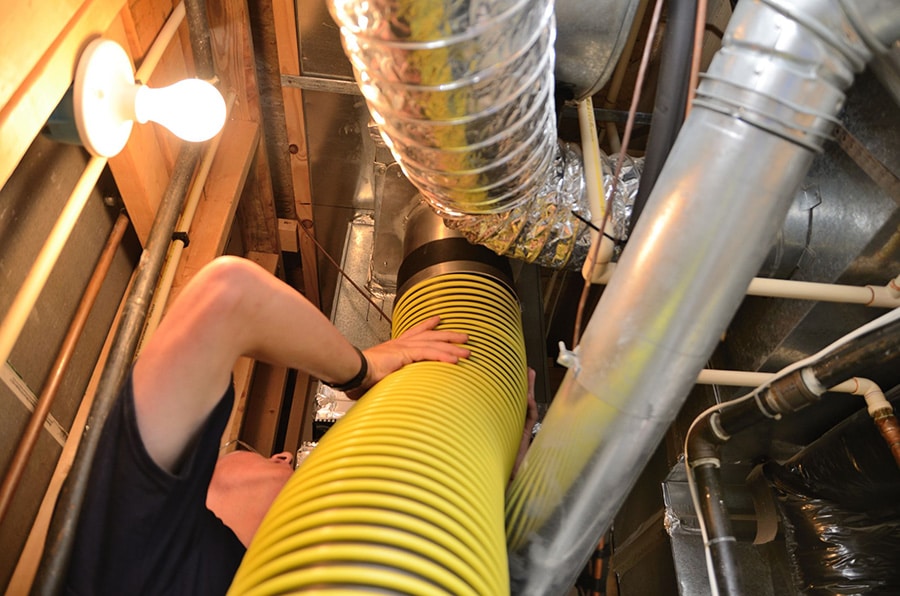
After a fire, most people focus on the obvious: charred walls, ruined furniture, and the smoky smell that clings to everything. But there is a part of your home that quietly absorbs smoke damage and then keeps spreading it long after the flames are out. That part is your air duct system.
If you have recently experienced a fire, or even smoke from a neighboring unit, a nearby wildfire, or a severe kitchen incident, your HVAC system may be silently circulating harmful residue throughout your home every time it runs. And most homeowners never even think to check.
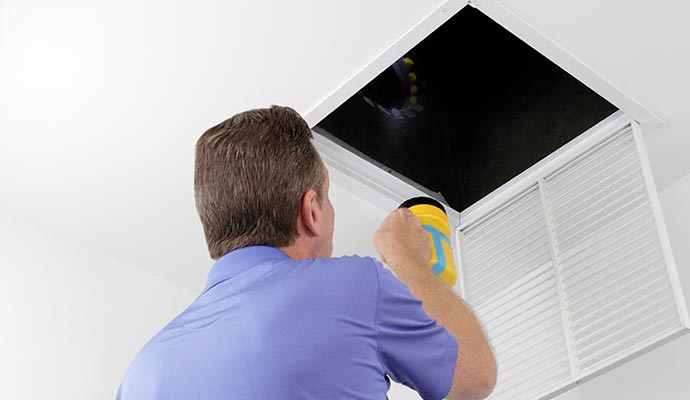
At PuroClean of Melbourne, we work with homeowners across Melbourne, Florida who are dealing with the aftermath of fire and smoke damage. One of the most common questions we hear is: does smoke damage actually stay in air ducts? The short answer is yes, and the long answer is what this post is all about.
How Smoke Gets Into Your Air Ducts in the First Place
To understand why smoke damage persists in ductwork, you first need to understand how it gets there. Smoke is not just visible particles. It is a complex mixture of gases, soot, volatile organic compounds (VOCs), carbon monoxide, and microscopic particulates that travel easily through air.
When a fire occurs anywhere inside or near your home, the HVAC system can act like a vacuum. If the system is running during or immediately after a fire event, it actively pulls smoke-laden air through the return vents and distributes residue across every inch of ductwork. Even if the system is off, smoke particles naturally migrate into the ducts through return air vents, gaps in duct connections, and other openings.
Once inside, those particles do not simply float back out. They coat the interior walls of the ducts, settle into insulation, adhere to the blower fan and coils, and get trapped in the air filter. The result is a system that has essentially become a storage unit for smoke damage.
What Exactly Stays Behind After Smoke Exposure
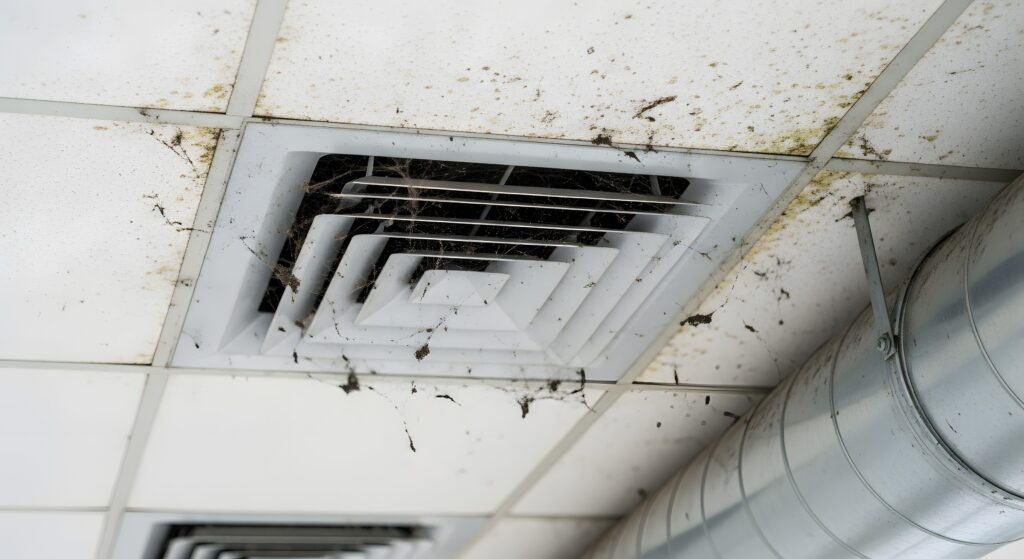
This is where most people are surprised. The residue left behind in air ducts after smoke exposure is not just a cosmetic issue. Here is what actually lingers:
Soot Particles
Soot is the fine black or gray powder produced by incomplete combustion. It sticks to duct walls and insulation, and when the HVAC system cycles on, it can break loose and get pushed into your living spaces. Inhaling soot particles is a known health risk, particularly for children, the elderly, and anyone with asthma or respiratory conditions.
Volatile Organic Compounds (VOCs)
Smoke carries a range of VOCs including formaldehyde, benzene, and acrolein. These invisible gases can embed themselves in the metal surfaces, insulation, and dust buildup inside your ducts. VOCs are associated with a wide range of health effects, from headaches and eye irritation to long-term respiratory damage.
Odor-Causing Compounds
The persistent smell of smoke after a fire is often traced back to the duct system. Odor molecules bind to dust and debris inside the ducts and get released every time the air handler turns on. Standard air fresheners and surface cleaning will not eliminate this source. Until the ducts are cleaned, the smell keeps coming back.
Ash and Debris
Larger particles from ash and charred material can also find their way into ductwork, particularly during or after the cleanup process when disturbed materials become airborne. This debris adds to the contamination load and can clog filters faster than normal.
The Hidden Danger: Why Running Your HVAC Makes It Worse
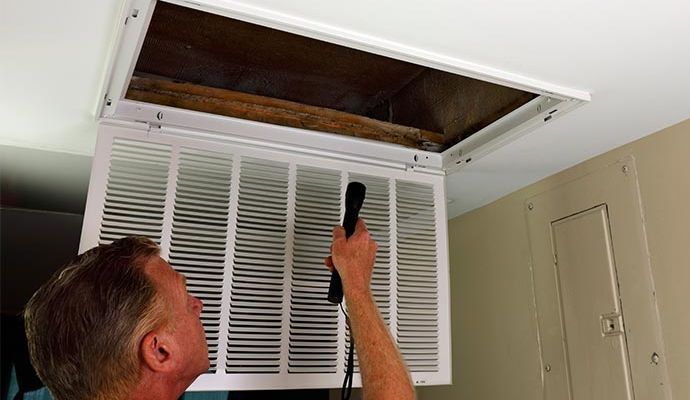
One of the biggest mistakes homeowners make after a fire is turning their HVAC system back on too quickly. It feels like common sense to ventilate the home and get fresh air flowing, but if the duct system is contaminated, running the HVAC actually distributes smoke damage more widely throughout every room.
Think of it this way: your duct system connects every room in your home. If smoke residue is sitting inside those ducts, every time the blower runs, it picks up particles from the contaminated surfaces and delivers them directly into your bedrooms, kitchen, bathrooms, and living spaces. You could clean every visible surface in your home and still be breathing in smoke residue because the source is hidden inside your walls.
The recommendation from fire restoration professionals is clear: do not operate your HVAC system after a fire event until a qualified inspector or restoration company has evaluated the ductwork.
Signs Your Air Ducts Have Smoke Damage
Not every homeowner realizes their air ducts have been affected by smoke. Here are the signs to watch for:
- A persistent smoke or burned smell coming from vents, even after surface cleaning is complete
- Visible soot or dark residue around vent covers or inside visible duct openings
- Family members experiencing unexplained headaches, coughing, eye irritation, or respiratory symptoms after returning home
- Air filters that turn gray or black much faster than usual
- A general sense that the indoor air quality is poor even with windows open
If you are noticing any of these signs, it is important not to delay. The longer smoke residue remains in your duct system, the more embedded it becomes, and the more complex the remediation process.
What Most People Miss: The HVAC Components Beyond the Ducts
When homeowners think about smoke in their air system, they picture the metal ducts running through the walls and attic. But the contamination does not stop there. Several other components of your HVAC system can be heavily affected and are often overlooked:
The Air Handler and Blower Fan
Smoke particles accumulate on the blower fan blades and inside the air handler cabinet. When the system runs, these coated components release particles back into the airstream. Cleaning just the ducts without addressing the air handler is like mopping a floor while the ceiling is still dripping.
The Evaporator Coil
The evaporator coil sits inside the air handler and is responsible for cooling the air. Because it is cool and slightly damp, smoke particles and VOCs adhere to it easily. A contaminated coil will continuously off-gas odors and particles into your conditioned air.
Duct Insulation
Many duct systems use fiberglass insulation either inside the ducts (duct board) or wrapped around the exterior. Smoke particles and VOCs penetrate insulation deeply. Unlike metal surfaces that can be wiped clean, contaminated insulation often needs to be replaced entirely.
The Air Filter
Your existing air filter may be capturing a significant amount of smoke residue, but it can also become a source of contamination itself once saturated. Filters should be removed and replaced immediately after any smoke event, and new filters should be monitored closely during the restoration process.
Can You Clean Air Ducts Yourself After a Fire?
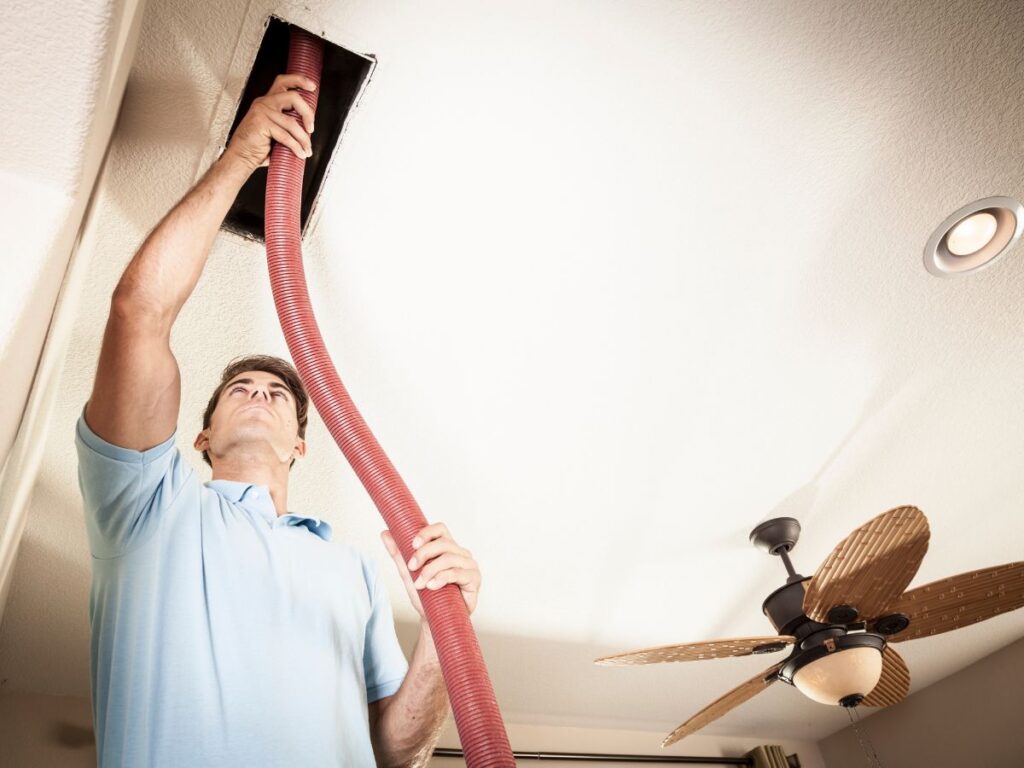
After a fire or significant smoke event, the honest answer is no, not effectively. DIY duct cleaning approaches, including renting a shop vac or using store-bought duct cleaning sprays, are not equipped to handle smoke contamination at the level needed for health and safety.
Professional smoke damage restoration for air ducts involves several steps that require specialized equipment and training:
- High-powered truck-mounted or portable vacuums that create negative pressure inside the duct system to capture dislodged particles without releasing them into the home
- Rotary brush systems and agitation tools designed to break loose soot and debris adhered to duct walls
- Application of EPA-registered antimicrobial and deodorizing treatments to neutralize VOCs and odor compounds
- Inspection and cleaning or replacement of the air handler, blower motor, and evaporator coil
- Post-cleaning air quality testing to verify that contamination levels have been reduced to acceptable thresholds
Attempting to handle this process without professional help often results in incomplete decontamination, meaning your family continues to be exposed to smoke residue without realizing it.
How Long Does Smoke Damage Last in Air Ducts if Left Untreated?
This is one of the most important questions homeowners ask, and the answer is sobering: smoke damage in air ducts can persist for years if left untreated.
The compounds embedded in duct insulation, metal surfaces, and the blower components do not simply break down or dissipate on their own. In Florida’s humid climate, the situation can actually get worse over time. Moisture interacts with soot and ash residue to create acidic compounds that can corrode metal ductwork from the inside. High humidity also creates conditions where mold can grow on smoke-contaminated organic material inside ducts, adding a secondary contamination problem on top of the original smoke damage.
The longer remediation is delayed, the more invasive and costly the process becomes. What could have been addressed with a thorough cleaning early on may require full duct replacement months or years later.
The Health Risks of Ignoring Smoke-Contaminated Air Ducts
Beyond the structural concerns, the health implications of untreated smoke damage in air ducts are significant and well-documented. Repeated exposure to smoke residue, even at low levels, can cause or worsen:
- Asthma and other respiratory conditions
- Chronic bronchitis and persistent cough
- Eye, nose, and throat irritation
- Headaches and cognitive difficulties
- Increased risk of cardiovascular problems with prolonged exposure
- Heightened cancer risk from long-term exposure to carcinogens found in smoke residue
Children and elderly family members are at particular risk, as are individuals with pre-existing health conditions. If anyone in your household has been experiencing unexplained symptoms since a fire event, contaminated air ducts should be considered a possible cause.
Why Melbourne, Florida Homeowners Face Unique Challenges
Living in Melbourne, Florida comes with specific environmental factors that make smoke damage in air ducts a more serious concern than in drier climates.
The high humidity levels common throughout Brevard County mean that any organic material inside your duct system, including smoke residue, ash, and soot, creates an ideal environment for mold growth. A home that has experienced a fire or significant smoke event and then sits with an untreated HVAC system during Florida’s rainy season is at serious risk for a combined smoke and mold remediation problem.
Additionally, the coastal air common in Melbourne means higher levels of ambient moisture and salt air that can interact with smoke residue inside ductwork, accelerating corrosion and degradation. Acting quickly is not just about comfort in this region. It is about protecting your home from compounding damage.
What the Restoration Process Looks Like with PuroClean of Melbourne
When you contact PuroClean of Melbourne after a fire or smoke event, our team responds quickly to assess the full scope of damage, including your HVAC and duct system. Here is what you can expect from our process:
- Initial inspection and air quality assessment to determine the extent of smoke contamination in your duct system
- Containment setup to prevent cross-contamination during the cleaning process
- Professional duct cleaning using negative pressure extraction and mechanical agitation
- Air handler, blower, and coil cleaning or replacement recommendations
- Application of odor neutralizers and antimicrobial treatments as needed
- Final air quality verification before signing off on the remediation
- Coordination with your insurance company to document the damage and support your claim
We understand that dealing with fire damage is overwhelming. Our goal is to take the complexity off your plate, provide clear guidance at every step, and restore your home to a safe and healthy condition as efficiently as possible.
Frequently Asked Questions About Smoke Damage in Air Ducts
How soon after a fire should I have my air ducts inspected?
As soon as safely possible. Do not wait for the smell to go away on its own. The sooner a restoration professional evaluates your duct system, the better the outcome. Ideally, reach out within 24 to 48 hours of the fire event.
Does my homeowner’s insurance cover smoke damage to air ducts?
In most cases, yes. Smoke damage to HVAC systems and ductwork is typically covered under standard homeowner’s insurance policies when it results from a covered fire event. Documentation from a licensed restoration contractor like PuroClean of Melbourne is key to supporting your claim.
Is a small kitchen fire enough to contaminate my ducts?
Yes, it can be. Even a contained cooking fire that produces significant smoke can deposit residue in the HVAC system if the unit was running. If you had a smoky kitchen incident that circulated through the house, an inspection is worth scheduling.
Can a new air filter fix the problem?
No. Replacing the air filter is an important step, but it only addresses one small part of the system. The duct walls, air handler components, and insulation all need to be professionally addressed for complete remediation.
Call PuroClean of Melbourne for Expert Smoke Damage Restoration
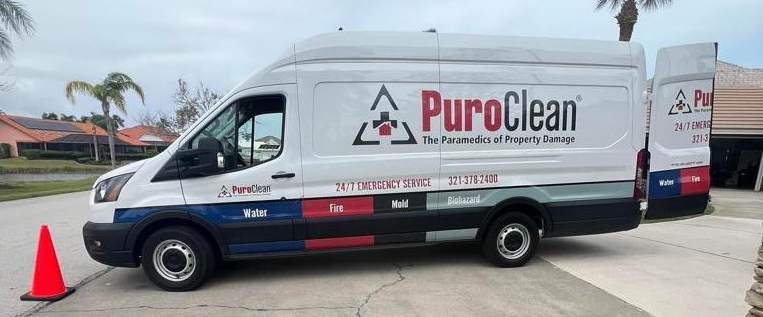
If your home has been affected by fire or smoke, do not let hidden damage in your air ducts put your family’s health at risk. PuroClean of Melbourne is available 24 hours a day, 7 days a week to respond to smoke and fire damage emergencies across Melbourne and the surrounding Brevard County communities.
Our trained technicians bring the equipment, experience, and care needed to restore your home thoroughly and correctly. We work directly with insurance companies and prioritize getting your life back to normal as quickly as possible.
Contact us today: call (321) 378-2400 or email [email protected] to schedule your inspection. You can also learn more about our services at puroclean.com/melbourne-fl-puroclean-melbourne.
PuroClean of Melbourne
739 North Dr, Melbourne, FL 32934
Open 24 Hours
Serving Melbourne, Palm Bay, Viera, Rockledge, Cocoa Beach, and all of Brevard County, Florida.
Connect With Us on Social Media!
Instagram | Facebook | Direction | Check Reviews | Yelp