


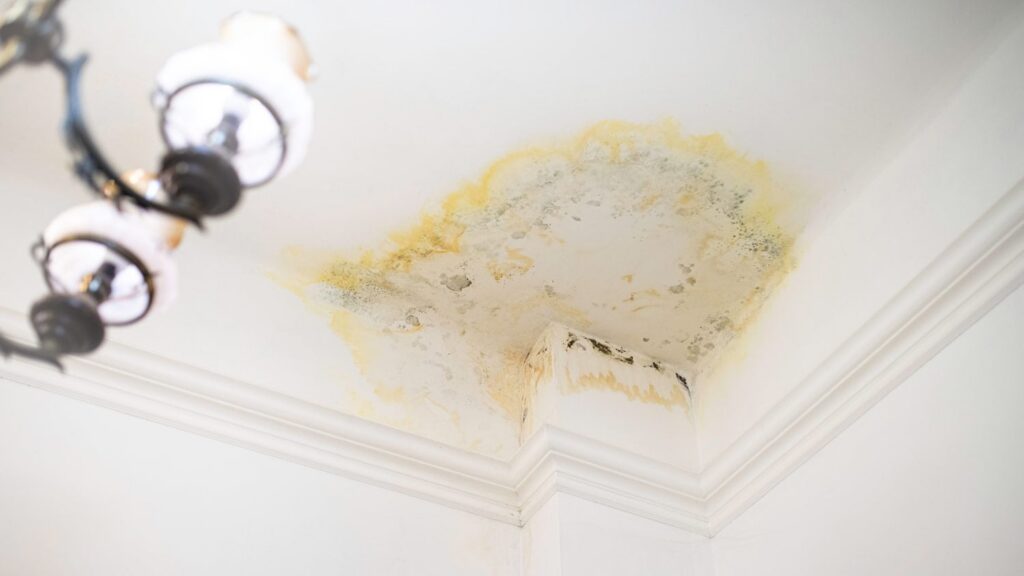
If your home in Melbourne, Florida has recently experienced water damage from a burst pipe, a roof leak, a flooding event, or an appliance failure, you may be wondering how much time you have before mold becomes a problem. The answer is less time than most homeowners realize, and in Florida’s climate, it is even less time than the national averages suggest.
Florida consistently ranks among the most mold-prone states in the country. The combination of year-round heat, high relative humidity, and the frequency of water intrusion events creates conditions where mold does not just grow, it thrives. For homeowners in Melbourne and throughout Brevard County, understanding the mold growth timeline is not just interesting information. It is knowledge that can protect your home’s structure, your air quality, and the health of everyone living inside.
At PuroClean of Melbourne, we respond to mold-related calls every week from homeowners who thought they had more time. This guide explains exactly how fast mold develops after water damage, why Florida accelerates that process, what the warning signs look like at each stage, and what you need to do to stop it.
The 24-Hour Rule: Why Mold Does Not Wait
The most important number to understand about mold is 24. Under the right conditions, mold spores can begin to germinate and take hold on wet surfaces within 24 to 48 hours of water exposure. In Florida, those right conditions are present virtually every day of the year.
Mold spores are everywhere. They float through the air inside and outside every home, completely invisible and harmless in small concentrations. The problem is not the spores themselves. The problem is what happens when those spores land on a wet surface in a warm environment with organic material to feed on. At that point, germination begins.
Within the first 24 hours, spores that have landed on wet drywall, wood framing, carpet backing, or insulation begin absorbing moisture and activating. You cannot see anything at this stage. There is no visible growth, no odor, and no indication that anything is happening. But biologically, the colonization process has already started.
This invisible first phase is exactly why so many homeowners underestimate the urgency of water damage cleanup. The absence of visible mold does not mean mold is absent.
The Mold Growth Timeline: What Happens Hour by Hour
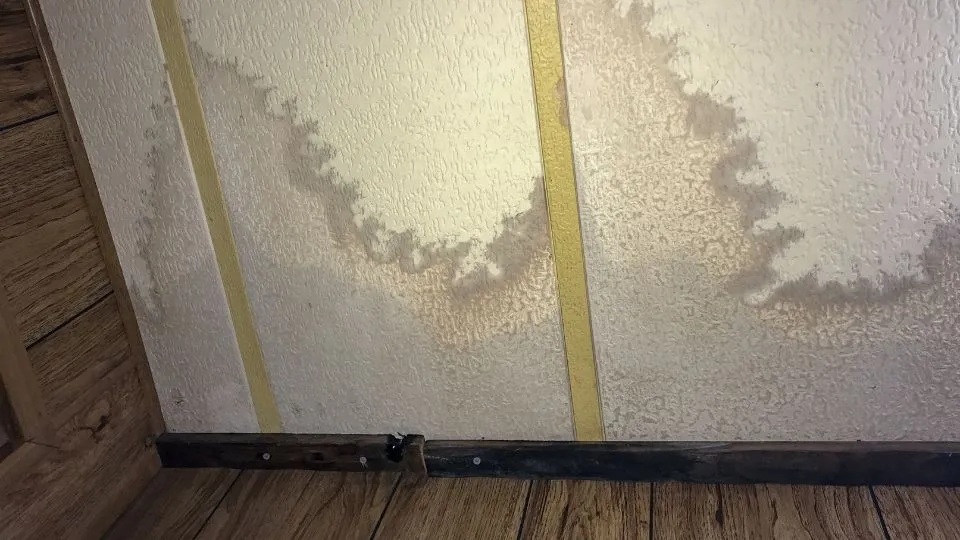
Understanding how mold progresses gives you a clearer picture of why professional response time matters so much.
0 to 12 hours: Spore activation. Water contacts porous building materials. Mold spores present on those surfaces begin absorbing moisture. No visible growth occurs, but the biological process has begun. The clock is running.
12 to 24 hours: Germination begins. Spores begin putting out tiny hyphal threads, the root-like structures that anchor mold colonies to surfaces. Still invisible to the naked eye. In Florida’s heat and humidity, this phase can happen at the lower end of the time range.
24 to 48 hours: Colonies form. The first micro-colonies are established. Mold is now feeding on the organic material in drywall paper, wood cellulose, carpet fibers, and other building components. A faint musty odor may begin to develop. Surfaces may begin to look slightly discolored but the growth is still small enough to be dismissed or overlooked.
48 to 72 hours: Visible growth emerges. By the third day after water damage, mold colonies become visible as fuzzy patches, dark spots, or white powdery areas on affected surfaces. The musty smell becomes noticeably stronger. At this stage, affected materials are beginning to sustain structural damage and the remediation process becomes significantly more involved.
3 to 7 days: Rapid colonization. Established colonies spread aggressively across wet and even damp surfaces. Mold spreads not just across visible surfaces but into wall cavities, behind baseboards, and under flooring. Spore counts in the affected area increase dramatically, degrading indoor air quality.
1 to 2 weeks and beyond: Structural compromise. Extended mold growth begins to digest the structural integrity of materials. Drywall weakens and crumbles. Wood framing develops rot. At this stage, mold remediation is no longer just about surface treatment. Affected materials often require full removal and replacement, dramatically increasing the scope and cost of the project.
Why Florida Accelerates Mold Growth Faster Than Other States
The national guideline that mold begins growing within 24 to 48 hours is based on average conditions. In Florida, and specifically in the Melbourne area, conditions are rarely average. They are almost always more favorable to mold than the baseline assumes.
Here is why Florida homes are uniquely vulnerable:
Year-round warmth. Mold grows most aggressively between 77 and 86 degrees Fahrenheit. Melbourne’s average temperature stays comfortably within that range for the majority of the year. Cold winters that slow or stop mold growth in northern states are simply not a factor here.
Persistent high humidity. Brevard County’s average relative humidity frequently hovers between 70 and 90 percent. Mold requires a relative humidity above 60 percent to grow well. Melbourne’s outdoor air almost always meets that threshold, and when water damage occurs indoors, interior humidity spikes dramatically.
Construction materials common in Florida homes. Drywall with paper facing, OSB sheathing, and fiberglass insulation batts are all highly absorbent materials that mold feeds on readily. Many older Melbourne homes also have untreated wood framing that soaks up moisture quickly.
Air conditioning creates hidden condensation zones. Florida homes run air conditioning year-round. When warm, humid outdoor air enters a water-damaged home or when AC systems introduce cool air into spaces with elevated moisture, condensation forms on surfaces inside walls and ceilings. This hidden moisture feeds mold in areas you cannot see or easily access.
Frequent water intrusion events. Melbourne averages over 50 inches of rain per year, ranks in one of the most active hurricane zones in the continental United States, and sees frequent afternoon thunderstorms throughout the summer. Water intrusion events are not rare occurrences here. They are a regular part of owning property on the Space Coast.
Where Mold Hides After Water Damage in Your Melbourne Home
One of the most dangerous myths about mold is that if you cannot see it, it is not there. In reality, some of the most damaging mold growth after water damage occurs in places that are completely out of sight.
After water damage, mold commonly develops in the following hidden areas:
- Inside wall cavities. Water that enters through a burst pipe, roof leak, or window seal failure soaks into drywall and travels down wall cavities by gravity. The paper facing on drywall and the wood studs behind it become colonized while the surface of the wall still looks dry.
- Under flooring and subfloor. Water that reaches hard flooring seeps through grout lines, gaps, and transitions into the subfloor below. Carpet soaks through to the padding and subfloor almost immediately. Mold in these spaces is invisible from above but can cause significant structural deterioration.
- In ceiling cavities. Roof leaks and plumbing leaks from upper floors saturate ceiling drywall and the structural materials above it. Attic spaces in Florida homes are particularly prone to mold after roof damage because attic temperatures can climb past 140 degrees in summer, creating extreme humidity when combined with moisture.
- Behind cabinets and vanities. Kitchen and bathroom cabinetry often sits flush against walls with no ventilation gap. Water from plumbing leaks or appliance failures pools behind these fixtures and mold develops rapidly in the dark, enclosed space.
- In HVAC systems. Air handlers, ductwork, and drain pans are prime locations for mold colonization in Florida. When moisture from water damage elevates indoor humidity and that humid air is drawn through an HVAC system, the system can spread mold spores throughout the entire home.
Warning Signs That Mold Is Already Growing in Your Home
Even when mold is not visible, it often produces signs that something is wrong. If you have had water damage recently and notice any of the following, do not wait. The mold clock has been running.
A musty or earthy odor. Mold produces volatile organic compounds called MVOCs as it metabolizes organic material. These compounds create the distinctive musty smell associated with mold. If a room or area of your home smells musty after water damage, mold is almost certainly present even if you cannot see it.
Discoloration on walls, ceilings, or floors. Dark spots, gray patches, fuzzy growth, or unusual staining on any surface that experienced water contact should be treated as probable mold. Black, green, brown, and white are all common mold colors.
Bubbling, peeling, or warping paint or wallpaper. When moisture accumulates behind painted drywall, it causes paint to bubble and peel. Wallpaper may buckle or pull away from the wall. These are signs of moisture behind the surface, which means mold conditions are active.
Soft or spongy drywall. Healthy drywall is firm. If pressing on a wall with your finger leaves an indentation or the surface feels spongy, the drywall has absorbed significant moisture and mold is likely already growing on the paper facing and inside the wall cavity.
Unexplained respiratory symptoms or allergic reactions. Mold exposure commonly triggers sneezing, coughing, itchy eyes, throat irritation, and worsened asthma symptoms. If household members are experiencing these symptoms without an obvious cause, hidden mold should be considered, especially following any recent water damage event.
The Health Risks of Mold in Melbourne, FL Homes
Mold is not just a structural problem. It is a health hazard, and for certain populations in your household, it can be a serious one.
Common mold species found in Florida homes after water damage include Cladosporium, Penicillium, Aspergillus, and in some cases Stachybotrys chartarum, commonly referred to as black mold. All of these can cause health problems with sufficient exposure, and Stachybotrys in particular produces mycotoxins that have been linked to more serious respiratory and neurological symptoms.
The populations most at risk from mold exposure include:
- Children, whose developing immune and respiratory systems are more sensitive to environmental toxins
- Elderly individuals with reduced immune function
- People with asthma, allergies, or chronic respiratory conditions
- Immunocompromised individuals, including those undergoing chemotherapy or living with autoimmune conditions
Melbourne’s active retiree population and the area’s many families with young children make mold remediation not just a property issue but a genuine public health concern. When we respond to mold calls at PuroClean of Melbourne, we treat every job with that level of urgency.
What You Can Do and What You Should Leave to Professionals
There are meaningful steps homeowners can take after water damage to reduce the likelihood of mold growth. There are also actions that homeowners commonly take that make the situation worse or create additional safety risks.
What You Can Do
- Act immediately. The most powerful mold prevention tool available to any homeowner is speed. Every hour of delay narrows your window to prevent colonization.
- Remove standing water. Use a wet/dry vacuum, mop, or towels to extract as much water as possible from hard surfaces as quickly as you can.
- Remove wet materials that cannot be dried quickly. Rugs, carpet, upholstered furniture, and cardboard boxes that have absorbed water should be removed from the affected area immediately. Wet organic materials are prime mold food.
- Increase ventilation and air circulation. Run fans to keep air moving. If outdoor humidity is lower than indoor humidity, open windows. Run your air conditioning to help dehumidify the space.
- Keep children and pets out of the affected area. Even before visible mold appears, elevated mold spore counts in a water-damaged area can affect sensitive individuals.
What You Should NOT Do
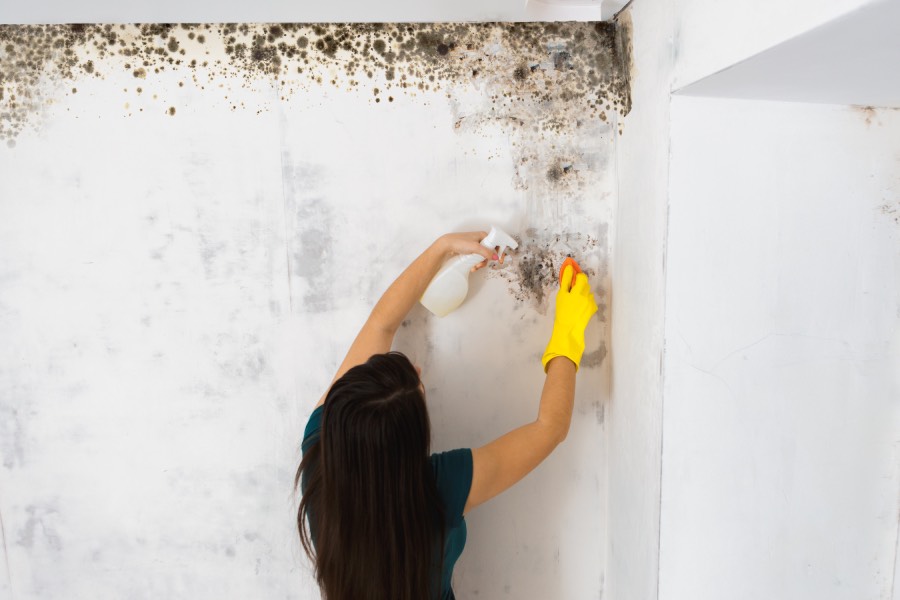
- Do not use bleach on porous surfaces and assume mold is gone. Bleach kills mold on non-porous surfaces like tile, but it does not penetrate drywall, wood, or grout. Applying bleach to a moldy porous surface may whiten the visible stain while leaving the mold roots alive inside the material.
- Do not paint over mold. Covering mold with paint, even mold-resistant paint, does not eliminate it. It traps the colony and allows it to continue growing behind the surface. This is a cosmetic fix that hides a health hazard.
- Do not use an ordinary box fan to dry a mold-affected area. Fans can spread mold spores from a contained area to other parts of your home, dramatically expanding the scope of contamination.
- Do not assume surfaces are dry because they look dry. Flooring, drywall, and wood framing can appear completely dry on the surface while retaining dangerous moisture levels inside. Only a calibrated moisture meter gives you an accurate reading.
What Professional Mold Remediation Involves
If mold has already taken hold in your Melbourne home, or if water damage has been present for more than 24 hours without professional drying, you need certified mold remediation, not a DIY cleaning attempt.
At PuroClean of Melbourne, our mold remediation process follows the guidelines established by the IICRC (Institute of Inspection, Cleaning and Restoration Certification) and the EPA’s mold remediation guidelines for residential buildings. Here is what that process looks like:
Inspection and moisture assessment. We use thermal imaging cameras and calibrated moisture meters to identify every wet and damp area in your home, including hidden cavities inside walls, under floors, and above ceilings. This assessment defines the true scope of the problem.
Containment. Affected areas are sealed off using physical barriers and negative air pressure to prevent mold spores from spreading to unaffected parts of your home during remediation. HEPA air filtration is run continuously throughout the process.
Source moisture removal. Industrial extraction equipment and commercial-grade drying systems remove the moisture that is sustaining mold growth. Without addressing the moisture source, any remediation effort is temporary.
Removal of non-salvageable materials. Heavily colonized drywall, insulation, carpet, and other porous materials that cannot be effectively cleaned are carefully removed and disposed of following proper containment protocols.
Cleaning and antimicrobial treatment. Salvageable structural surfaces are cleaned using professional-grade antimicrobial solutions that eliminate mold at a biological level, not just on the surface. This treatment also helps inhibit future growth.
Clearance verification. Before we consider any job complete, we verify that moisture levels have returned to acceptable baselines and that the remediated area is free of active mold growth.
Does Homeowner’s Insurance Cover Mold Remediation in Florida?
This is one of the most common questions we hear, and the answer depends heavily on the circumstances of the mold growth.
Florida homeowner’s insurance policies typically cover mold remediation when the mold results directly from a covered water damage event, such as a sudden burst pipe, an accidental appliance overflow, or storm-driven water intrusion. In these cases, mold remediation is generally treated as a consequence of the underlying covered loss.
Coverage is typically denied when mold is the result of long-term neglect, a gradual leak that was known and not addressed, or flooding from an external source, which requires separate flood insurance coverage in Florida.
This is another reason why responding to water damage immediately is financially critical, not just structurally. The faster you report the event, document the damage, and begin professional remediation, the stronger your position with your insurance company when mold remediation costs arise.
PuroClean of Melbourne works directly with homeowner’s insurance companies and can assist with documentation throughout the claims process.
How to Reduce Mold Risk in Your Melbourne, FL Home Long-Term
While no Florida home can be made completely mold-proof, there are meaningful steps homeowners can take to reduce their risk significantly.
- Control indoor humidity aggressively. Keep indoor relative humidity below 60 percent at all times. Use your air conditioning system, supplemental dehumidifiers, and exhaust fans in bathrooms and kitchens consistently.
- Inspect your roof annually. Melbourne’s summer storm season puts significant stress on roofing materials. Small punctures, lifted flashing, and damaged shingles can allow water to penetrate into your attic and walls for months before you notice.
- Service your HVAC system regularly. Replace air filters on schedule, clean drain pans, and have the system inspected annually. A malfunctioning AC unit can introduce moisture into your ductwork and circulate mold spores throughout your home.
- Check plumbing connections under sinks and behind appliances regularly. Slow drips from supply lines, drain connections, and refrigerator ice maker lines are a leading cause of hidden mold growth in kitchen and laundry areas.
- Seal your home’s envelope. Window seals, door thresholds, and caulking around penetrations through exterior walls should be inspected and maintained to prevent moisture infiltration.
- Install a whole-home dehumidifier. For Melbourne homeowners who spend time away from their property seasonally, a whole-home dehumidifier integrated with the HVAC system is one of the best investments available for mold prevention.
Mold Will Not Wait. Neither Should You.
The mold growth timeline after water damage is unforgiving, and in Melbourne, Florida, it is even less forgiving than in most of the country. Every hour that passes after water damage without professional intervention is an hour that mold uses to establish itself more deeply in your home.
PuroClean of Melbourne provides 24-hour emergency response to water damage and mold remediation throughout Melbourne, Palm Bay, Viera, Rockledge, Cocoa Beach, and all of Brevard County. Our IICRC-certified technicians arrive equipped to assess, extract, dry, and treat affected areas before mold has the chance to become a major problem.
Whether you have visible mold growth or you have just experienced water damage and want to get ahead of it, we are ready to help right now.
Call PuroClean of Melbourne 24/7 at (321) 378-2400
Email: [email protected]
Address: 739 North Dr, Melbourne, FL 32934
Website: puroclean.com/melbourne-fl-puroclean-melbourne
Do not give mold a head start. Call PuroClean of Melbourne the moment water damage happens.
PuroClean of Melbourne provides fire, water, and mold remediation services including mold inspection, mold removal, structural drying, water extraction, and carpet restoration throughout Brevard County, Florida.
Connect With Us on Social Media!
Instagram | Facebook | Direction | Check Reviews | Yelp | Linkedin | Youtube | Twitter | BBB