 PuroClean of Melbourne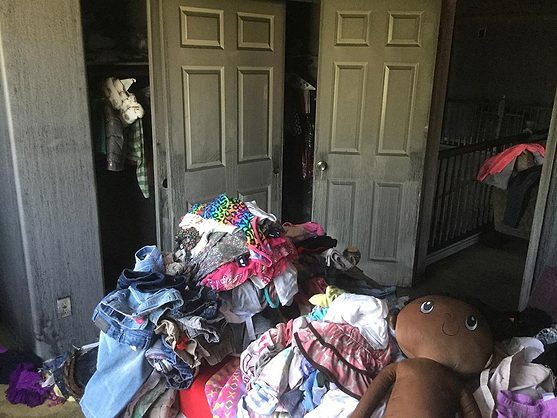
Experiencing a house fire is one of the most devastating events a homeowner can face. Beyond the immediate trauma and structural damage, the lingering effects of smoke damage can persist for months if not addressed properly. For Melbourne, Florida residents dealing with the aftermath of a fire in 2026, one of the most pressing concerns is salvaging clothing and textiles that have been exposed to smoke and soot. The good news is that many items can be saved with the right techniques, products, and professional assistance.
Water Damage in Melbourne, FL
At PuroClean of Melbourne, we understand the emotional and financial toll that fire damage takes on families. Our team has helped countless Brevard County residents restore their belongings after fire emergencies, and we’ve learned that quick action and proper cleaning methods can make all the difference when it comes to saving smoke-damaged clothing.

Understanding Smoke Damage on Clothing
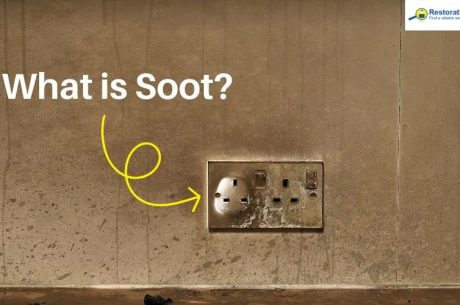
Before diving into cleaning methods, it’s important to understand what happens to clothing during a fire. Smoke damage isn’t just about the smell, it involves complex chemical residues that penetrate fabric fibers and can cause discoloration, weakening of materials, and persistent odors.
Types of Smoke Residue
Different types of fires produce different kinds of smoke residue, each requiring specific cleaning approaches:
Dry Smoke Residue occurs from fast-burning, high-temperature fires that consume paper and wood. This type of smoke leaves a powdery, dry residue that’s easier to remove but can spread quickly throughout your home.
Wet Smoke Residue results from low-heat, smoldering fires with rubber or plastic materials. This creates a sticky, smeary residue with a particularly strong odor that’s more challenging to clean.
Protein Residue comes from the evaporation of organic materials during low-heat fires. It’s nearly invisible but discolors painted surfaces and leaves a pungent odor. On clothing, this type can be especially tricky because it often goes unnoticed until the smell intensifies.
Fuel Oil Soot comes from furnace malfunctions and leaves a thick, sticky residue that requires specialized cleaning.
Read Also: Restoring a Smoke-Damaged Hotel in Cocoa Beach: A PuroClean of Melbourne Case Study
In Melbourne’s humid climate, smoke damage can be particularly problematic. The high moisture levels in the air can cause smoke particles to set more deeply into fabrics, making prompt action even more critical.
Immediate Steps After a Fire
The first 24-48 hours after a fire are crucial for salvaging your clothing and preventing permanent damage.
Safety First
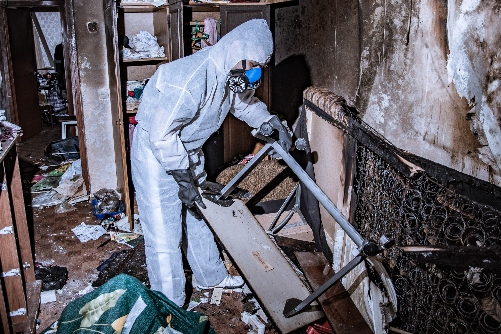
Before attempting to retrieve any clothing, ensure the fire department has cleared your home as safe to enter. Structural damage, lingering hot spots, and compromised air quality can pose serious health risks. Wear protective equipment including gloves, a mask or respirator, and protective clothing when sorting through fire-damaged items.
Quick Assessment and Sorting
Once it’s safe to enter your home, quickly assess your clothing situation. Sort items into three categories:
Lightly Damaged Items that were in closed drawers or closets away from the fire and show minimal smoke exposure can often be successfully cleaned at home.
Moderately Damaged Items with noticeable smoke odor and light soot accumulation may require professional cleaning but are likely salvageable.
Severely Damaged Items that were near the fire source, show charring, melting, or heavy soot coverage may not be restorable. These should be documented for insurance purposes and properly disposed of.
Preventing Further Damage
Remove clothing from the fire-damaged area as quickly as possible. Continuing exposure to smoke and soot will cause the damage to set deeper into fabrics. If you cannot clean items immediately, seal them in plastic bags to prevent cross-contamination with other belongings. However, don’t leave them sealed for extended periods, as trapped moisture can lead to mildew growth, a particular concern in Melbourne’s subtropical climate.
DIY Cleaning Methods for Smoke-Damaged Clothes
For lightly to moderately smoke-damaged clothing, several effective cleaning methods can be performed at home. However, it’s important to note that heavily damaged or valuable items should always be handled by professionals like PuroClean of Melbourne.
Pre-Treatment Steps
Before washing smoke-damaged clothing, take these preparatory steps:
Air Out the Items: Hang clothes outside in fresh air if weather permits. Melbourne’s sunshine and sea breezes can help dissipate smoke odors naturally. However, avoid leaving items in direct sunlight for extended periods, as this can cause fading and UV damage.
Vacuum Loose Soot: Use a vacuum with a HEPA filter to gently remove loose soot particles from clothing. Do this outdoors or in a well-ventilated area to avoid spreading smoke particles throughout your home. Be gentle to avoid grinding soot deeper into the fabric fibers.
Shake Out Clothing: For items with loose, dry soot, take them outside and shake vigorously to dislodge particles before washing.
Read Also: Textile Restoration for Clothing & Fabrics
Washing Machine Method
For washable fabrics that can withstand machine washing, follow these steps:
Step 1: Pre-Soak – Fill a large basin or your washing machine with hot water (check garment care labels first). Add one cup of white vinegar or a commercial degreaser. Soak items for at least 2-4 hours, or overnight for heavily soiled items. The vinegar helps neutralize odors and break down smoke residue.
Step 2: Add Detergent Booster – Before washing, add a heavy-duty detergent along with one of these odor-fighting additives: baking soda (1 cup), washing soda (1 cup), trisodium phosphate or TSP substitute (1-2 tablespoons), or a commercial smoke odor eliminator specifically designed for laundry.
Step 3: Wash on Hot – Use the hottest water temperature safe for the fabric. Select the longest wash cycle available. The extended agitation helps dislodge embedded soot particles.
Step 4: Add Vinegar to Rinse – Add another cup of white vinegar to the rinse cycle. This provides additional odor neutralization and helps remove any remaining smoke residue.
Step 5: Check Before Drying – Before placing items in the dryer, smell them carefully. If smoke odor persists, repeat the washing process. Never dry clothing that still smells like smoke, as heat will set the odor permanently.
Read Also: My Oven Caught On Fire: Can I Still Use It in 2026?
Step 6: Air Dry When Possible – Line drying in fresh air is preferable, especially in Melbourne’s sunny climate. If you must use a dryer, use low heat and add dryer sheets or wool dryer balls with essential oils.
Hand Washing Delicate Items
For delicate fabrics, dry-clean-only items that you’re attempting to save at home, or garments with special care requirements, hand washing may be the better option:
Create a solution of cool or lukewarm water with gentle detergent and one cup of white vinegar in a large basin. Submerge the garment and gently agitate for several minutes. Let soak for 30 minutes to 2 hours. Gently squeeze out dirty water without wringing or twisting the fabric. Rinse thoroughly with clean water until no soap remains. Press out excess water between clean towels. Lay flat or hang to air dry away from direct heat and sunlight.
Specialized Cleaning Solutions
Several commercial products are specifically formulated to address smoke odor and damage:
Enzyme-Based Cleaners break down protein-based residues from smoke. These are particularly effective for organic smoke residues and can be added to regular laundry detergent.
Activated Charcoal Products absorb odors rather than just masking them. Some laundry additives contain activated charcoal for this purpose.
Oxygen Bleach is safe for colors and whites alike and helps remove both stains and odors. Mix with water according to package directions and soak items before washing.
Commercial Smoke Odor Eliminators are available at restoration supply stores and online. Products like OdorXit, Zorbx, or Smoke Off are specifically designed for fire remediation.
Professional Cleaning Options
While DIY methods work well for lightly damaged items, professional intervention is often necessary for valuable clothing, heavily damaged items, or when home cleaning attempts have been unsuccessful.
When to Call Professionals
Consider professional fire damage restoration services like PuroClean of Melbourne when dealing with designer or high-value clothing and accessories, wedding dresses, suits, or formal wear, leather, suede, or fur items, antique or heirloom textiles, items with heavy soot penetration, or clothing with both smoke and water damage.
Professional restoration services have access to specialized equipment and techniques unavailable to homeowners, including ozone treatment chambers that neutralize odors at the molecular level, thermal fogging that counteracts smoke particles, ultrasonic cleaning for delicate items, industrial-strength cleaning agents, and climate-controlled drying facilities.
The PuroClean of Melbourne Advantage
At PuroClean of Melbourne, our fire damage restoration process includes comprehensive textile restoration services. Our certified technicians assess each item individually to determine the best cleaning approach. We use state-of-the-art equipment and proven techniques developed specifically for fire and smoke damage restoration.
Our location at 739 North Drive in Melbourne means we’re ready to respond quickly when fire strikes. We understand that time is critical when dealing with smoke damage, which is why we’re available 24 hours a day, 7 days a week. Our team can coordinate with your insurance company to streamline the claims process and document the restoration efforts for your records.
We also offer pack-out services, where we carefully inventory, pack, and transport your smoke-damaged belongings to our controlled cleaning facility. This is especially valuable when your home requires extensive fire damage restoration and you need your belongings stored safely during reconstruction.
Dealing With Persistent Smoke Odors
Sometimes, even after thorough cleaning, smoke odors can persist in clothing. Here are additional strategies to eliminate stubborn smells:
Baking Soda Treatment
Create a sealed environment by placing cleaned, dried clothing in a large plastic tub or garbage bag. Sprinkle generous amounts of baking soda throughout the container, ensuring clothes don’t directly touch each other. Seal the container and leave for 3-7 days. The baking soda will absorb residual odors. After the treatment period, shake out the baking soda and launder items once more if needed.
Sunshine and Fresh Air
Melbourne’s abundant sunshine provides a natural odor elimination tool. Hang items outside on a breezy day, preferably in indirect sunlight to prevent fading. The UV rays from the sun have natural disinfecting properties, and fresh air circulation helps dissipate odors. Leave items outside for several hours, turning them occasionally.
Vodka Spray
Strange as it sounds, unflavored vodka is an effective odor neutralizer. Mix equal parts vodka and water in a spray bottle. Lightly mist clothing and hang to air dry. The alcohol evaporates quickly, taking odors with it, and doesn’t leave its own smell behind.
Coffee Grounds or Activated Charcoal
Similar to the baking soda method, placing items in a sealed container with bowls of fresh coffee grounds or activated charcoal can absorb persistent odors. Change the coffee grounds or charcoal every few days for maximum effectiveness.
Steam Treatment
If you have a handheld garment steamer, steam can help release trapped smoke particles and odors. Steam items thoroughly, then hang to air dry completely in a well-ventilated area.
Special Considerations for Different Fabric Types
Different fabrics require different approaches when dealing with smoke damage:
Cotton and Cotton Blends
Cotton is generally durable and can withstand aggressive cleaning methods. Hot water washing with heavy-duty detergent, baking soda, and vinegar usually works well. These items can typically be dried on high heat without damage, which actually helps ensure smoke particles are fully eliminated.
Synthetic Fabrics (Polyester, Nylon, Acrylic)
Synthetic materials can be more challenging because they may have melted or warped if exposed to heat. Use warm rather than hot water, as high temperatures can cause further damage to already compromised synthetic fibers. These fabrics also tend to hold odors more stubbornly, so multiple wash cycles may be necessary.
Wool and Cashmere
Delicate wool items require gentle handling. Use cool water and wool-specific detergents. Never agitate or wring wool vigorously, as this causes shrinkage and felting. Soak rather than wash, and dry flat on a clean towel. For valuable wool items, professional dry cleaning is recommended.
Silk
Silk is particularly vulnerable to both smoke damage and aggressive cleaning methods. For smoke-damaged silk, professional cleaning is strongly recommended. If attempting home cleaning, use only cool water and silk-specific detergents, never wring or twist, and air dry flat away from direct sunlight and heat sources.
Leather and Suede
Never attempt to wash leather or suede in water. Wipe leather items with a slightly damp cloth to remove surface soot. Use leather conditioning products after cleaning to prevent drying and cracking. For smoke-damaged leather and suede, professional restoration by specialists like PuroClean of Melbourne is essential to prevent permanent damage.
Denim
Denim is durable and can typically withstand hot water and heavy-duty cleaning methods. However, expect some fading with aggressive cleaning. Turn jeans inside out before washing to minimize visible fading on the outside of the garment.
Preventing Cross-Contamination
One often-overlooked aspect of dealing with smoke-damaged clothing is preventing the spread of smoke odor and particles to unaffected items:
Isolate Affected Items
Keep smoke-damaged clothing completely separate from clean items. Don’t hang smoke-damaged clothes in your regular closet, even temporarily. Store affected items in sealed bags or containers in a separate area, preferably outside or in a garage, until they can be properly cleaned.
Clean Your Washing Machine
After washing smoke-damaged clothing, your washing machine may retain smoke odors and residue. Run an empty cycle with hot water, two cups of white vinegar, and a half cup of baking soda to clean the drum and eliminate odors. Wipe down the door seal and any visible residue with a vinegar solution.
Manage Your Living Space
If smoke damage has affected your home, cleaning your clothes is only one part of the restoration process. Smoke particles settle on all surfaces, and without comprehensive cleaning, your freshly laundered clothes may quickly reabsorb odors from your environment. This is why whole-home fire damage restoration is often necessary for complete recovery from fire events.
Insurance Considerations
When dealing with smoke-damaged clothing after a fire, insurance can play a crucial role in covering restoration or replacement costs:
Document Everything
Before cleaning or disposing of any items, photograph them thoroughly. Create detailed lists of affected clothing, including brand names, purchase dates, and estimated values. Keep all receipts for cleaning supplies, professional services, and replacement items.
Understand Your Coverage
Most homeowners and renters insurance policies cover smoke damage to personal property, including clothing. However, coverage limits and deductibles vary. Contact your insurance company immediately after a fire to understand your specific coverage and begin the claims process.
Professional Restoration Documentation
When you work with professional restoration services like PuroClean of Melbourne, we provide detailed documentation of our cleaning processes and outcomes. This documentation is invaluable for insurance claims and can help ensure you receive appropriate compensation for damaged items that cannot be restored.
Replacement vs. Restoration Costs
Sometimes the cost of professionally restoring heavily smoke-damaged clothing exceeds the replacement value. Your insurance adjuster will help determine whether restoration or replacement is the more economical choice. However, for items with sentimental value, restoration may be worth pursuing even if it’s not the cheapest option.
The Melbourne Climate Factor
Melbourne’s coastal, subtropical climate presents unique challenges when dealing with smoke damage:
Humidity Concerns
With average humidity levels often exceeding 70%, Melbourne’s climate can cause smoke particles to penetrate more deeply into fabrics. The moisture in the air acts as a carrier for smoke particles and odors. Additionally, if clothing remains damp after cleaning, the humid environment can quickly lead to mildew growth, compounding your problems.
Mold Prevention
After a fire, especially if water was used to extinguish the flames, the combination of moisture and smoke damage creates ideal conditions for mold growth. Melbourne’s warm temperatures accelerate this process. This is why prompt, thorough drying is essential. Professional restoration services have industrial dehumidifiers and air movers that can prevent mold development in ways that home equipment cannot match.
Salt Air Considerations
Melbourne’s proximity to the Atlantic Ocean and Indian River Lagoon means salt air is a constant factor. While this doesn’t directly affect smoke-damaged clothing, it’s another variable that can impact how smoke particles interact with fabrics and how quickly restoration should occur.
When Clothing Cannot Be Saved
Unfortunately, not all smoke-damaged clothing can be salvaged. Some items will be too heavily damaged to restore safely or effectively:
Signs of Irreversible Damage
Items showing charring, melting, or holes should be discarded for safety reasons. Clothing with permanent discoloration or brittleness from heat exposure typically cannot be restored. Items where professional cleaning attempts have failed to remove smoke odors after multiple treatments should be replaced. Any clothing that triggers allergic reactions or respiratory symptoms after cleaning should not be worn, as harmful particles may remain embedded in the fibers.
Emotional Aspects
Letting go of clothing, especially items with sentimental value, can be emotionally difficult after a fire. Remember that your health and safety are paramount. It’s also worth noting that the psychological association between certain items and the traumatic fire event may make some pieces of clothing difficult to wear even if they’re technically restored.
Read Also: In Case of Emergency, Call PuroClean of Melbourne: (321) 209-7441
At PuroClean of Melbourne, we approach fire damage restoration with empathy and understanding. We know that the items we’re cleaning represent more than just material possessions, they’re connected to memories, milestones, and your daily life.
Prevention and Preparedness
While we hope you never experience a house fire, being prepared can help protect your belongings and facilitate faster recovery if disaster strikes:
Fire Prevention
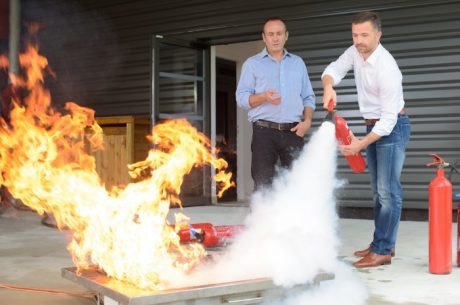
Install smoke detectors on every level of your home and test them monthly. Keep fire extinguishers accessible and ensure family members know how to use them. Never leave cooking unattended and keep flammable materials away from heat sources. Have electrical systems and appliances inspected regularly, especially in older homes. In Melbourne’s hurricane season, ensure generators are used properly and never inside enclosed spaces.
Preparation Measures
Consider storing your most valuable clothing items in fireproof safes or boxes. Keep an updated home inventory with photos and descriptions of valuable items. Store important documents and family photos digitally in cloud storage. Have a family emergency plan that includes evacuation procedures and meeting points.
Quick Response Resources
Keep contact information for emergency services readily available. Save PuroClean of Melbourne’s 24-hour emergency number: (321) 378-2400. Know your insurance policy details and keep your agent’s contact information accessible. Having these resources at your fingertips can save precious time when every minute counts after a fire.
Conclusion
Recovering from a house fire is an overwhelming experience, but knowing how to properly clean and restore smoke-damaged clothing can provide a sense of control during a chaotic time. While many lightly to moderately damaged items can be successfully cleaned at home using the methods outlined in this guide, professional restoration services offer the expertise, equipment, and peace of mind that DIY methods simply cannot match.
At PuroClean of Melbourne, we’ve dedicated ourselves to helping Brevard County families recover from fire, water, and smoke damage. Our team understands the unique challenges that Melbourne’s climate presents, and we’re equipped to handle everything from minor smoke odor issues to comprehensive fire damage restoration projects.
Whether you’re dealing with a small kitchen fire or extensive house fire damage, remember that quick action is crucial. The sooner you address smoke damage, the better your chances of saving your belongings. Don’t hesitate to reach out for professional help our team is available 24/7 at (321) 378-2400 to assess your situation and begin the restoration process.
Fire damage can be devastating, but with the right approach and professional support, recovery is possible. Your clothing, your home, and your peace of mind can all be restored. At PuroClean of Melbourne, we’re here to help you through every step of the journey, from the initial emergency response through the final restoration of your treasured belongings.
For more information about our fire damage restoration services, visit our website at www.puroclean.com/melbourne-fl-puroclean-melbourne or contact us directly at [email protected]. We’re proud to serve Melbourne and the surrounding Brevard County communities, and we’re ready to help you restore your home and life after fire damage.
Connect With Us on Social Media!

 PuroClean of Melbourne