


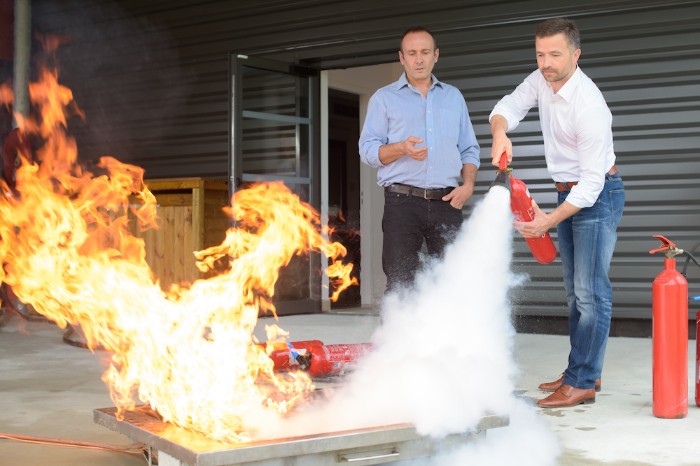
Fire extinguishers are essential safety devices found in homes, offices, and vehicles across the country. While they’re designed to save lives by quickly suppressing fires, the powder they contain can pose unexpected health risks when inhaled.
Understanding what happens when you breathe in fire extinguisher powder is crucial for anyone who might need to use one in an emergency or work in environments where these devices are present.
Fire and Smoke Damage in Melbourne, FL
Understanding Fire Extinguisher Powder
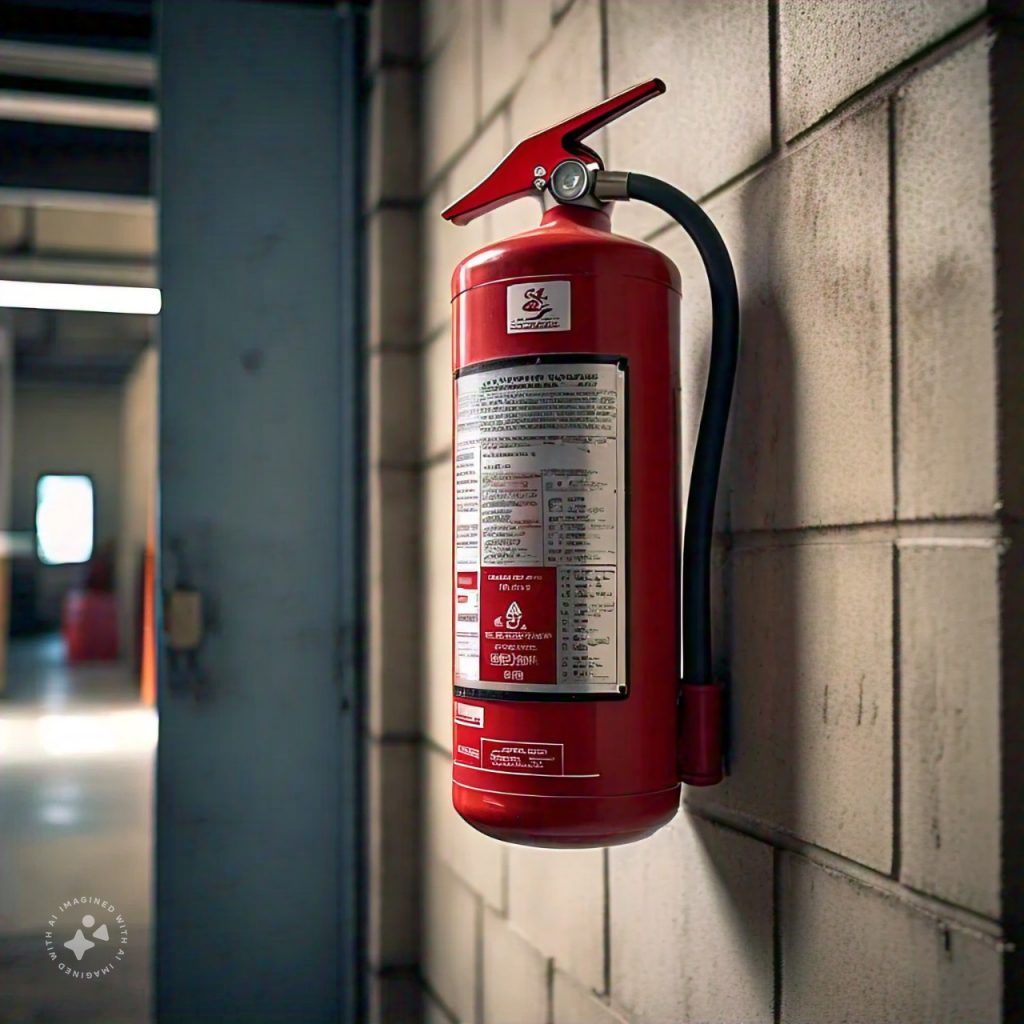
Before diving into the health effects, it’s important to understand what fire extinguisher powder actually is. The most common type of fire extinguisher found in homes and businesses is the ABC dry chemical extinguisher, which contains monoammonium phosphate as its primary active ingredient. This fine yellow powder is highly effective at smothering flames, but it becomes airborne very easily during discharge.
Other types of fire extinguisher powders include:
- Sodium bicarbonate (used in BC extinguishers)
- Potassium bicarbonate (purple-K extinguishers)
- Potassium chloride (Class D extinguishers for metal fires)
Each of these compounds has slightly different chemical properties, but they all share one common characteristic: they’re designed to be expelled as fine particles that can easily become suspended in the air and, consequently, inhaled into your respiratory system.
Immediate Effects of Inhaling Fire Extinguisher Powder
When fire extinguisher powder enters your respiratory system, your body immediately recognizes it as a foreign substance and begins defensive responses. Here’s what typically happens in the moments after inhalation:
How to Clean Up After A Fire Extinguisher Powder Residue
Respiratory Irritation
The most immediate effect is irritation of the nose, throat, and airways. Fire extinguisher powder is extremely fine and designed to disperse quickly, which means it can penetrate deep into your respiratory tract. You’ll likely experience:
- Coughing fits as your body attempts to expel the particles
- Throat irritation and a scratchy sensation
- Nasal irritation with possible sneezing
- Chest tightness or discomfort
- Difficulty breathing or shortness of breath
These symptoms occur because the powder acts as an irritant to the delicate mucous membranes lining your respiratory system. Your body produces excess mucus to trap and remove the particles, leading to that uncomfortable feeling in your throat and chest.
Eye and Skin Irritation
While we’re focusing on inhalation, it’s worth noting that fire extinguisher powder exposure rarely affects just one area. During discharge, the powder typically also comes into contact with:
- Eyes: causing redness, tearing, and temporary vision impairment
- Skin: resulting in minor irritation, dryness, or redness
- Mucous membranes: affecting the mouth and nose
Gastrointestinal Effects
If you swallow fire extinguisher powder (which often happens when inhaling it), you may experience:
- Nausea
- Upset stomach
- Mild gastrointestinal discomfort
- An unpleasant chemical taste in your mouth
Short-Term Health Risks
For most healthy individuals, exposure to fire extinguisher powder results in temporary discomfort rather than serious health consequences. However, the severity of symptoms depends on several factors:
Factors Affecting Severity
Amount of Exposure: A brief exposure to a small amount of powder will cause minimal irritation, while being in a confined space where an extinguisher has been fully discharged can lead to significant respiratory distress.
Duration of Exposure: The longer you remain in an environment with airborne powder, the more severe your symptoms are likely to be.
Individual Health Status: People with pre-existing respiratory conditions face greater risks.
Type of Powder: While all fire extinguisher powders can cause irritation, some are more caustic than others. Monoammonium phosphate (ABC powder) tends to be more irritating than sodium bicarbonate.
Vulnerable Populations at Greater Risk
Certain groups need to exercise extra caution around fire extinguisher powder:
People with Asthma: Inhaling fire extinguisher powder can trigger severe asthma attacks, causing airway constriction, wheezing, and potentially dangerous breathing difficulties. The powder acts as an irritant that can provoke bronchospasm in sensitive airways.
COPD Patients: Those with chronic obstructive pulmonary disease or emphysema may experience exacerbation of symptoms, including increased shortness of breath and reduced oxygen levels.
Children: Kids have smaller airways and faster breathing rates, meaning they can inhale more particles relative to their body size. They’re also more likely to panic during exposure, which can worsen symptoms.
Elderly Individuals: Older adults often have reduced lung capacity and may have underlying health conditions that make them more vulnerable to respiratory irritants.
Pregnant Women: While fire extinguisher powder isn’t known to cause specific pregnancy complications, any respiratory distress can affect oxygen delivery to the fetus.
How to Clean Up After a Fire Extinguisher: Mastering Fire Safety in Los Angeles
Long-Term Health Concerns
For most people who experience a single, brief exposure to fire extinguisher powder, there are no lasting health effects once the powder is cleared from their system. However, repeated or prolonged exposure can potentially lead to more serious concerns:
Chemical Pneumonitis
In rare cases of heavy exposure, particularly in enclosed spaces, fire extinguisher powder can cause chemical pneumonitis inflammation of the lung tissue caused by chemical irritation. Symptoms include:
- Persistent cough
- Fever
- Difficulty breathing that worsens over 24-48 hours
- Chest pain
- Fatigue
Chemical pneumonitis requires medical attention and may take several weeks to fully resolve.
Chronic Respiratory Issues
People who are repeatedly exposed to fire extinguisher powder such as firefighters in training facilities or workers who test fire suppression systems may develop chronic respiratory irritation if proper protective equipment isn’t used consistently.
Sensitization
Some individuals may develop increased sensitivity to the chemicals in fire extinguisher powder after repeated exposures, leading to more severe reactions with each subsequent contact.
What to Do If You Inhale Fire Extinguisher Powder
Taking quick, appropriate action can minimize symptoms and prevent complications. Here’s what you should do:
Immediate Steps
1. Get to Fresh Air Immediately: The most important action is to leave the contaminated area and get into fresh air as quickly as possible. If you’re in a building, go outside. Open windows and doors to ventilate the space.
2. Avoid Rubbing Your Eyes: If powder got in your eyes, don’t rub them. This can scratch your corneas and make the irritation worse.
3. Remove Contaminated Clothing: Fire extinguisher powder clings to fabric. Remove contaminated clothes to prevent continued exposure, but do this carefully to avoid creating more airborne particles.
4. Rinse Exposed Areas:
- Flush your eyes with clean water for at least 15 minutes if they’re affected
- Rinse your mouth and spit out the water
- Wash exposed skin with soap and water
- Blow your nose gently to remove powder from nasal passages
5. Breathe Slowly and Deeply: Try to remain calm and take slow, controlled breaths. Panicking will make you breathe faster and potentially inhale more particles.
When to Seek Medical Attention
While most cases of fire extinguisher powder inhalation don’t require emergency care, you should seek medical help if you experience:
- Severe difficulty breathing or shortness of breath that doesn’t improve after getting to fresh air
- Chest pain or tightness that persists
- Wheezing or whistling sounds when breathing
- Blue or gray tint to lips or fingernails (indicating low oxygen)
- Persistent cough that produces colored mucus
- Symptoms that worsen over the first few hours after exposure
- Fever developing after exposure
- Inability to speak in full sentences due to breathlessness
For people with pre-existing respiratory conditions like asthma or COPD, it’s advisable to contact a healthcare provider even for mild exposures, as symptoms can worsen unpredictably.
Call Emergency Services If:
- Someone loses consciousness
- Breathing becomes extremely difficult or stops
- An asthma attack doesn’t respond to rescue inhalers
- Symptoms of severe allergic reaction appear (facial swelling, hives, rapid pulse)
Treatment and Recovery
For most cases of fire extinguisher powder inhalation, treatment focuses on symptom relief and supporting your body’s natural clearing mechanisms:
Medical Treatments
If you seek medical care, treatments may include:
Bronchodilators: These medications help open airways and make breathing easier, particularly important for people with asthma or reactive airways.
Oxygen Therapy: If oxygen levels are low, supplemental oxygen may be provided.
Corticosteroids: In cases of significant inflammation, steroids may be prescribed to reduce airway swelling.
Chest X-rays: These may be ordered to check for signs of chemical pneumonitis or other lung complications.
Monitoring: For severe exposures, you might be kept for observation to ensure symptoms don’t worsen.
Home Care and Recovery
Most people recover fully within a few hours to a few days. To support recovery:
Stay Hydrated: Drinking plenty of water helps thin mucus and makes it easier to clear particles from your respiratory system.
Rest: Give your body time to recover. Avoid strenuous activities that would make you breathe harder.
Use Humidified Air: A cool-mist humidifier can soothe irritated airways and help clear particles.
Avoid Further Irritants: Stay away from smoke, strong chemicals, perfumes, and other respiratory irritants while recovering.
Monitor Your Symptoms: Keep track of how you’re feeling. If symptoms persist beyond a few days or worsen, contact a healthcare provider.
Fire Extinguisher 4 Guide to Fire Safety and Health Considerations; Using Fire Extinguisher Chemicals In The House
Prevention: Using Fire Extinguishers Safely
The best way to avoid inhaling fire extinguisher powder is to use these devices properly and take appropriate precautions:
Before Using a Fire Extinguisher
- Know your escape route: Always position yourself between the fire and the exit
- Check the wind direction: When outdoors, stand upwind of the fire to avoid powder blowing back at you
- Consider ventilation: In indoor spaces, be aware that powder will fill the air
During Use
- Stand back: Maintain a distance of 6-10 feet from the fire when possible
- Use short bursts: This gives you better control and creates less airborne powder
- Aim low: Direct the extinguisher at the base of the flames, not at the smoke or flames themselves
- Hold your breath when possible: Take a deep breath before discharging and step back to breathe
- Cover your mouth and nose: If available, use a cloth or shirt to filter the air
After Use
- Ventilate immediately: Open all windows and doors
- Don’t re-enter until the air has cleared
- Clean up properly: Use a vacuum with a HEPA filter or damp cloths don’t sweep, as this puts powder back into the air
- Wash thoroughly: Shower and change clothes to remove all powder residue
Special Considerations for Workplace Safety
In commercial settings where fire extinguishers are regularly tested or used for training:
- Employers should provide proper respiratory protection (N95 masks or better)
- Training exercises should occur in well-ventilated areas or outdoors
- Workers with respiratory conditions should be identified and given appropriate accommodations
- Safety data sheets (SDS) for the specific extinguisher type should be readily available
Understanding Different Types of Fire Extinguisher Agents
While this article focuses primarily on dry chemical powder extinguishers, it’s worth noting that other types pose different risks:
CO2 Extinguishers
Carbon dioxide extinguishers don’t produce powder, but they displace oxygen. The main danger is asphyxiation in confined spaces rather than respiratory irritation from particles.
Wet Chemical Extinguishers
These contain potassium-based solutions and can cause chemical burns if they contact skin or eyes, but they don’t create the same airborne particle concerns as dry powder.
Clean Agent Extinguishers (Halon Alternatives)
These produce minimal residue but can displace oxygen and may produce toxic decomposition products when exposed to flames.
Foam Extinguishers
These agents are primarily water-based with added foaming agents. They’re less likely to cause respiratory irritation than dry chemical powders but can still cause discomfort if inhaled.
Fire Extinguisher Powder ABC Dry Chemical 75% Pink
The Bigger Picture: Fire Safety
While concerns about inhaling fire extinguisher powder are valid, it’s crucial to keep this risk in perspective. Fire extinguishers save lives and prevent property damage. The temporary discomfort from powder inhalation is a minor price to pay compared to the devastation of an uncontrolled fire.
According to the National Fire Protection Association, portable fire extinguishers can be invaluable tools when used properly on small fires. The key is to:
- Act quickly when a fire is still small and contained
- Use the PASS method (Pull, Aim, Squeeze, Sweep)
- Know when to evacuate instead of fighting the fire
- Call 911 first before attempting to extinguish anything but the smallest fire
Conclusion: Contact PuroClean of Melbourne for Professional Property Damage Restoration

Breathing in fire extinguisher powder typically causes temporary respiratory irritation, coughing, throat discomfort, and eye irritation. For most healthy individuals, these symptoms resolve within hours to a few days without lasting effects. However, people with pre-existing respiratory conditions, children, and the elderly face greater risks and should seek medical evaluation even after mild exposures.
The key to minimizing risk is proper fire extinguisher use: maintain distance from the discharge, use short bursts, ensure good ventilation, and leave the area immediately after use. If you do inhale powder, get to fresh air quickly, rinse exposed areas, and monitor your symptoms closely.
Remember that while fire extinguisher powder can be uncomfortable, it’s designed to save lives. Understanding the potential effects and knowing how to respond if exposure occurs ensures you can use these critical safety devices effectively while protecting your health.
If you work in an environment with regular fire extinguisher use or testing, insist on proper protective equipment and adequate ventilation. For homeowners, regular inspection and proper placement of extinguishers combined with knowledge of when and how to use them creates the safest possible environment for you and your family.
Disclaimer: This article is for informational purposes only and does not constitute medical advice. If you’ve experienced significant exposure to fire extinguisher powder or are experiencing persistent symptoms, consult with a healthcare professional. For fire damage restoration, water damage, or smoke damage cleanup services in the Melbourne and Palm Bay, Florida area, contact PuroClean of Melbourne at (321) 378-2400.
Connect With Us on Social Media!