



Flood damage can strike without warning in Brevard County, whether from hurricanes, tropical storms, or sudden heavy rainfall. When water invades your home or business, the aftermath can be overwhelming. Beyond the immediate cleanup concerns, navigating the insurance claims process adds another layer of stress during an already difficult time.
At PuroClean of Melbourne, we’ve helped countless Brevard County property owners through this challenging journey, and we understand that knowing how to properly file your insurance claim can make the difference between a smooth recovery and months of frustration.
Understanding Your Flood Insurance Coverage in Florida

Before diving into the claims process, it’s essential to understand what type of coverage you have. Many property owners are surprised to learn that standard homeowners insurance policies typically don’t cover flood damage. In Florida, especially in coastal areas like Brevard County, flood insurance is usually a separate policy obtained through the National Flood Insurance Program (NFIP) or private insurers.
Your flood insurance policy generally covers structural damage to your building, including the foundation, electrical and plumbing systems, HVAC equipment, and built-in appliances. Contents coverage, which protects your personal belongings, is optional and must be purchased separately. Understanding these distinctions is crucial because it affects what you can claim and how much compensation you can expect.
READ ALSO: Working with Insurance: How PuroClean Helps with Insurance
Standard homeowners insurance may cover water damage from sources like burst pipes, roof leaks from wind damage, or appliance malfunctions, but flood damage from rising water, storm surge, or ground saturation falls under flood insurance. Knowing which policy covers your specific situation is the first step in filing a successful claim.
Immediate Steps to Take After Flood Damage
The moments immediately following flood damage are critical, both for your safety and for your insurance claim. Your first priority should always be ensuring the safety of everyone in the property. If there’s any risk of electrical hazards, structural instability, or contaminated water, evacuate immediately and contact emergency services.
Once it’s safe to return, begin documenting everything. Take extensive photographs and videos of all damaged areas, belongings, and structural elements before you move or discard anything. Capture wide shots that show the scope of damage and close-ups that reveal specific issues. These visual records become invaluable evidence when filing your claim and can significantly impact your settlement.
Create a detailed written inventory of all damaged items, including their approximate age, purchase price, and current condition. Don’t throw away damaged items until your insurance adjuster has seen them, unless they pose a health hazard. If you must dispose of contaminated materials for safety reasons, photograph them thoroughly first and keep samples if possible.
Contact your insurance company as soon as possible to report the damage. Most policies require prompt notification, and delays can potentially complicate your claim. When you call, have your policy number ready, provide a brief description of the damage, and ask about the next steps in their claims process. Request clarification on what documentation they’ll need and what immediate actions you should take.
Protecting Your Property from Further Damage
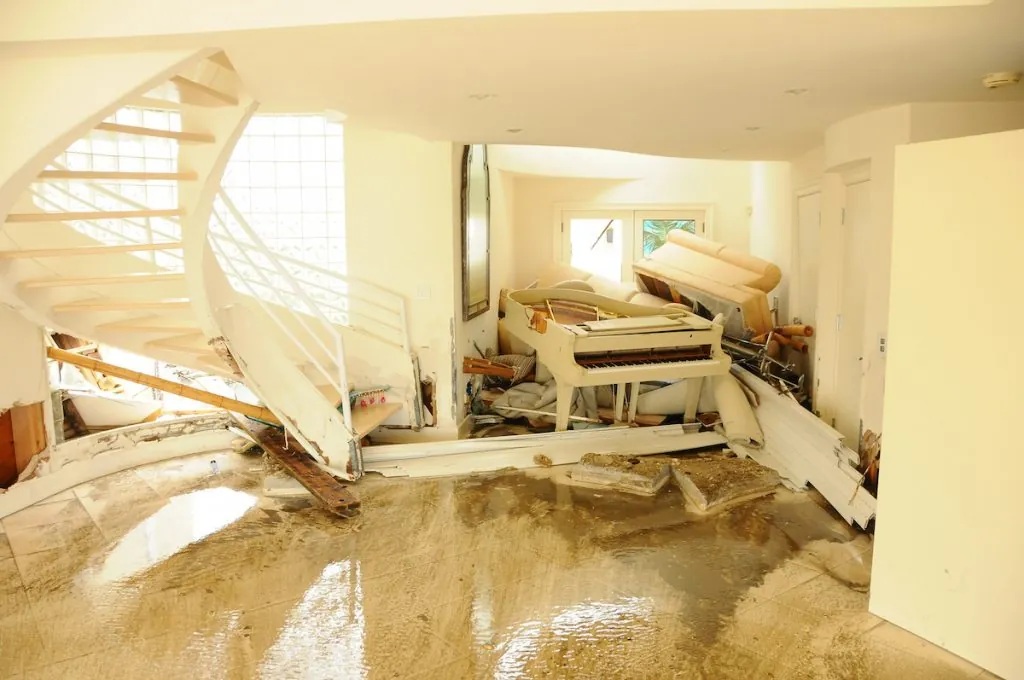
Insurance policies typically require property owners to take reasonable steps to prevent additional damage after the initial flood event. This doesn’t mean you need to complete major repairs before filing a claim, but it does mean taking protective measures like removing standing water, covering broken windows, or tarping damaged roofs.
At PuroClean of Melbourne, we’re available 24/7 at (321) 378-2400 to help Brevard County residents with emergency water extraction and mitigation services. Professional water damage restoration companies have specialized equipment like industrial dehumidifiers, air movers, and moisture meters that can prevent secondary damage like mold growth, which could complicate your insurance claim if it develops due to inadequate mitigation.
Keep detailed records of all mitigation efforts, including receipts for any materials purchased, invoices from restoration companies, and photos showing the protective measures you’ve taken. These expenses are typically reimbursable under your policy, and documentation proves you fulfilled your obligation to minimize additional damage.
Working With Your Insurance Adjuster
After you report your claim, your insurance company will assign an adjuster to assess the damage. The adjuster’s role is to evaluate the extent of the damage, determine what’s covered under your policy, and estimate the cost of repairs. Remember that the adjuster works for the insurance company, not for you, so while they should be fair and professional, their goal is to protect the insurer’s interests.
READ ALSO: Unlock Success: 5 Ways on How House Restoration Companies Assist with Insurance Claims
Prepare for the adjuster’s visit by organizing all your documentation, including photos, videos, inventory lists, and receipts for any emergency repairs. Be present during the inspection so you can point out all areas of damage and ensure nothing is overlooked. Bring the adjuster’s attention to any hidden damage, such as water in wall cavities, soaked insulation, or damage to subflooring.
Don’t feel pressured to agree with the adjuster’s assessment on the spot. Take notes during their visit, ask questions about anything that’s unclear, and request a written copy of their findings. You have the right to respectfully disagree with their evaluation if you believe they’ve underestimated the damage or missed affected areas.
Consider having your own professional assessment done by a qualified water damage restoration company. At PuroClean of Melbourne, we provide detailed damage assessments that can supplement the insurance adjuster’s report and ensure all damage is properly documented. Our experience with flood damage in Brevard County means we know what to look for and how to communicate findings effectively for insurance purposes.
Documenting Your Claim Thoroughly
Comprehensive documentation is the backbone of a successful insurance claim. Beyond the initial photos and videos, maintain a detailed claim file that includes every piece of correspondence with your insurance company, copies of all forms you submit, and records of every phone conversation including the date, time, person you spoke with, and a summary of what was discussed.
Create an itemized list of all damaged or destroyed property with as much detail as possible. Include brand names, model numbers, purchase dates, and original costs if you have receipts or can find the information online. For items without receipts, use online research to determine replacement values for similar items. The more thorough your documentation, the less room there is for disputes about what was damaged and its value.
If you’ve hired professionals like PuroClean of Melbourne to handle water extraction, drying, or restoration work, keep all invoices and reports they provide. Professional documentation from licensed restoration companies carries significant weight with insurance adjusters because it provides objective, expert assessment of the damage and necessary remediation.
Understanding the Claims Process Timeline
Patience is important when filing a flood insurance claim, but you should also understand typical timelines so you know if things are progressing normally. NFIP claims require adjusters to contact policyholders within a few days of the claim being reported, though during major disaster events affecting large areas, this timeline may extend.
The adjuster should inspect your property within a reasonable timeframe, typically within 7-10 days of initial contact, though again, widespread disasters can delay this. After the inspection, you should receive a written estimate of covered damages within a few weeks. NFIP rules require that claim payments for building damage be made within 60 days of the adjuster’s inspection if you’ve provided all required documentation.
If your claim is taking longer than expected, don’t hesitate to follow up with your insurance company. Regular, polite communication keeps your claim moving forward and demonstrates your engagement with the process. Keep records of your follow-up attempts and any responses you receive.
Dealing With Claim Denials or Disputes
Not all claims proceed smoothly, and sometimes insurance companies deny claims or offer settlements that don’t adequately cover your damages. If you disagree with your insurer’s decision, you have options. First, carefully review the denial letter or inadequate settlement offer to understand their reasoning. Sometimes denials result from simple misunderstandings or missing documentation that can be easily remedied.
Request a detailed explanation of why specific damages weren’t covered and ask for the relevant policy language supporting their decision. Review your policy carefully to confirm whether their interpretation is correct. Many policy disputes arise from confusion about coverage limits, deductibles, or excluded perils rather than outright denials.
If you believe the denial is unjustified or the settlement offer is too low, you can appeal. Most insurance companies have formal appeals processes. Submit a written appeal letter explaining why you disagree with the decision, and include any additional documentation, expert opinions, or professional assessments that support your position.
For NFIP policies, if you can’t resolve the dispute with your insurance company, you can request mediation or, if necessary, file a lawsuit. Florida law also provides protections for policyholders dealing with private insurance companies, including requirements for good faith handling of claims and potential penalties for unfair claims practices.
In complex disputes, especially those involving significant damage or large claim amounts, consulting with a public adjuster or attorney who specializes in insurance claims may be worthwhile. These professionals work for you, not the insurance company, and can help ensure your rights are protected.
Common Mistakes to Avoid
Many Brevard County property owners inadvertently harm their insurance claims by making preventable mistakes. One of the most common errors is delaying the reporting of damage. Even if you think the damage is minor, report it promptly. What seems like a small issue can develop into major problems, and late reporting can give insurers grounds to deny coverage.
Another frequent mistake is inadequate documentation. In the chaos following flood damage, it’s easy to focus solely on cleanup and forget to photograph everything first. Remember that your insurance company wasn’t there to see the damage, so thorough visual documentation is your best evidence.
Don’t exaggerate your claim, but equally important, don’t underestimate it. Some property owners, eager to seem reasonable or not wanting to seem greedy, minimize their damages when speaking with adjusters. Be honest and thorough about all damage, even if some items seem minor. Your claim should accurately reflect all your losses.
Avoid making major repairs before the insurance adjuster has inspected the damage, unless those repairs are necessary to prevent further damage. If you must make emergency repairs, document everything with photos before and after, save receipts, and notify your insurance company of the emergency repairs immediately.
Finally, don’t assume what is or isn’t covered without checking your policy and asking your insurance company. Coverage can be complex, and you might be entitled to compensation for damages or expenses you didn’t think were covered.
How Professional Restoration Companies Support Your Claim
Working with a professional water damage restoration company like PuroClean of Melbourne can significantly strengthen your insurance claim. Restoration professionals understand what insurance adjusters look for and can document damage in ways that clearly demonstrate the scope of necessary repairs.
Professional restoration companies provide detailed written reports with moisture readings, humidity levels, and specific descriptions of affected materials. This technical documentation supplements your photos and inventory, giving the insurance company objective data about the extent of damage. Many insurance companies actually prefer working with professional restoration companies because they know the documentation will be thorough and accurate.
READ ALSO: 7 Signs of Black Mold in Air Vents & Should You Be Worried About Mold in 2026?
At PuroClean of Melbourne, we work directly with insurance companies regularly and understand their documentation requirements. We can provide detailed estimates for restoration work that insurance adjusters can easily review and process. Located at 739 North Dr in Melbourne, we’re familiar with the unique flood challenges Brevard County properties face, from storm surge damage along our coastal areas to flooding from heavy rainfall in inland neighborhoods.
Our team documents everything meticulously, not just for insurance purposes, but to ensure we restore your property completely. We use thermal imaging cameras to detect hidden moisture, moisture meters to confirm materials are thoroughly dried, and comprehensive photography to document both damage and the restoration process.
Moving Forward After Your Claim
Once your claim is settled and you’ve received your insurance payment, the final phase begins: restoration. If you haven’t already hired a restoration company, now is the time to select a qualified professional to return your property to its pre-flood condition.
Choose a restoration company that is licensed, insured, and certified in water damage restoration. At PuroClean of Melbourne, we’re available 24 hours a day at (321) 378-2400 because we know water damage doesn’t wait for business hours. Our team is trained in the latest water damage restoration techniques and follows industry best practices to ensure your property is thoroughly dried, cleaned, and restored.
Don’t rush the restoration process. Proper drying can take several days to weeks, depending on the extent of damage and environmental conditions. Hurrying this process can lead to hidden moisture problems that cause mold growth, structural issues, or indoor air quality problems months down the line.
READ ALSO: Beyond the Surface: 10 Overlooked Areas in Your Melbourne, Florida Home that Need Cleaning in 2026
Consider improvements that could reduce future flood risk as you restore your property. Depending on your flood zone and elevation, modifications like installing flood vents, elevating utilities, or using water-resistant building materials might be worthwhile investments that could lower your insurance premiums and protect against future damage.
Conclusion: Call PuroClean of Melbourne for your Flood Damage in Brevard County

Filing an insurance claim after flood damage in Brevard County doesn’t have to be an overwhelming process. By understanding your coverage, documenting damage thoroughly, working professionally with your insurance company, and partnering with experienced restoration professionals, you can navigate the claims process successfully and get your property restored.
Remember that you don’t have to face flood damage alone. Whether you need emergency water extraction, complete restoration services, or expert documentation to support your insurance claim, PuroClean of Melbourne is here to help Brevard County residents 24/7. Contact us at (321) 378-2400 or email [email protected]. You can also visit our website at www.puroclean.com/melbourne-fl-puroclean-melbourne to learn more about our comprehensive water damage restoration services.
Flooding may be unpredictable, but your response doesn’t have to be. With the right knowledge, documentation, and professional support, you can successfully file your insurance claim and restore your property to its pre-flood condition.
Connect With Us on Social Media!