


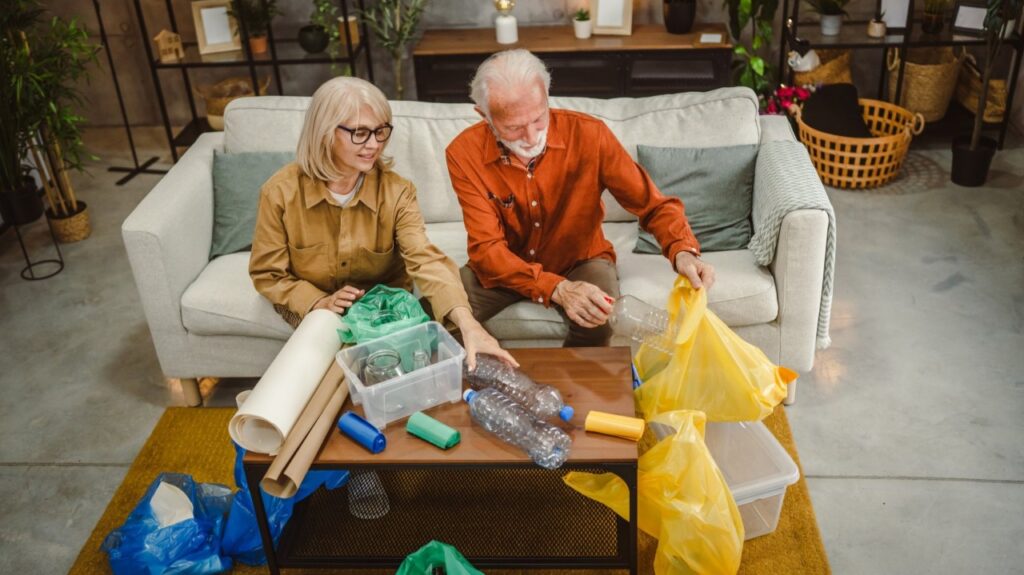
Discovering that a family member, aging parent, or close friend is living in a severely hoarded home is an emotionally overwhelming experience. Beyond the visible clutter, hoarding creates dangerous living conditions that threaten the resident’s physical health, safety, and mental well-being.
In coastal Florida communities like Melbourne, Palm Bay, Viera, and surrounding Brevard County, hoarding carries unique environmental risks. Subtropical heat and humidity transform trapped moisture, uncollected trash, expired food, and biological waste into breeding grounds for dangerous mold spores, airborne bacteria, pest infestations, and persistent bio-odors.
Clearing a hoarded home is not simply a matter of renting a dumpster and throwing items away. Hoarding is a recognized psychological condition, and forced cleanouts without psychological sensitivity often cause severe emotional trauma, damage family trust, and lead to rapid relapse.
Understanding the psychological root causes of hoarding, recognizing hidden biohazards, and partnering with certified, empathetic restoration professionals can help restore both your loved one’s living environment and their dignity.
The Psychology of Hoarding Disorder: Why “Just Throwing It Away” Fails
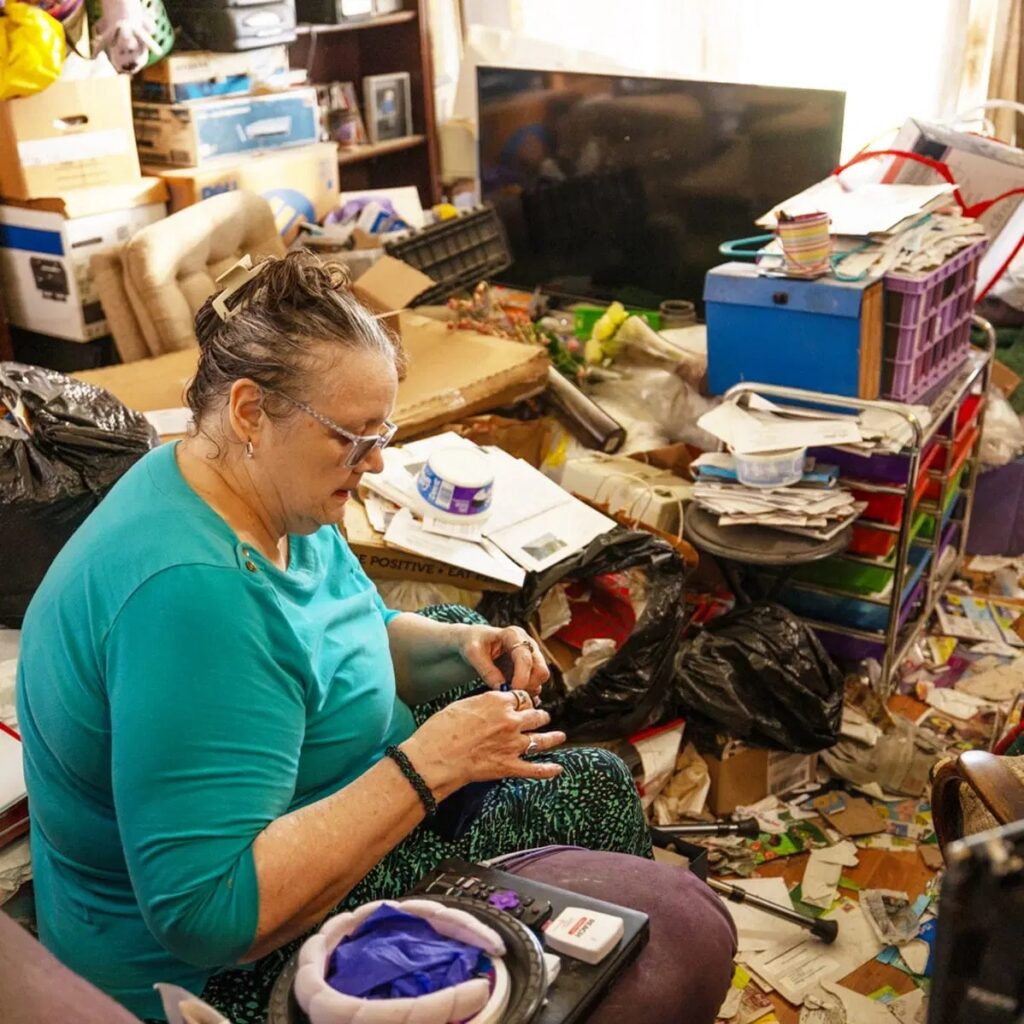
Hoarding Disorder is recognized by the American Psychiatric Association in the Diagnostic and Statistical Manual of Mental Disorders (DSM-5). It is defined as a persistent difficulty discarding or parting with possessions, regardless of their actual value, due to a perceived need to save them and distress associated with discarding them.
Crucial Insight: Forced cleanouts executed without the individual’s consent or psychological preparation carry a relapse rate near 100%. Unilateral intervention often causes deep emotional trauma, extreme anxiety, and intense resentment toward family members.
Understanding Emotional Attachments & Triggers
People who hoard often attach profound emotional weight, security, or intrinsic value to items that others view as trash or clutter. Common psychological drivers include:
- Trauma and Loss: Hoarding behavior frequently begins or accelerates after a major grief event, death of a spouse, severe illness, divorce, or financial hardship.
- Perceived Utility: The belief that every broken appliance, container, or paper item will be useful in the future.
- Emotional Safety Net: Possessions act as a physical wall shielding the individual from the outside world or internal distress.
- Executive Function Challenges: Difficulty organizing, categorizing, prioritizing, or making decisions about items.
Communication Strategies: Do’s and Don’ts
| Recommended Approach (Do) | Counterproductive Approach (Don’t) |
| Focus on safety and health: Express concern about working plumbing, fire exits, and air quality. | Focus on cosmetic clutter: Avoid saying “This place is a mess” or “How can you live like this?” |
| Use collaborative language: Say “Let’s work together to make your home safe for you.” | Issue ultimatum demands: Avoid “Clean this up by Friday or we’re calling code enforcement.” |
| Acknowledge emotional attachment: Validate that parting with items is hard. | Touch or discard items without permission: Never throw items away behind their back. |
| Praise incremental progress: Celebrate small victories, like clearing a single hallway or doorway. | Expect overnight transformations: Realizing lasting change requires patience and mental health support. |
Hidden Biohazards and Environmental Risks in Hoarded Homes
While floor-to-ceiling clutter is visually apparent, the most severe hazards in a hoarded property in Melbourne, FL are invisible or hidden beneath layers of debris. High humidity and warmth accelerate organic decomposition, turning stagnant environments into biohazard zones.
1. Mold, Mildew, and Fungal Proliferation
Trapped air, blocked HVAC vents, and hidden roof or plumbing leaks create ideal microclimates for toxic mold growth (Stachybotrys chartarum, Aspergillus, Penicillium). Moisture gets trapped under piles of clothing, cardboard boxes, and carpets, releasing millions of airborne spores that cause severe respiratory illness, chronic coughing, and asthma exacerbation.
2. Rodent, Insect, and Vector Infestations
Piles of paper, cloth, and accumulated food waste provide nesting grounds for rats, mice, cockroaches, and silverfish. Accumulated rodent urine and droppings dry out and become airborne, exposing occupants to dangerous pathogens such as Hantavirus, Leptospirosis, and Lymphocytic Choriomeningitis (LCMV).
3. Human and Animal Waste Accumulation
In advanced hoarding situations, toilets, sinks, and plumbing fixtures often become clogged or non-functional. Occupants or pets may resort to using bucket systems, puppy pads, or corner areas of the home. Accumulated urine and feces release toxic ammonia gas and hazardous pathogens, including E. coli, Salmonella, and Norovirus.
4. Structural Overloading and Fire Egress Hazards
The sheer weight of hoarded materials can exceed the load-bearing capacity of residential flooring, causing floor joists to sag or collapse. Blocked doorways, hallways, and windows eliminate escape routes during a fire and prevent emergency medical services (EMS) personnel from entering the home during a medical crisis.
5. Sharps, Medical Waste, and Rotting Food
Hidden among clutter may be broken glass, exposed nails, expired medication, or used medical syringes/sharps. Rotting perishable food releases volatile organic compounds (VOCs) and toxic bio-odors that penetrate deep into subflooring, drywall, and structural framing.
The 5 Levels of Hoarding: Assessing Property Severity
The National Study Group on Chronic Disorganization (NSGCD) developed the Clutter-Hoarding Scale to help families and professionals evaluate the severity of a home’s condition.
Level 1: Minimal Clutter ➔ Level 2: Moderate Clutter/Pests ➔ Level 3: Structural/Biohazard Risk ➔ Level 4: Severe Structural Issues ➔ Level 5: Catastrophic Hazards
| Hoarding Level | Environmental Conditions | Biohazard & Safety Risk Level | Professional Intervention Needed |
| Level 1 | Standard household clutter; all doors and stairways accessible; minor dust or pet hair. | Low: Safe living conditions; no immediate health hazards. | Basic organizational support; standard cleaning. |
| Level 2 | One major exit blocked; minor pet waste/odors; dirty dishes piled up; light insect activity; localized mold. | Moderate: Minor biohazard risk; elevated allergen exposure. | Professional organizers; light carpet cleaning & sanitation. |
| Level 3 | Multiple blocked egress routes; light structural damage; non-functional appliance; heavy pet waste/odors; minor rodent activity. | High: Active biohazard presence; indoor air quality degradation. | Biohazard remediation team; mental health support; HVAC cleaning. |
| Level 4 | Inaccessible living spaces; structural damage; plumbing failure; sewage backups; heavy rodent/pest infestation; rotting food. | Severe: High risk of airborne pathogens, toxic ammonia, structural collapse. | Certified biohazard remediation specialists (PuroClean); mental health therapist; structural repair contractor. |
| Level 5 | Severe structural failure; no working utilities; human waste accumulation; mass pet infestation or animal carcasses; complete exit blockage. | Catastrophic: Immediate threat to human life; OSHA Level B/C PPE mandatory. | Emergency biohazard intervention; code enforcement coordination; full structural overhaul. |
A Compassionate Step-by-Step Action Plan for Families
Helping a loved one recover from a hoarded environment requires a structured, multi-phase plan that prioritizes psychological well-being alongside physical remediation.
Phase 1: Build a Supportive Intervention Team
Do not attempt to tackle this alone. Form a supportive network that includes family members, a licensed mental health professional specializing in Hoarding Disorder or Cognitive Behavioral Therapy (CBT), and a compassionate restoration company.
Phase 2: Focus First on Life-Safety Zones
Start small. Focus conversations on clearing critical life-safety zones first:
- Clearing pathways to primary exterior doors for emergency egress.
- Restoring access to the primary bathroom and kitchen.
- Clearing space around HVAC air returns, water heaters, and electrical panels.
Phase 3: Partner with Certified Biohazard Remediation Specialists
When biohazards, mold, animal waste, or structural rot are present, professional intervention is necessary. Certified technicians enter the home equipped with personal protective equipment (PPE), full-face respirators, and containment systems.
Phase 4: Sorting with Dignity (Keep, Donate, Discard)
A professional remediation team works alongside the family and resident to establish clear sorting parameters:
- Keep: High-value items, cherished legal/personal documents, family heirlooms.
- Donate: Clean, functional items that can benefit local Melbourne charities.
- Discard / Decontaminate: Unsafe, bio-contaminated, or decayed materials bagged for certified disposal.
Phase 5: Deep Disinfection, Deodorization, and Aftercare
Once items are cleared, the property undergoes deep structural washdowns, EPA-registered hospital-grade disinfection, HEPA air scrubbing, and hydroxyl odor neutralization. Ongoing therapy and family check-ins help prevent future clutter accumulation.
Why Family Members Should Not Clean Severe Hoard Sites Alone
Attempting to clean a Level 3, 4, or 5 hoarded environment without professional training and specialized protective gear exposes family members to severe physical and emotional hazards:
- Disease Transmission: Handling rodent droppings, mold, human waste, or sharps carries high risks of Hepatitis, Hantavirus, bacterial infections, and puncture wounds.
- Emotional Burnout: Sorting through decades of personal belongings with a distressed family member often leads to heated arguments, emotional exhaustion, and broken relationships.
- Florida Biomedical Waste Laws: Under Florida Department of Health regulations (Chapter 64E-16, F.A.C.), biological waste and heavily contaminated materials must be transported by licensed biohazard haulers and incinerated with manifest tracking.
How PuroClean of Melbourne Restores Safety and Dignity
PuroClean of Melbourne delivers compassionate, discreet, and certified biohazard remediation and hoarding cleanup services across Melbourne, Viera, Palm Bay, and South Brevard County.
The PuroClean Difference
- Compassionate & Non-Judgmental Approach: Our certified technicians treat every client with utmost respect, empathy, and patience, understanding the emotional distress involved.
- Discreet Service: We respect your family’s privacy and offer unmarked service vehicles upon request.
- Certified Biohazard & Mold Specialists: Our team is trained under IICRC standards for Biohazard Cleanup, Applied Structural Drying, and Mold Remediation, adhering strictly to OSHA and Florida DOH regulations.
- Advanced Air Scrubbing & Odor Neutralization: We deploy industrial HEPA air scrubbers, ULV foggers, and thermal/hydroxyl generators to remove persistent bio-odors at the molecular level.
- Complete Structural Reconstruction: As a licensed general contractor, PuroClean manages the entire recovery process—from initial trash clearance and biohazard decontamination to subfloor replacement, drywall repair, painting, and reconstruction.
Contact PuroClean of Melbourne for Confidential Guidance
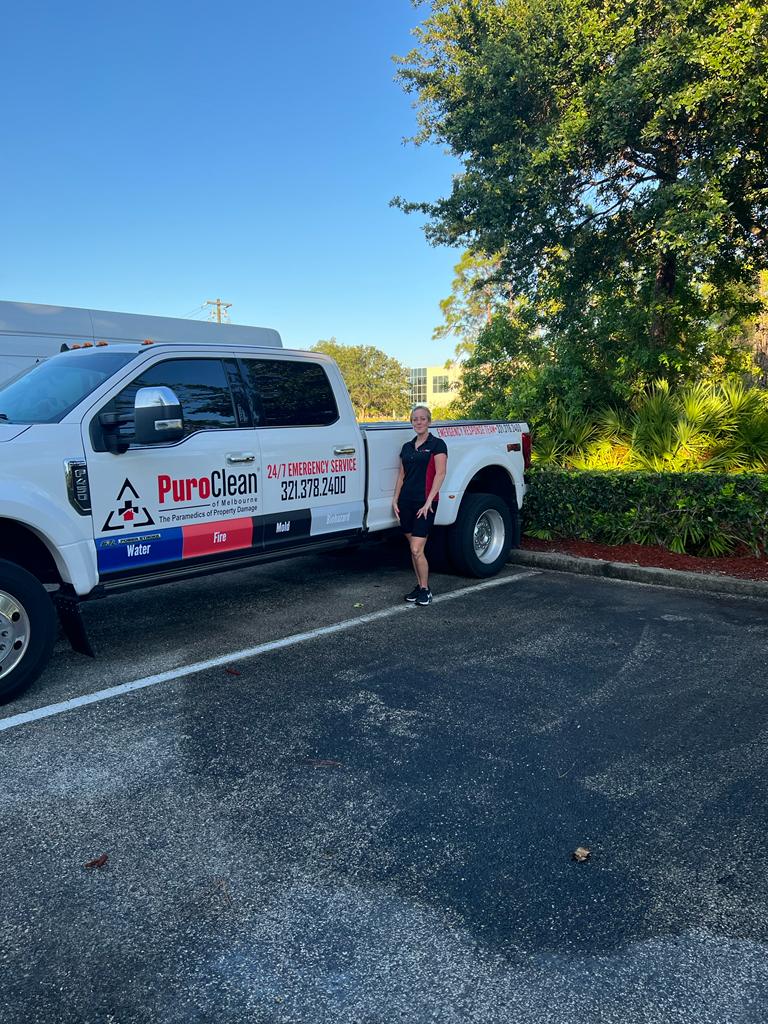
If you have a loved one in Melbourne, FL struggling with hoarding and unsafe living conditions, you don’t have to navigate this journey alone. Contact our local team for a confidential, respectful assessment.
Contact Information
- 24/7 Service Line: (321) 378-2400
- Office & Facility Address: 739 North Dr, Melbourne, FL 32934 (Located in the Coastal Technology Center)
- Official Website: PuroClean of Melbourne
Connect With Us Online
Call (321) 378-2400 today to speak with a compassionate specialist or schedule a private consultation in Melbourne, FL.