


Candles create atmosphere. They make a room feel warm, cozy, and inviting. But over time, the soot and smoke they produce silently accumulate on your walls, ceilings, and surfaces, leaving behind dark streaks, greasy stains, and a faint smoky odor that no amount of air freshener seems to fix.
The good news is that candle smoke stains on walls do not always require a fresh coat of paint. With the right cleaning methods, supplies, and a little patience, most homeowners can restore their walls to a clean, unmarked finish without the cost and disruption of a full repaint.

This guide walks you through exactly how to do that. We will cover what causes candle smoke stains, what supplies you need, a step-by-step cleaning process, how to handle stubborn stains, and when it is time to call in a professional restoration team.
What Is Candle Soot and Why Does It Stain Walls?
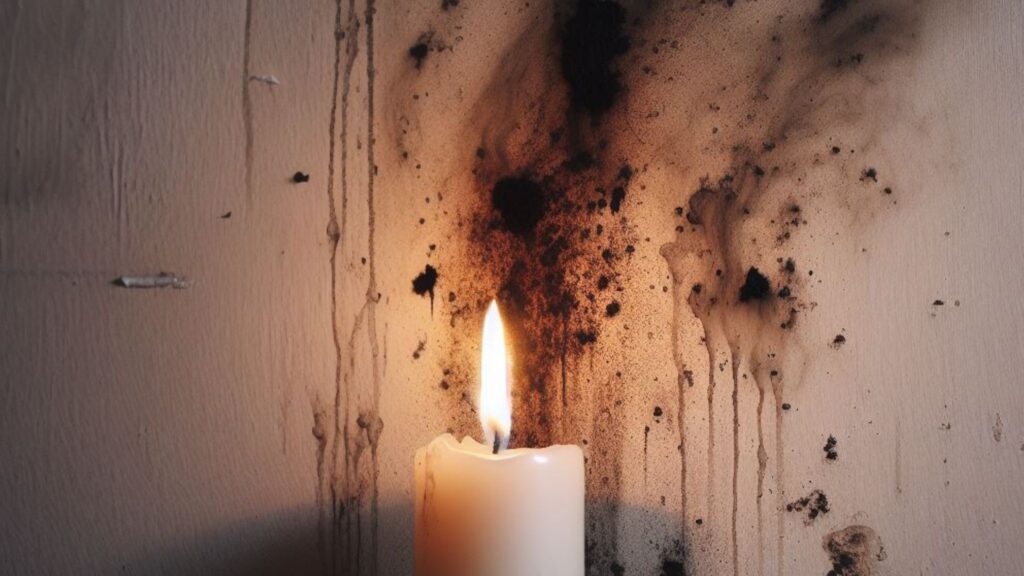
Before diving into the cleaning process, it helps to understand what you are actually dealing with. Candle soot is produced when a candle flame does not burn completely. Incomplete combustion releases fine carbon particles that rise with the warm air and settle on nearby surfaces, particularly walls and ceilings directly above or around the candle.
Candle soot is not just carbon, though. It also contains a mix of volatile organic compounds (VOCs), unburned hydrocarbons, and in some cases, chemicals from synthetic fragrance oils, dyes, and paraffin wax. This cocktail is what makes candle smoke residue both stubborn and potentially harmful to indoor air quality when allowed to accumulate.
The reason candle soot sticks so stubbornly to painted walls is twofold: the particles are extremely fine (allowing them to penetrate surface texture), and they carry a slight oily or waxy quality that bonds to painted surfaces, especially flat or matte finishes. This is also why simple wiping with a damp cloth usually just smears the stain rather than removing it.
What You Will Need Before You Start
Gathering the right supplies before you begin makes the process smoother and reduces the risk of damaging your walls. Here is what to have on hand:
- Dry chemical sponge (also called a dry soot sponge or chemical sponge) — this is the single most important tool for this job
- White microfiber cloths or soft white rags (avoid colored cloths that may transfer dye)
- Mild dish soap (clear or white, not heavily dyed)
- White vinegar
- Baking soda
- Trisodium phosphate (TSP) cleaner or TSP substitute for heavier staining
- Warm water in a bucket or spray bottle
- Drop cloth or old towels to protect flooring
- Rubber gloves
- A step stool or ladder if dealing with ceiling stains
A note on the dry chemical sponge: if you have never used one before, you may be surprised by how effective it is. Unlike regular sponges, a dry chemical sponge is made from vulcanized natural rubber and works by physically lifting and absorbing dry soot particles without spreading them. You can find them at hardware stores, cleaning supply shops, or online. It is worth buying before you attempt any other method.
Step-by-Step: How to Remove Candle Smoke from Walls
Step 1: Ventilate the Room and Protect Your Surfaces
Open windows and doors to provide fresh air before you begin. Place drop cloths or old towels at the base of the walls you are cleaning to catch any drips or debris. If you have any furniture near the stained areas, move it back to give yourself clear access.
Step 2: Start Dry – Use the Chemical Sponge First
This step is critical and most people skip it, which is exactly why their cleaning attempts fail or make the stain worse.
Before applying any liquid, use your dry chemical sponge to gently wipe the stained area. Use light, even strokes in one direction. Do not scrub back and forth. As the sponge surface becomes saturated with soot, cut or trim it slightly to expose a clean section. Continue until the sponge no longer picks up visible residue.
Why does this matter? If you apply water or cleaning solution directly to a dry soot stain, you risk driving the particles deeper into the paint or smearing the oily residue across a wider area. Dry removal first gives you the best chance of lifting as much contamination as possible before introducing moisture.
Step 3: Mix Your Cleaning Solution
For most candle smoke stains on painted walls, a simple solution works well as your starting point:
- 1 teaspoon of mild dish soap
- 1 cup of warm water
- 2 tablespoons of white vinegar
Stir gently to combine without creating excessive suds. The vinegar helps cut through the oily residue in the soot while the dish soap lifts the particles.
Step 4: Test on a Hidden Area First
Before cleaning the full stained area, test your solution on a small, inconspicuous section of wall. Apply a small amount with a damp cloth, let it sit for 30 seconds, then blot dry. Check that the paint color has not shifted and that the wall surface has not been damaged. Different paint finishes react differently to cleaning solutions, so this test is always worth doing.
Step 5: Clean the Stained Area Using a Blotting Motion
Dampen a clean white microfiber cloth with your cleaning solution and wring it out so it is barely damp, not wet. Apply to the stained area using a gentle blotting and dabbing motion rather than scrubbing. Work from the outside edge of the stain inward to avoid spreading it.
Rinse your cloth frequently with clean water and continue applying fresh solution as needed. Switch to a fresh cloth once the current one is visibly soiled.
Step 6: Rinse and Dry Thoroughly
Once the stain has been cleaned, go over the area with a cloth dampened in clean water only to remove any soap or vinegar residue. Then pat the area dry with a clean dry cloth. Allow the wall to air dry completely before assessing the results. Walls sometimes look darker when damp, so wait until fully dry before deciding if another pass is needed.
Dealing with Stubborn or Heavy Candle Smoke Stains
If the basic dish soap and vinegar solution does not fully remove the stain, it is time to step up to a stronger approach. Here are the options in order of intensity:
Baking Soda Paste
Mix baking soda with just enough water to form a thick paste. Apply a small amount to the stain with a soft cloth and let it sit for 5 to 10 minutes before gently wiping away. Baking soda is mildly abrasive and can help lift residue that a liquid solution alone cannot reach, while also neutralizing odor compounds in the soot.
Trisodium Phosphate (TSP) Cleaner
TSP is a heavy-duty cleaning agent widely used in smoke and soot remediation. It is highly effective on painted surfaces but requires careful handling. Always wear rubber gloves and eye protection when using TSP. Mix according to the manufacturer’s instructions, apply with a sponge, and rinse thoroughly. TSP can dull some paint finishes, so test in a hidden area first and use it as a last resort before considering repainting.
Commercial Smoke and Soot Cleaners
Products formulated specifically for soot and smoke residue removal are available at hardware and restoration supply stores. These are often used by professional restoration crews and can be very effective on heavy staining. Follow all label directions carefully.
How to Handle Candle Smoke Stains on Different Wall Surfaces
Not all walls are the same, and the cleaning approach should be adjusted based on the type of paint or wall covering you are working with.
Flat or Matte Paint
This is the most challenging surface to clean because flat paint has no protective sheen and absorbs liquids easily. Use the dry chemical sponge as much as possible and apply the minimum amount of moisture necessary. Aggressive scrubbing will remove paint. Work gently and accept that light residual staining may remain after cleaning.
Eggshell, Satin, and Semi-Gloss Paint
These finishes are more forgiving. The slight sheen creates a surface that resists penetration better and holds up to gentle cleaning more reliably. The full step-by-step method outlined above works well on these finishes.
Wallpaper
Proceed with extra caution on wallpaper. Always start with the dry chemical sponge only. If liquid cleaning is needed, use the mildest solution possible and apply with a barely damp cloth. Avoid oversaturating the paper, which can cause lifting, bubbling, or tearing. Vinyl-coated wallpapers tolerate moisture better than traditional paper wallpapers.
Textured Walls
Textured surfaces like orange peel, skip trowel, or popcorn finishes trap soot particles in their crevices. The dry sponge technique is especially important here. For wet cleaning, a soft-bristled brush can help work solution into the texture without damaging it. Always blot rather than wipe to avoid pulling the texture off the surface.
Eliminating the Smell: Addressing Candle Smoke Odor on Walls
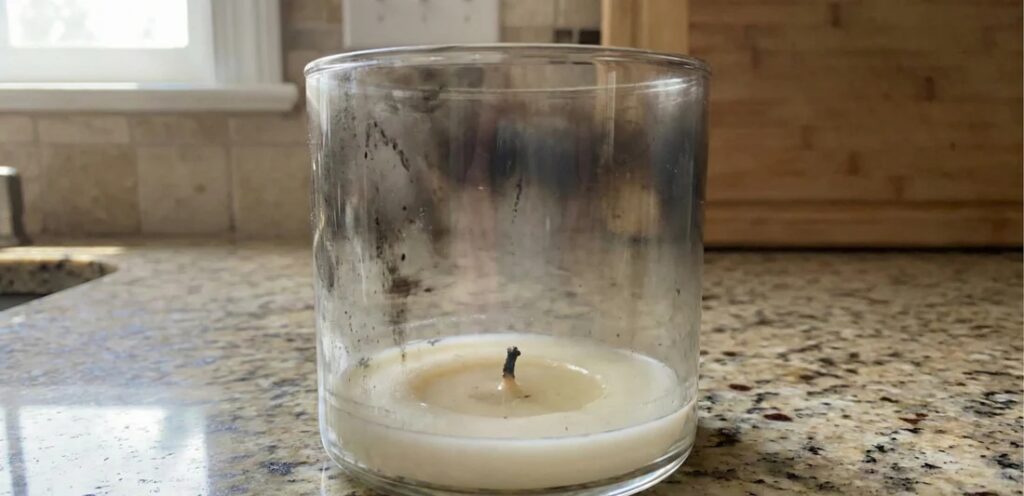
Removing the visible stain is only half the job. Candle smoke odor can linger even after the surface looks clean, because odor molecules bind to the wall surface and to any remaining residue in the paint.
Here are effective strategies for addressing the smell:
- White vinegar rinse: After cleaning, wipe the wall down with a solution of equal parts white vinegar and water. Vinegar neutralizes many odor-causing compounds. The vinegar smell dissipates quickly as it dries.
- Baking soda: Sprinkle baking soda lightly on carpets or upholstered furniture nearby that may have absorbed odor, leave for several hours, then vacuum.
- Activated charcoal: Place bowls of activated charcoal near the affected walls. Activated charcoal is highly effective at absorbing airborne odor compounds over several days.
- Ventilation: Run fans and keep windows open as much as possible during and after cleaning to carry odor-laden air out of the space.
- Odor-blocking primer: If the smell persists after thorough cleaning, applying an odor-blocking primer (such as a shellac-based primer) before repainting seals in residual odor compounds and prevents them from bleeding through new paint.
Persistent odor after cleaning is often a sign that the contamination has penetrated more deeply than surface cleaning can address. If the smell keeps returning despite your best efforts, it may be time to consult a professional.
Preventing Candle Smoke Stains from Coming Back
The best way to deal with candle smoke stains is to minimize the amount of soot your candles produce in the first place. A few simple habits make a significant difference:
- Trim candle wicks to about one quarter of an inch before each use. A long wick produces a larger, less stable flame that generates far more soot.
- Choose candles made from soy wax or beeswax rather than paraffin. Paraffin is a petroleum byproduct that burns less cleanly and produces more soot than natural wax alternatives.
- Avoid burning candles near air vents or in drafty areas. Moving air causes the flame to flicker and burn incompletely, which significantly increases soot production.
- Do not burn candles for more than four hours at a time. Prolonged burning increases the likelihood of soot production as the wick becomes too long and the wax pool becomes too deep.
- Use candle holders or hurricanes that shield the flame from air movement and direct soot upward and away from walls.
- Position candles away from walls, especially directly below a wall or in corners where heat and smoke naturally concentrate.
These small adjustments will not eliminate soot entirely, but they can dramatically reduce the rate at which it accumulates on your walls and surfaces.
When DIY Is Not Enough: Signs You Need Professional Help
Most candle smoke staining is a surface-level cosmetic issue that homeowners can handle themselves. But there are situations where professional smoke damage restoration is the right call:
- The staining covers large sections of multiple walls or has spread to ceilings throughout the home
- The smoke odor persists throughout the home despite repeated cleaning attempts
- There is visible black residue in or around HVAC vents, suggesting soot has entered the duct system
- Family members are experiencing unexplained respiratory symptoms, headaches, or eye irritation
- The staining has been present for a long time and has penetrated deeply into the paint or drywall
- You are preparing to sell your home and need documentation that the damage has been professionally addressed
In these situations, attempting to handle cleanup yourself can make the problem worse, spread contamination, or create the illusion of cleanliness while leaving harmful residue behind.
Frequently Asked Questions About Candle Smoke Stains on Walls
Will Magic Eraser remove candle soot from walls?
Magic Erasers (melamine foam) can be helpful on some surfaces, but they are mildly abrasive and can dull or remove paint, especially on flat or matte finishes. They are best used with caution and only after dry sponge cleaning. Test on a hidden area first and use very light pressure.
Can I just paint over candle soot stains?
Painting directly over soot without cleaning and priming first almost always leads to the stain bleeding through the new paint, even after multiple coats. If you do choose to repaint after cleaning, apply a stain-blocking, odor-sealing primer first to prevent bleed-through.
How long has the candle been causing damage before I notice stains?
Soot accumulates gradually and is often not visible until a significant amount has built up. By the time you notice a dark streak or shadow on the wall, residue has likely been accumulating for weeks or months. Regular inspection of walls near frequently used candles helps catch staining early when it is easiest to remove.
Is candle soot on walls a health hazard?
It can be. Candle soot contains fine particulate matter and VOCs that can affect indoor air quality, particularly in enclosed spaces with limited ventilation. For most healthy adults, occasional exposure is unlikely to cause serious harm. However, people with asthma, allergies, or respiratory conditions, as well as young children and older adults, may be more sensitive to even low levels of soot contamination.
Need Professional Smoke Damage Help in Melbourne, Florida? Call PuroClean of Melbourne
Candle smoke stains are frustrating, but they are manageable with the right approach. Most homeowners can tackle light to moderate staining using the methods outlined in this guide. But when the damage goes beyond what a sponge and cleaning solution can fix, PuroClean of Melbourne is here to help.
We specialize in fire and smoke damage restoration for homes and businesses across Melbourne, Palm Bay, Viera, Rockledge, Cocoa Beach, and all of Brevard County, Florida. Our trained technicians use professional-grade equipment and proven techniques to remove smoke residue, eliminate odors, and restore your home to a clean and healthy condition, without cutting corners.
Whether you are dealing with the aftermath of a fire, persistent smoke odor, or years of candle soot buildup that has gotten out of hand, we are available 24 hours a day, 7 days a week to take your call.
Contact PuroClean of Melbourne today: call us at (321) 378-2400 or email [email protected] to schedule an assessment. Learn more about our services at puroclean.com/melbourne-fl-puroclean-melbourne.
PuroClean of Melbourne
739 North Dr, Melbourne, FL 32934
Open 24 Hours
Serving Melbourne, Palm Bay, Viera, Rockledge, Cocoa Beach, and all of Brevard County, Florida.

Connect With Us on Social Media!
Instagram | Facebook | Direction | Check Reviews | Yelp