 PuroClean of Melbourne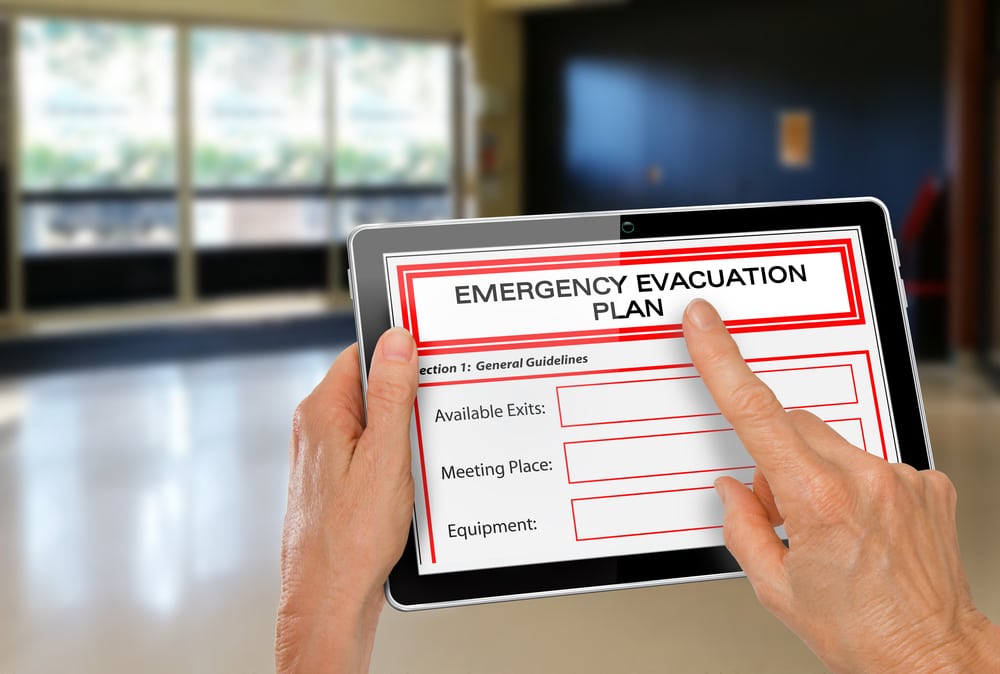
Living in Melbourne, Florida means enjoying year-round sunshine, beautiful beaches, and the vibrant Space Coast lifestyle. However, it also means respecting the power of Atlantic hurricanes that threaten our community each year from June through November. As Brevard County residents, we’ve weathered our share of storms from Hurricane Irma’s destructive winds to the flooding impacts of Hurricane Nicole and we understand that preparedness isn’t just smart planning; it’s essential for protecting your family, your home, and your peace of mind.
Water Damage in Melbourne, FL
At PuroClean of Melbourne, we’ve helped hundreds of homeowners recover from hurricane damage over the years. We’ve seen firsthand how proper preparation can mean the difference between minor inconvenience and catastrophic loss. While we’re always here at (321) 378-2400 when disaster strikes, our goal is to help you avoid needing our emergency services in the first place. This comprehensive guide provides Melbourne homeowners with the knowledge and actionable steps needed to prepare your property and family for hurricane season.
Understanding Melbourne’s Hurricane Risk
Melbourne’s location along Florida’s Atlantic coast places us directly in the path of hurricanes tracking through the Caribbean and up the Eastern Seaboard. Our proximity to the ocean, the Indian River Lagoon, and the Intracoastal Waterway creates multiple vulnerabilities—not just from wind damage but from storm surge, flooding, and water intrusion.
READ ALSO: How Long Does Water Damage Restoration Take? Local Expert Answers
Brevard County experiences tropical storm or hurricane conditions approximately every three years on average, with major hurricanes hitting less frequently but with devastating consequences. Properties near the beachfront face the highest storm surge risks, while inland areas aren’t immune—flooding from heavy rainfall affects neighborhoods throughout Melbourne regardless of distance from the coast.
Understanding your specific risk helps you prepare appropriately. Coastal properties require more extensive storm surge preparation, while homes near retention ponds or in low-lying areas need focused flood protection. Older homes built before modern building codes may have structural vulnerabilities that newer construction doesn’t face. Knowing your property’s specific challenges allows you to address them effectively before storm warnings are issued.
Creating Your Hurricane Preparedness Timeline
Effective hurricane preparation doesn’t happen in the 48 hours before a storm approaches. It requires planning throughout the year, with specific actions taken at different stages of preparation. Breaking preparation into manageable phases ensures you’re ready when hurricane warnings are issued rather than scrambling with everyone else at the last minute.
Year-Round Preparation (January-May)
The months before hurricane season officially begins on June 1st are ideal for major preparation tasks that require time, planning, or professional services. This is when you should schedule home inspections to identify vulnerabilities, complete property improvements that enhance storm resistance, review and update your insurance coverage, and assemble or replenish emergency supplies.
Start by conducting a thorough property assessment. Walk around your home looking for potential problems: damaged roof shingles or tiles that could blow off in high winds, dead or overhanging tree branches that could fall on your home, loose siding or trim that needs securing, cracks in your foundation or exterior walls where water could intrude, and windows or doors that don’t seal properly.
Address these issues during the off-season when contractors aren’t overwhelmed with emergency requests and materials are readily available. Roof repairs, tree trimming, gutter cleaning, and other maintenance tasks are easier to schedule and often less expensive when completed outside of hurricane season.
This is also the time to review your homeowners insurance policy. Verify that your coverage is adequate for rebuilding your home at current construction costs, understand your deductibles (hurricane deductibles are often higher than standard deductibles), confirm whether you have flood insurance (required for many mortgages, recommended for all Melbourne properties), and document your belongings with photos or video for insurance purposes.
At PuroClean of Melbourne, we recommend taking detailed photos of every room in your home, including close-ups of valuable items, electronics, furniture, and appliances. Store these images in cloud storage or with important documents outside your home so they’re accessible even if your property is damaged.
Early Season Preparation (June-July)
As hurricane season begins, shift focus to finalizing your preparation plan and ensuring all systems are ready. June and July typically see less hurricane activity than later months, giving you time to complete remaining tasks without the pressure of an approaching storm.
Hurricane Preparedness: Essential Tips & Guidelines for The Grand Venezia Residents
Finalize your family emergency plan during this period. Establish communication protocols—designate an out-of-state contact person everyone can reach if local communication is disrupted, ensure all family members know evacuation routes and meeting locations, discuss care plans for pets (many shelters don’t accept animals), and practice your plan so everyone knows what to do.
Stock your emergency supply kit with essentials that will sustain your family for at least seven days. Hurricane recovery often takes longer than expected, and supply chains can be disrupted for a week or more after major storms. Your kit should include water (one gallon per person per day), non-perishable food and manual can opener, prescription medications and first aid supplies, flashlights and extra batteries (avoid candles due to fire risk), battery-powered or hand-crank radio for weather updates, cash (ATMs and credit card systems may not work after storms), important documents in waterproof containers, and phone chargers including portable battery packs.
Test your generator if you have one, ensuring it runs properly and you have adequate fuel stored safely. If you don’t have a generator, early season is the time to consider purchasing one—they sell out quickly once storms threaten.
Pre-Storm Preparation (When Storms Form)
When meteorologists begin tracking a system that could threaten Melbourne, it’s time to activate your preparation plan. Even if the storm is days away, starting early ensures you complete all tasks without the chaos that develops as landfall approaches.
Monitor weather forecasts closely through reliable sources like the National Hurricane Center, local news outlets, and the National Weather Service Melbourne office. Social media can spread misinformation during storms, so stick with official sources for critical information.
READ ALSO: What to Do Immediately After Finding Water Damage
Begin outdoor preparation by securing or bringing inside loose items that could become projectiles in high winds—patio furniture, grills, potted plants, decorations, and toys. Trim any branches that pose immediate threats. Clean gutters and downspouts to ensure proper drainage during heavy rainfall.
Protect windows and doors according to your preparation level. Installing hurricane shutters provides the best protection. If you don’t have permanent shutters, plywood boards cut to fit your windows (prepared during off-season) should be installed. Never tape windows—this doesn’t prevent breakage and can create larger, more dangerous shards of glass.
Fill bathtubs and large containers with water for flushing toilets and washing (not for drinking—use stored bottled water). Turn your refrigerator and freezer to coldest settings so they’ll maintain safe temperatures longer if power is lost. Freeze containers of water to help keep food cold and provide ice for emergencies.
Charge all electronic devices, portable batteries, and battery packs. Fill vehicles with gas—stations often run out as storms approach, and pumps won’t work without electricity after storms pass.
Final Hours Before Impact (24-48 Hours Before)
As the storm approaches within 24 to 48 hours of Melbourne, complete final preparations and make the critical decision about whether to evacuate or shelter in place. This decision depends on multiple factors: official evacuation orders for your area, your home’s location and construction, your family’s health needs and mobility, and the storm’s projected intensity and track.
Never ignore mandatory evacuation orders. These are issued for areas facing life-threatening storm surge or wind conditions. Brevard County Emergency Management provides evacuation zone maps—know your zone and follow guidance when evacuation orders are issued.
If you’re evacuating, do so early before roads become congested and before weather deteriorates. Bring your emergency supply kit, important documents, medications, phone chargers, and supplies for pets. Secure your home before leaving by turning off utilities at main switches if instructed, unplugging electronics to prevent surge damage, and locking all windows and doors.
If sheltering in place, identify the safest room in your home—typically an interior room on the lowest floor without windows, such as a bathroom or closet. Bring emergency supplies, mattresses or sleeping bags, and entertainment for children into this safe room. Stay away from windows and exterior walls during the storm.
Protecting Your Property from Water Damage
Water intrusion causes more hurricane damage in Melbourne than wind in many cases. Storm surge, heavy rainfall, and wind-driven rain can all flood your property or cause interior water damage that leads to expensive restoration and potential mold growth.
Seal vulnerable entry points before storms arrive. Apply weatherstripping around doors and windows, seal cracks in exterior walls with caulk, check that door sweeps are in good condition, and ensure garage doors seal properly (these are particularly vulnerable to wind and water intrusion).
Consider installing backflow valves in your plumbing to prevent sewage backups during flooding. These devices allow water to flow out of your home but prevent contaminated water from backing up into your property—a common problem during major flooding events.
Elevate valuable items and important documents to upper floors or high shelves before storms. Move electronics, furniture, and irreplaceable items away from exterior walls and windows. Store important papers, photos, and heirlooms in waterproof containers on upper levels.
Know where your main water shut-off valve is located and how to turn it off. If flooding threatens or you must evacuate, shutting off water prevents additional damage from broken pipes or plumbing failures during the storm.
Document your property’s condition before the storm with photos or video showing all rooms, the exterior, and the condition of roofs, fences, and other structures. This documentation becomes invaluable for insurance claims if damage occurs.
What to Do During the Storm
Once the storm arrives, safety becomes the only priority. Stay indoors and away from windows, even if it seems calm—hurricane eye walls can create temporary lulls that tempt people outside, only to be followed by the storm’s most violent winds from the opposite direction.
Monitor weather updates on battery-powered radio or mobile devices. Be aware of tornado warnings—hurricanes often spawn tornadoes that can strike with little warning. If a tornado warning is issued, move immediately to your designated safe room.
Never go outside during the storm to assess damage or make repairs. Wind speeds can increase suddenly, and flying debris poses lethal risks. Flooding can hide downed power lines that electrify standing water. Wait until authorities declare it safe before venturing outside.
If you lose power, use flashlights rather than candles to prevent fire risks. Keep refrigerators and freezers closed to maintain temperature as long as possible. Avoid using generators indoors or in garages—carbon monoxide poisoning kills multiple people during every major hurricane in Florida.
Post-Storm Safety and Assessment
After the storm passes and authorities declare it safe to go outside, your first priority is assessing safety risks before assessing property damage. Look for downed power lines, treat all lines as if they’re energized, damaged trees or structures that could collapse, flooding that may hide hazards beneath water, and gas leaks (if you smell gas, evacuate immediately and call emergency services).
READ ALSO: Tornado Preparedness and Water Damage in Melbourne, FL
Document all damage thoroughly with photos and videos before making any repairs or moving debris. This documentation supports your insurance claims and helps restoration professionals understand the full scope of damage. Photograph water lines on walls showing flood height, structural damage to roofs, walls, or foundations, damaged belongings and furniture, and exterior damage to your property.
If your home has significant damage, particularly water intrusion, contact PuroClean of Melbourne immediately at (321) 378-2400. We’re available 24/7 after storms to provide emergency water extraction, structural drying, and damage mitigation services. The faster professional restoration begins, the less total damage your property sustains and the lower your ultimate restoration costs.
Take reasonable steps to prevent additional damage—this is required by insurance policies and protects your property. Cover broken windows or damaged roofs with tarps if you can do so safely. Extract standing water if possible using wet/dry vacuums or pumps. Remove wet contents to prevent mold growth. However, never put yourself at risk attempting these tasks if conditions are unsafe.
Contact your insurance company to report damage as soon as possible. Most policies require prompt notification, and delays can complicate claims. Be prepared with your policy number, a description of damage, and your contact information.
Dealing with Extended Power Outages
Extended power outages are common after hurricanes, sometimes lasting days or weeks in severely affected areas. Melbourne has experienced outages exceeding a week after major storms, so prepare for this possibility.
Food safety becomes critical during outages. A full freezer maintains safe temperatures for about 48 hours if you keep it closed; a refrigerator keeps food safe for about 4 hours. After these timeframes, perishable foods should be discarded. When in doubt, throw it out—foodborne illness is a serious risk after disasters.
Generators provide valuable backup power but must be used safely. Never operate generators indoors, in garages, or near windows where exhaust can enter your home. Carbon monoxide is odorless and deadly—multiple fatalities occur during every hurricane season from improper generator use. Place generators at least 20 feet from your home, operate them outdoors in well-ventilated areas, and install battery-operated carbon monoxide detectors in your home.
Conserve phone battery power during outages. Limit non-essential use, close unnecessary apps, reduce screen brightness, and use portable battery packs to recharge devices. Communication may be your most important resource for receiving updates and contacting help if needed.
Special Considerations for Melbourne Properties
Melbourne’s unique characteristics create specific preparation needs that homeowners should address. Properties near the beach, Intracoastal Waterway, or Indian River Lagoon face significant storm surge risks. Storm surge—the abnormal rise of water generated by a storm—can reach several feet above normal tide levels, flooding coastal properties rapidly. If you live in an evacuation zone, take storm surge warnings seriously and evacuate when ordered.
Older homes in established Melbourne neighborhoods may lack the structural reinforcement of newer construction built to modern Florida Building Code standards. If your home was built before 1994 (when Florida significantly strengthened building codes), consider having a professional inspection to identify vulnerabilities and recommend upgrades like hurricane straps, impact-resistant windows, or reinforced garage doors.
Properties with mature trees provide wonderful shade and character but create hurricane risks. Large trees can fall on structures, and even smaller branches become dangerous projectiles in high winds. Regular tree maintenance, removing dead or diseased trees, and strategic pruning reduce these risks significantly.
Condo and townhome owners have specific preparation needs. Review your association’s hurricane plan and understand what preparation the association handles versus your individual responsibilities. Secure balcony furniture and items that could blow onto neighboring units. Know where your unit’s water shut-off valves are located and how to protect your interior if windows or doors are breached.
After the Storm: Recovery and Restoration
Hurricane recovery extends well beyond the storm’s passage. Brevard County communities often face weeks or months of restoration work after major hurricanes, and understanding the recovery process helps you navigate this challenging period.
READ ALSO: Severe Storm Water Damage in Brevard County: 2026 Preparedness Guide
Be patient with restoration timelines. After major storms, demand for contractors, restoration services, and supplies exceeds availability. At PuroClean of Melbourne, we prioritize emergency services and work as quickly as possible, but widespread disasters mean longer wait times for non-emergency repairs.
Beware of contractor fraud that unfortunately becomes common after disasters. Unlicensed contractors from outside the area often descend on storm-damaged communities, offering quick repairs at premium prices and delivering substandard work or disappearing with deposits. Choose licensed, local contractors with established reputations and verifiable references. PuroClean of Melbourne has served Brevard County for years—we’re located at 739 North Dr, and we’re invested in our community’s long-term recovery.
Document all repair costs and save receipts. Insurance claims may extend for months, and thorough documentation ensures you receive appropriate compensation for all hurricane-related expenses. Keep detailed records of temporary living expenses if you must relocate during repairs—many policies cover these costs.
Consider improvements during restoration that enhance future storm resistance. If replacing a roof, upgrade to impact-resistant materials. When replacing windows, choose impact-resistant models. Use these opportunities to make your home more resilient to future storms.
The Importance of Flood Insurance
Standard homeowners insurance does not cover flood damage, and many Melbourne homeowners learn this too late. Flood insurance is a separate policy typically obtained through the National Flood Insurance Program (NFIP), though private flood insurance is increasingly available.
Storm surge is classified as flooding, not wind damage, meaning your homeowners policy won’t cover it. Given Melbourne’s coastal location and storm surge risks, flood insurance isn’t optional—it’s essential protection for your most valuable asset.
Flood insurance requires a 30-day waiting period before taking effect, so you cannot purchase it when a storm threatens. Review your flood insurance coverage during the off-season, and obtain coverage if you don’t have it. Even properties outside designated flood zones benefit from flood insurance—approximately 25% of flood claims come from moderate-to-low-risk areas.
Protecting Your Mental Health During Hurricane Season
Hurricane preparedness isn’t just about physical protection—it’s also about managing the stress and anxiety that hurricane season brings. Many Melbourne residents experience increased anxiety as storm threats develop, and this is completely normal given the real risks we face.
Preparation itself reduces anxiety by giving you control and confidence. Knowing you’ve done everything possible to protect your family and property provides peace of mind when storms threaten. Focus on what you can control and accept what you cannot.
Limit media consumption during storm threats. While staying informed is important, constant exposure to weather updates and storm coverage increases anxiety without providing additional useful information. Check reliable sources a few times daily rather than monitoring continuously.
Maintain routines as much as possible during preparation and recovery periods. Routines provide stability and normalcy that help both adults and children manage stress. After storms, returning to regular activities as soon as safe supports emotional recovery.
Seek support if hurricane anxiety becomes overwhelming. Talking with friends, family, or mental health professionals helps process fears and develop healthy coping strategies. Remember that anxiety about genuine threats is normal—preparation and support help you manage it effectively.
Community Resources and Support
Melbourne and Brevard County provide numerous resources to support hurricane preparation and recovery. Brevard County Emergency Management (www.brevardprepares.com) offers comprehensive information about evacuation zones, shelter locations, preparation guidance, and emergency alerts. Register for emergency notifications to receive official updates during storm threats.
Know your evacuation zone and nearest shelter locations before storms threaten. Brevard County operates shelters during evacuations, including special needs shelters for residents requiring electrical power for medical equipment or those with mobility challenges. Register with Brevard County Special Needs Registry if you or a family member requires special accommodations during evacuation.
Local organizations provide recovery assistance after major storms. Faith-based organizations, volunteer groups, and community organizations mobilize to help neighbors recover. Don’t hesitate to ask for help if you need it—Floridians are resilient and communities support each other through disaster recovery.
Conclusion: Preparedness Brings Peace of Mind
Hurricane preparedness requires effort, planning, and investment, but it provides invaluable protection for your family, your home, and your financial security. As Melbourne homeowners, we cannot prevent hurricanes from threatening our community, but we can control how prepared we are when they arrive.
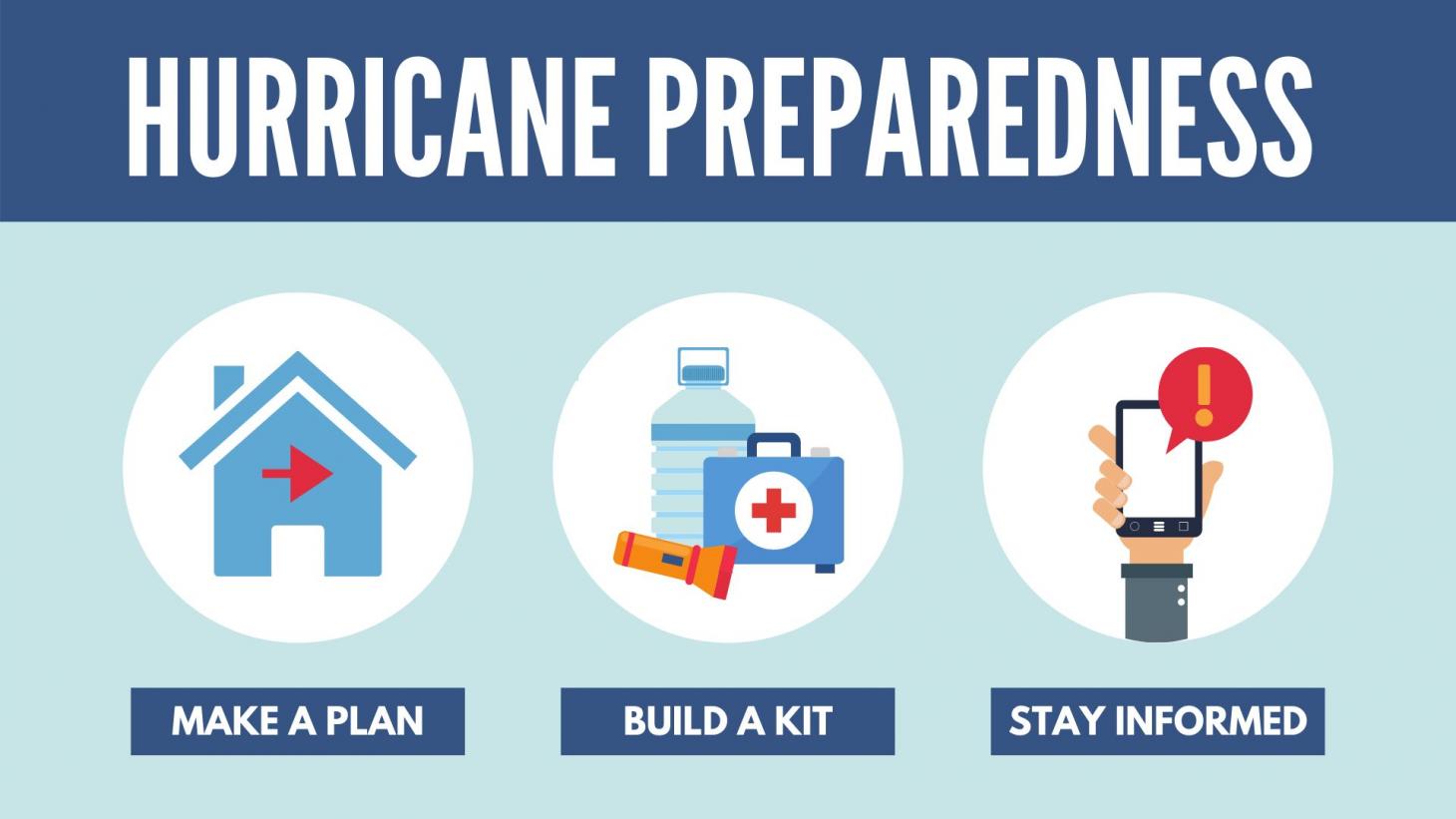
Start your preparation today, regardless of whether storms currently threaten. Review your insurance coverage, create your emergency plan, assemble your supply kit, and address property vulnerabilities. These steps take time, so spreading them across months makes preparation manageable rather than overwhelming.
READ ALSO: How to File an Insurance Claim After Flood Damage in Brevard County
Remember that PuroClean of Melbourne is here to support you throughout hurricane season and beyond. While we hope you never need our emergency restoration services, we’re available 24/7 at (321) 378-2400 when disaster strikes. From water extraction and structural drying to complete restoration after hurricane damage, our team brings expertise, professional equipment, and commitment to helping Brevard County homeowners recover.
Visit our website at www.puroclean.com/melbourne-fl-puroclean-melbourne for additional resources and information about our comprehensive disaster restoration services. You can also email us at [email protected] with questions about hurricane preparation or recovery.
Hurricane season challenges us every year, but preparation transforms uncertainty into confidence. By following this guide and taking action before storms threaten, you’ll protect what matters most and face hurricane season with the peace of mind that comes from knowing you’re ready for whatever the Atlantic sends our way.

Connect With Us on Social Media!


 PuroClean of Melbourne