 PuroClean of Melbourne
When a fire breaks out in your home, even a small one, the immediate priority is getting everyone to safety. Once the flames are extinguished and the fire department gives the all-clear, many Brevard County homeowners face a critical question: Is it safe to stay in my home?
The answer isn’t always straightforward. While a small kitchen fire or electrical mishap might seem manageable, the aftermath can pose serious health and safety risks that aren’t immediately visible. Understanding these dangers and knowing when professional restoration is necessary can protect your family’s health and prevent further damage to your property.

The Hidden Dangers of Fire Damage
After a fire is extinguished, many homeowners make the mistake of thinking the danger has passed. Unfortunately, this couldn’t be further from the truth. Fire damage extends far beyond visible flames and charred materials, creating hazards that can persist for days, weeks, or even months if not properly addressed.
Smoke Damage and Toxic Residue
Smoke is perhaps the most insidious byproduct of any fire, regardless of size. When materials burn, they release a complex mixture of gases, particles, and chemicals that permeate every surface in your home. Modern homes contain countless synthetic materials in furniture, carpeting, electronics, and building materials. When these items burn, they release toxic compounds including:
Fire and Smoke Damage Restoration in Melbourne, FL
Carbon monoxide, a colorless, odorless gas that can cause headaches, dizziness, nausea, and in high concentrations, death. Even after a fire is out, carbon monoxide can linger in enclosed spaces.
Volatile organic compounds (VOCs) from burning plastics, foams, and synthetic fabrics can cause respiratory irritation, headaches, and long-term health effects with prolonged exposure.
Hydrogen cyanide is released when materials containing nitrogen burn, such as wool, silk, polyurethane, and certain plastics. This highly toxic gas can cause confusion, respiratory distress, and even cardiac arrest.
Particulate matter consists of tiny soot particles that can penetrate deep into your lungs, causing respiratory problems, especially in children, elderly individuals, and those with pre-existing conditions like asthma or COPD.
Smoke doesn’t just dissipate after a fire. It travels throughout your home via air ducts, settles on surfaces, and embeds itself in porous materials like drywall, insulation, carpet, and upholstery. Even rooms far from the fire’s origin can harbor dangerous smoke residue.
Read Also: Fire destroys Merritt Island home – WFTV
Soot Contamination
Soot is the black, powdery substance left behind after combustion. While it might look like harmless dust, soot is actually highly acidic and can cause significant damage to both your property and your health. There are different types of soot, each with unique properties:
Dry smoke residue results from fast-burning, high-temperature fires and appears as a fine, powdery substance that smears easily.
Wet smoke residue comes from slow-burning, low-temperature fires and is sticky, thick, and has a strong odor. It’s particularly difficult to clean and tends to smear across surfaces.
Protein residue from kitchen fires is nearly invisible but leaves a strong, pungent odor and can discolor varnishes and painted surfaces.
Fuel oil soot from furnace malfunctions is sticky and penetrates deeply into porous materials.
Soot contains carcinogens and can cause respiratory irritation, skin problems, and eye irritation. When disturbed, soot particles become airborne and can be easily inhaled. Attempting to clean soot without proper equipment and techniques often makes the situation worse by spreading it to unaffected areas.
Structural Integrity Concerns
Even small fires can compromise the structural integrity of your home in ways that aren’t immediately apparent. Heat can weaken wooden beams, studs, and joists without visibly charring them. Metal fasteners, brackets, and supports can lose their strength when exposed to high temperatures.
Fire can also damage electrical wiring, creating shock and fire hazards. Insulation around wiring may melt or burn, exposing live wires. Connections can become loose or corroded. Without a professional inspection, these hidden electrical hazards could lead to electrocution or another fire.
Water damage from firefighting efforts adds another layer of complexity. The water used to extinguish the fire can saturate drywall, insulation, and wooden structures, leading to mold growth within 24 to 48 hours. Water can also compromise the structural integrity of building materials and create electrical hazards if it comes into contact with wiring or outlets.
Health Risks of Staying in a Fire-Damaged Home
The decision to remain in your home after a fire can have serious health implications, particularly for vulnerable populations.
Respiratory Problems
The most immediate health concern is respiratory irritation and damage. Breathing air contaminated with smoke particles, soot, and toxic gases can cause coughing, wheezing, shortness of breath, and chest pain. For individuals with asthma, COPD, or other respiratory conditions, exposure to these contaminants can trigger severe attacks and exacerbate existing conditions.
Children are particularly vulnerable because their respiratory systems are still developing and they breathe more rapidly than adults, increasing their exposure to airborne contaminants. The elderly and those with compromised immune systems are also at higher risk for respiratory complications.
Long-term exposure to fire-damaged environments has been linked to chronic respiratory issues, including decreased lung function and increased susceptibility to respiratory infections.
Skin and Eye Irritation
Soot and smoke residue can cause significant skin irritation, including rashes, itching, and chemical burns. When soot particles come into contact with skin, they can cause allergic reactions or irritate existing skin conditions.
Eye irritation is another common complaint, with symptoms including redness, itching, burning, and excessive tearing. Smoke particles can scratch the cornea or cause conjunctivitis. In severe cases, chemical burns to the eyes may occur.
Neurological Effects
Exposure to carbon monoxide and other toxic gases can cause neurological symptoms ranging from mild to severe. Headaches, dizziness, confusion, and fatigue are common complaints. In cases of significant exposure, individuals may experience memory problems, difficulty concentrating, mood changes, and even personality alterations.
These symptoms can persist for days or weeks after the initial exposure, and in some cases, may lead to long-term neurological damage.
Mental Health Impact
Beyond the physical health risks, staying in a fire-damaged home can take a toll on mental health. The constant reminders of the traumatic event, combined with the stress of dealing with insurance claims and restoration work, can lead to anxiety, depression, and post-traumatic stress disorder (PTSD).
The smell of smoke and the sight of fire damage can trigger stress responses and interfere with sleep, which in turn affects overall health and well-being. For children especially, remaining in a home that feels unsafe can create lasting psychological impacts.
When It’s Definitely Not Safe to Stay
There are certain situations where staying in your home after a fire is clearly not an option. Recognizing these red flags is crucial for your family’s safety.
Structural Damage
If the fire has caused visible structural damage such as sagging ceilings, warped floors, cracked or crumbling walls, or compromised support beams, evacuate immediately and do not return until a structural engineer has assessed the safety of the building. Even if the damage seems minor, hidden structural issues could cause a collapse.
No Utilities
If your home’s utilities have been shut off by the fire department or utility company, staying is not safe or practical. Without electricity, you’ll have no lighting, heating, or cooling, and you won’t be able to power essential appliances. If the water has been shut off, you’ll have no access to drinking water or sanitation facilities. A natural gas shutoff indicates a potential leak or fire hazard that must be addressed before reoccupation.
Heavy Smoke or Soot Throughout the Home
If smoke or soot has spread throughout your home, the air quality is likely unsafe. Visible soot on walls, ceilings, and furnishings indicates significant contamination. A strong, persistent smoke odor that doesn’t dissipate indicates ongoing off-gassing of toxic chemicals.
Fire Department or Inspector Orders
If fire officials or building inspectors have deemed your home unsafe or uninhabitable, you must comply with their directive. These professionals have the training and experience to identify hazards that may not be obvious to homeowners. Ignoring their recommendations could put your family at risk and may violate local ordinances or insurance requirements.
Presence of Asbestos or Other Hazardous Materials
Many older homes in Brevard County contain asbestos in insulation, floor tiles, ceiling tiles, or roofing materials. When these materials are damaged by fire, asbestos fibers can become airborne and pose serious health risks, including lung cancer and mesothelioma. If you suspect asbestos may have been disturbed, do not enter the home until it has been professionally tested and, if necessary, remediated.
Assessing the Damage: Professional vs. DIY
After a small fire, some homeowners may be tempted to clean up and repair the damage themselves to save money. However, this decision requires careful consideration of the risks and limitations of DIY approaches.
The Limits of DIY Cleanup
Surface cleaning may remove visible soot and debris, but it cannot address smoke penetration into porous materials, hidden water damage, or structural concerns. Without specialized equipment like air scrubbers, ozone generators, and thermal foggers, you cannot properly clean the air or eliminate smoke odors.
DIY cleanup also puts you at risk of exposure to toxic substances without proper protective equipment. Spreading contamination to unaffected areas is a common problem when homeowners attempt cleanup without proper training. You may also miss hidden damage that could lead to more serious and costly problems down the road.
The Value of Professional Assessment
Professional fire damage restoration companies like PuroClean of Melbourne bring expertise, equipment, and experience that ensure thorough assessment and cleanup. A professional inspection will identify all affected areas, assess structural integrity, test air quality, develop a comprehensive restoration plan, and document damage for insurance purposes.
Professional restoration teams use industrial-grade equipment including HEPA vacuums, air scrubbers, dehumidifiers, thermal imaging cameras, and specialized cleaning agents. They follow industry standards and protocols to ensure complete remediation.
Perhaps most importantly, professional restoration helps ensure a safe environment for your family and can actually save money by preventing secondary damage and identifying issues before they become major problems.
The Restoration Process: What to Expect
Understanding the fire damage restoration process can help you know what to expect and make informed decisions about your home’s recovery.
Initial Inspection and Assessment
The restoration process begins with a thorough inspection of your property. Technicians will assess the extent of fire, smoke, soot, and water damage, identify safety hazards, test air quality, document all damage with photos and detailed notes, and develop a customized restoration plan.
This assessment is crucial for creating an accurate scope of work and cost estimate for your insurance claim.
Emergency Services
In many cases, immediate action is necessary to prevent further damage. Emergency services may include board-up and roof tarp services to secure the property, water extraction if significant water was used in firefighting, and temporary power or climate control if needed.
These steps protect your property from weather, theft, and additional deterioration while the full restoration is planned and approved.
Water Removal and Drying
If water damage is present, removal and drying must happen quickly to prevent mold growth. Professional restoration teams use powerful pumps and extractors to remove standing water, industrial dehumidifiers to dry affected materials, air movers to promote circulation and evaporation, and moisture meters to monitor progress and ensure complete drying.
This process typically takes three to five days but may take longer depending on the extent of water damage.
Smoke and Soot Removal
Removing smoke and soot requires specialized techniques and products. The restoration team will remove loose soot with specialized vacuums and tools, clean all affected surfaces with appropriate cleaning agents for different materials, address smoke odor through air scrubbing, ozone treatment, or thermal fogging, and clean or dispose of affected contents, including furniture, clothing, and personal items.
Different surfaces require different cleaning approaches. Hard surfaces may be cleaned and sanitized, while porous materials like carpeting and upholstery may need to be replaced if heavily contaminated.
Cleaning and Sanitizing
After soot and smoke residue are removed, all affected areas must be thoroughly cleaned and sanitized. This includes cleaning all surfaces, sanitizing to prevent microbial growth, cleaning or replacing air ducts and HVAC systems, and addressing any lingering odors.
Restoration and Reconstruction
The final phase involves restoring your home to its pre-fire condition. Depending on the extent of damage, this may include minor repairs like painting and replacing carpet, major reconstruction such as rebuilding walls, replacing flooring, or repairing the roof, replacing or repairing electrical systems, addressing plumbing damage, and replacing damaged fixtures, appliances, or built-in elements.
Throughout the process, reputable restoration companies maintain communication with you and your insurance company, providing updates and documentation as work progresses.
Dealing with Insurance After a Fire
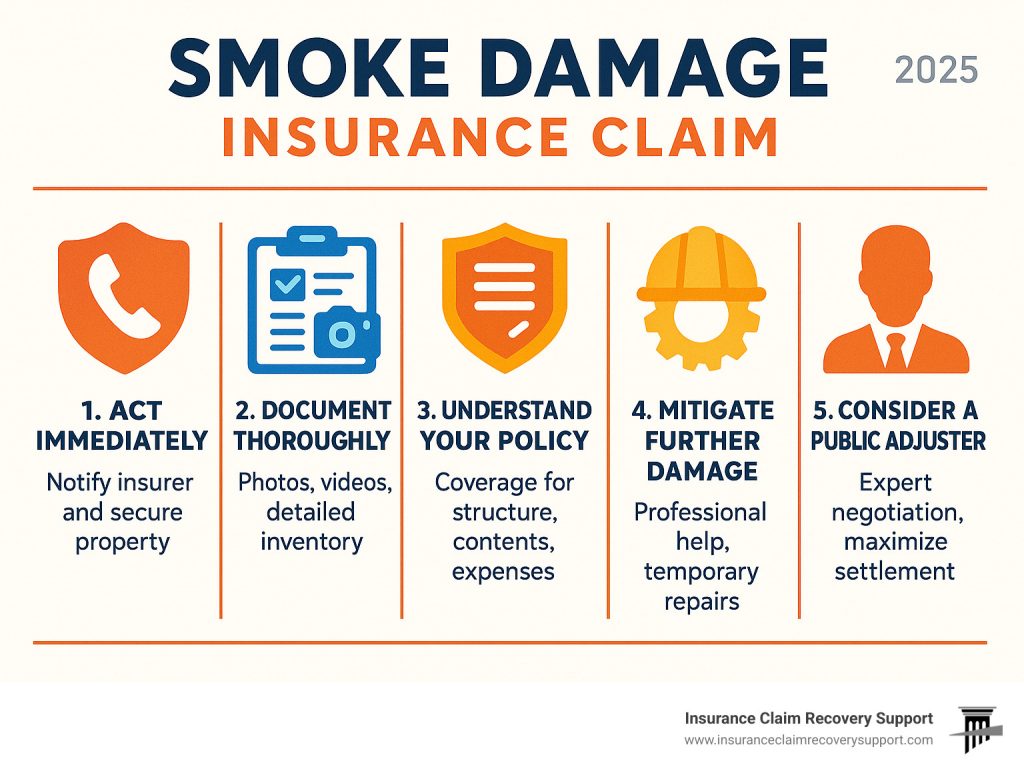
Navigating insurance claims after a fire can be overwhelming, but understanding the process helps ensure you receive fair compensation for your losses.
Immediate Steps
Contact your insurance company as soon as possible after the fire to report the claim. Most policies require prompt notification. Document everything by taking photos and videos of all damage before any cleanup begins. Make a list of damaged or destroyed items, including descriptions, approximate values, and purchase dates if known.
Keep all receipts for emergency expenses like temporary housing, meals, clothing, and emergency repairs. Most policies cover these costs, known as additional living expenses.
Working with Adjusters
Your insurance company will assign an adjuster to assess the damage and determine coverage. The adjuster will visit your property to document damage, may ask questions about the fire and your belongings, and will provide an estimate of covered damages.
Remember that the insurance adjuster works for the insurance company, not for you. While most adjusters are fair and professional, their goal is to settle claims efficiently and economically for the insurer.
The Role of Restoration Companies
Experienced restoration companies like PuroClean of Melbourne can be invaluable partners in the insurance process. They can provide detailed documentation and estimates that support your claim, communicate directly with adjusters and insurance companies, and help ensure all damage is identified and included in the claim.
Many restoration companies work on an insurance billing basis, meaning they bill your insurance company directly rather than requiring upfront payment from you. This arrangement can significantly reduce your out-of-pocket expenses and simplify the process.
Common Coverage Issues
Understanding your policy is essential. Most homeowners insurance covers fire damage, but there may be limitations or exclusions. Common coverage issues include depreciation of personal property, limits on certain categories of items like jewelry or electronics, requirements for itemized lists of damaged property, and disputes over the cause of damage or necessity of repairs.
If you disagree with your insurance company’s assessment or settlement offer, you have options including requesting a reinspection, providing additional documentation or estimates, or hiring a public adjuster to advocate on your behalf.
Making the Right Decision for Your Family
Deciding whether to stay in your home after a fire is a complex decision that requires balancing safety, practicality, and emotional factors.
Questions to Ask
Consider these key questions: Has the property been inspected and cleared by fire officials and building inspectors? Are all utilities functioning safely? Is the air quality safe, especially for vulnerable family members? Can the damage be adequately addressed with the resources you have available? Do you have a realistic timeline for restoration? Will staying in the home cause additional stress or health problems for your family?
Alternative Accommodations
If staying in your home isn’t safe or practical, explore your options for temporary housing. Many insurance policies cover additional living expenses, including hotel or rental costs, meals if you don’t have access to a kitchen, and storage for salvageable belongings.
Some restoration companies can connect you with temporary housing resources. Family and friends may also offer temporary accommodations while your home is being restored.
The Brevard County Context
Living in Brevard County comes with unique considerations for fire damage restoration. Our coastal climate means humidity is a constant factor, making rapid drying and mold prevention especially important. Salt air can accelerate corrosion of metal components damaged by fire. Hurricane season adds urgency to securing fire-damaged properties against weather.
Local building codes and permitting requirements must be followed for any reconstruction work. Working with a local restoration company familiar with Brevard County regulations and conditions ensures compliance and appropriate restoration approaches.
Preventing Future Fires
While you focus on recovering from the current situation, it’s never too early to think about preventing future fires.
Essential Fire Safety Measures
Install smoke detectors on every level of your home and in each bedroom, and test them monthly. Keep fire extinguishers in the kitchen, garage, and near potential fire sources. Develop and practice a family fire escape plan with two ways out of every room. Have your heating system, chimney, and dryer vents inspected and cleaned annually. Never leave cooking unattended, and keep flammable items away from heat sources. Ensure electrical systems are up to code and avoid overloading outlets. Store flammable materials properly and away from heat sources.
Regular Maintenance
Many fires result from neglected maintenance. Stay on top of cleaning dryer vents, inspecting electrical cords and appliances, maintaining heating and cooling systems, keeping gutters clear of debris, and trimming trees and shrubs away from the house.
Conclusion: Prioritize Safety First
The question “Is it safe to stay home after a small fire?” doesn’t have a one-size-fits-all answer. Every fire situation is unique, with varying degrees of damage, different types of contamination, and individual family circumstances that affect the decision.
What remains constant, however, is the importance of prioritizing safety over convenience. The hidden dangers of fire damage toxic smoke residue, structural compromise, and health hazards are not worth the risk of staying in an unsafe environment.
Professional assessment and restoration aren’t luxuries; they’re necessities that protect your family’s health, preserve your property’s value, and provide peace of mind during a stressful time. The experts at PuroClean of Melbourne have the knowledge, equipment, and experience to evaluate your situation accurately and restore your home to a safe, healthy condition.
If your Brevard County home has experienced fire damage, don’t take chances with your family’s safety. Contact PuroClean of Melbourne for a professional assessment and let experienced restoration specialists guide you through the recovery process. With proper care and expert restoration, your home can be returned to a safe, comfortable space where your family can thrive once again.

Remember: when in doubt, it’s always better to err on the side of caution. Your family’s health and safety are irreplaceable, and no amount of inconvenience or expense compares to the value of protecting those you love.
For a fast response and expert help, contact PuroClean of Melbourne today at 📞 (321) 378-2400. You can also explore our full range of services on our website.


 PuroClean of Melbourne