

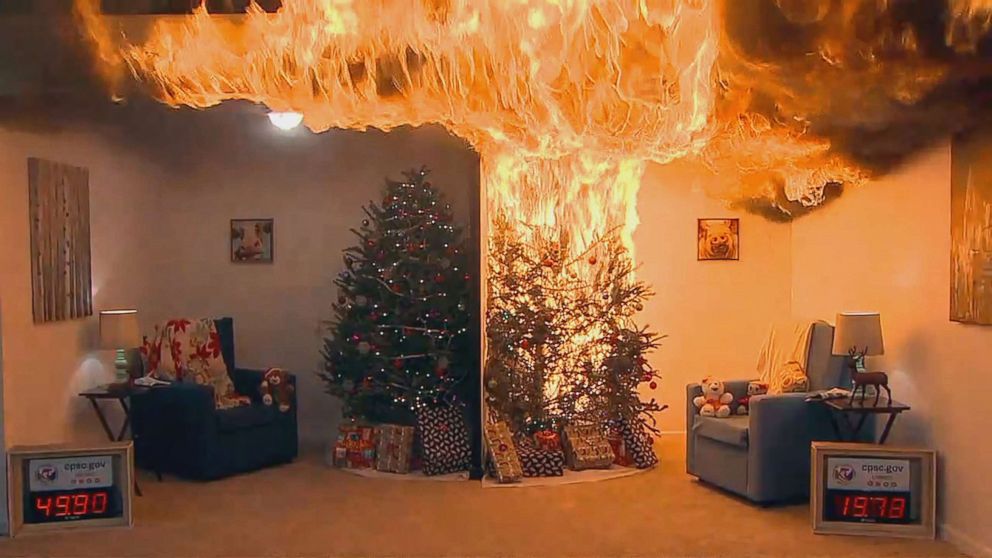
The warm glow of Christmas lights transforms homes into winter wonderlands, but these festive decorations can quickly turn dangerous. Each year, holiday lighting causes an average of 160 home fires in the United States, resulting in deaths, injuries, and millions in property damage. At PuroClean of Melbourne, we’ve witnessed the devastating aftermath of Christmas light fires and understand how quickly a joyful celebration can become a traumatic emergency.
Fire and Smoke Damage in Melbourne, FL
This guide provides critical information every Melbourne homeowner needs: how to prevent Christmas light fires, what to do if one starts, and how to recover if your home suffers fire damage this holiday season.

Understanding How Christmas Lights Cause Fires
Before discussing emergency response, it’s important to understand why Christmas lights pose fire risks. Knowledge of these hazards helps you prevent fires and recognize warning signs early.
Common Causes of Christmas Light Fires:
Electrical Overload: Connecting too many light strands creates excessive heat in wiring and outlets. Most light strings should be limited to three connected sets, though manufacturer specifications vary. Overloaded circuits can ignite surrounding materials within minutes.
Damaged Wiring: Frayed cords, cracked insulation, or exposed wires create electrical arcing that generates intense heat. Even small breaks in insulation can spark fires, especially when lights touch flammable materials like dried pine needles or paper decorations.
Improper Outdoor Use: Using indoor-rated lights outside exposes them to moisture, which can cause short circuits and electrical fires. Similarly, outdoor lights used indoors may generate excess heat not designed for enclosed spaces.
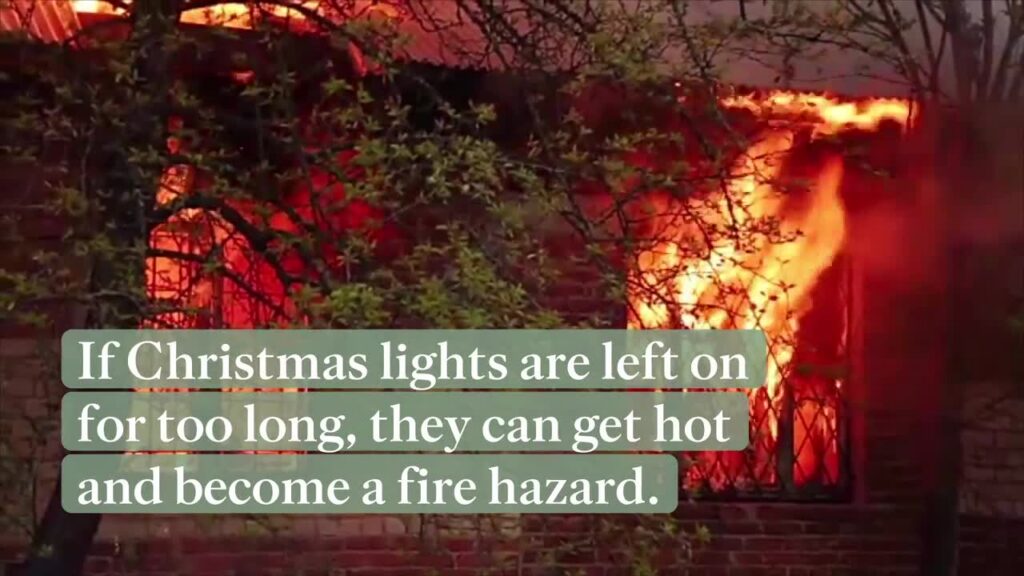
Heat Buildup: Incandescent bulbs generate significant heat, reaching temperatures up to 300°F. When lights are placed too close to flammable materials like curtains, wreaths, or Christmas trees, this heat can cause ignition.
Read Also: See Christmas lights cause house fire | CNN
Manufacturing Defects: Counterfeit or poorly manufactured lights may lack proper insulation, circuit protection, or heat resistance. These defects dramatically increase fire risk.
Rodent Damage: Mice and rats often nest in stored holiday decorations, chewing through wire insulation. These damaged cords may appear fine externally but have internal damage that causes arcing and fires.
Warning Signs Your Christmas Lights Are Dangerous
Recognizing early warning signs can prevent a full-scale fire. If you notice any of these indicators, disconnect the lights immediately:
- Hot to the touch: Lights, cords, or outlets that feel warm or hot indicate dangerous heat buildup
- Burning smell: Any electrical or plastic burning odor requires immediate attention
- Flickering or dimming: Inconsistent illumination suggests electrical problems
- Sparking: Visible sparks at outlets, connections, or along cords are fire hazards
- Discolored outlets: Brown or black marks around outlets indicate dangerous overheating
- Buzzing sounds: Electrical buzzing from lights or outlets signals potential failure
- Melted insulation: Softened or melted wire coating indicates severe overheating
- Tripping breakers: Repeatedly tripped circuit breakers show dangerous overload
Immediate Actions if Your Christmas Lights Catch Fire
Fire spreads rapidly, especially when fueled by dry Christmas trees, wrapping paper, and other combustible holiday materials. Your response in the first 60-90 seconds determines whether you face a minor incident or catastrophic loss.
Small, Contained Fire (Smaller Than a Trash Can)
If the fire is very small and just beginning:
Step 1: Assess Safety
- Evaluate whether you can safely extinguish the fire in 5-10 seconds
- If you have ANY doubt, skip to evacuation procedures immediately
- Never risk your safety trying to save property
Step 2: Cut Power Source
- If you can safely reach the outlet, unplug the lights
- Never touch plugs or cords if they’re smoking or actively burning
- If safe, turn off the circuit breaker to that area
Step 3: Use Appropriate Extinguisher
- Use a Class C (electrical) fire extinguisher
- Remember PASS: Pull pin, Aim at base of fire, Squeeze handle, Sweep side to side
- Never use water on electrical fires, which can cause electrocution
- Keep the extinguisher between you and the exit
Step 4: Smother if Safe
- If no extinguisher is available and power is cut, use a fire blanket or heavy, damp towel
- Never use synthetic materials, which can melt and worsen burns
Step 5: Verify Extinguishment
- Ensure no smoldering remains
- Watch for rekindling for at least 30 minutes
- Even if successfully extinguished, call 911 to report the incident
CRITICAL: If the fire doesn’t immediately respond to your extinguisher or grows at all, evacuate immediately. Most fire extinguishers empty in 8-10 seconds.
Large Fire or Rapidly Spreading
If the fire is larger than a small trash can, spreading rapidly, or you’re uncertain:
Step 1: Evacuate Immediately (15 seconds)
- Alert everyone in the home by shouting “FIRE!”
- Leave immediately through the nearest safe exit
- Don’t gather belongings, pets, or valuables
- Crawl low under smoke if necessary
- Feel doors before opening; if hot, use alternative exit
- Close doors behind you to slow fire spread
Step 2: Get Out and Stay Out
- Never return inside for any reason
- Meet at your predetermined family meeting spot
- Account for all family members and pets
- Move to a safe distance (at least 50 feet from the structure)
Step 3: Call 911
- Call from a safe location outside, never from inside
- Provide your address clearly: “[Street number] [Street name], Melbourne”
- State “Christmas lights caused a fire in my home”
- Report if anyone is trapped or injured
- Don’t hang up until the dispatcher tells you to
- Follow any instructions the dispatcher provides
Step 4: Alert Neighbors
- If safe, warn nearby homes, especially those directly adjacent
- Fire can spread quickly, especially in dry or windy conditions
- Don’t delay evacuation to warn neighbors
Step 5: Wait for Fire Department
- Stay at your meeting spot so firefighters can find you
- Provide information about the fire’s location and cause
- Inform them of any pets or people who might be inside
- Follow all instructions from emergency personnel
Read Also: Holiday nightmare: How to avoid deadly Christmas tree fires – ABC News
What NOT to Do During a Christmas Light Fire
Panic and instinct can lead to dangerous mistakes. Avoid these common errors:
Don’t Use Water on Electrical Fires: Water conducts electricity and can cause electrocution or make electrical fires worse. Only use water after power is confirmed off and only if appropriate for remaining fuel.
Don’t Open Windows and Doors: This provides oxygen that accelerates fire growth. Close doors behind you as you evacuate to contain the fire.
Don’t Waste Time: Every second counts. Don’t look for valuables, don’t try to save decorations, don’t retrieve phones or wallets unless immediately accessible on your way out.
Don’t Go Back Inside: Even if the fire appears small or contained, hidden fire in walls or ceilings can reignite. Leave firefighting to professionals.
Don’t Assume It’s Out: Electrical fires can smolder in walls for hours before reigniting. Always have the fire department inspect even apparently extinguished fires.
Don’t Block Emergency Responders: Park vehicles away from fire hydrants and keep streets clear for emergency vehicles.
Don’t Move Vehicles from the Garage: Opening garage doors provides oxygen. If your car is in the garage, leave it and evacuate immediately.
Special Considerations for Florida Homes
Melbourne’s unique characteristics create specific fire response considerations:
Stucco and Concrete Construction: While less flammable than wood-frame homes, fire can still spread through attics, interior walls, and into roof structures. Smoke damage can be extensive even with limited fire spread.
Holiday Vegetation: Dried palm fronds, pine straw, and native Florida plants used in holiday decorating are extremely flammable and can accelerate fire spread.
Open Floor Plans: Modern Florida homes often feature open concepts that allow fire and smoke to spread rapidly throughout living spaces.
Hurricane-Resistant Features: Impact windows and reinforced doors that protect against hurricanes can also trap smoke and heat, making escape more challenging. Know alternative exits.
Outdoor Living Spaces: Many Melbourne homes have extensive outdoor Christmas lighting on lanais, decks, and pool areas. Fires in these spaces can spread to the main structure if not addressed quickly.
After the Fire: Immediate Steps
Once firefighters declare the scene safe, your recovery process begins:
Document Everything
Photographic Evidence:
- Take extensive photos and videos of all damage before cleanup
- Capture fire damage, smoke damage, and water damage from firefighting efforts
- Document damaged Christmas lights and decorations
- Photograph the origin point if identifiable
- Take photos from multiple angles of each affected room
Fire Department Report:
- Obtain the incident report number from responding firefighters
- Get contact information for the fire inspector
- Request a copy of the fire investigation report
- This documentation is essential for insurance claims
Create a Loss Inventory:
- List all damaged or destroyed items
- Include descriptions, approximate age, and replacement values
- Note serial numbers for electronics and appliances
- Collect receipts if available
Secure Your Property
Prevent Further Damage:
- Board up broken windows to prevent weather damage and theft
- Cover holes in the roof with tarps if fire breached the structure
- Lock all accessible doors and windows
- Document all security measures taken
Address Water Damage:
- Firefighting efforts often cause extensive water damage
- Standing water must be removed quickly to prevent mold
- Professional water extraction is critical in Florida’s humidity
Prevent Looters:
- Unfortunately, fire-damaged homes can attract thieves
- Consider hiring security or asking police for periodic checks
- Remove valuable items if authorities permit entry
Read Also: Christmas tree lights likely to blame for Christmas Day fire that killed father and 2 sons : r/news
Contact Your Insurance Company
Immediate Notification:
- Call your homeowner’s insurance within 24 hours
- Most policies require prompt notification
- Provide basic facts: date, time, cause (Christmas lights), extent of damage
- Request a claim number for reference
Understand Your Coverage:
- Fire damage is typically covered under standard homeowner’s policies
- Smoke damage is usually included
- Water damage from firefighting is generally covered
- Ask about Additional Living Expenses if home is uninhabitable
- Understand your deductible and coverage limits
Don’t Dispose of Anything:
- Insurance adjusters need to inspect damaged items
- Keep all fire-damaged decorations and lights for investigation
- Store debris securely if removal is necessary for safety
- Photograph items before disposal if absolutely required
Why Professional Fire Damage Restoration Is Essential
Many homeowners underestimate the complexity of fire recovery. Christmas light fires might seem minor, but the damage extends far beyond visible burn marks.
Hidden Fire Damage
Structural Concerns:
- Fire weakens wood framing, even if not visibly burned
- Heat can compromise electrical wiring throughout affected areas
- Structural integrity must be professionally assessed
Smoke Penetration:
- Smoke infiltrates walls, insulation, ductwork, and porous materials
- Acidic smoke residue causes ongoing corrosion and damage
- Smoke odors permeate everything and require professional treatment
Soot Contamination:
- Soot particles are microscopic and spread throughout the home
- They’re acidic and continue damaging surfaces after the fire
- HVAC systems can distribute soot contamination house-wide
- DIY cleaning often spreads soot rather than removing it
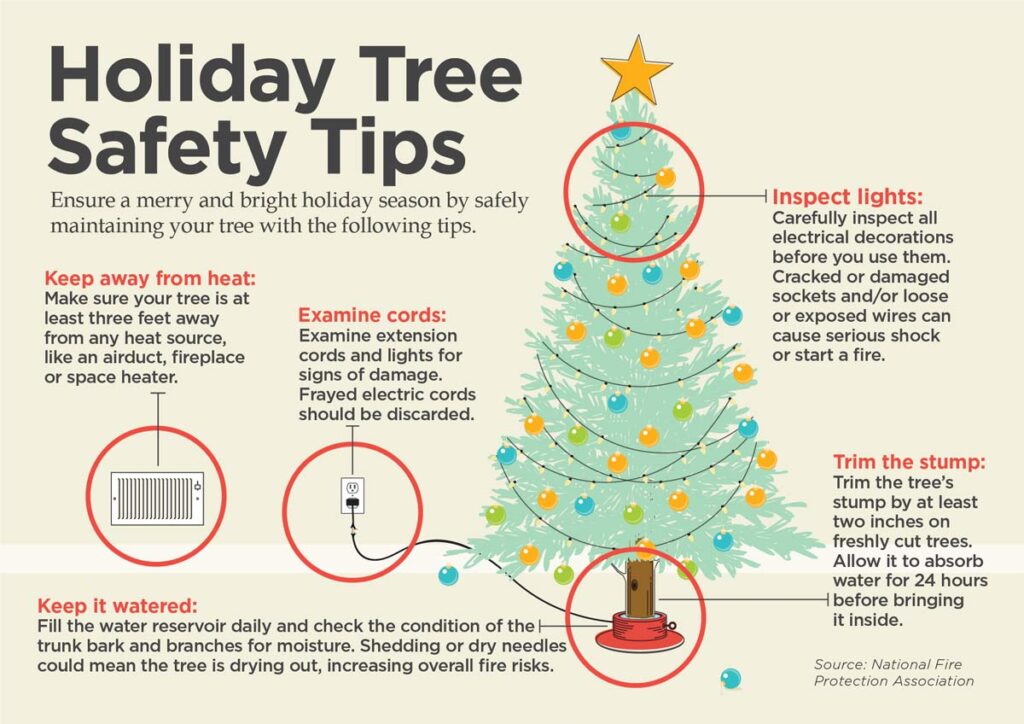
Know how to celebrate the holiday season safely > Joint Base San Antonio > News
Water Damage from Firefighting
Firefighters use significant water to extinguish even small fires:
Immediate Concerns:
- Water soaks into walls, flooring, and subflooring
- Florida’s humidity accelerates mold growth (can start within 24-48 hours)
- Electrical systems may be compromised by water exposure
- Insulation becomes saturated and must be replaced
Professional Solutions:
- Industrial water extractors remove water regular methods miss
- Commercial dehumidifiers prevent mold development
- Thermal imaging detects hidden moisture in walls and ceilings
- Air movers circulate air to speed drying
Health Hazards
Fire residue contains harmful substances:
- Toxic chemicals from burned plastics and synthetic materials
- Carcinogenic compounds in smoke residue
- Respiratory irritants requiring proper protective equipment during cleanup
- Contaminated HVAC systems that spread toxins when operated
The PuroClean Fire Restoration Process
At PuroClean of Melbourne, we follow a comprehensive restoration process designed specifically for fire damage:
Emergency Response (Hour 1)
- 24/7 emergency contact and rapid response to Melbourne and Brevard County
- Immediate assessment of fire, smoke, and water damage
- Emergency board-up and tarping to secure the property
- Water extraction begins immediately to prevent mold
Damage Assessment (Hours 2-24)
- Comprehensive inspection using thermal imaging and moisture meters
- Documentation for insurance companies with detailed photos and reports
- Scope of work development with timeline and cost estimates
- Coordination with insurance adjusters
Content Handling (Days 1-3)
- Inventory of all affected contents
- Pack-out of salvageable items for off-site restoration
- Specialized cleaning for electronics, documents, and valuables
- Climate-controlled storage during home restoration
Structure Restoration (Days 1-30+)
- Removal of fire-damaged materials requiring replacement
- Comprehensive smoke and soot removal using specialized equipment
- Professional odor elimination through thermal fogging and ozone treatment
- HVAC system cleaning and sanitization
- Complete water damage remediation and drying
- Reconstruction of damaged areas
Final Steps
- Air quality testing to ensure safety
- Final walk-through with homeowner
- Coordination with insurance for final payments
- Post-restoration support and documentation
Read Also: How to Avoid Water Damage During the Holidays in Melbourne, FL
Preventing Christmas Light Fires: Learn from the Experience
If you’ve experienced a Christmas light fire, use these prevention strategies for future holidays:
Purchase Quality Lights:
- Buy only UL-listed lights from reputable retailers
- Avoid extremely cheap lights, especially from unknown online sellers
- Replace lights older than 5 years
- Choose LED lights, which generate far less heat than incandescent
Inspect Before Use:
- Check every strand for frayed wires, broken sockets, or damage
- Discard any lights with defects, no matter how minor
- Look for UL label and follow manufacturer specifications
- Test lights before hanging
Use Properly:
- Never connect more than three strands unless manufacturer specifies otherwise
- Use outdoor-rated lights outside, indoor-rated lights inside
- Plug outdoor lights into GFCI-protected outlets
- Turn off all lights before leaving home or going to bed
- Keep lights away from flammable materials
Install Safely:
- Use proper clips and hangers, never nails or staples that can damage wiring
- Avoid running cords under rugs or through doorways
- Don’t overload outlets or extension cords
- Keep cords away from water sources
Emotional Recovery After a Fire
Fire damage is traumatic. Even small fires create stress, anxiety, and feelings of violation:
Normal Reactions:
- Shock and disbelief in the immediate aftermath
- Anger at the situation or yourself
- Anxiety about returning to the home
- Sadness over lost possessions and disrupted holidays
- Stress from insurance processes and displacement
Coping Strategies:
- Acknowledge that these feelings are normal and valid
- Accept help from friends, family, and community
- Maintain routines as much as possible
- Focus on the fact that everyone is safe
- Be patient with the restoration process
- Consider professional counseling if struggling
Supporting Children:
- Provide honest, age-appropriate information
- Maintain familiar routines and traditions when possible
- Allow children to express feelings through talking or drawing
- Reassure them about safety and the future
- Include them in age-appropriate recovery decisions
Are Christmas Lights Really a Fire Hazard?
Your Partner in Fire Recovery
At PuroClean of Melbourne, we understand that fire damage goes beyond physical destruction. We’re committed to treating every home and family with compassion, respect, and professionalism. Our certified technicians have restored countless Melbourne homes from fire damage, and we’re here to guide you through every step of the recovery process.
We work directly with insurance companies to streamline claims, use advanced restoration technology to minimize disruption, and complete projects efficiently so you can return to normal life. Our goal is to restore not just your property, but your peace of mind.
The Unseen Flooding Risk in South Florida: Rising Water Beneath Our Feet in 2025
Take Action Now
Whether you’re reading this as preparation or because you’re facing a fire emergency:
For Current Emergencies:
- Call 911 immediately if there’s active fire
- Evacuate and don’t return until cleared by fire department
- Contact PuroClean of Melbourne 24/7 at [phone number] for emergency fire restoration
For Prevention:
- Inspect your Christmas lights today
- Test smoke alarms in every bedroom and hallway
- Locate your fire extinguisher and ensure it’s charged
- Review your evacuation plan with family members
- Update your home inventory for insurance purposes
For 24/7 Emergency Fire and Smoke Damage Restoration in Melbourne, Palm Bay, Viera, Satellite Beach, and throughout Brevard County:
Contact PuroClean of Melbourne at Phone Number: (321) 378-2400 or visit our website: puroclean.com/melbourne-fl-puroclean-melbourne/

Don’t let fear of fire damage prevent you from enjoying holiday traditions. With proper precautions, quality equipment, and vigilant monitoring, you can safely create the festive atmosphere your family loves. And if disaster does strike, know that professional help is available 24/7 to restore your home and your holidays.
Stay safe this holiday season, Melbourne. From all of us at PuroClean of Melbourne, we wish you a bright and fire-free holiday celebration.