


Table of Contents
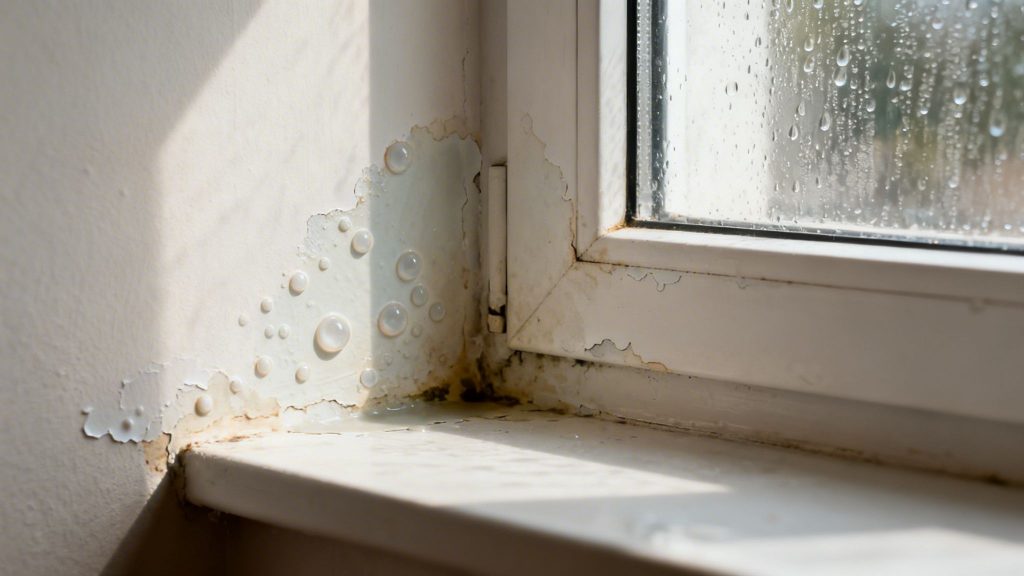
You’re walking through your living room when something catches your eye. There it is a soft, rounded bubble pushing out from your wall, the paint stretched tight like a tiny balloon just beneath the surface. You press it gently with your finger and feel it give. Inside, there’s moisture. Your wall is blistering, and somewhere behind that paint, water is doing damage you can’t fully see.
Water Damage in Melbourne, FL: Call (321) 378-2400
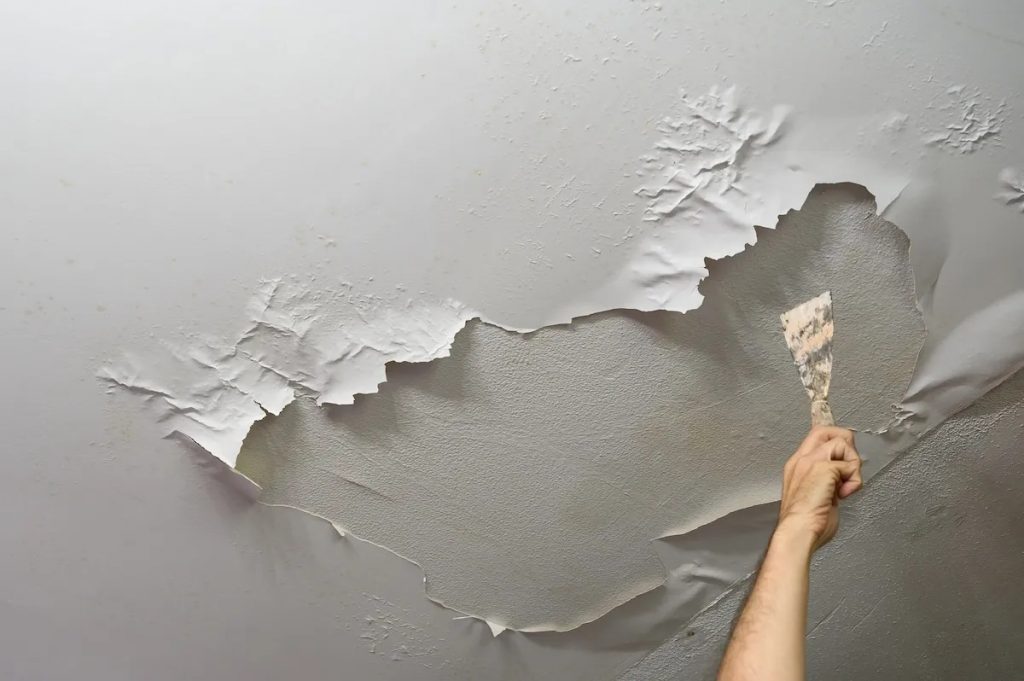
For homeowners in Melbourne, Florida, paint blistering is not a rare cosmetic quirk. It is one of the most common early warning signs of a water intrusion problem and one of the most frequently ignored. People see the bubble, make a mental note to repaint, and move on. What they don’t realize is that the bubble itself is the least of their problems. What’s happening behind the wall, inside the cavity, and potentially spreading through their home’s structure is the real threat.
In this guide, PuroClean of Melbourne explains exactly why paint blisters and bubbles, what it tells you about your home’s condition, the difference between a cosmetic issue and a serious water damage problem, and what you should do the moment you spot one. Because in Florida’s climate, a paint bubble is rarely just a paint bubble.
What Is Paint Blistering and Why Does It Happen?
Paint blistering — also called paint bubbling — occurs when the bond between a layer of paint and the surface beneath it is broken by heat, moisture, or both. The paint separates from the substrate, creating a void that fills with either water vapor, liquid water, or trapped air, producing the characteristic bubble or blister you see on the surface.
Read Also: What Causes Paint to Bubble on Walls and How to Fix It
There are two primary categories of paint blistering, and understanding which type you’re dealing with is the first step toward understanding how serious your problem is.
Heat Blistering
Heat blistering occurs when paint is applied in direct sunlight or on a surface that is too hot, causing the outer layer of paint to dry too quickly before the solvents underneath have had a chance to escape. It can also happen on exterior walls that receive intense direct sunlight — a real concern in Melbourne, where summer sun intensity is extreme. Heat blisters are typically dry when pressed and often appear on sun-exposed exterior walls or surfaces that get direct afternoon sun exposure.
While heat blistering is a real problem, it is primarily a cosmetic and application issue rather than a structural one. It means the paint job needs to be redone properly, but it doesn’t necessarily indicate an underlying moisture problem.
Moisture Blistering
Moisture blistering is the far more serious type — and the far more common type in Melbourne homes. It occurs when liquid water or water vapor migrates through a wall from the interior or exterior and accumulates beneath the paint film, breaking the bond between the paint and the surface and pushing the paint outward.
When you press a moisture blister and it feels soft, squishy, or actually wet — or if it breaks and water runs out — you are looking at active moisture intrusion. This is not a painting problem. This is a water damage problem that is using your paint as its messenger.
What Is the Water in That Bubble Telling You?
Here is the most important thing to understand about a moisture blister in your paint: it is a symptom, not a cause. The bubble you see is the end result of a process that started somewhere else — often somewhere out of sight. The water didn’t originate in your paint. It traveled there from a source, and that source is actively damaging your home right now.
Identifying the source of moisture is the most critical step, and in Melbourne’s environment, there are several common culprits.
Roof Leaks
Melbourne receives significant rainfall, particularly during hurricane season and the summer thunderstorm season that runs from June through September. A compromised roof — damaged shingles, failed flashing around a chimney or skylight, a clogged gutter that causes water to back up under the roofline — allows water to enter the attic and eventually migrate down into walls and ceilings. Paint blisters on upper-floor walls or ceilings are a classic sign of a roof leak, and in many cases the water has been traveling through the structure for weeks or months before the blister becomes visible.
Plumbing Leaks Inside the Wall
Supply lines, drain pipes, and drain connections run behind walls throughout your home. A slow drip from a pipe connection, a pinhole leak in copper or PVC pipe, or a failing supply line can introduce water continuously into the wall cavity. Because the leak is hidden, it often goes undetected until paint blisters appear on the wall surface — at which point the drywall inside the cavity may already be significantly saturated and mold may have begun to grow.
Pay particular attention to walls adjacent to bathrooms, kitchens, laundry rooms, and anywhere pipes are known to run. A paint blister on these walls should immediately raise the suspicion of a plumbing leak.
Condensation and High Indoor Humidity
In Melbourne’s climate, condensation is a year-round challenge. When warm, humid outdoor air comes into contact with a cooler interior wall surface — particularly walls adjacent to air-conditioned spaces or exterior walls that are cooled by indoor air conditioning — water vapor condenses on or within the wall assembly. Over time, this moisture accumulates, penetrates the drywall and paint, and produces blistering.
This is particularly common in older Melbourne homes with inadequate insulation or vapor barriers. It is also a frequent problem in homes where the air conditioning system is oversized — a common occurrence in Florida — because oversized AC units cool the air too quickly without adequately dehumidifying it, leaving indoor humidity levels elevated even when the temperature feels comfortable.
Exterior Water Intrusion
Rain-driven water finding its way through cracks in exterior stucco or siding, around window and door frames where caulking has aged and failed, through damaged or missing soffit panels, or via rising damp from the ground is another major cause of paint blistering on interior walls. In Florida’s coastal environment, stucco — the most common exterior wall finish in Brevard County — is subject to cracking from thermal expansion, impact, and age, and even hairline cracks can allow significant water intrusion during heavy rain.
Interior paint blisters on exterior-facing walls, especially those that appear or worsen after heavy rain, are a strong indication that water is entering through the building envelope.
Bathroom and Kitchen Steam and Humidity
Bathrooms and kitchens generate large amounts of steam and water vapor during normal use. Without adequate ventilation — meaning a properly functioning exhaust fan that actually vents to the exterior rather than into the attic — this moisture accumulates on walls and ceilings and eventually works its way into and behind the paint. Paint blistering around showers, above cooktops, and on bathroom ceilings is extremely common and is typically a sign of chronic humidity buildup rather than a single intrusion event.
Foundation and Slab Issues
Melbourne is built largely on flat coastal terrain, and many homes sit on concrete slab foundations. Moisture can wick upward through concrete slabs via capillary action and migrate into the lower portions of walls. Paint blistering near the base of walls, particularly in living areas that are at or near ground level, may indicate moisture rising from the slab or from the soil around the foundation perimeter.
What Is Happening Inside the Wall Right Now?
The paint bubble on the surface of your wall is telling you something important about the wall’s interior — and what’s happening in there is considerably more serious than a cosmetic blemish.
When moisture enters a wall cavity, it first saturates the drywall or plaster. Drywall is composed of gypsum plaster sandwiched between paper facing layers, and it absorbs water readily. As it becomes saturated, it loses structural integrity, softening and eventually crumbling. The paper facing of drywall is also a primary food source for mold, which can begin to grow within 24 to 48 hours of the drywall becoming wet.
Behind the drywall, wood framing members — studs, plates, and headers — begin to absorb moisture. Wood that stays wet begins to soften and weaken, and if moisture exposure is prolonged, wood rot can compromise the structural integrity of the framing itself. In severe cases, chronic moisture intrusion can lead to structural damage that goes far beyond what cosmetic repairs can address.
Meanwhile, mold is growing. In Florida’s warm climate, mold colonizes wet building materials extraordinarily fast. A wall cavity that has been wet for more than 48 hours in a Melbourne home may already have active mold growth, even if nothing is visible from the surface yet. By the time you see paint blistering, there is a very real possibility that mold has been growing in the wall cavity for days, weeks, or longer.
How to Tell If Your Paint Blister Is a Minor Problem or a Major One
Not every paint blister represents a crisis, but all of them deserve attention and investigation. Here are the signs that distinguish a relatively minor issue from one that requires immediate professional assessment.
Signs that the problem may be limited and manageable include: a single small blister in an area with a known minor moisture source (such as inadequate bathroom ventilation), blisters that appear only during periods of extreme humidity and improve when conditions dry out, and blisters on exterior surfaces in locations consistent with heat exposure from direct sunlight.
Signs that the problem is serious and requires immediate professional attention include: multiple blisters appearing in the same area or spreading over time, blisters that are wet or release water when punctured, blisters that are soft and feel like the underlying surface is also soft or spongy, any visible mold or dark staining around or near the blister, blisters appearing at the base of walls (suggesting slab moisture), blisters that appear after a heavy rain event or plumbing leak, a musty or damp odor in the area of the blistering, and blisters that reappear after painting over them.
That last point is critical: if you paint over a moisture blister and it comes back — which it will, every time, if the moisture source has not been resolved — you do not have a painting problem. You have a water intrusion problem that painting cannot fix.
The Mold Risk You Cannot Ignore
In Melbourne’s year-round warm climate, the connection between moisture intrusion and mold growth is faster and more certain than in most parts of the country. When we at PuroClean of Melbourne open walls that have been showing paint blistering, we find active mold growth in the vast majority of cases where the moisture intrusion has been ongoing for more than a few days.
Mold behind walls is particularly dangerous because it is invisible from the outside and because the air inside a wall cavity with active mold growth does not stay in that cavity. Air moves through walls continuously through gaps around electrical outlets, pipe penetrations, light switches, and the many other pathways that exist in any real-world wall assembly. Mold spores travel with that air into your living spaces, where they are inhaled by your family.
The health effects of indoor mold exposure — respiratory irritation, allergic reactions, asthma exacerbations, and in susceptible individuals, more serious systemic effects — are well documented. Children, the elderly, pregnant women, and anyone with respiratory conditions or a compromised immune system are particularly vulnerable. In Melbourne’s climate, where mold grows aggressively, a moisture problem behind your walls should be treated as a health issue, not just a home repair issue.
What to Do When You Find a Paint Blister
The steps you take in the first hours and days after discovering a paint blister can significantly affect the extent of damage your home sustains and the cost of remediation. Here is the correct sequence of actions.
First, resist the urge to simply pop the blister and repaint. This resolves nothing and delays the diagnosis of the underlying problem while the damage continues to worsen. Second, try to identify whether the blister is wet or dry by pressing it gently. If it’s wet, note its location precisely and check for other blisters in the same area. Third, look for obvious moisture sources nearby — a bathroom on the other side of the wall, a window with failing caulk above the blister, a ceiling that might indicate a roof leak. Fourth, check whether the blister worsened after a recent rain event, which would point toward exterior intrusion, or whether it developed gradually, which is more consistent with a plumbing leak or condensation issue. Fifth, call a professional water damage restoration company for an assessment. Do not wait to see if the problem resolves on its own — it won’t, and the longer moisture remains in a wall cavity in Melbourne’s climate, the more certain and extensive the mold growth will be.
How PuroClean of Melbourne Responds to Paint Blistering and Water Intrusion
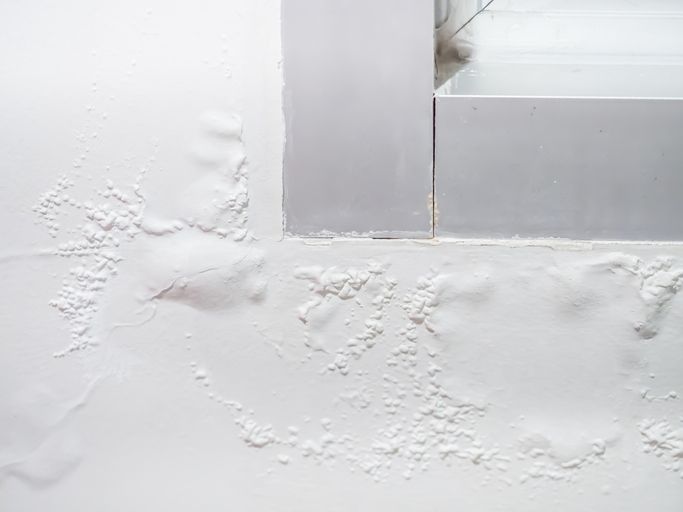
When you call PuroClean of Melbourne about paint blistering or suspected water damage, our certified technicians don’t just look at the surface — we look at the whole picture. We use moisture meters to measure moisture levels in walls, floors, and ceilings without invasive opening of surfaces where it isn’t necessary. We use thermal imaging cameras to identify moisture and temperature anomalies behind walls that reveal the full extent of water intrusion far more accurately than visual inspection alone. We assess your HVAC system for its role in humidity and condensation, and we identify the source of moisture intrusion so that it can be permanently resolved — not just temporarily patched.
Our water damage restoration services include emergency water extraction where needed, structural drying using professional-grade air movers and dehumidifiers calibrated to Melbourne’s specific climate conditions, mold testing and remediation where active mold growth is found, controlled demolition and removal of damaged building materials, and coordination of repairs and reconstruction to return your home to its pre-damage condition.
We work with all major insurance companies and can help you document and navigate the claims process from initial assessment through final clearance. We are available 24 hours a day, 7 days a week, throughout Melbourne and all of Brevard County.
Preventing Paint Blistering in a Melbourne Home
Because Florida’s climate makes moisture management a permanent challenge, prevention requires consistent attention. The most effective steps Melbourne homeowners can take to reduce the risk of paint blistering and the water damage it signals include: maintaining roof integrity with annual inspections and prompt repair of damaged shingles or flashing, re-caulking window and door frames whenever caulk shows cracking or separation, ensuring bathroom and kitchen exhaust fans are functioning and actually vented to the exterior, keeping gutters clear and ensuring downspouts direct water at least six feet away from the foundation, having your HVAC system serviced annually to ensure it is properly sized and functioning to both cool and dehumidify your home, and considering a whole-home dehumidifier if your indoor humidity consistently exceeds 60 percent.
Addressing these issues proactively is dramatically less expensive than the cost of water damage restoration and mold remediation after the fact.
Final Thoughts: A Bubble on the Wall Is a Message From Inside It
A paint blister on your wall is your home trying to tell you something. It is a visible, pressable, unmistakable signal that somewhere behind that surface, moisture is present and damage is occurring. In Melbourne’s climate — where heat, humidity, and heavy rainfall combine to make water intrusion a constant threat — that message deserves to be taken seriously and acted on promptly.
Don’t paint over it. Don’t ignore it. Don’t assume it will dry out on its own. Pick up the phone and call PuroClean of Melbourne. Our team will find the source, assess the damage honestly, and give you a clear plan to resolve it — before that small bubble becomes a wall full of mold, rotted framing, and a repair bill that dwarfs what early intervention would have cost.
We are here around the clock, because water damage doesn’t keep business hours — and neither do we.
PuroClean of Melbourne
Water, Fire & Mold Remediation | Available 24/7
📍 739 North Dr, Melbourne, FL 32934
📞 (321) 378-2400
🌐 puroclean.com/melbourne-fl-puroclean-melbourne
✉️ [email protected]
Connect With Us on Social Media!
Instagram | Facebook | Direction | Check Reviews | Yelp