


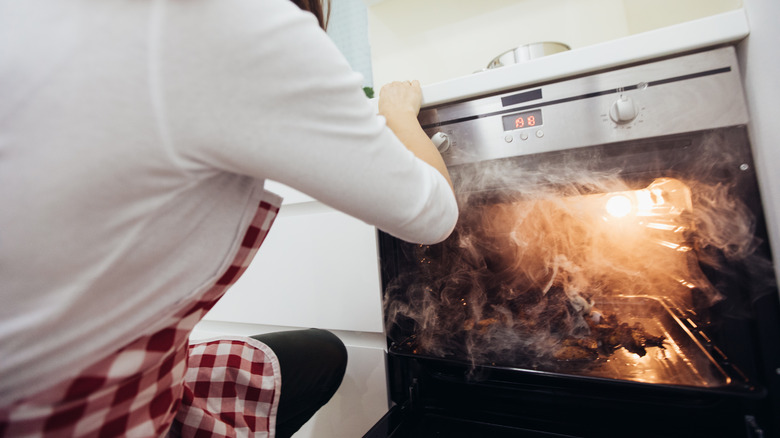
It starts with a sizzle, then a flash of flame. One moment you’re cooking dinner, and the next, your oven is filled with smoke and fire. A grease fire in your oven is one of the most common and frightening kitchen emergencies homeowners face.
Fire and Smoke Damage in Melbourne, FL
Once you’ve managed to put it out, whether by closing the oven door, using a fire extinguisher, or calling 911, you’re left standing in your kitchen staring at a smoke-stained appliance and asking yourself a very important question: Is my oven still safe to use?
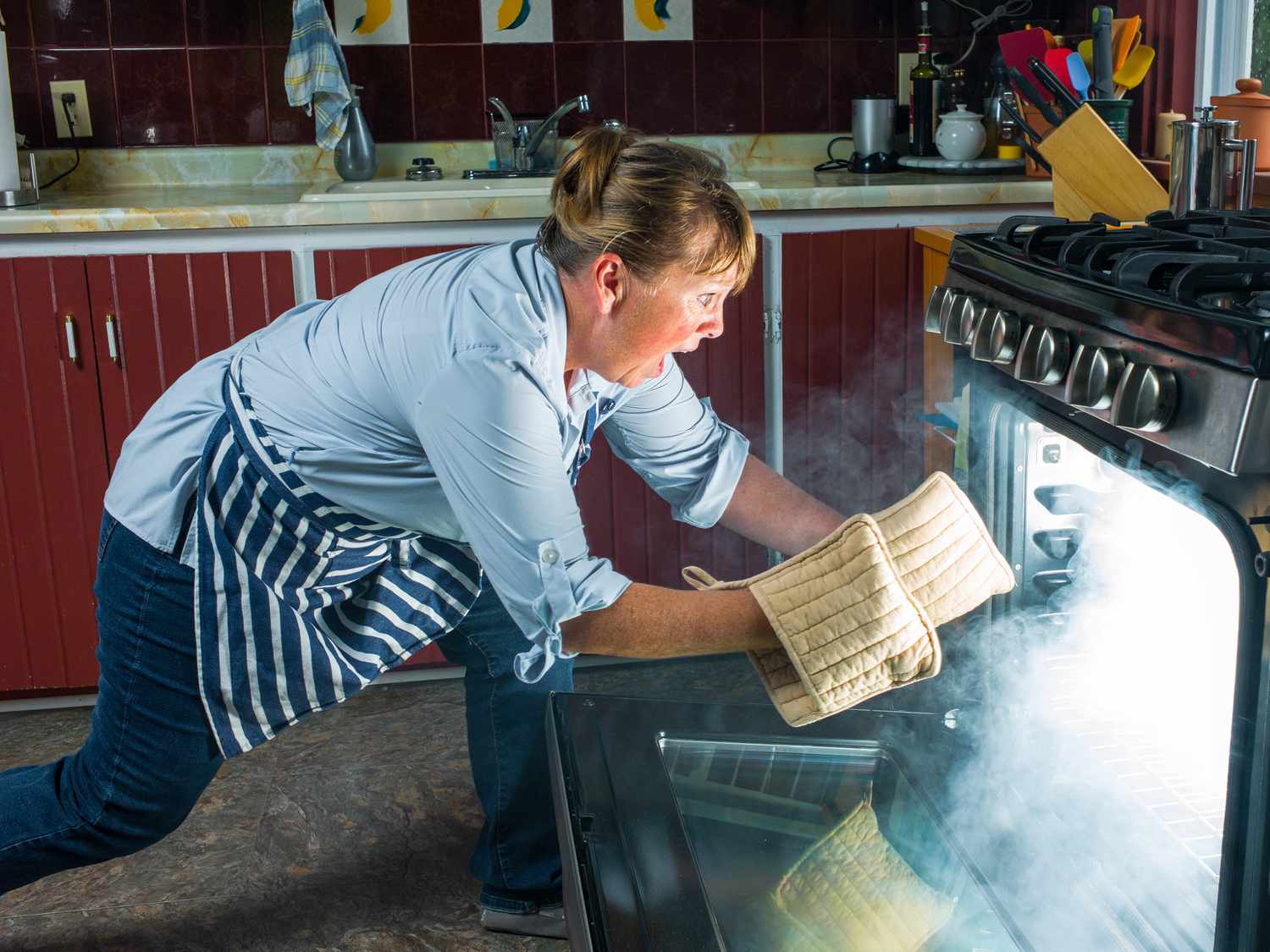
The short answer is: not necessarily, and you shouldn’t assume it is. Before you turn that dial or press that button again, there are critical steps you need to take to protect your home and your family. In this guide, PuroClean of Melbourne walks you through everything you need to know after a kitchen grease fire, from assessing the damage to knowing when professional fire restoration is the right call.
Understanding What Happens During an Oven Grease Fire
Before we can determine whether your oven is safe, it’s important to understand what a grease fire actually does to your appliance and your home.
When grease or cooking oil overheats, it reaches its smoke point and then its flash point, the temperature at which it ignites. Inside an oven, this typically happens when fat drips onto the heating element or the oven floor and catches fire. The flames can be intense and fast-moving, producing extremely high localized temperatures and significant amounts of toxic smoke.
In those moments, several things happen simultaneously:
- Electrical components inside the oven, including heating elements, wiring, and temperature sensors, are exposed to extreme heat that can cause damage, warping, or short circuits.
- Grease, soot, and carbon residue coat the interior surfaces of the oven, including areas that are difficult to see and clean.
- Smoke infiltrates surrounding cabinetry, walls, and ventilation systems, leaving behind acidic soot that continues to cause damage long after the fire is out.
- If a fire extinguisher was used, the chemical residue from the extinguisher adds another layer of potentially corrosive contamination.
Each of these consequences needs to be addressed before the oven is considered safe to operate again.
Step One: Do Not Use the Oven Until It Has Been Inspected
We understand the temptation. Life doesn’t stop just because your oven had a fire. But turning it back on before it’s been properly assessed is a risk that’s simply not worth taking.
Here’s why:
- Damaged wiring or components can cause electrical fires or shocks when power is restored.
- Residual grease and soot inside the oven can reignite when heat is applied.
- Fire extinguisher chemicals, if left in place, are toxic and can contaminate food when the oven heats up.
- Structural damage to the oven cavity or door seals can cause heat to escape and create fire hazards outside the appliance itself.
Read Also: Here’s How To Safely Handle A Grease Fire In Your Oven
If the fire was small and contained, your oven may be fine after a thorough professional cleaning and inspection. If the fire was significant or required the use of an extinguisher, it may need to be replaced entirely.
Inspecting the Oven: What to Look For
Once the oven has completely cooled and you’ve ensured the fire is fully extinguished, you can do a preliminary visual inspection. However, this is not a substitute for a professional assessment, it’s simply a way to gauge the initial extent of the damage.
Check the Heating Elements
Look at both the bake element (bottom) and broil element (top). If either element appears warped, cracked, blistered, or has visible burn marks beyond ordinary discoloration, it has likely been damaged and will need to be replaced by a qualified appliance technician.
Examine the Oven Interior
A grease fire leaves behind heavy black soot and carbonized grease residue. This isn’t just a cleaning issue , thick soot can insulate the heating element, cause uneven heating, and produce toxic fumes when the oven is used. Look carefully at the walls, floor, and ceiling of the oven cavity, as well as around any vents or openings.
Inspect the Door Seal and Hinges
The oven door gasket is a rubber or fiberglass seal that runs around the edge of the door to keep heat inside. High heat from a grease fire can melt or degrade this seal. If it’s hardened, cracked, or has gaps, the oven will not maintain temperature properly and could allow heat or fire to escape the appliance.
Look for Fire Extinguisher Residue
If you used a chemical fire extinguisher, the white or yellowish powder it leaves behind is sodium bicarbonate or monoammonium phosphate, both of which are mildly corrosive over time and highly toxic if ingested. This residue needs to be cleaned from every surface inside the oven, and cleaning it properly is not as simple as wiping it down. It requires careful removal by someone who understands the chemistry involved.
The Hidden Damage: Why What You Can’t See Matters Most

One of the most important lessons in fire damage restoration is that visible damage is only part of the story. A grease fire in your oven doesn’t just affect the inside of the appliance, it affects your entire kitchen environment.
Soot and Smoke in Your Cabinetry
Smoke from a grease fire is acidic and oily. It doesn’t just float away, it settles on every nearby surface, including the cabinetry above and around your oven, countertops, walls, and even food items in open pantries. Left untreated, this soot continues to break down materials, discolor surfaces, and emit a persistent, unpleasant odor.
Smoke Penetration in Walls and Ceilings
In more serious fires, smoke can penetrate drywall, insulation, and ceiling materials. This is particularly common in older Melbourne homes where building materials may be more porous. Once smoke infiltrates these structural elements, the lingering odor can be nearly impossible to eliminate without professional remediation.
HVAC System Contamination
If your kitchen exhaust fan was running during or after the fire, smoke particles may have been pulled into your HVAC system and distributed throughout your home. This is a serious health concern, as soot particles are a known respiratory irritant and can carry carcinogenic compounds. A professional assessment of your HVAC system following any kitchen fire is strongly recommended.
Can You Clean the Oven Yourself?
After a minor grease fire where no extinguisher was used and the damage appears limited to the oven interior, careful DIY cleaning may be sufficient, but it must be done correctly.
Here’s a safe approach for light to moderate cases:
- Allow the oven to cool completely before touching anything. This can take several hours.
- Remove oven racks and soak them in warm, soapy water. Scrub to remove soot and grease residue.
- Use a commercial oven cleaner or a baking soda and vinegar paste to clean the oven interior. Let the cleaner sit for the recommended time before wiping it down with a damp cloth.
- Wear gloves and ventilate the area well. Open windows and run exhaust fans.
- Repeat the cleaning process if soot or residue remains after the first pass.
- After cleaning, run the oven at a low temperature (around 300°F) for 15–20 minutes with the kitchen well-ventilated to burn off any remaining residue before cooking food.
Important: If you used a dry chemical fire extinguisher, do not attempt to clean the oven yourself. The extinguishing agent requires specialized cleaning techniques to remove safely. Contact a professional restoration company.
When to Replace the Oven Instead of Cleaning It
Sometimes, no amount of cleaning or repair will make an oven safe to use again. Here are the situations where replacement is the wiser, safer choice:
- The heating elements are visibly damaged and cannot be replaced cost-effectively.
- The oven’s internal wiring shows signs of heat damage, melting, or discoloration.
- The control panel or digital display was damaged or malfunctions after the fire.
- The door no longer seals properly and the gasket cannot be easily replaced.
- The oven was an older model and the cost of repairs approaches or exceeds the cost of a new unit.
- A licensed appliance technician detected electrical damage during their inspection.
In these cases, the oven should be disconnected from power and not used until it has been replaced. Your family’s safety is always more valuable than the cost of a new appliance.
How PuroClean of Melbourne Can Help After a Kitchen Fire
Even a small grease fire can leave behind damage that goes far beyond the oven itself. At PuroClean of Melbourne, we specialize in fire damage restoration for homes and businesses throughout the Melbourne, Florida area. Our trained and certified restoration technicians understand exactly how fire, smoke, and soot behave, and how to reverse the damage they leave behind.
Read Also: My Oven Caught On Fire: Can I Still Use It in 2026?
Our fire damage restoration services include:
- Comprehensive smoke and soot removal from all affected surfaces, including walls, ceilings, cabinetry, and personal belongings.
- Odor elimination using professional-grade deodorization equipment, including thermal fogging and hydroxyl generators.
- Cleaning of HVAC systems to remove smoke particles that may have infiltrated your ductwork.
- Fire extinguisher residue cleanup, including safe removal of dry chemical agents from appliances and surfaces.
- Structural assessment and repair coordination for cases where smoke or heat has affected walls, insulation, or ceilings.
- Content cleaning and restoration to salvage belongings that were affected by smoke or soot.
We work with all major insurance companies and can help guide you through the claims process from start to finish. Our goal is always to restore your home as quickly and thoroughly as possible so you can get back to normal life.
Preventing Future Grease Fires: Tips for Melbourne Homeowners
Once you’ve dealt with the aftermath of a grease fire, the best thing you can do is take steps to prevent another one. Here are some practical fire prevention tips every homeowner should know:
- Keep your oven clean. Regular cleaning removes accumulated grease that can ignite. Don’t wait until there’s a significant buildup.
- Use a baking sheet or foil under dishes that may bubble or drip. This catches overflow before it reaches the oven floor or heating element.
- Never leave cooking unattended, especially when using high heat or cooking fatty foods.
- Avoid overfilling pans or dishes with oil or fat. Grease expands when heated.
- Keep a properly rated fire extinguisher in your kitchen. Make sure it’s rated for grease fires (Class K for commercial kitchens, Class B for residential).
- If a fire starts in your oven, close the oven door and turn off the heat. Do not open the door, oxygen feeds the fire. Most oven fires will self-extinguish if starved of oxygen.
- Install and test smoke detectors regularly. Florida building codes require smoke alarms, and they should be tested monthly and have batteries replaced annually.
When to Call 911 and When to Call PuroClean
Knowing the difference between a fire emergency and a fire restoration situation can save your life and your home.
Call 911 immediately if:
- The fire has spread beyond the oven to surrounding cabinetry, walls, or ceiling.
- You cannot control or extinguish the fire quickly.
- Smoke is filling your home and you cannot breathe safely.
- Anyone in the home has been injured or is at risk.
Call PuroClean of Melbourne at (321) 378-2400 after the fire is out and the scene is safe if:
- You can smell smoke or soot in your home after the fire has been extinguished.
- You used a fire extinguisher and need the residue professionally cleaned.
- You’re not sure whether your oven or kitchen is safe to use.
- Soot or smoke has discolored walls, ceilings, or cabinetry in your kitchen.
- You’re filing an insurance claim and need professional documentation of the damage.
We are available 24 hours a day, 7 days a week, and we respond quickly to emergencies throughout the Melbourne area. The sooner restoration begins, the less secondary damage your home will sustain.
Final Thoughts: Don’t Take Chances with Your Safety
A grease fire in your oven is a stressful and potentially dangerous event. In the aftermath, it’s natural to want things to return to normal as quickly as possible, but safety must always come first. Do not use your oven until it has been inspected and cleaned by professionals who understand fire and smoke damage.
The hidden damage left behind by grease fires, contaminated surfaces, compromised wiring, smoke-infested ductwork, can pose serious health and safety risks for weeks and months after the event if left unaddressed. PuroClean of Melbourne is here to help Melbourne-area homeowners navigate the recovery process with expert care, the right equipment, and a commitment to restoring your home to a safe, clean condition.
If you’ve recently experienced a grease fire in your kitchen, don’t wait. Contact PuroClean of Melbourne today.
PuroClean of Melbourne
Fire, Smoke & Mold Remediation | Available 24/7
📍 739 North Dr, Melbourne, FL 32934
📞 (321) 378-2400
🌐 puroclean.com/melbourne-fl-puroclean-melbourne
✉️ [email protected]
Connect With Us on Social Media!
Instagram | Facebook | Direction | Check Reviews | Yelp