

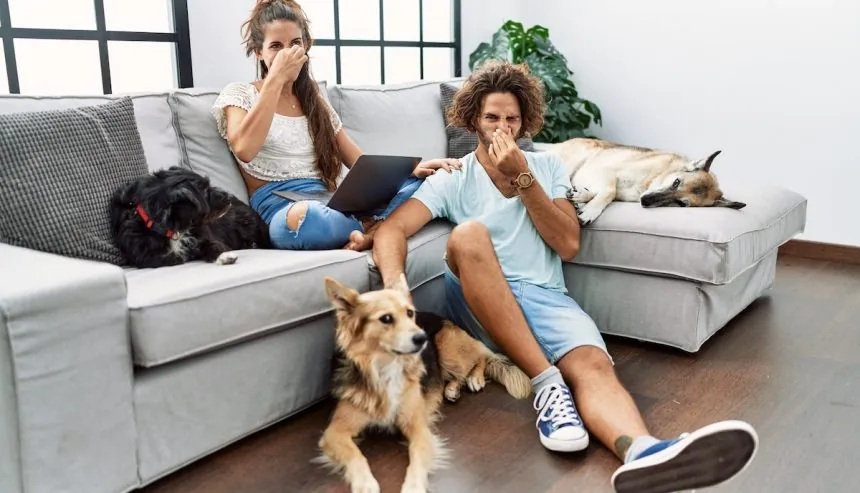
Animal hoarding occurs when an individual houses a higher number of animals than they can properly care for, resulting in severe neglect, overcrowding, and dangerous environmental degradation. In Melbourne and across Brevard County, high ambient humidity and heat accelerate the breakdown of organic waste, turning animal hoarding situations into acute biological crises within days.
Unlike general clutter hoarding, animal hoarding carries severe legal, emotional, and public health ramifications. Property owners, family members, and municipal authorities face a dual challenge: safely relocating neglected animals while thoroughly remediating severe biohazardous conditions that render the residence uninhabitable.
Unseen Biological Hazards & Health Risks
Accumulated animal feces, urine, and organic matter create hazardous indoor environments. Left untreated, these biological contaminants saturate building materials and pose severe health risks to human occupants and surrounding neighbors.
- High-Concentration Ammonia Gas: Animal urine produces extreme levels of ammonia vapor. Prolonged exposure causes severe respiratory inflammation, eye burning, throat damage, and chemical pneumonitis. Ammonia molecules also penetrate porous materials like drywall, framing, and concrete subfloors.
- Zoonotic Pathogens & Parasites: Animal waste vectors host dangerous zoonotic diseases that transfer from animals to humans:
- Toxoplasmosis: Parasitic infection found in cat feces that poses critical risks to immune-compromised individuals.
- Leptospirosis: Bacterial disease transmitted via urine-contaminated soil, water, or building surfaces.
- Salmonellosis & E. coli: Bacterial contaminants that cause severe gastrointestinal disease and systemic infections.
- Vector Infestations: Fleas, ticks, mites, and intestinal worms multiply rapidly in hoarded environments, spreading secondary infections and skin ailments.
- Structural Subfloor & Framing Decay: Liquid pet urine dissolves floor adhesives, warps hardwood, degrades concrete slab sealants, and rots structural floor joists, often leading to partial structural collapse.
Biological Hazard Assessment & Remediation Matrix
| Hazard Level | Environmental Indicators | Key Technical Interventions |
| Level 1: Surface Accumulation | Visible animal waste on hard surfaces; mild to moderate ammonia odor; localized textile contamination. | HEPA vacuuming; surface extraction; application of EPA-registered enzymatic bio-cleaners and hospital-grade disinfectants. |
| Level 2: Deep Saturation | Waste saturation through carpeting and padding into subflooring; strong ammonia vapors; active flea/pest infestations. | Complete removal of soft flooring; subfloor chemical sealing; thermal fogging; targeted pest eradication protocols. |
| Level 3: Structural Biohazard | Waste penetration into drywall, baseboards, and structural framing; dead animal carcasses; airborne biological pathogens; compromised indoor air quality. | Controlled demolition of contaminated drywall and insulation; structural wood sealing; hydroxyl/ozone air scrubbing; ATP verification testing. |
The Step-by-Step Environmental Remediation Process
Restoring an animal hoarding property to a safe, livable condition requires structured biohazard extraction, specialized chemical treatment, and meticulous air quality management.
Phase 1: Agency Coordination & Site Containment
Before remediation begins, teams coordinate with local animal welfare agencies, such as Brevard County Animal Services, to ensure all animals are safely removed and cataloged. Technicians establish negative air pressure zones with HEPA air scrubbers and seal off HVAC systems to prevent cross-contaminating unaffected areas.
Phase 2: Biohazard Waste Extraction & Controlled Demolition
All biological waste, ruined soft goods, saturated carpeting, and subflooring are containerized in biohazard packaging and legally disposed of in accordance with Florida Department of Health regulations. Non-salvageable, urine-soaked drywall and baseboards are cut away to expose raw framing.
Phase 3: Enzymatic Decontamination & Odor Neutralization
Standard household cleaners cannot break down uric acid crystals. Certified technicians apply industrial-grade enzymatic digesters that actively break down uric acid molecules and eliminate deep-seated organic bacteria.
Phase 4: Hydroxyl & Ozone Gas Air Scrubbing
To eliminate lingering VOCs and airborne odor compounds, hydroxyl generators and industrial ozone equipment oxidize micro-particles trapped within wood framing and concrete, permanently restoring indoor air quality.
Why Choose PuroClean of Melbourne for Animal Hoarding Remediation
Remediating animal hoarding properties requires specialized safety equipment, biohazard certifications, and a compassionate, discreet workforce. PuroClean of Melbourne delivers technical precision while respecting family privacy.
- IICRC & Biohazard Certified: Fully trained in IICRC S540 Trauma & Biohazard Remediation, OSHA Bloodborne Pathogens compliance, and hazardous waste containment.
- Discreet Emergency Service: We respect neighborhood privacy, offering unbranded or discreet service deployments upon request.
- Turnkey Structural Restoration: As a licensed Florida general contractor, we manage the entire project from initial waste extraction and disinfection to structural rebuilds, drywall installation, painting, and flooring replacement.
- Direct Insurance Coordination: We work directly with major property insurance carriers to simplify the claims process and provide comprehensive digital documentation.
24/7 Professional Animal Hoarding & Biohazard Cleanup
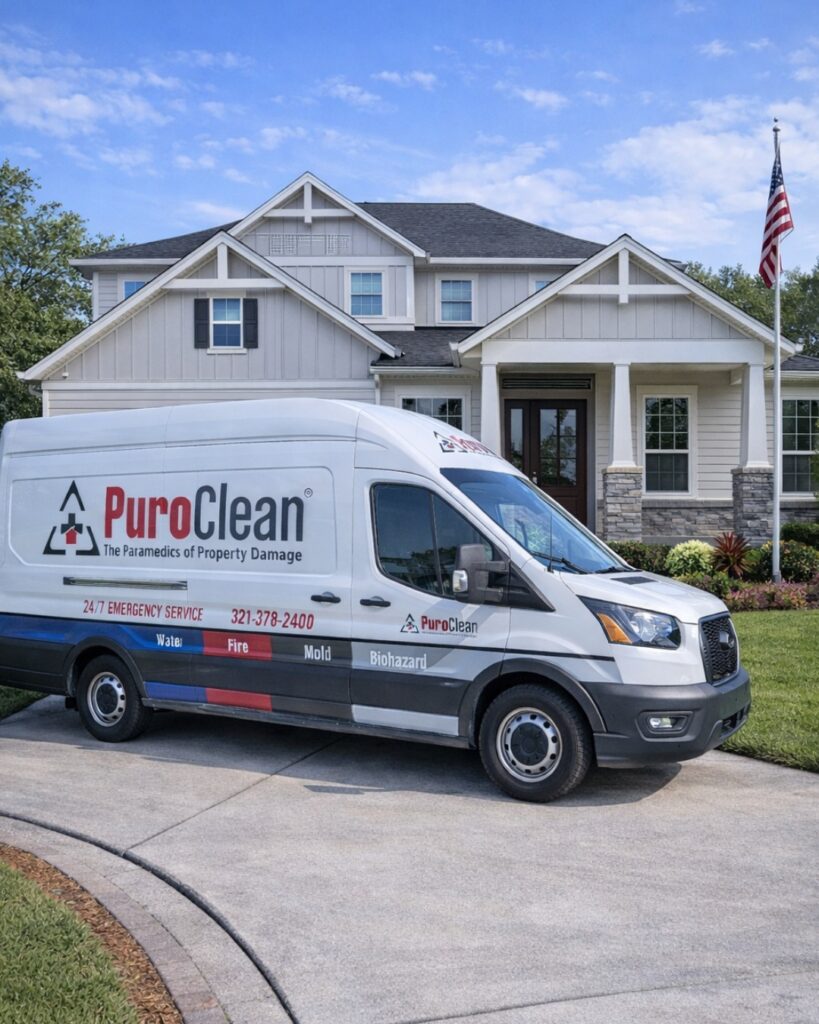
If you are managing an animal hoarding situation or severe biological hazard in Melbourne, Viera, Palm Bay, or anywhere in Brevard County, contact the certified biohazard restoration team at PuroClean of Melbourne.
- 24/7 Emergency Line: (321) 378-2400
- Facility Address: 739 North Dr, Melbourne, FL 32934 (Coastal Technology Center)
- Service Area: All of Brevard County and surrounding Space Coast communities