


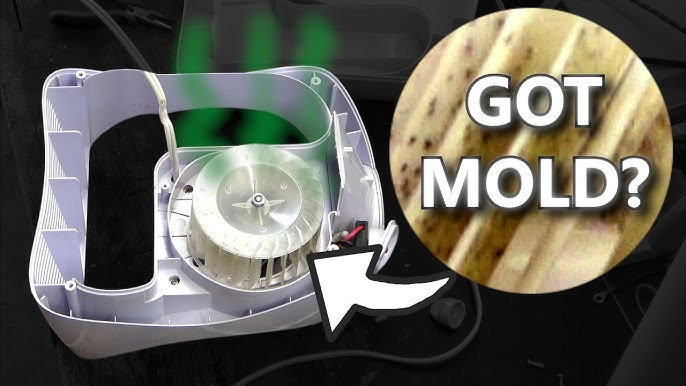
The oldest of the old-school appliances, the humidifier, is a staple of many households in one form or another. They are an incredibly effective way to add much-needed moisture to dry air indoors and reduce both static electricity and sinus bother. Unfortunately, they also tend to be a haven for mold growth.
Mold Removal & Remediation in Melbourne, FL
Mold can equally affect your portable humidifier as it can an installed humidifier unit. If your humidifier has been unused for a lengthy period or you haven’t cleaned it in a while, you may notice bacteria or mold growth. Mold can be dangerous to your health and property. If mold grows in the humidifiers, mold spores will spread throughout the space.
It’s always best to reach out to the professionals at PuroClean of Melbourne if you suspect mold is present anywhere in your home. Our trained technicians have the skills and state-of-the-art equipment to safely and properly remediate the problem. If the mold affects an area smaller than 10 square feet, there are some at-home treatments you can choose to try yourself using proper safety precautions. In this blog, we’ll look at why mold grows in humidifiers, how to recognize mold growth, and some tips to remediate it yourself.
How Does Mold Develop in a Humidifier?
A humidifier is used to add moisture to indoor air, providing relief from dryness. Without some kind of airflow around the humidifier, it would simply collect water from the air and sit there. This means a lot of humidifiers have a fan or some other form of airflow moving over them to spread the moisture throughout a room.
Read Also: What is this mold-like film growing inside my humidifier?
If you put a lot of organic matter in close proximity to your humidifier and don’t allow for adequate air movement, mold may develop on the surface where water collects. Isolation indoors during wintertime means that mold growth is more likely as well. In addition, if you don’t clean out your humidifier after shutting it off or neglect to change the filter regularly, you’re asking for trouble!
Signs of Mold Growth in Humidifier

If you see a fuzzy, white, or black substance on the surface of your humidifier’s tank, there’s a very good chance it’s mold. Even if you can’t see any growth, keeping your humidifier clean is important! All that sitting humidity gets your humidifier dirty, and mold can develop. If you’ve ever seen a grimy chalkboard that wasn’t cleaned for a while or a pet’s water bowl that wasn’t washed out often, then you know how quickly organic matter can turn into something unsanitary. If the previous usage has left any natural pollutants in the water, it might create an attractive environment for mold to develop.
Read Also: Digital Water Alerts: Gadgets Help You Learn About a Leak Before It Does Damage
Some other signs of mold that you may notice are musty smells when using your humidifier or the machine simply doesn’t seem to be working as efficiently as usual. All of these could indicate that the appliance has been contaminated with mold and is no longer improving your indoor air.
Tips to Treat Mold in a Humidifier
It’s best to let the professionals at PuroClean handle large mold problems for you. If mold and bacteria growth affects an area smaller than 10 square feet, there are some home remedies you can choose to try. Be aware – these are not the same procedures the experts would use.
It’s important to take precautions with mold. Always wear proper PPE (Personal Protective Equipment) when near suspected mold. This includes goggles/eye protection, gloves, and an N-95 mask.
How to Clean and Remove Mold from a Humidifier
For most humidifiers, you will need to take apart the unit and clean it thoroughly and properly. This includes cleaning and disinfecting all surfaces and components. If you decide to take this route on your own, follow the steps below:
Read Also: Can Humidifiers Cause Mold?
Hydrogen Peroxide Method
- Unplug your humidifier while you complete these steps. Begin by adding clean water to the water chamber to rinse it out.
- Use hydrogen peroxide to clean the inside of your humidifier’s base. A 3% hydrogen peroxide solution may be effective at removing mold from your humidifier’s water tank.
- Add distilled water back to the tank. Unfiltered tap water is not recommended because of the minerals most tap water contains. The mineral deposits eventually cause mineral buildup, which can create susceptible areas for mold growth.
White Vinegar Method
- Unplug your humidifier and remove any detachable parts during this process. Wipe the interior and exterior of the humidifier down with a damp clean cloth.
- Then, remove the tank/water reservoir. Use a scrub (or toothbrush) and white distilled vinegar to thoroughly brush the tank.
- Soak the tank in soapy water. Afterward, use the white vinegar to scrub the tank one more time. Take extra care to tackle any stuck-on mineral deposits.
- Rinse the tank with fresh water to remove any extra soap or vinegar.
- Allow the tank to air dry before reassembling your humidifier.

Either of these solutions will safely help with your mold problem. We do not recommend using a bleach solution. Bleach gives the illusion that mold is gone, but it is ineffective at killing mold.
Read Also: DIY vs Professional Water Damage Restoration: Making the Right Choice for Your Melbourne Property
Lastly, let’s remove the smell! If the manufacturers’ instructions allow essential oils in your unit, fill your humidifier with water to its maximum capacity and add in 6-8 drops of lavender or other pure essential oil. Turn it on for about 30 minutes or until the water has run out. The air that comes out will be full of fresh scents and ready to fight pollen or other allergens in your room!
Prevent Mold Growth in Your Humidifier
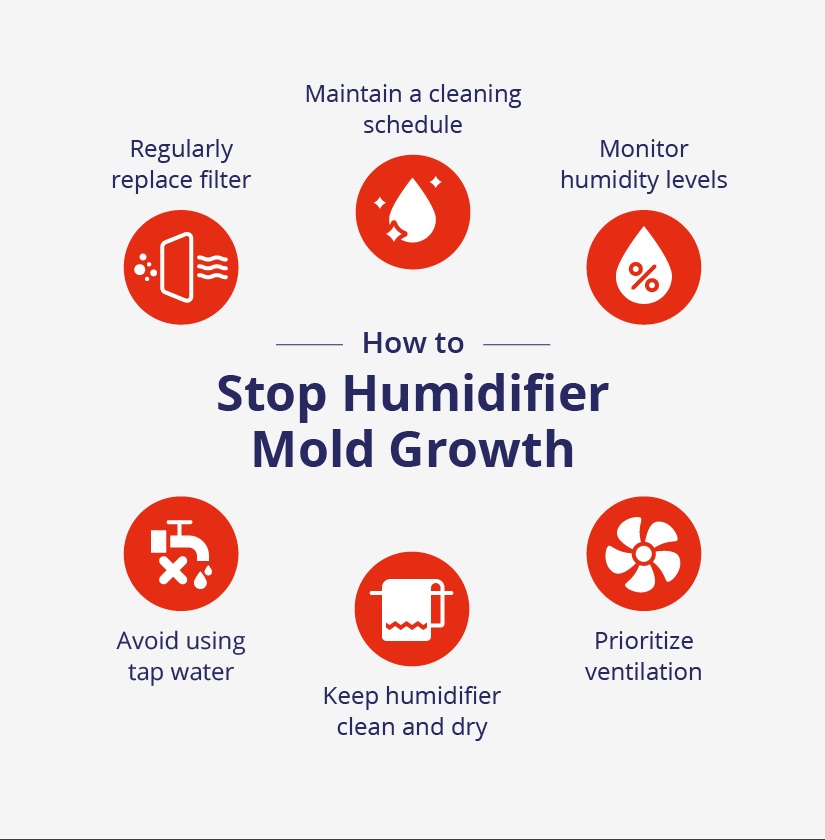
Cleaning your humidifier monthly is vital in preventing mold growth. Be sure to clean or replace the filter once a month. You can also wipe down the exterior with water and hydrogen peroxide every few weeks to prevent visible rusting or mineral buildup that may create future issues.
Read Also: How to Remove Mold in Humidifiers
Mold can still potentially grow, but if you clean your humidifier and replace the filters frequently, you are doing your part to keep bacteria and mold at bay.
1. Fast Facts: Why Humidifier Mold Matters
- The “Humidifier Lung” Risk: Neglected humidifiers can cause hypersensitivity pneumonitis (also known as “humidifier lung”), an inflammation of the lungs caused by breathing in mold and bacteria.
- 48-Hour Window: Mold can begin growing in standing water in as little as 48 hours.
- The Mist Factor: Ultrasonic and “cool mist” humidifiers are more likely to aerosolize mold spores, sending them directly into your breathing zone.
- Mineral “Scale”: Using tap water creates mineral buildup (white dust) that acts as a porous “anchor” for mold to latch onto.
2. Step-by-Step: How to Remove Mold (2026 Guide)
To safely clean a moldy humidifier, follow this protocol used by the pros at PuroClean:
Phase 1: The Vinegar Soak (Descaling)
- Unplug and Disassemble: Remove the tank and all removable parts.
- Vinegar Bath: Fill the base and tank with undiluted white vinegar. Let it sit for 30 minutes. This breaks down the mineral scale where mold hides.
- Scrub: Use a soft-bristled brush (or a dedicated toothbrush) to scrub the corners and the ultrasonic disk.
Read Also: Moisture Control in Restoration: The Power of Dehumidifiers
Phase 2: The Disinfection (Killing the Spores)
- Hydrogen Peroxide Solution: After rinsing away the vinegar, fill the tank with a solution of 3% hydrogen peroxide (or 1 teaspoon of bleach per gallon of water).
- Sit & Sanitize: Let it sit for another 10–20 minutes to ensure all fungal spores are neutralized.
- Final Rinse: Rinse multiple times until all chemical odors are gone.
Phase 3: The Dry-Out
- Crucial Step: Allow all parts to air dry completely before reassembling. Trapping moisture inside during storage or reassembly is the #1 cause of immediate mold return.
3. Prevention Tips for Melbourne Residents
- Use Distilled Water: In Melbourne, our local water can be hard. Distilled water lacks the minerals that feed mold.
- The 50% Rule: Use a hygrometer to ensure your room’s humidity stays between 30% and 50%. Anything over 60% in a Florida home is an invitation for mold on your walls and vents.
- Daily Maintenance: Empty the tank every morning, wipe it dry, and refill with fresh water only when you are ready to use it.
4. When to Call the Professionals
If you notice a musty smell in your home even after cleaning your humidifier, the mold may have spread to your carpets, curtains, or HVAC vents.
At PuroClean of Melbourne, we specialize in comprehensive mold remediation. If a minor humidifier leak has turned into a major moisture problem in your “Coastal Technology Center” office or Melbourne home, we are here to help.
Call PuroClean for Mold Remediation!
If you’ve ever dealt with mold in your home, you know how frustrating it can be. PuroClean is an expert in household mold remediation and can safely remove toxic black mold from your home’s surfaces without disturbing or damaging any items around it. To get connected with your local PuroClean office, call us 24/7 at (321) 378-2400 or visit our website.
Connect with PuroClean of Melbourne
Stay up to date with more home maintenance tips and see our team in action across the Space Coast:
- Facebook: PuroClean of Melbourne
- Instagram: @purocleanofmelbourne
- LinkedIn: PuroClean of Melbourne
- YouTube: Watch Our Restoration Process
- Pinterest: Home Safety & Restoration Ideas