


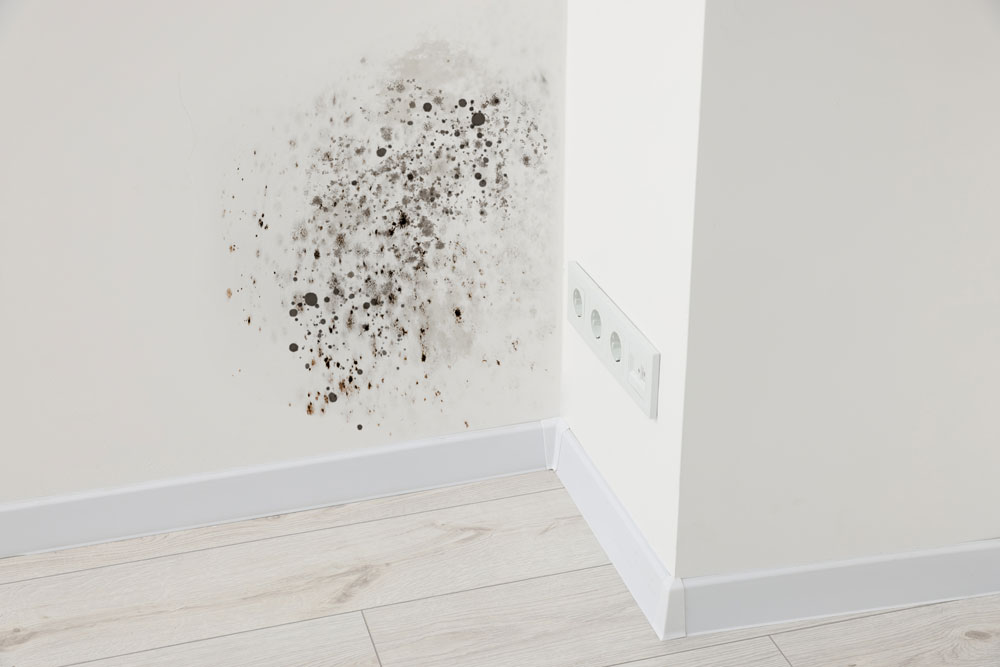
Your walls look fine. The paint isn’t peeling, there’s no visible discoloration, and you don’t see any fuzzy growth that screams “mold problem.” But behind that seemingly perfect drywall, a silent invasion could be underway. Mold growing inside your walls doesn’t announce itself with obvious visual cues. Instead, it sends subtle signals that Florida homeowners too often dismiss as normal quirks of living in a humid climate or minor issues not worth investigating.
Mold Removal in Melbourne, FL – Call (321) 378-2400
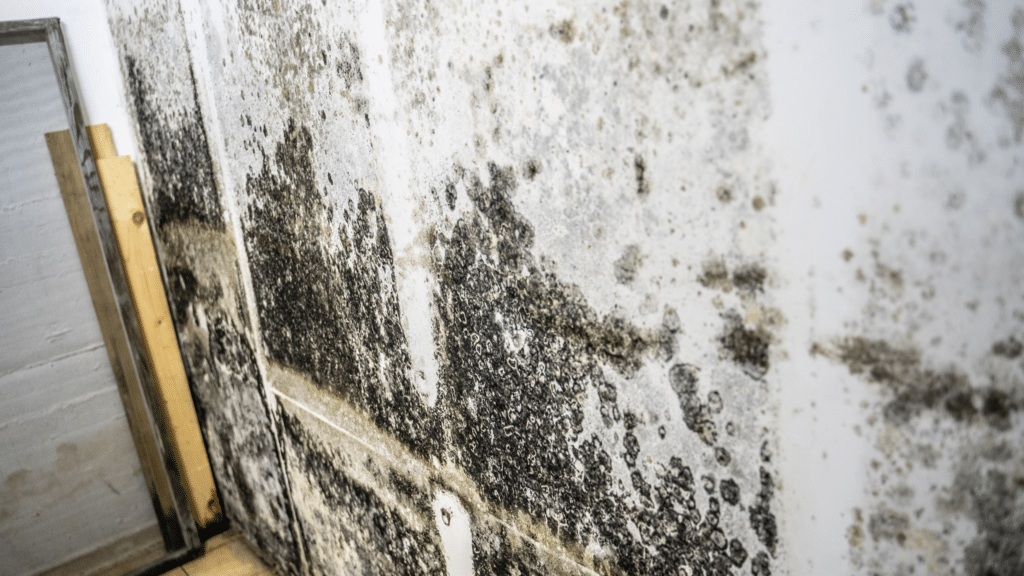
These ignored warning signs represent missed opportunities to address mold problems while they’re still manageable. By the time mold inside walls becomes visually obvious, it has typically spread extensively, caused significant structural damage, and created health hazards requiring expensive professional remediation. What could have been a relatively simple repair when caught early becomes a major renovation project costing thousands of dollars.
Melbourne homeowners face particular vulnerability to hidden wall mold because Florida’s climate creates perfect conditions for concealed growth. High humidity, frequent rain, aging building materials, and construction methods that prioritize hurricane resistance over moisture management all contribute to mold problems that develop silently within wall cavities. Understanding the subtle signs of hidden mold empowers you to catch problems early, protecting your health, your home’s structural integrity, and your financial investment.
This comprehensive guide explores the warning signs Florida homeowners commonly overlook, explains why these indicators matter, and provides actionable steps for addressing suspected hidden mold before minor problems escalate into major disasters.
Why Mold Loves Florida Wall Cavities
Before examining the warning signs, understanding why Florida walls are so susceptible to hidden mold growth helps you recognize the seriousness of even subtle indicators.
Perfect Temperature Range: Wall cavities maintain temperatures ideal for mold growth year-round. Unlike attics that become extremely hot or exterior surfaces that cool at night, the interior of walls stays consistently in the 70 to 85 degree range where mold thrives. Air conditioning moderates indoor temperatures, but wall cavities, particularly exterior walls, experience less temperature variation than living spaces.
Trapped Humidity: Humidity that penetrates walls from either interior or exterior sources becomes trapped in wall cavities with limited air circulation. Unlike open rooms where HVAC systems and ventilation control humidity, wall interiors have stagnant air that allows humidity to accumulate. Once humidity inside walls exceeds 60%, conditions support continuous mold growth.
Florida’s ambient outdoor humidity regularly exceeds 70%, creating constant pressure for moisture infiltration through building envelopes. Even small gaps in vapor barriers, failed caulking, or minor construction defects allow humid outdoor air to penetrate walls where it condenses on cooler interior surfaces.
Concealed Water Intrusion: Plumbing inside walls, roof leaks that channel water into wall cavities, failed flashing around windows and doors, and condensation on cold pipes all introduce moisture directly into wall interiors where it goes unnoticed until mold growth becomes extensive.
In Florida’s heavy rain environment, even minor building envelope failures allow water intrusion during storms. Wind-driven rain during tropical storms and hurricanes forces water through tiny gaps that wouldn’t leak during normal rain events. This intermittent but repeated wetting provides moisture that supports mold growth between rain events.
Food Sources Everywhere: Wall cavities contain abundant mold food sources including wood framing, paper-faced drywall, insulation, dust, and construction debris. The cellulose content in standard drywall and the organic materials in many insulation types provide everything mold needs once moisture is present.
Older Florida homes often have additional organic materials inside walls including wood lath, paper insulation, and cellulose-based materials that are particularly attractive to mold. Even newer homes with modern building materials contain sufficient organic matter to support extensive mold growth when moisture problems occur.
Limited Inspection Opportunities: Unlike visible surfaces you see and clean regularly, wall interiors remain hidden except during renovations or when problems become obvious enough to warrant invasive investigation. This means mold can grow undetected for months or years, spreading throughout wall cavities and creating extensive contamination before discovery.
Construction Quality Variations: Florida experienced multiple building booms where rapid construction sometimes sacrificed quality. Homes built during these periods may have construction defects including inadequate moisture barriers, improper flashing, poorly sealed penetrations, and other issues that create pathways for water intrusion. These defects create ongoing moisture problems that manifest as hidden mold growth.
Warning Sign 1: Persistent Musty Odors Without Visible Source
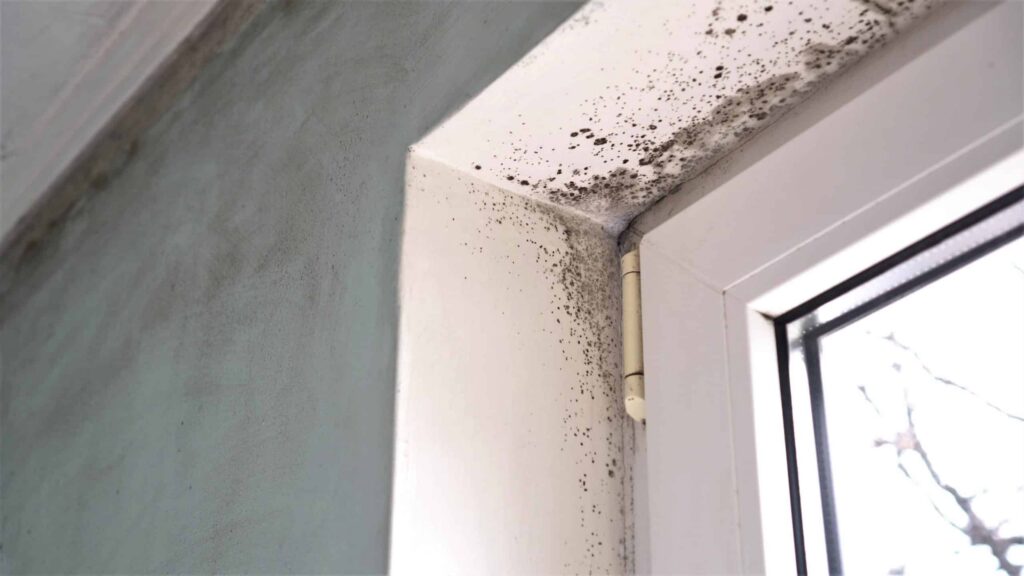
The human nose can detect mold odors at concentrations far below what’s visible to the eye. That persistent musty smell you’ve been dismissing as typical of Florida homes or attributing to old carpets might actually indicate extensive mold growth hidden inside your walls.
What You’re Actually Smelling: Musty, earthy odors characteristic of mold come from microbial volatile organic compounds (MVOCs) that mold releases during growth and reproduction. These gaseous compounds diffuse through drywall and other wall materials, carrying the telltale smell into living spaces even when growth remains hidden.
Different mold species produce different MVOC profiles, creating variations in smell. Some molds smell strongly musty and earthy. Others create sour or fermented odors. Some produce smells described as wet cardboard or rotting wood. Regardless of the specific scent, persistent unusual odors warrant investigation.
Why Homeowners Dismiss It: Florida homeowners often normalize musty smells, particularly in older homes or during humid summer months. Comments like “all Florida houses smell a bit musty” or “it’s just the humidity” represent rationalization that delays addressing serious problems.
Some homeowners attempt to mask odors with air fresheners, candles, or deodorizers rather than investigating the source. While these products temporarily cover smells, they don’t address underlying mold growth. The odor returns as soon as masking fragrances dissipate, and mold continues spreading unchecked.
Where to Notice It: Pay particular attention to musty odors in specific rooms or areas rather than throughout the home. Localized odors suggest moisture problems in particular wall sections. Common locations include bathrooms, kitchens, laundry rooms, bedrooms on exterior walls, and rooms above or below plumbing.
Odors that intensify during humid weather or after rain suggest moisture intrusion problems. If smells worsen when your AC runs less (allowing indoor humidity to rise) or improve when aggressive dehumidification operates, moisture-related mold is likely present.
Closets often smell mustier than adjacent rooms because the enclosed space concentrates odors and limits air circulation. However, exceptionally strong closet odors, particularly if localized to one wall or corner, suggest hidden mold in that wall section.
What to Do: Don’t ignore persistent musty odors. Begin investigating by identifying the strongest odor source. Walk through affected areas, noting where smells intensify. Check for visible mold on surfaces, but remember that lack of visible growth doesn’t rule out hidden contamination.
Inspect for moisture problems including plumbing leaks, roof leaks, condensation, or high humidity. Address any discovered moisture sources immediately. If odors persist after correcting obvious moisture problems, professional mold inspection with moisture detection equipment helps locate hidden growth.
Warning Sign 2: Water Stains and Discoloration
Water stains on walls and ceilings often indicate past or ongoing water intrusion that creates conditions for mold growth. Many homeowners notice stains but delay investigation, assuming the leak has stopped or that cosmetic painting will solve the problem.
What Stains Indicate: Discoloration on walls or ceilings signals that water has penetrated beyond surface materials into wall cavities or ceiling spaces. The visible stain represents only a fraction of the water intrusion. For every square foot of visible staining, significantly more area inside walls has been wetted.
Water staining patterns provide clues about moisture sources. Stains near ceilings suggest roof leaks or plumbing in upper floors or attics. Stains at floor level indicate foundation leaks, failed caulking at floor-wall junctions, or plumbing leaks in slab construction. Mid-wall stains often come from window leaks, exterior wall penetrations, or plumbing inside walls.
Types of Discoloration: Water stains appear in various forms depending on the water source and duration of intrusion. Yellow or brown stains typically indicate clean water from roof leaks, condensation, or supply plumbing. These stains often have defined edges and may show concentric rings from repeated wetting and drying cycles.
Gray, black, or greenish discoloration suggests mold growth has begun or that water contains contaminants. Fuzzy or textured discolored areas definitely indicate active mold growth rather than just water staining.
Rust-colored stains near metal fixtures, nails, or fasteners indicate corrosion from moisture exposure. While the stain itself comes from rust, the moisture causing corrosion also supports mold growth in surrounding materials.
Why Homeowners Ignore Them: Many people notice water stains but rationalize delaying action. Common excuses include “it’s an old stain from a leak that’s already fixed,” “I’ll paint over it during the next renovation,” or “it’s not getting bigger, so the leak must have stopped.”
These rationalizations ignore the reality that moisture problems rarely self-resolve and that even old stains indicate conditions that likely supported or continue to support mold growth. Additionally, leaks often occur intermittently, wetting materials during rain then stopping during dry periods. Stains that aren’t actively growing larger don’t necessarily indicate that leaking has stopped, just that you’re observing during a dry period.
Hidden Damage Behind Stains: The biggest problem with water stains is that visible discoloration represents minimal damage compared to what’s likely happening inside walls. By the time staining appears on wall surfaces, materials inside walls have been substantially wetted. Drywall wicks moisture horizontally and vertically well beyond the area of visible staining.
Mold growing inside walls doesn’t need to penetrate through to the visible surface to cause problems. It can colonize the backside of drywall, grow on insulation, spread across wall studs, and create extensive contamination completely hidden behind seemingly minor surface stains.
What to Do: Investigate every water stain, even old ones. First, identify the moisture source. Check roofing in areas above ceiling stains. Inspect plumbing serving areas near wall stains. Examine window and door flashing adjacent to wall discoloration. Look for condensation on cold surfaces that might drip and cause staining.
Use a moisture meter to check water content in drywall and framing around stains. Elevated moisture readings indicate ongoing moisture problems requiring immediate attention. Normal moisture readings don’t eliminate mold risk because materials can dry between wetting events while mold continues growing during damp periods.
For significant staining, particularly if stains are old and moisture source is unclear, consider professional inspection including thermal imaging that can detect moisture inside walls without invasive investigation. If moisture problems or mold indicators are found, professional remediation typically requires opening walls to remove contaminated materials and correct underlying defects.
Warning Sign 3: Peeling or Bubbling Paint and Wallpaper
Paint and wallpaper adhesion failures indicate moisture problems behind these finishes. While homeowners often attribute peeling paint to poor surface preparation or low-quality paint, moisture intrusion is the more common cause, particularly in Florida’s humid climate.
Why Moisture Causes Paint Failure: Paint creates a semi-permeable barrier on wall surfaces. When moisture inside walls tries to escape through evaporation, it pushes against paint from behind, breaking adhesion and causing bubbling, peeling, or flaking. The moisture can come from water intrusion, high humidity inside wall cavities, or condensation on cool wall surfaces.
Latex paints allow more moisture transmission than oil-based paints but still trap enough moisture to cause visible failure when wall moisture levels are high. Bubbles under paint indicate active moisture presence. Once moisture dries, bubbles may flatten but paint adhesion has been permanently compromised, leading to eventual peeling.
Wallpaper Behavior: Wallpaper responds even more dramatically to moisture than paint. Moisture causes wallpaper paste to fail, resulting in separation from walls. Wallpaper may bubble, curl at seams, or peel away entirely in affected areas.
Mold particularly loves wallpaper because the paper itself and the organic paste used for installation provide excellent food sources. Hidden mold frequently grows behind wallpaper long before it becomes visible on the surface. Musty odors combined with wallpaper adhesion failure strongly suggest hidden mold growth.
Pattern Recognition: Isolated paint or wallpaper failure might indicate poor installation, surface contamination during painting, or other localized issues. However, failure patterns along certain walls, particularly exterior walls or walls containing plumbing, suggest systematic moisture problems requiring investigation.
Bottom-edge peeling often indicates rising damp from foundation moisture or floor-level water intrusion. Upper-wall or ceiling failure suggests roof leaks or condensation. Failure around windows and doors points to flashing defects or air leakage allowing humidity infiltration.
Why It’s Ignored: Homeowners frequently attribute paint and wallpaper failure to age, poor workmanship, or cosmetic issues rather than recognizing them as moisture problem indicators. Responses like “the paint job was cheap, it just needs redoing” or “the wallpaper is old and needs updating anyway” miss the underlying moisture problems.
Repainting over failed paint or installing new wallpaper without addressing moisture sources wastes money and allows hidden mold growth to continue. The new finishes will fail just as previous finishes did because moisture problems persist.
What to Do: Before repainting or re-wallpapering, identify and correct moisture sources. Investigate why paint or wallpaper failed in specific locations. Check for plumbing leaks, roof leaks, condensation, or high indoor humidity.
Remove failed paint or wallpaper and inspect the wall surface beneath. Look for visible mold, water staining, or material deterioration. Use moisture meters to check water content in walls. If elevated moisture or visible mold is present, address it before applying new finishes.
For extensive failure, particularly if musty odors are present or if failure recurs after previous repainting, professional mold inspection helps determine whether hidden contamination requires remediation before cosmetic repairs.
Warning Sign 4: Warped or Buckled Walls and Baseboards
Drywall and wood trim that warps, buckles, or shows dimensional changes indicate moisture exposure that almost certainly supports mold growth.
How Moisture Causes Warping: Drywall and wood absorb moisture from air or direct water contact, causing them to swell. As moisture content increases, materials expand. When they dry, they contract. Repeated wetting and drying cycles, or sustained moisture exposure, causes permanent dimensional changes manifesting as warping, buckling, or waviness.
Drywall particularly shows moisture damage through buckling along seams, waviness across large surfaces, and soft or crumbly texture when pressed. Severe moisture exposure causes drywall to lose structural integrity entirely, sagging or crumbling when touched.
Baseboards separate from walls as wood swells from moisture absorption. Gaps appear between baseboards and walls, or baseboards themselves warp and twist. Paint on baseboards may crack as wood swells beyond the paint’s ability to flex.
Where to Look: Floor-level warping or baseboard damage often indicates foundation moisture intrusion, plumbing leaks in slab construction, or condensation from air conditioning ducts in floors. These moisture sources create persistent dampness at floor level that wicks up into walls.
Mid-wall warping suggests plumbing leaks inside walls or exterior moisture intrusion through failed caulking, flashing, or wall penetrations. Bathroom walls adjacent to showers and tubs commonly show warping from water penetrating behind tiles through failed grout or caulk.
Ceiling and upper wall warping points to roof leaks, attic condensation, or plumbing leaks from upper floors. Warping near windows indicates failed window installation, damaged flashing, or condensation from temperature differentials.
Detecting Subtle Changes: Severe warping is obvious, but subtle changes often go unnoticed until damage is extensive. Run your hand along walls feeling for irregularities. Look at walls from angles where side lighting creates shadows highlighting surface irregularities.
Check if doors and windows operate smoothly. Binding doors or windows that become difficult to operate suggest wall or frame swelling from moisture. While some binding results from foundation settlement, sudden changes or seasonal patterns suggest moisture-related swelling.
Why Homeowners Overlook It: Minor warping develops gradually, allowing occupants to unconsciously adapt without recognizing changes. What should seem obviously wrong becomes normalized through incremental progression. Additionally, furniture, pictures, and decorations hide wall surfaces where warping might otherwise be noticed.
Some homeowners notice warping but attribute it to foundation settlement, normal aging, or poor construction quality rather than recognizing it as a moisture problem indicator. Responses like “old houses settle” or “Florida houses shift” delay investigation of actual moisture problems.
What to Do: Any wall warping or dimensional changes warrant moisture investigation. Use moisture meters to check water content in affected areas. Press on warped drywall checking for soft spots indicating severe moisture damage or potential mold growth deteriorating material strength.
Identify moisture sources through systematic inspection of plumbing, roofing, exterior envelope integrity, and humidity levels. Address discovered moisture problems immediately. For severe warping, particularly if accompanied by soft texture or musty odors, professional inspection helps determine remediation requirements.
Materials that have warped from moisture exposure typically require replacement even after moisture sources are corrected. Warped drywall rarely returns to flat configuration after drying, and moisture-damaged materials often harbor mold requiring removal for proper remediation.
Warning Sign 5: Visible Mold on Surfaces Near Problem Walls
Visible mold on surfaces adjacent to walls, particularly if mold appears on baseboards, floor edges, or wall-ceiling junctions, often indicates more extensive hidden growth inside walls.
Surface Mold as an Indicator: When conditions inside walls support mold growth, spores released by hidden colonies escape through small gaps, cracks, and porous materials, settling on nearby surfaces. Mold appearing along baseboard tops, at wall-floor junctions, or on walls near ceilings suggests colonies inside walls or in spaces behind these visible areas.
Closet mold, particularly on walls shared with bathrooms or exterior walls, frequently indicates hidden moisture problems in those walls. The closet provides visible evidence of problems that exist throughout the wall, not just in the closet section.
Pattern Analysis: Random, isolated mold spots might result from surface condensation or localized spillage. However, mold growing in consistent patterns along certain walls or in specific rooms suggests systematic moisture problems affecting those wall sections.
Mold appearing after rain events indicates water intrusion through building envelope failures. Mold developing during humid periods suggests condensation problems from temperature differentials or inadequate vapor barriers. Pattern recognition helps identify root causes.
Why It’s Dismissed: Some homeowners treat surface mold as isolated cosmetic issues requiring only cleaning rather than recognizing them as symptoms of hidden problems. Responses like “I just need to clean the baseboards better” or “I’ll bleach that spot and it’ll be fine” address symptoms without investigating causes.
Regular recurrence of surface mold in the same locations despite repeated cleaning screams hidden moisture problems, yet many homeowners continue the clean-and-ignore cycle for months or years while hidden mold spreads.
What to Do: Investigate beyond visible surface mold. Clean the visible growth following proper safety protocols, but then identify why mold appeared in that specific location. What moisture source supports growth there?
Check for water intrusion, plumbing leaks, condensation, or high humidity. Use moisture meters to test wall moisture content behind areas where surface mold appears. If moisture readings are elevated or if mold rapidly returns after cleaning, professional inspection including potential invasive investigation helps determine hidden contamination extent.
Warning Sign 6: Increased Allergy or Respiratory Symptoms
Health symptoms that worsen at home but improve when away suggest environmental exposures including hidden mold growth. While many factors affect respiratory health, patterns correlating with time spent at home warrant environmental investigation.
Mold-Related Health Effects: Mold exposure causes varied health effects including nasal congestion, sneezing, coughing, wheezing, throat irritation, skin rashes, headaches, and fatigue. People with asthma often experience worsened symptoms and increased attack frequency when exposed to mold.
Some individuals develop sensitization where immune systems become increasingly reactive to mold exposure over time. What initially caused minor irritation progresses to significant reactions with continued exposure.
Pattern Recognition: Key indicators suggesting home environmental problems include symptoms that consistently improve when away from home for extended periods and return upon coming back home. Symptoms worse in specific rooms suggest localized contamination in those areas.
Seasonal variation where symptoms worsen during humid months suggests moisture-related mold growth that intensifies during high-humidity periods. Symptom onset correlating with specific events like storms, plumbing problems, or renovations points to environmental changes triggering health effects.
Why It’s Overlooked: Many people attribute respiratory symptoms to allergies, colds, or seasonal issues without considering home environmental factors. Responses like “I’m just prone to allergies” or “I always get sinus infections in summer” miss potential mold exposure as the cause.
Gradual symptom onset allows adaptation where people don’t recognize they’re chronically symptomatic until symptoms improve during extended time away from home. The improvement then highlights how abnormal their baseline state has become.
What to Do: If health symptoms suggest environmental exposures, first consult healthcare providers to rule out other medical issues. Inform doctors about potential mold exposure so they can consider it in diagnosis and treatment planning.
Document symptom patterns including when symptoms worsen, improve, and which household members are affected. Children, elderly individuals, and those with existing respiratory conditions often show effects before healthy adults, so their symptoms may provide early warning.
Conduct home environmental assessment including visual mold inspection, humidity measurement, and investigation for water intrusion or damage. Professional mold inspection with air quality testing provides objective data about indoor mold levels and helps identify contamination sources.
If hidden mold is discovered, temporary relocation during remediation may be necessary, particularly for symptomatic individuals or those with compromised health.
Warning Sign 7: Condensation Patterns
Condensation appearing on walls, particularly interior walls or specific wall sections, indicates temperature and humidity conditions that support mold growth, likely both on surfaces and inside wall cavities.
Why Condensation Matters: Condensation occurs when warm, humid air contacts cool surfaces, causing water vapor to condense into liquid water. This liquid water provides exactly what mold needs to grow. Regular condensation in specific locations creates persistent moisture supporting continuous mold growth.
Interior wall condensation suggests problems with insulation, vapor barriers, or temperature differentials across walls. Condensation on exterior walls indicates those walls are cooling below dew point temperature, suggesting inadequate insulation or thermal bridging.
Where to Notice It: Bathrooms commonly experience condensation during showering, which is normal and manageable with proper ventilation. However, condensation persisting long after bathing or appearing on walls distant from showers suggests whole-room humidity problems or wall temperature issues requiring attention.
Bedrooms developing wall condensation overnight indicate high humidity from occupant respiration combined with inadequate ventilation or cool wall surfaces. Closets with condensation on exterior walls show thermal problems allowing wall temperatures to drop below dew point.
Air-conditioned homes sometimes develop condensation on walls adjacent to cold AC ducts or on walls where AC directly blows onto surfaces. This localized cooling creates condensation even when room humidity is moderate.
The Hidden Component: Visible surface condensation represents only part of the problem. If condensation appears on the room side of walls, similar condensation likely occurs inside walls on the backside of drywall or on insulation where you can’t see it. This hidden condensation creates ideal conditions for mold growth inside wall cavities.
Why It’s Ignored: Brief condensation that evaporates quickly seems harmless, leading homeowners to dismiss it as normal. However, even condensation that dries within hours provides sufficient moisture for mold germination. Repeated daily condensation cycles create cumulative exposure supporting extensive growth over time.
Some homeowners attribute condensation to weather or seasonal conditions rather than recognizing it as a problem requiring correction. Responses like “it only happens when it’s really humid” ignore that “really humid” describes Florida’s normal climate most of the year.
What to Do: Address condensation through multiple approaches. Reduce indoor humidity using air conditioning, dehumidifiers, and improved ventilation. Exhaust humid air from bathrooms, kitchens, and laundry areas directly outside.
Improve insulation on walls developing condensation. Add or upgrade wall insulation to reduce temperature differentials across wall assemblies. Install vapor barriers if absent to prevent humid air from penetrating into wall cavities where it can condense.
Adjust AC operation to avoid over-cooling specific surfaces. Redirect airflow if necessary to prevent direct cold air contact with walls. Balance cooling needs with avoiding temperature extremes that create condensation.
If condensation problems persist despite these measures, professional building science assessment can identify thermal bridging, insulation deficiencies, or air leakage issues requiring correction.
Warning Sign 8: Efflorescence on Interior Walls
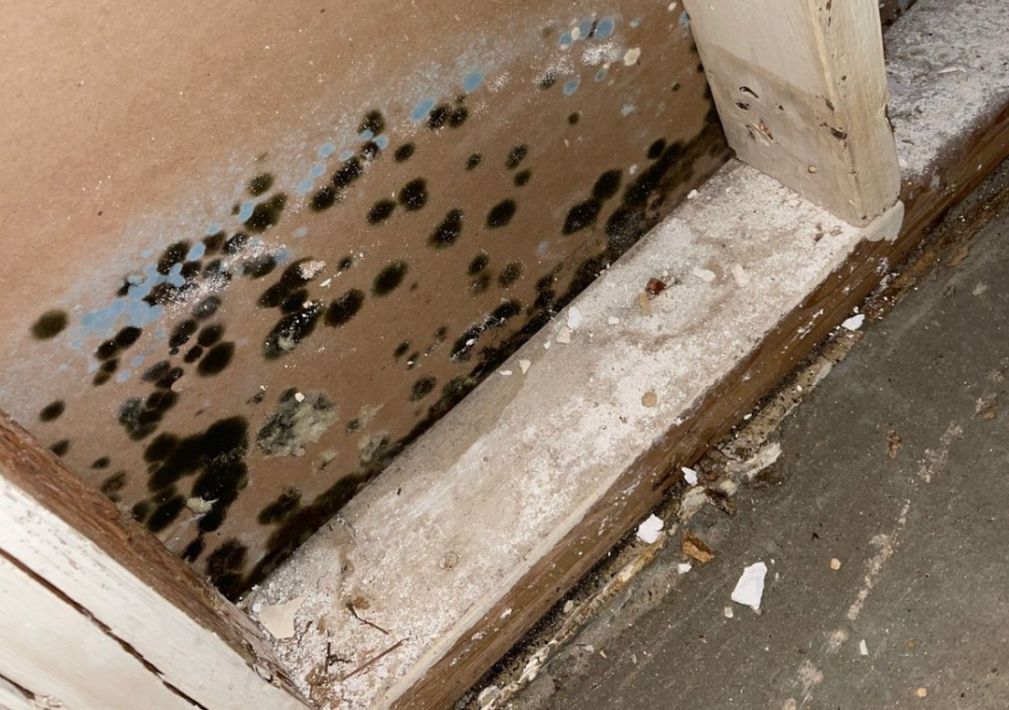
White, chalky deposits appearing on interior walls, particularly concrete or masonry walls, indicate moisture movement through walls that creates conditions for mold growth.
What Efflorescence Indicates: Efflorescence consists of mineral salts deposited on surfaces as water evaporates. Water penetrating through masonry or concrete dissolves minerals from these materials, carrying them to surfaces where evaporation leaves mineral deposits.
The presence of efflorescence proves moisture is moving through walls from exterior to interior or from ground sources through foundations. This moisture movement creates conditions supporting mold growth in organic materials within or on walls.
Appearance and Location: Efflorescence appears as white, gray, or tan powder or crystal deposits on masonry, concrete, or sometimes on drywall covering masonry walls. It often appears after rain, indicating exterior moisture intrusion, or continuously in areas with ongoing ground moisture problems.
Basement or first-floor walls commonly show efflorescence from ground moisture or foundation leaks. Exterior walls may develop efflorescence from rain penetration through masonry or failed waterproofing.
Mold’s Hidden Companion: While efflorescence itself is mineral deposits rather than biological growth, the moisture causing efflorescence simultaneously supports mold growth. Mold may grow on organic materials adjacent to efflorescence, on the backside of drywall covering masonry walls, or on any cellulose materials wetted by the moisture creating efflorescence.
Why Homeowners Miss the Connection: Many people recognize efflorescence as mineral deposits but don’t connect it to mold risk. They may brush off deposits without addressing underlying moisture problems, allowing hidden mold growth to continue.
Some homeowners confuse efflorescence with mold because both appear as discoloration on walls. However, efflorescence is mineral-based, dissolves in water, and has a powdery or crystalline texture, while mold is organic, doesn’t dissolve in water, and has fuzzy or slimy textures.
What to Do: Address moisture sources causing efflorescence. Improve exterior drainage, repair foundation leaks, waterproof basement walls, fix exterior envelope failures, or address rising damp problems through appropriate moisture barriers and drainage.
Remove efflorescence by dry brushing or vacuuming, then cleaning with water. Don’t use acid cleaners without professional guidance as they can damage some materials. After cleaning, monitor for reappearance. Returning efflorescence indicates ongoing moisture problems requiring correction.
Investigate for mold growth in conjunction with efflorescence. Check areas where organic materials contact masonry or concrete showing efflorescence. Consider professional inspection to assess whether hidden mold growth requires remediation.
Taking Action: From Suspicion to Solution
Recognizing warning signs is only valuable if you take appropriate action. Here’s how to move from suspicion to solution.
Initial Assessment: Begin with thorough visual inspection of your entire home. Don’t limit inspection to areas where you’ve noticed problems. Hidden mold in one location often indicates conditions affecting multiple areas.
Document everything with photographs and notes. Record dates when problems were first noticed, changes over time, and patterns you’ve observed. This documentation supports professional assessment and insurance claims if needed.
Moisture Detection: Purchase or rent a moisture meter and check wall moisture content in areas showing warning signs. Focus on areas with stains, odors, visible mold, or other indicators. Normal moisture content in drywall ranges from 5% to 12%. Readings above 15% indicate moisture problems requiring investigation.
Check humidity levels with hygrometers placed in various rooms. Indoor humidity should stay below 60%, ideally 40% to 50%. Higher humidity supports mold growth and indicates humidity control inadequacies.
Professional Inspection: When warning signs suggest hidden mold or when initial assessment reveals moisture problems without clear sources, professional mold inspection provides expertise and equipment homeowners lack.
Certified mold inspectors use thermal imaging to detect moisture inside walls without invasive investigation. They conduct air quality testing to measure spore concentrations and identify species present. They have experience recognizing subtle indicators that homeowners might miss.
Professional inspection typically costs $300 to $700 depending on property size and testing scope. This investment provides valuable information guiding remediation decisions and preventing expensive misdiagnosis.
Remediation Planning: If hidden mold is confirmed, professional remediation is almost always necessary. Hidden mold requires opening walls to access contaminated materials, proper containment to prevent spore spread during demolition, removal of contaminated materials, and correction of moisture sources.
Attempting DIY remediation of hidden mold rarely succeeds because of the difficulty accessing all contaminated areas, the risk of spreading contamination during amateur demolition, and the challenge of identifying and correcting all moisture sources without professional expertise.
Prevention After Remediation: Once remediation completes, preventing recurrence requires ongoing attention to moisture control. This includes maintaining gutters and drainage, promptly repairing leaks, controlling indoor humidity, ensuring adequate ventilation, and conducting regular inspections to catch new problems early.
Conclusion: The Cost of Ignoring the Signs
The warning signs of hidden wall mold aren’t subtle mysteries requiring expert knowledge to recognize. Musty odors, water stains, paint failure, warping, and the other indicators discussed in this guide are noticeable problems that homeowners encounter regularly. The issue isn’t that signs are invisible but rather that they’re dismissed, rationalized, or attributed to factors other than the moisture and mold problems they actually indicate.
This dismissal is understandable. Investigating potential mold problems feels daunting. The prospect of opening walls, discovering extensive contamination, and facing expensive remediation encourages denial and delay. It’s psychologically easier to believe that musty smell is just Florida humidity or that water stain is from a leak that’s already fixed than to confront potential serious problems.
However, hidden mold doesn’t improve with benign neglect. It spreads, consuming more materials, releasing more spores, and creating greater health risks with each passing month. The $2,000 remediation project you delay today becomes the $15,000 disaster you face next year when structural damage, health problems, or home sale contingencies force action.
For Melbourne homeowners, Florida’s climate means hidden wall mold is a serious ongoing risk requiring vigilant attention rather than dismissive rationalization. The signs are there. The question is whether you’ll notice and act on them while problems remain manageable or ignore them until extensive damage forces your hand.
Your walls are telling you stories about moisture, mold, and hidden problems developing out of sight. Learning to listen to these warning signs, taking them seriously despite the inconvenience they represent, and acting promptly when problems are suspected separates homeowners who successfully manage Florida’s mold challenges from those who face devastating expensive surprises.
If you’re noticing warning signs of hidden wall mold, or if you simply want professional assessment to confirm your home is free of hidden contamination, reaching out to certified mold inspection and remediation professionals provides peace of mind and protects your investment. With comprehensive inspection services, advanced moisture detection equipment, professional remediation capabilities, and expertise specific to Florida’s unique climate challenges, experienced local professionals can evaluate your situation, identify hidden problems before they escalate, and implement effective solutions that protect your Melbourne home and your family’s health. Don’t wait for hidden mold to become obvious catastrophe. The signs are there now, showing you problems while they’re still manageable. Take action while you still have that opportunity.

Connect With Us on Social Media!
Instagram | Facebook | Direction | Check Reviews | Yelp