 PuroClean of Melbourne
Living in Brevard County means enjoying beautiful beaches, the Space Coast lifestyle, and year-round warmth. But Florida’s humid climate also creates the perfect breeding ground for an unwelcome guest: mold. Whether you’re in Melbourne, Palm Bay, Cocoa Beach, Titusville, Merritt Island, Rockledge, or anywhere else in Brevard County, mold growth isn’t just unsightly it’s a serious threat to your property and your health.
At PuroClean of Melbourne, we’ve seen firsthand how quickly mold can take over a home or business. The good news? With proper mold removal and remediation, you can reclaim your space and breathe easier. This comprehensive guide will walk you through everything Brevard County residents need to know about mold, from understanding why it grows to preventing future infestations.
Why Mold Thrives in Brevard County

Brevard County’s subtropical climate is a mold paradise. With average humidity levels often exceeding 70% and frequent afternoon thunderstorms, moisture finds its way into homes through leaky roofs, poor ventilation, flooding, and even everyday activities like cooking and showering. Add in the occasional hurricane or tropical storm, and you have a recipe for mold disasters.
READ ALSO: Can Mold Grow on Metal Air Vents? What Melbourne, FL Homeowners Need to Know – PuroClean of Melbourne
Our proximity to the Atlantic Ocean and the Indian River Lagoon means salt air and moisture are constant companions. Homes built near the water face even greater challenges, as the combination of humidity and salt can accelerate deterioration of building materials, creating more opportunities for mold growth.
Mold spores are everywhere in the environment, but they only become a problem when they find moisture and organic material to feed on. Your drywall, wood framing, carpet, insulation, ceiling tiles, and even furniture can become mold’s next meal if conditions are right. In Brevard County, those conditions exist much of the year, making vigilance essential for every property owner.
The summer months from June through September are particularly challenging. Daily thunderstorms dump heavy rain, and the combination of heat and humidity creates ideal conditions for rapid mold growth. Many homeowners discover mold problems at the end of summer when they finally get a break from the oppressive weather and can inspect their homes more thoroughly.
The Hidden Dangers of Mold
Many homeowners make the mistake of thinking mold is just a cosmetic issue some discoloration on a wall or ceiling that can be wiped away. The reality is far more serious. Mold exposure can trigger allergic reactions, respiratory problems, headaches, fatigue, skin irritation, and eye irritation. For people with asthma or compromised immune systems, the effects can be even more severe, potentially leading to serious respiratory infections.
Children and elderly family members are particularly vulnerable to mold’s health effects. If family members experience symptoms that improve when they leave the house and worsen when they return, mold could be the culprit. Some people are more sensitive to mold than others, and even low levels of exposure can cause significant discomfort for those individuals.
Beyond health concerns, mold damages your property’s structure and dramatically reduces its value. Left untreated, mold can compromise wood framing, weaken drywall, destroy insulation, damage HVAC systems, and create expensive repair bills that can run into tens of thousands of dollars. Insurance companies and home inspectors take mold very seriously and so should you.
When it comes time to sell your Brevard County home, undisclosed mold problems can derail transactions, result in legal issues, and force you to accept significantly lower offers. Real estate agents know that even the hint of a mold problem sends buyers running. Investing in proper remediation protects not just your health, but your financial investment as well.
Common Types of Mold Found in Brevard County Homes
READ ALSO: Mold Removal and Remediation in Brevard County: Your Complete Guide to a Healthier Home
Not all mold is created equal. Brevard County homes commonly harbor several types of mold, each with its own characteristics and risks.
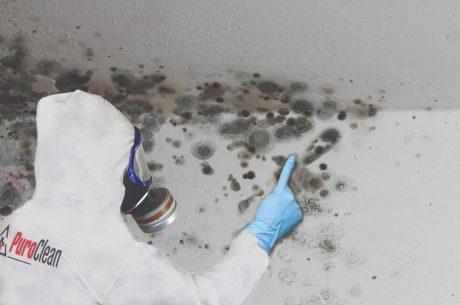
Black Mold (Stachybotrys chartarum) is perhaps the most notorious. This greenish-black mold grows on materials with high cellulose content like drywall, paper, and wood when they remain wet for extended periods. Black mold produces mycotoxins that can cause serious health problems, making professional remediation essential.
Aspergillus appears in various colors and is one of the most common indoor molds. While some species are relatively harmless, others can cause infections in people with weakened immune systems. Aspergillus thrives in dust and powdery food items but also grows on walls and in HVAC systems.
Cladosporium is a brown, green, or black mold that can grow in both warm and cool conditions. It often appears on fabrics, carpets, and wood surfaces. While generally less toxic than black mold, it still triggers allergic reactions and respiratory issues.
Penicillium gives off a distinctive musty odor and appears blue or green. It spreads quickly and is commonly found on water-damaged materials, wallpaper, carpets, and insulation. Some species produce mycotoxins that contaminate food and building materials.
Alternaria is commonly found in damp areas like showers, bathtubs, and under sinks. This dark green or brown mold spreads quickly and is known for causing allergic reactions and asthma attacks.
Professional mold testing can identify exactly what type of mold is growing in your home, allowing remediation specialists to tailor their approach for maximum effectiveness.
Mold Removal vs. Mold Remediation: Understanding the Difference

While many people use these terms interchangeably, there’s an important distinction that Brevard County homeowners should understand. Mold removal focuses on eliminating visible mold growth, while mold remediation addresses the entire problem removing mold, fixing the moisture source, preventing future growth, and restoring your property to safe conditions.
True remediation means getting to the root cause. Simply scrubbing away visible mold without addressing the underlying moisture problem is like putting a bandage on a wound that needs stitches. The mold will return, often in places you can’t see, creating an endless cycle of temporary fixes and recurring problems.
Remediation also recognizes that completely eliminating every single mold spore from an environment is impossible. Instead, the goal is to remove mold growth, reduce spore counts to normal background levels, and eliminate the moisture conditions that allow mold to thrive. This comprehensive approach is the only way to achieve lasting results.
Professional remediation companies follow established protocols developed by organizations like the Institute of Inspection, Cleaning and Restoration Certification (IICRC) and the Environmental Protection Agency (EPA). These protocols ensure that mold is addressed safely, thoroughly, and effectively.
The Professional Mold Remediation Process
READ ALSO: What Are the Dangers of Black Mold to Pets? – A Guild for Pet Lovers in Melbourne, Florida
Professional mold remediation follows a systematic approach designed to eliminate mold safely and prevent its return. Here’s what you can expect when you work with certified professionals like PuroClean of Melbourne:
Initial Inspection and Assessment: The process begins with a thorough inspection of your property. Using moisture meters, thermal imaging cameras, and air quality testing equipment, technicians identify all affected areas including hidden mold behind walls, under flooring, in ceiling cavities, and within HVAC systems. This crucial step ensures nothing gets missed.
Technicians document the extent of damage through photographs and detailed notes. They measure moisture levels in various materials and may collect air and surface samples for laboratory analysis. This information creates a roadmap for the remediation process and establishes a baseline for verifying success.
Containment: Before removal begins, the affected area is sealed off using physical barriers like polyethylene sheeting and negative air pressure to prevent mold spores from spreading to clean areas of your home. Doorways are sealed, and HVAC systems are shut down to prevent spores from traveling through ductwork.
For larger jobs, containment may involve creating decontamination chambers where workers can safely enter and exit the work area without tracking mold spores into clean spaces. This level of containment is especially important in occupied buildings where family members or employees remain on-site during remediation.
Air Filtration: HEPA (High-Efficiency Particulate Air) air scrubbers capture microscopic mold spores from the air, protecting both workers and unaffected areas of your property. These machines run continuously throughout the remediation process, creating negative air pressure that draws spores toward the filters rather than allowing them to escape.
HEPA filters can capture 99.97% of particles as small as 0.3 microns far smaller than mold spores. This level of filtration ensures that the air in your home returns to safe levels during and after the remediation process.
Mold Removal and Cleaning: Mold-infested materials that can’t be salvaged are safely removed and disposed of according to local regulations. This might include drywall, insulation, carpeting, baseboards, and other porous materials that have absorbed mold growth.
Salvageable surfaces like wood framing, concrete, and hard surfaces are cleaned using antimicrobial and antifungal treatments. Technicians use specialized cleaning agents, wire brushes, and sometimes techniques like dry ice blasting or soda blasting to remove mold from surfaces without damaging the underlying material.
Drying and Dehumidification: Industrial-grade equipment eliminates moisture completely, creating conditions where mold cannot survive. Commercial dehumidifiers, air movers, and specialized drying systems work together to bring moisture levels down to acceptable ranges typically below 60% relative humidity.
This step is absolutely critical. If materials aren’t dried thoroughly, mold will return within days or weeks. Professionals monitor moisture levels continuously using specialized meters to ensure all affected materials reach appropriate dryness before reconstruction begins.
Cleaning and Sanitizing: After mold removal and drying, all surfaces in the affected area are thoroughly cleaned and sanitized. This includes wiping down walls, ceilings, and fixtures with antimicrobial solutions. HEPA vacuuming removes any residual spores from surfaces throughout the property.
Contents like furniture, electronics, and personal belongings may be cleaned on-site or moved to a facility for specialized cleaning and deodorization. Mold often leaves behind a musty odor that requires professional deodorization techniques to eliminate completely.
Restoration: Finally, removed materials are replaced, surfaces are repaired, and your property is returned to its pre-mold condition. This might involve anything from simple tasks like replacing drywall and painting to major reconstruction projects involving structural repairs.
Quality remediation companies employ skilled contractors who can handle all aspects of restoration, ensuring seamless results that match your existing finishes. This comprehensive approach means you don’t have to coordinate between multiple companies or worry about inconsistent quality.
Why DIY Mold Removal Falls Short
We understand the temptation to tackle mold yourself, especially when you first discover a small patch on a bathroom wall or ceiling. However, DIY approaches rarely address the full scope of the problem and can actually make situations worse.
Store-bought products can’t reach mold hidden in wall cavities, under flooring, or within HVAC systems. What you see on the surface is often just a fraction of the total growth. Treating visible mold without addressing hidden growth leaves the majority of the problem untouched.
Without proper containment, DIY efforts risk spreading spores throughout your home. The simple act of scrubbing mold releases millions of spores into the air, where they settle on furniture, in ductwork, and on other surfaces. What started as one small problem can become a whole-house contamination event.
Most homeowners lack the equipment to properly dry affected areas. Even if you remove visible mold, moisture remaining in building materials will spawn new growth within days. Professional drying equipment and monitoring ensure materials reach appropriate moisture levels.
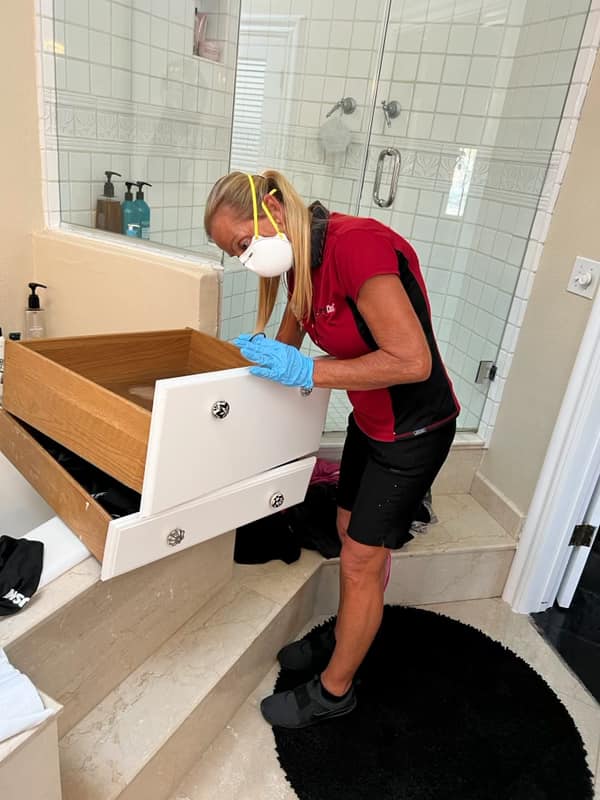
More importantly, disturbing mold without proper protection can expose you to high concentrations of spores, potentially causing serious health effects. Professional remediation technicians wear respirators, protective suits, and gloves specifically designed for mold work. Attempting remediation without appropriate protection puts your health at serious risk.
Finally, DIY remediation doesn’t address the source of moisture that caused the mold growth in the first place. Without fixing that underlying issue whether it’s a plumbing leak, roof damage, or ventilation problem the mold will simply return, forcing you to go through the entire process again.
Professional remediation companies have the training, equipment, and experience to handle mold safely and effectively. The cost of professional service is often comparable to what homeowners spend on multiple rounds of failed DIY attempts, and the results are far superior.
Choosing a Mold Remediation Company in Brevard County
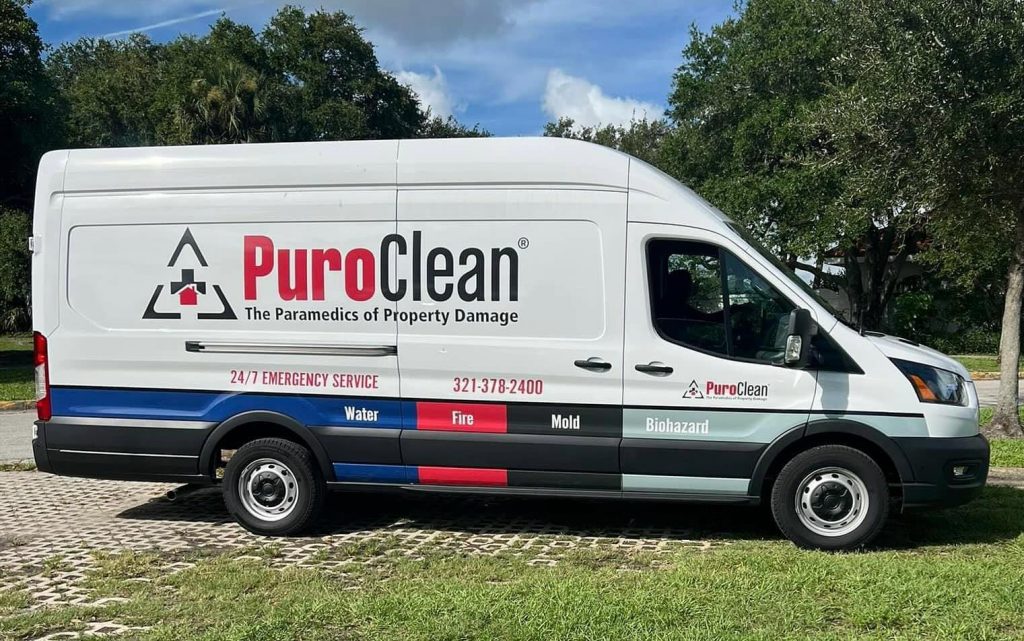
Not all mold remediation companies are created equal. When choosing a company to restore your Brevard County property, look for these essential qualifications:
Proper Certification and Licensing: IICRC certification demonstrates that technicians have received industry-standard training in mold remediation protocols. Florida requires mold remediators to be licensed, so verify that any company you consider holds current state licensing. These credentials aren’t just paperwork they represent significant training and ongoing education.
Experience with Florida Mold: Mold remediation in Brevard County requires understanding the unique challenges of Florida’s climate, building codes, and common construction methods. Companies with local experience know where to look for hidden problems and how to address moisture sources common to our area.
Comprehensive Services: Choose a company that handles inspection, testing, remediation, and restoration. Working with a single company that manages the entire process ensures better communication, faster completion, and consistent quality throughout your project.
Quick Response Times: Mold can spread rapidly, especially in Florida’s humid climate. Companies that offer 24/7 emergency response and can begin work quickly help minimize damage and prevent mold from spreading to additional areas of your property.
Advanced Equipment: Quality remediation requires specialized equipment. Ask about the company’s capabilities regarding moisture detection, air filtration, drying equipment, and antimicrobial treatments. Companies that invest in the latest technology deliver better results.
Transparent Pricing: Reputable companies provide detailed written estimates that break down costs for inspection, remediation, and restoration. Be wary of unusually low bids, which often indicate cut corners or hidden fees. Quality remediation represents a significant investment, but it’s one that protects your health and property value.
Insurance Experience: If you’re filing an insurance claim for mold damage, working with a company experienced in insurance work can streamline the process. They understand documentation requirements and can communicate effectively with adjusters.
References and Reviews: Check online reviews and ask for references from recent projects similar to yours. Quality companies have satisfied customers who are happy to share their experiences.
Preventing Mold in Your Brevard County Home

Prevention is always better than remediation. While Brevard County’s climate makes mold prevention challenging, these strategies can significantly reduce your risk:
Control Indoor Humidity: Keep humidity levels below 60% using dehumidifiers, especially during Florida’s humid summer months. Invest in a quality hygrometer to monitor humidity levels throughout your home. In particularly humid areas like bathrooms and laundry rooms, consider running dehumidifiers year-round.
Ensure Proper Ventilation: Bathrooms, kitchens, and laundry rooms generate significant moisture through daily use. Use exhaust fans during and after activities that create moisture, and consider upgrading to high-capacity fans if existing ones seem inadequate. Open windows when weather permits to improve air circulation.
Your attic needs proper ventilation to prevent moisture buildup that can lead to roof deck mold and ruin insulation. Ridge vents, soffit vents, and gable vents work together to create airflow that removes moisture before it causes problems.
Address Water Problems Immediately: Never let leaks, spills, or flooding sit. Even small amounts of water can spawn major mold problems within 24-48 hours. Fix plumbing leaks promptly, repair roof damage immediately, and clean up any water intrusion within 24 hours.
Keep an eye on your water bill unexplained increases might indicate hidden leaks. Check under sinks, around toilets, and near water heaters regularly for signs of moisture. Catching leaks early prevents mold from establishing a foothold.
Maintain Your HVAC System: Regular cleaning and filter changes prevent mold growth in ductwork and keep your system running efficiently. Have your HVAC system professionally serviced at least annually, and consider having ducts cleaned if you notice musty odors or see visible mold around vents.
Ensure your condensate drain line flows freely clogs can cause water to back up into your home. During humid months, condensate pans can overflow if drainage isn’t adequate, creating moisture problems that lead to mold growth.
Inspect Your Property Regularly: Pay special attention to areas prone to moisture like bathrooms, under sinks, around windows, in attics, and in crawl spaces. Look for signs of water stains, peeling paint, warped materials, or musty odors that might indicate hidden moisture problems.
After storms, which are common in Brevard County, inspect your roof and check for water intrusion. Tropical storms and hurricanes can create hidden leaks that lead to mold weeks later. Walk through your property after heavy rains to identify any areas where water is entering or pooling.
Landscape for Water Management: Ensure your property slopes away from your foundation to direct water away from your home. Keep gutters and downspouts clean and in good repair. Extend downspouts at least five feet from your foundation. Remove vegetation that touches your home’s exterior, as it can trap moisture against walls and create entry points for water.
Use Mold-Resistant Products: When renovating or repairing, choose mold-resistant drywall, paint, and materials. These products contain antimicrobial agents that inhibit mold growth and perform better in humid environments. While they cost slightly more upfront, they provide valuable protection in Florida’s challenging climate.
When to Call for Professional Help
Some situations absolutely require professional mold remediation. Don’t attempt DIY solutions if:
- Mold covers more than 10 square feet (roughly a 3×3 foot area)
- You’ve experienced flooding or significant water damage
- Mold appears after sewage backups or contaminated water exposure
- You smell musty odors but can’t locate the source
- Anyone in your home is experiencing unexplained health symptoms like persistent coughing, wheezing, headaches, or fatigue
- Mold appears in your HVAC system or ductwork
- You discover mold during renovation projects when opening walls or ceilings
- Previous DIY attempts have failed to prevent mold from returning
- You’re dealing with a property transaction where mold has been identified
Don’t wait until a small mold problem becomes a major disaster. Early intervention saves money, protects health, and prevents extensive property damage. What might cost a few thousand dollars to remediate today could cost tens of thousands if allowed to spread.
Your Trusted Partner in Mold Remediation
At PuroClean of Melbourne, we understand the stress and concern that comes with discovering mold in your home or business. Our certified technicians bring years of experience serving Brevard County residents, using the latest technology and proven remediation protocols to restore your property quickly and safely.
We’re available 24/7 for emergency response because we know mold doesn’t keep business hours. Whether you discover a problem at midnight or during a holiday weekend, our team is ready to respond, assess the situation, and begin protective measures to prevent further damage.
Our commitment goes beyond just removing mold we’re dedicated to identifying and fixing the source of moisture, ensuring your mold problem doesn’t return. We take time to educate our customers about prevention strategies and help them understand what caused their mold problem so they can avoid future issues.
Every member of our team receives ongoing training in the latest remediation techniques and safety protocols. We invest in state-of-the-art equipment that delivers superior results, and we stand behind our work with comprehensive warranties that give you peace of mind.
Conclusion: Protecting Your Brevard County Investment
Living in paradise shouldn’t mean living with mold. Brevard County’s beautiful weather and coastal lifestyle come with challenges, but mold doesn’t have to be one of them. With proper awareness, prevention strategies, and professional help when needed, you can maintain a healthy, mold-free environment for your family or employees.
If you’re dealing with mold growth or suspect hidden mold in your Brevard County property, don’t wait another day. Every hour that mold continues to grow means more damage to your property and greater health risks for occupants. Professional mold remediation protects your investment, safeguards your health, and gives you peace of mind knowing the job has been done right.

 PuroClean of Melbourne