


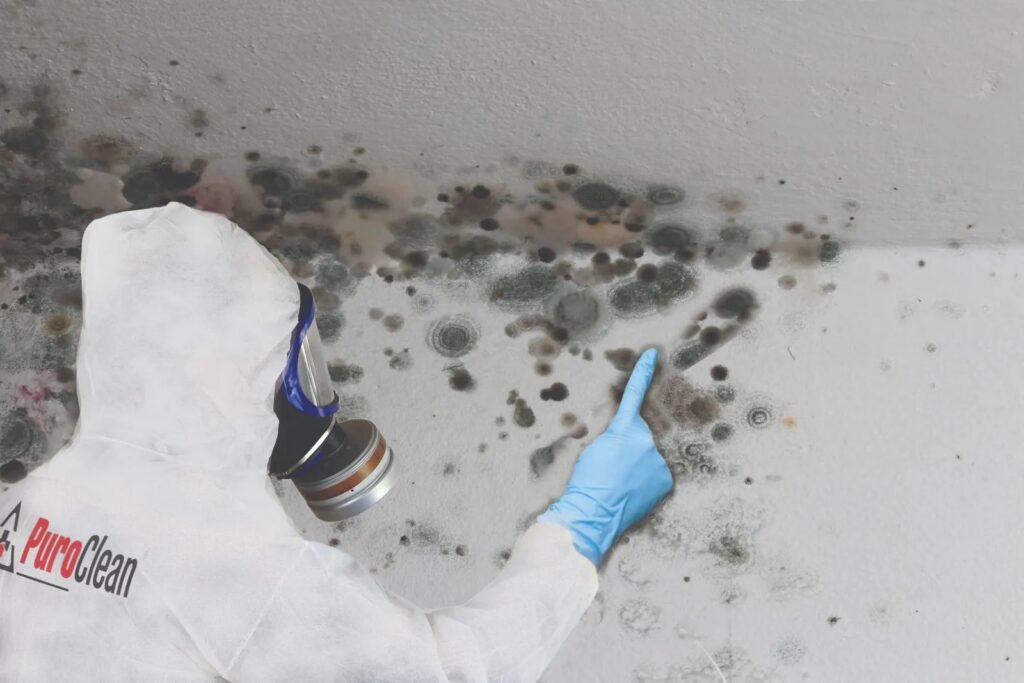
Living in Melbourne, Florida means enjoying beautiful beaches, warm weather, and a vibrant coastal community. However, our subtropical climate also creates the perfect conditions for an unwelcome guest: mold. With high humidity levels year-round, frequent rain showers, and the occasional hurricane or tropical storm, Melbourne properties face constant mold risks that many homeowners and business owners underestimate until it’s too late.
Mold Remediation Services in Melbourne, FL
At PuroClean of Melbourne, we’ve seen firsthand how quickly mold can transform from a minor concern into a serious health hazard and structural threat. The challenge with mold is that by the time you notice obvious signs, the problem has often been growing hidden behind walls, under floors, or in your HVAC system for weeks or even months. Understanding when professional mold remediation becomes necessary can protect your property value, your health, and your peace of mind.
In Case of Emergency, Call PuroClean of Melbourne: (321) 236-8968
Understanding Mold Growth in Melbourne’s Climate
Melbourne’s climate is a mold paradise. With average humidity levels frequently exceeding 70% and temperatures that rarely dip low enough to inhibit mold growth, our area provides ideal conditions for mold spores to settle and multiply. Add to this our hurricane season, afternoon thunderstorms, and proximity to the Atlantic Ocean, and you have a perfect storm for mold development.
Mold doesn’t need much to thrive—just moisture, organic material to feed on, and temperatures between 60 and 80 degrees Fahrenheit. Your home or business provides all of these in abundance. Drywall, wood framing, ceiling tiles, carpet, and even dust contain organic compounds that mold finds delicious. When these materials get wet from a roof leak, plumbing problem, high humidity, or flood damage, mold can begin growing within 24 to 48 hours.
READ ALSO: Water Damage Paint Bubbles on Wall from Moisture: Complete Guide to Causes, Fixes, and Prevention
Many Melbourne residents attempt DIY mold removal when they first spot discoloration on a wall or notice a musty smell. While small surface mold on non-porous materials might be manageable with proper cleaning products and safety equipment, significant mold growth requires professional expertise. Improper handling can actually make the problem worse by spreading spores throughout your property or failing to address the underlying moisture source that allowed mold to grow in the first place.
Sign #1: Persistent Musty Odors That Won’t Go Away

One of the earliest and most reliable indicators that you need professional mold remediation is a persistent musty odor that lingers no matter how much you clean or how often you open windows. This distinctive smell—often described as earthy, damp, or similar to wet socks—comes from microbial volatile organic compounds (MVOCs) that mold releases as it grows and digests organic materials.
The tricky part about mold odor is that it doesn’t always originate from visible mold growth. You might smell it strongest in certain rooms, in your HVAC system when the air conditioning kicks on, or when opening closets or cabinets. These smells indicate hidden mold growth behind walls, under flooring, in crawl spaces, or within your air conditioning system where moisture regularly accumulates.
In Melbourne’s climate, many homeowners become accustomed to a certain level of humidity and dismiss mild musty smells as normal. This is a mistake. If you’re noticing persistent odors that cleaning doesn’t eliminate, especially in bathrooms, laundry rooms, kitchens, or rooms with exterior walls, you’re likely dealing with active mold growth that requires professional assessment.
At PuroClean of Melbourne, we use professional-grade moisture meters and thermal imaging cameras to trace these odors to their source. Often, what seems like a minor smell problem reveals extensive hidden mold growth that’s been developing for months. Our team can identify not just where the mold is growing, but more importantly, why it’s growing—tracking down the moisture source that needs to be eliminated for effective remediation.
Don’t mask mold odors with air fresheners or ignore them hoping they’ll disappear. These smells are your property’s way of telling you something is wrong. Call us at (321) 378-2400 for a professional assessment. We’re available 24/7 because we know mold concerns don’t wait for convenient business hours.
Sign #2: Visible Mold Growth Covering More Than 10 Square Feet
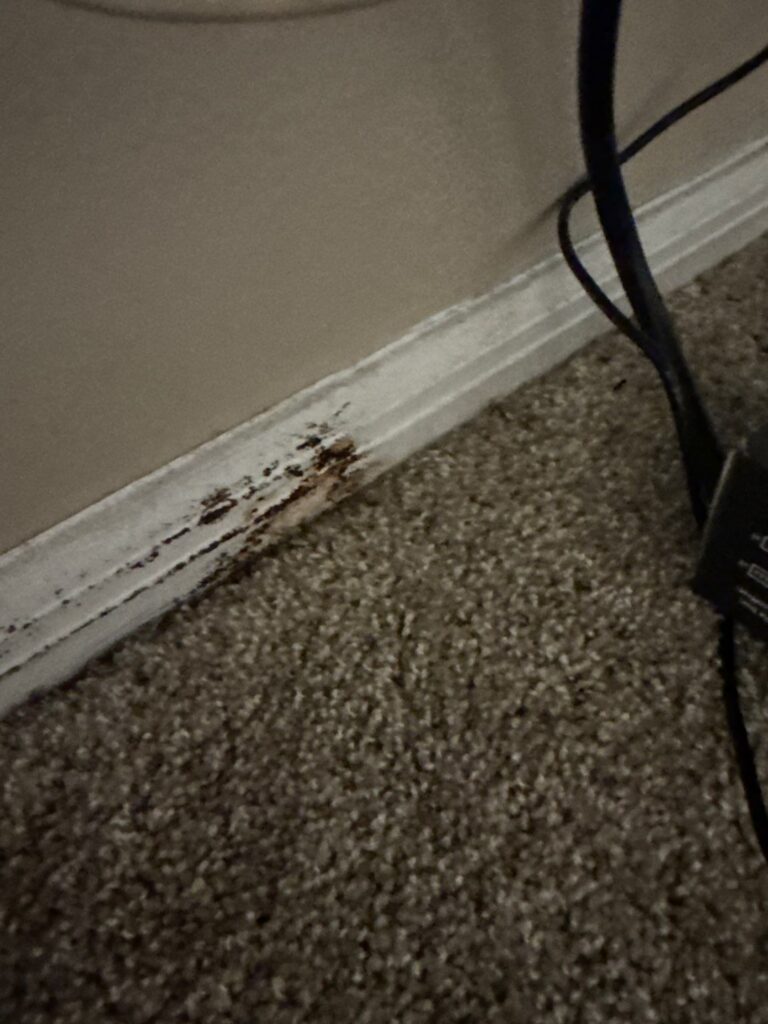
The EPA recommends that mold growth covering more than 10 square feet should be handled by professional remediation specialists. To put this in perspective, 10 square feet is roughly a three-foot by three-foot area—not very large. If you’re seeing mold patches larger than this, or if you’re noticing mold in multiple locations throughout your property, professional help isn’t just recommended; it’s essential.
READ ALSO: Modern Advances in Mold Removal
Visible mold can appear in various colors and textures. You might see black or dark green spots, white fuzzy growth, orange or pink discoloration, or even yellow or brown patches. The color doesn’t necessarily indicate the species or toxicity level—all mold growth should be taken seriously and assessed by professionals who can identify the type and extent of contamination.
Many Melbourne property owners are particularly concerned about black mold, technically known as Stachybotrys chartarum. While this species has gained notoriety for producing mycotoxins, the reality is that all mold growth poses potential health risks and should be professionally remediated. Trying to identify mold species yourself is less important than recognizing when the problem has grown beyond safe DIY management.
Visible mold is particularly common in Melbourne properties after water damage from storms, roof leaks, or plumbing failures. However, it also develops in chronically humid areas like poorly ventilated bathrooms, around air conditioning units, in attics with inadequate ventilation, and in any area where condensation regularly forms.
If you’re seeing extensive mold growth, resist the urge to grab bleach and start scrubbing. Disturbing large mold colonies without proper containment releases thousands of spores into the air, spreading contamination throughout your property. Professional remediation includes proper containment procedures, HEPA filtration, controlled removal techniques, and thorough cleaning that prevents cross-contamination.
At PuroClean of Melbourne, located at 739 North Dr, we approach every mold remediation project with comprehensive protocols that protect both your property and its occupants. We don’t just remove visible mold; we address the underlying moisture problem, clean affected areas thoroughly, and verify successful remediation with post-remediation testing when appropriate.
Sign #3: Recent Water Damage or Ongoing Moisture Problems
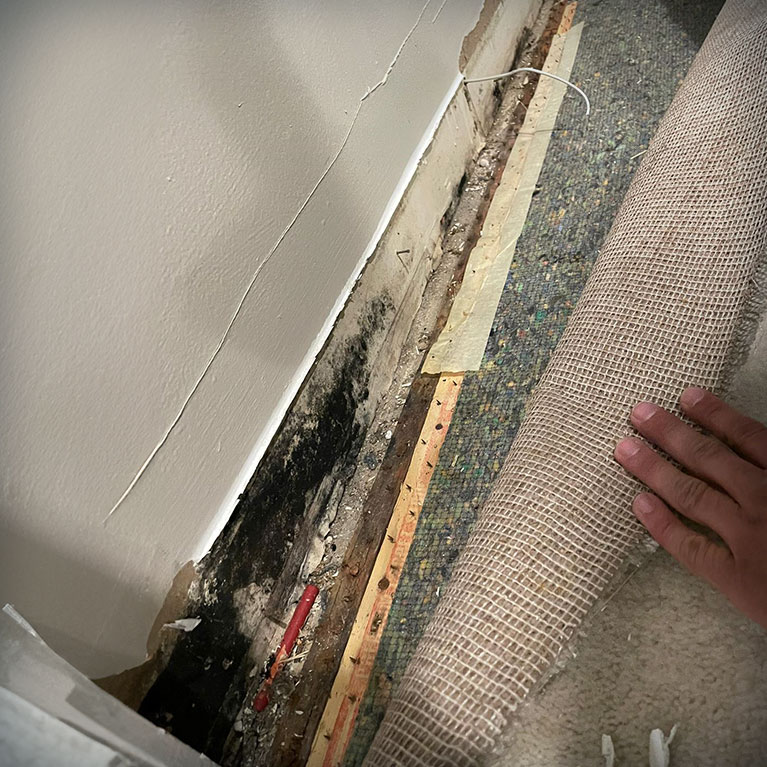
If your Melbourne property has experienced water damage from any source—hurricanes, heavy rain, plumbing leaks, roof damage, appliance malfunctions, or sewage backups—professional mold assessment should be part of your restoration plan. Even if you don’t see mold yet, the conditions for its growth are present, and professional intervention can prevent a mold problem before it starts.
READ ALSO: Beyond the Surface: 10 Overlooked Areas in Your Melbourne, Florida Home that Need Cleaning in 2026
Water damage and mold growth are intimately connected. In Melbourne’s warm climate, mold can begin colonizing wet building materials within 24 to 48 hours. If water damage isn’t promptly and thoroughly dried using professional equipment, mold growth is virtually guaranteed. Many homeowners believe that visible drying means complete drying, but moisture often remains trapped in wall cavities, under flooring, in insulation, and within structural materials long after surfaces appear dry.
Ongoing moisture problems are equally concerning. These include condensation on windows or walls, recurring plumbing leaks, high indoor humidity levels, poor drainage around your foundation, or HVAC systems that aren’t properly removing humidity. Each of these conditions creates the sustained moisture that allows mold colonies to establish and spread.
Melbourne’s proximity to the Atlantic Ocean means many properties battle higher humidity levels, especially during summer months. Properties near the Intracoastal Waterway, Indian River Lagoon, or along the beachfront face additional moisture challenges. Without proper dehumidification and ventilation, these properties are at constant risk for mold development.
Professional water damage restoration companies like PuroClean of Melbourne don’t just extract water and set up fans. We use industrial-grade dehumidifiers, monitor moisture levels in building materials with specialized meters, employ thermal imaging to detect hidden moisture, and continue the drying process until we’ve verified that materials have returned to normal moisture levels. This thorough approach prevents the mold growth that often follows amateur drying attempts.
If you’ve recently experienced water damage of any kind, or if you’re dealing with chronic moisture issues like recurring condensation or persistent humidity, contact PuroClean of Melbourne at (321) 378-2400. Our team can assess moisture levels throughout your property and implement professional drying protocols that prevent mold before it becomes a problem.
Sign #4: Health Symptoms That Improve When You Leave the Property

One of the most overlooked signs of mold problems is the pattern of health symptoms that improve when occupants leave the property and return when they come back. Mold exposure affects people differently depending on their sensitivity, the type and concentration of mold present, and the duration of exposure, but certain patterns are telltale indicators of mold-related health issues.
Common symptoms associated with mold exposure include respiratory problems like coughing, wheezing, shortness of breath, or throat irritation; allergic reactions such as sneezing, runny nose, red eyes, or skin rashes; headaches and difficulty concentrating; fatigue that doesn’t improve with rest; and in some cases, more severe reactions in individuals with compromised immune systems or existing respiratory conditions like asthma.
READ ALSO: Professional Tile and Grout Cleaning Service Melbourne: Transform Your Floors and Surfaces
The key distinguishing factor is whether symptoms improve when spending time away from the property. If family members feel better at work or school but symptoms return at home, if visitors comment on air quality issues, or if certain rooms consistently trigger symptoms while others don’t, mold contamination is a likely culprit.
Melbourne residents sometimes attribute these symptoms to allergies, assuming that Florida’s year-round pollen and outdoor allergens are responsible. While outdoor allergens certainly affect many people, symptoms that are specifically worse indoors and improve outdoors suggest an indoor air quality problem rather than seasonal allergies.
Children, elderly individuals, and those with compromised immune systems or pre-existing respiratory conditions are particularly vulnerable to mold-related health effects. If anyone in your household falls into these categories and is experiencing unexplained respiratory symptoms or allergic reactions, take indoor mold seriously and seek professional assessment.
At PuroClean of Melbourne, we understand the health implications of mold exposure and approach every remediation project with the urgency it deserves. Our certified technicians follow industry protocols that prioritize occupant safety, including proper containment to prevent spore spread during remediation and thorough cleaning that removes mold contamination rather than just making it invisible.
Don’t ignore health symptoms or attribute them to other causes without ruling out mold. Professional mold testing can identify whether your property has elevated mold levels and what species are present. Combined with our remediation services, we can help restore healthy indoor air quality to your Melbourne home or business.
Sign #5: Previous Amateur Remediation Attempts That Failed

Perhaps one of the clearest signs you need professional mold remediation is that you’ve already tried to handle the problem yourself and the mold has returned. DIY mold removal might seem cost-effective initially, but when mold comes back, you end up spending more money, wasting time, and potentially spreading contamination throughout your property.
Mold returns after amateur cleaning attempts for several reasons. Most commonly, DIY efforts address visible mold but miss hidden growth in wall cavities, under flooring, or in HVAC systems. Surface cleaning might remove the mold you can see, but if colonies exist behind that drywall or beneath that carpet, you’ll see new growth within weeks or months.
Another reason DIY remediation fails is that it doesn’t address the moisture source. You can clean mold off a bathroom wall, but if condensation continues to form because of poor ventilation, the mold will simply grow back. Effective remediation requires identifying and correcting the underlying moisture problem, whether that’s a plumbing leak, inadequate ventilation, high humidity, poor drainage, or another issue.
READ ALSO: Mold Removal and Remediation in Brevard County: Your Complete Guide to a Healthier Home
DIY attempts also frequently spread mold contamination. Scrubbing mold releases spores into the air. Without proper containment and HEPA filtration, these spores settle throughout your property, creating new colonies in previously unaffected areas. What started as mold in one bathroom can become mold problems in multiple rooms after improper cleaning attempts.
Many Melbourne homeowners try remediation themselves after finding conflicting information online about whether mold is truly dangerous or how to remove it. While not all mold situations require professional intervention—small patches on non-porous surfaces like tile can often be safely cleaned with appropriate precautions—significant growth, mold on porous materials, or recurring mold problems require professional expertise.
Professional mold remediation involves much more than cleaning visible mold. At PuroClean of Melbourne, our comprehensive approach includes identifying all areas of growth (including hidden contamination), establishing containment to prevent cross-contamination, using HEPA filtration and negative air pressure to control airborne spores during remediation, removing contaminated materials that cannot be effectively cleaned, cleaning and disinfecting salvageable materials and surfaces, addressing the moisture source that allowed mold to grow, and verifying successful remediation.
If you’ve attempted mold removal yourself and the problem has returned, or if you’re seeing mold spread to new areas after cleaning, it’s time to call professionals. Our team has the training, equipment, and experience to handle mold remediation correctly the first time. Contact us at (321) 378-2400 or email [email protected] to schedule an assessment.
Additional Warning Signs That Require Professional Attention
Beyond these top five signs, several other indicators suggest professional mold remediation is necessary. Discolored or warped building materials often indicate long-term moisture exposure and likely mold growth within structural components. Water stains on ceilings or walls suggest leaks that may have created ideal conditions for hidden mold. Peeling paint or wallpaper can indicate moisture problems behind wall surfaces where mold commonly grows.
If you notice any of these additional signs alongside the main indicators discussed above, professional assessment becomes even more critical. Mold problems rarely exist in isolation—where you see one sign, others are usually present as well.
The Dangers of Delaying Professional Mold Remediation
Postponing professional mold remediation when warning signs are present carries serious consequences. Health risks escalate as mold colonies mature and produce more spores. Structural damage increases as mold continues digesting building materials, weakening wood framing, deteriorating drywall, and compromising structural integrity. Property values decline when mold problems become known, whether through home inspections during sales or through reputation if you’re trying to rent the property.
The longer mold grows, the more expensive remediation becomes. What might have been contained to one room can spread throughout your property if ignored. Materials that could have been cleaned might require replacement if contamination becomes too severe. The moisture problems causing mold growth can also lead to other issues like wood rot, increased pest problems, and damage to electrical systems.
Why Choose Professional Mold Remediation in Melbourne FL
Melbourne’s unique climate and environmental factors make professional mold remediation particularly important in our area. Our high humidity, frequent storms, and warm temperatures create ongoing mold risks that require expert management. Professional remediation companies serving Melbourne understand these local challenges and can implement solutions tailored to Florida’s climate.
At PuroClean of Melbourne, we’ve built our reputation on providing comprehensive mold remediation services to Brevard County residents and businesses. Our team is trained in the latest mold remediation techniques and follows industry standards set by organizations like the Institute of Inspection, Cleaning and Restoration Certification (IICRC). We invest in professional-grade equipment including HEPA filtration systems, industrial dehumidifiers, moisture detection tools, and containment materials that ensure effective remediation.
Our approach goes beyond simply removing mold. We investigate the underlying causes, address moisture sources, prevent cross-contamination during remediation, and work to prevent future mold problems. We also work directly with insurance companies, providing detailed documentation and estimates that support your claim if your mold problem results from covered water damage.
Taking Action: What to Do If You Notice These Signs
If you’ve recognized any of these five signs in your Melbourne property, taking action quickly is essential. Start by contacting a professional mold remediation company for assessment. At PuroClean of Melbourne, we provide thorough inspections that identify the extent of mold growth, determine the underlying moisture problems, and develop comprehensive remediation plans.
While waiting for professional assessment, you can take some preliminary steps. Run your air conditioning to help control humidity levels, use exhaust fans in bathrooms and kitchens, fix any obvious water leaks or plumbing problems, and avoid disturbing visible mold growth which can release spores into the air.
In Case of Emergency, Call PuroClean of Melbourne: (321) 236-8968
Don’t delay addressing mold problems hoping they’ll resolve themselves. Mold doesn’t spontaneously disappear; it continues growing as long as moisture and food sources remain available. The longer you wait, the more extensive and expensive remediation becomes.
Conclusion: Protecting Your Melbourne Property and Health

Recognizing these five critical signs that you need professional mold remediation—persistent musty odors, visible mold covering more than 10 square feet, recent water damage or ongoing moisture problems, health symptoms that improve when leaving the property, and previous failed remediation attempts—empowers you to take action before minor mold problems become major crises.
Melbourne’s climate makes our community particularly vulnerable to mold growth, but professional remediation can effectively eliminate existing contamination and prevent future problems. Don’t let mold compromise your property value, structural integrity, or most importantly, your health and the health of your family or employees.
PuroClean of Melbourne is here to help Brevard County residents and businesses address mold problems quickly, thoroughly, and professionally. Available 24 hours a day at (321) 378-2400, our certified technicians bring expertise, advanced equipment, and a commitment to restoring your property to a safe, healthy condition. Visit our website at www.puroclean.com/melbourne-fl-puroclean-melbourne to learn more about our comprehensive mold remediation services, or email us at [email protected] with questions about your specific situation.
When it comes to mold, recognition and action make all the difference. If you’ve noticed any of these warning signs, contact PuroClean of Melbourne today. Your property and your health are too important to leave to chance.
Connect With Us on Social Media!