


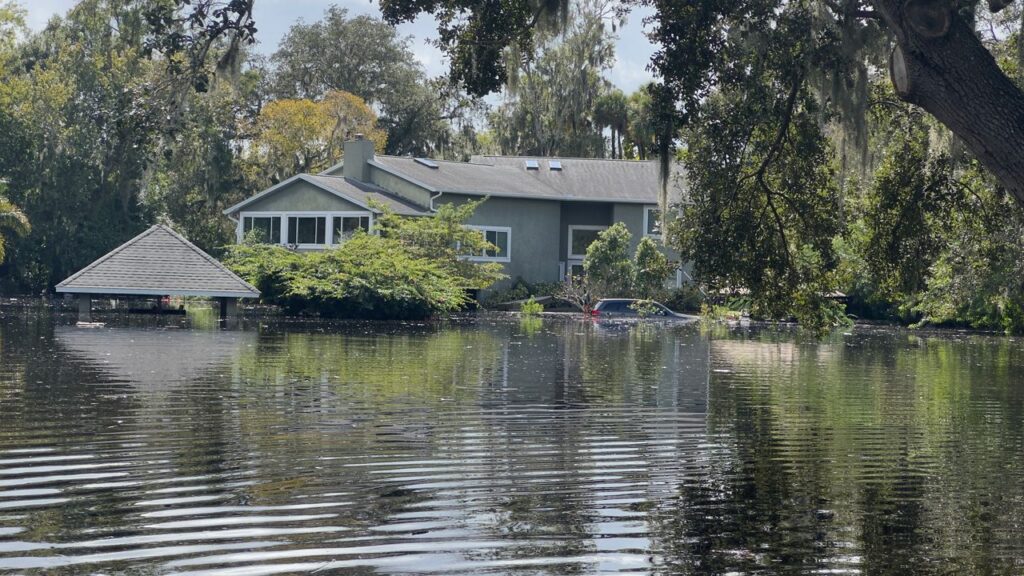
As we enter 2026, Melbourne and Brevard County residents face another Atlantic hurricane season with forecasters predicting near-normal to above-normal activity. Early projections suggest approximately 14 named storms, 7 hurricanes, and 3 major hurricanes for the 2026 season, with the official season running from June 1 through November 30. While these numbers hover around historical averages, the reality for Space Coast residents is clear: even a single severe storm making landfall can cause devastating water damage that disrupts lives and threatens properties for weeks or months.
Flood Cleanup and Water Damage Restoration in Melbourne, FL
At PuroClean of Melbourne, we’ve witnessed firsthand how tropical storms and hurricanes transform from abstract weather forecasts into concrete restoration challenges. We’ve extracted millions of gallons of floodwater from Melbourne homes, dried countless properties saturated by wind-driven rain, and helped families rebuild after storm surge devastated coastal properties. Our experience throughout Brevard County has taught us that preparation—not just reaction—makes the difference between manageable inconvenience and catastrophic loss when severe weather strikes.
This comprehensive 2026 preparedness guide addresses the specific storm-related water damage risks facing Brevard County properties and provides actionable strategies to protect your home or business. Whether you’re a longtime Melbourne resident who’s weathered past hurricanes or a newcomer to Florida’s Space Coast, understanding severe storm water damage and how to prevent or minimize it is essential knowledge that protects your property, your finances, and your peace of mind.
Understanding the 2026 Hurricane Season Outlook

Forecasters anticipate that sea surface temperatures in the tropical Atlantic will be warmer than average, which typically enhances Atlantic hurricane activity. Meanwhile, predictions of warm-neutral ENSO conditions developing by summer 2026 suggest conditions that historically support active hurricane seasons, though forecast uncertainty remains high at this early lead time.
READ ALSO: Brevard County Flooding: Your Complete Guide to Protection, Recovery, and Restoration in 2025
For Brevard County residents, these technical forecasts translate into practical reality: we should prepare for another active season where tropical weather threatens our community. The 2025 season reminded us that even when direct hits are rare, the Atlantic basin can produce powerful storms. This year demands the same level of preparation—perhaps more, given the potential for conditions favoring storm development.
What these forecasts mean for Melbourne homeowners: Don’t become complacent because of statistical averages. A “near-normal” season still means multiple named storms, several hurricanes, and the real possibility of severe weather affecting our area. One significant storm causing localized flooding, widespread wind damage, or storm surge can overwhelm our community’s resources regardless of how many storms form elsewhere in the Atlantic.
Storm Surge: Brevard County’s Most Dangerous Water Threat
Storm surge—the abnormal rise of water generated by a storm’s winds—represents the most lethal and destructive aspect of hurricanes for coastal communities. Melbourne’s location along the Atlantic Ocean and Indian River Lagoon creates significant storm surge vulnerability, particularly for properties in evacuation zones.
READ ALSO: Rains flood homes, close roads in Brevard, Lake, Orange
Storm surge doesn’t require a direct hit to cause catastrophic damage. Storms passing offshore can still generate surge that floods coastal properties, while storms making landfall nearby produce surge that penetrates miles inland. The surge arrives quickly—often faster than residents expect—and can rise several feet in minutes, trapping unprepared homeowners and flooding properties from ground level up.
Melbourne’s surge vulnerability zones are designated by Brevard County Emergency Management. Properties near the beachfront face the highest risk, but surge can extend well beyond the immediate coastline. Areas near the Intracoastal Waterway, Indian River Lagoon, and Sebastian Inlet also face surge threats. Low-lying neighborhoods and properties near retention ponds or drainage systems experience flooding as surge water backs up through stormwater infrastructure.
If you don’t know your evacuation zone, visit the Brevard County Emergency Management website now—before storm season begins. Mandatory evacuation orders are issued by zone, and knowing whether you’re in Zone A, B, C, or outside evacuation zones determines your required response when storms threaten.
Preparing for storm surge requires different strategies than preparing for other water damage. You cannot protect your property from surge through typical mitigation—sandbags and window protection don’t stop 4-6 feet of rising water. Instead, preparation focuses on evacuation planning, elevating valuable items and important documents to upper floors before evacuation, securing flood insurance (standard homeowners policies don’t cover surge), and accepting that ground-floor contents in surge zones may be lost if major storms threaten.
At PuroClean of Melbourne, we’ve restored numerous properties after storm surge flooding. These projects involve extensive work—everything surge-touched requires cleaning or replacement due to saltwater contamination. Drywall must be removed up to surge height, flooring often requires replacement, and contents suffer severe damage. The best approach to surge is evacuation and acceptance rather than attempting to protect property in place.
Wind-Driven Rain and Roof Vulnerabilities
While storm surge threatens coastal properties directly, wind-driven rain affects every property in Brevard County regardless of elevation or distance from water. Hurricane-force winds drive rain horizontally, forcing water through vulnerabilities that would never leak during normal rainfall. Even tropical storm-force winds can overwhelm roofing systems, window seals, and siding, introducing water that causes extensive interior damage.
Roof systems face multiple threats during severe storms. Missing or damaged shingles create entry points for water penetration. Flashing around chimneys, vents, and roof penetrations fails under wind stress. Soffit and fascia boards, especially if aging or improperly maintained, allow water intrusion into attic spaces. Wind damage can lift entire sections of roofing material, exposing sheathing to direct rainfall that pours into your property.
Melbourne’s salt air environment accelerates roofing material deterioration, making regular inspection and maintenance critical. What might be a minor shingle issue becomes a major leak entry point when hurricane winds test your roof. Spring maintenance—before June 1—should include professional roof inspection, replacing any damaged or missing shingles, checking and repairing all flashing, cleaning gutters and downspouts thoroughly, and trimming overhanging branches that could damage roofing during storms.
Windows and doors become water intrusion points when wind pressure overwhelms seals. Older windows with deteriorated weatherstripping allow water penetration. Sliding glass doors, common in Florida homes, are particularly vulnerable—their track systems can channel water directly into living spaces. Impact-resistant windows and doors provide the best protection, though they represent significant investment. For properties without impact-resistant glazing, storm shutters or plywood protection prevent wind-driven rain from reaching window and door surfaces where it can find entry points.
Siding and exterior walls that appear solid during normal conditions can admit water under hurricane conditions. Horizontal siding channels water downward, but hurricane winds can drive water upward behind siding or through seams. Gaps around pipe or wire penetrations through exterior walls become water entry points. Deteriorated caulk around windows, doors, and trim allows infiltration. Inspect your property’s exterior closely during off-season, seal all gaps and cracks, repair or replace damaged siding, and ensure all penetrations through exterior walls are properly sealed.
Flash Flooding from Intense Rainfall
Beyond storm surge and wind-driven rain, severe storms produce intense rainfall that overwhelms drainage systems and causes flash flooding. Melbourne’s flat terrain and high water table mean stormwater doesn’t drain quickly even under normal conditions. During tropical storms and hurricanes, multiple inches of rain fall in hours, creating flooding in areas that rarely flood during typical summer thunderstorms.
READ ALSO: Rains flood homes, close roads in Brevard, Lake, Orange
Street flooding is common during severe storms, but it’s dangerous even when it seems shallow. Six inches of moving water can knock adults off their feet. Twelve inches can move vehicles. Floodwater hides hazards—downed power lines, open manholes, sharp debris—that create injury risks. Never drive or walk through flooded streets unless absolutely necessary. Most storm-related deaths occur when people attempt to navigate flooded roads.
Property drainage becomes critical during extreme rainfall events. Gutters and downspouts must function properly to channel water away from your foundation. French drains, if your property has them, need to remain clear and functional. Grading around your foundation should slope away from your home, preventing water from pooling against foundation walls where it can penetrate into living spaces or garages.
Properties in low-lying areas or near retention ponds face additional flooding risk when these drainage features overflow. Retention pond capacity is designed for typical rainfall events, not the 10-20+ inches that major hurricanes can produce. When ponds overflow, surrounding properties flood rapidly. If your property is near retention ponds, monitor water levels as storms approach and be prepared for rapid flooding if heavy rainfall occurs.
Interior flooding prevention focuses on keeping water outside rather than trying to manage it once it enters. Inspect and seal foundation cracks before storm season. Ensure door thresholds and weatherstripping prevent water intrusion under doors. If your property has a history of flooding during heavy rain, consider having drains inspected professionally—broken or blocked underground drains can cause chronic flooding that worsens during storms.
Preventing Secondary Water Damage During Power Outages
Extended power outages following severe storms create conditions for secondary water damage that many homeowners don’t anticipate. Without air conditioning, indoor humidity soars in Melbourne’s climate. This elevated humidity, combined with any residual moisture from storm water intrusion, creates ideal conditions for mold growth that can develop within days of the storm’s passage.
HVAC systems play a critical role in controlling humidity and preventing moisture-related problems. When power fails during storms, HVAC systems stop functioning just when humidity control becomes most important. Properties that experienced even minor water intrusion during the storm face mold risk if power remains out for extended periods and indoor humidity isn’t controlled.
Generator capacity should include HVAC operation if possible, particularly for properties that experienced any water intrusion during storms. Running air conditioning for several hours daily helps control humidity and accelerates drying of materials that absorbed moisture during the storm. If generator capacity doesn’t allow HVAC operation, prioritize dehumidifier operation if you have portable units and sufficient generator power.
Refrigerator and freezer failures during extended outages can cause water damage as units defrost and condensation accumulates. Place towels around appliances to absorb water as they defrost. If power will be out for extended periods, prop doors open once defrosting completes to prevent mold growth inside appliances. Document contents for insurance purposes before discarding spoiled food.
Sump pumps and water removal systems that rely on electrical power stop functioning during outages, allowing water to accumulate in areas these systems normally keep dry. If your property has a sump pump, consider battery backup systems that maintain operation during outages. Crawl spaces and basements (rare in Melbourne but present in some properties) need monitoring during and after storms if their drainage systems require power.
The Critical 24-48 Hour Response Window
The single most important fact about storm-related water damage is that your response timeline determines whether you face straightforward restoration or complex mold remediation. Water damage that’s addressed professionally within 24-48 hours typically requires water extraction, drying, and repairs. That same damage left unaddressed beyond 48 hours almost certainly develops mold growth that requires extensive remediation.
Immediately after storms pass and authorities declare it safe to return or venture outside, assess your property for water damage. Look for standing water in living spaces, water stains on ceilings or walls, wet carpeting or flooring, musty odors indicating hidden moisture, and damage to roofs, windows, or exterior walls where water entered.
If you discover water damage of any significance, contact PuroClean of Melbourne immediately at (321) 378-2400. We maintain 24/7 emergency response capability specifically for post-storm situations when demand for restoration services surges. The sooner we can begin extraction and drying, the less total damage occurs and the lower your restoration costs.
Don’t wait days to call professionals because you’re unsure whether damage warrants professional attention. Minor water intrusion that seems manageable DIY often involves hidden moisture in walls, beneath flooring, or in other concealed spaces where homeowners can’t detect or address it. By the time you realize the problem is bigger than anticipated, mold has already begun growing and simple restoration has become complex remediation.
Document everything immediately before restoration begins. Take extensive photos and videos of all damage. List damaged items and their approximate values. Save these records for insurance claims. Professional restoration companies like PuroClean of Melbourne also document thoroughly, but your immediate post-storm documentation captures conditions at their worst, supporting insurance claims.
Insurance Considerations for Storm Water Damage
Understanding what insurance covers—and what it doesn’t—prevents devastating financial surprises after storms damage your property. Many Melbourne homeowners discover too late that their coverage doesn’t protect against certain types of storm water damage.
Standard homeowners insurance typically covers wind-driven rain damage that enters through wind-damaged roofs, windows, or walls. If hurricane winds tear shingles from your roof and rain pours into your living room, this damage is generally covered. Water damage from burst pipes, appliance failures, or HVAC issues during storms also typically receives coverage.
Flood insurance is separate from homeowners insurance and covers rising water from outside your property—storm surge, heavy rain that overwhelms drainage, or overflowing retention ponds. This is critical to understand: if storm surge floods your coastal Melbourne property, your homeowners insurance won’t cover it. You need flood insurance, obtained through the National Flood Insurance Program (NFIP) or private insurers.
Flood insurance requires a 30-day waiting period before coverage takes effect. You cannot purchase it when a storm threatens and expect immediate coverage. If you don’t currently have flood insurance and you’re in or near evacuation zones, obtain coverage now—before 2026 hurricane season begins. Even properties outside flood zones benefit from flood insurance; approximately 25% of flood claims come from moderate-to-low-risk areas.
Hurricane deductibles surprise many Florida homeowners after their first storm claim. Most Florida policies have separate hurricane deductibles—often 2% to 10% of your dwelling coverage—that apply when damage occurs during named storms. If your home is insured for $300,000 and you have a 2% hurricane deductible, you pay the first $6,000 of covered damage. These deductibles are substantially higher than standard homeowners policy deductibles.
Review your policies now, before storms threaten. Understand your coverage limits, what’s covered and excluded, your deductible amounts (both standard and hurricane), and whether you have flood insurance. If your coverage seems inadequate, contact your insurance agent about increasing limits or adding endorsements that address gaps.
At PuroClean of Melbourne, located at 739 North Dr, we work with insurance companies regularly and can help navigate claims processes. We provide detailed documentation that supports claims, work within insurance-approved pricing where applicable, and coordinate with adjusters to ensure appropriate coverage for necessary restoration work.
Preparing Your Property Before Storms Threaten
READ ALSO: Preparing for Hurricanes: Essential Safety Tips in Melbourne, FL
The time to prepare for storm water damage is now—during the months before hurricane season begins—not during the 48 hours before a storm arrives when everyone else is scrambling for supplies and contractors are overwhelmed with last-minute requests.
Conduct comprehensive property inspection looking specifically for vulnerabilities that could allow water intrusion: roof condition and any damaged or missing materials, window and door seals and weatherstripping, exterior wall condition including siding and caulking, foundation cracks or gaps, gutter and downspout functionality, and drainage around your property’s perimeter.
Address identified problems now while contractors are available and materials are in stock. Once the Atlantic begins producing named storms, contractors become booked for months and material shortages develop quickly.
Create a property protection plan that includes specific actions you’ll take at different threat levels. When storms form in the Atlantic (even if not immediately threatening Florida), complete outdoor preparation: secure or bring indoors loose items that could become projectiles, trim any hazardous branches, clean gutters and downspouts, and inspect generators and emergency equipment. When storms enter the Gulf or approach Florida, intensify preparation: install storm shutters or cut plywood to fit windows, review evacuation plans and routes, gather important documents and valuables, and prepare to secure your property and evacuate if necessary.
Assemble emergency supplies including battery-powered or hand-crank weather radio, flashlights and extra batteries, first aid kit, seven-day supply of water (one gallon per person per day), non-perishable food and manual can opener, prescription medications, important documents in waterproof containers, and cash (ATMs and credit card systems fail during power outages).
Don’t forget supplies specific to water damage response: battery-powered or hand-crank pump for removing standing water, tarps and plastic sheeting for emergency roof or window covering, tools including hammer, nails, and basic hand tools, heavy-duty trash bags for protecting belongings or containing damaged materials, and protective equipment including rubber boots, gloves, and masks.
What to Expect from Professional Storm Damage Restoration
When severe storms cause water damage requiring professional restoration, understanding the process helps you navigate this stressful experience. At PuroClean of Melbourne, our storm damage response follows comprehensive protocols that ensure thorough restoration.
Historic Probability of Severe Weather | NOAA Climate.gov
Emergency response prioritization occurs immediately after storms when we’re responding to multiple properties simultaneously. We prioritize based on damage severity, safety concerns, and response timing—properties with active water intrusion, structural hazards, or contamination receive immediate response, while properties with less urgent damage are scheduled as quickly as possible based on available crews.
This is why calling immediately matters. Properties that contact us during or immediately after storms receive faster response than those waiting days to request service. During major storm events affecting widespread areas, restoration demand exceeds supply of qualified companies. Early contact gets you in our response queue before backlogs develop.
Assessment and emergency mitigation begins when our team arrives. We evaluate damage extent, identify moisture in visible and hidden areas using professional detection equipment, document thoroughly for insurance purposes, extract standing water, and establish drying equipment. This initial phase typically occurs within hours of our arrival.
Drying and monitoring continues for days to a week or more depending on damage severity. Industrial equipment runs continuously, removing moisture from materials and air. We monitor progress daily using moisture meters that provide objective measurements ensuring materials have truly dried to safe levels. In Melbourne’s humid climate, this phase often takes longer than in drier regions—proper drying cannot be rushed without risking mold growth.
Restoration and reconstruction returns your property to pre-damage condition. Minor damage might require only replacing baseboards, repainting walls, and installing new flooring. Extensive damage necessitates drywall replacement, structural repairs, and comprehensive reconstruction. We handle everything from emergency response through final repairs, providing continuity throughout your restoration experience.
Conclusion: Preparation Protects Your Property and Peace of Mind
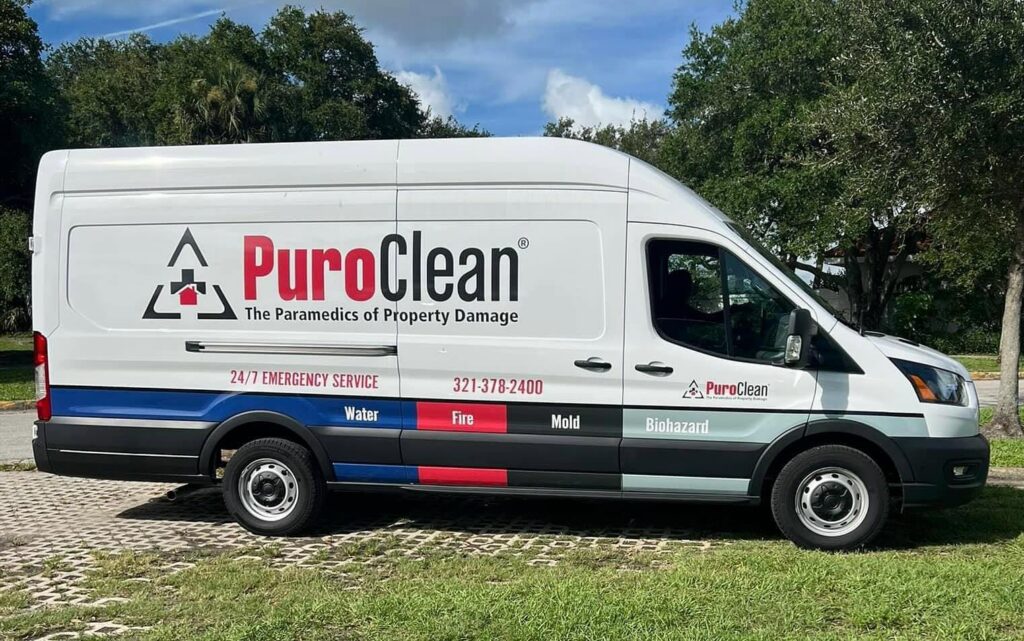
The 2026 Atlantic hurricane season will arrive on June 1 whether we’re prepared or not. Forecasters project near-normal activity levels, but normal seasons still produce multiple hurricanes and the potential for severe impacts to Brevard County. One significant storm can cause water damage affecting thousands of properties, overwhelming restoration resources and creating months of recovery work.
Melbourne homeowners who prepare now—before storms threaten—protect their properties, reduce water damage risks, respond effectively when damage occurs, and navigate restoration successfully with professional guidance. Those who wait until storms enter the Gulf scramble alongside everyone else, competing for limited contractor time, supplies, and emergency services.
Don’t let another hurricane season catch you unprepared. Review your property for vulnerabilities and address problems now. Verify that your insurance coverage—including flood insurance—protects you adequately. Assemble emergency supplies and create your property protection plan. Most importantly, program PuroClean of Melbourne’s 24/7 emergency number—(321) 378-2400—into your phone now so it’s immediately accessible when storms strike.
We’re here to support Brevard County residents through hurricane season and beyond. Visit our website at www.puroclean.com/melbourne-fl-puroclean-melbourne to learn more about our comprehensive storm damage restoration services, or email us at [email protected] with questions about protecting your property or preparing for the 2026 season.
Hurricane season is coming. The question isn’t whether storms will threaten our community—it’s whether you’ll be ready when they arrive. Prepare now, respond quickly if damage occurs, and trust experienced professionals to restore your property when severe weather tests our preparedness. Your actions today determine your experience when the next storm arrives at Melbourne’s doorstep.
Connect With Us on Social Media!