

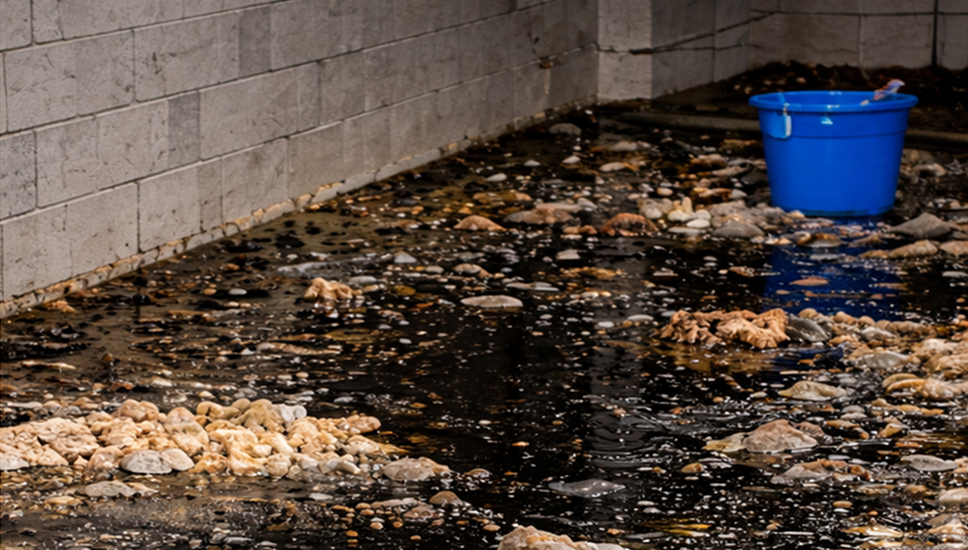
Of all the property disasters a homeowner can face, a sewage backup is easily the most distressing, chaotic, and dangerous. It is a messy, foul-smelling crisis that completely halts your daily life. Whether it is caused by heavy Florida rainstorms overwhelming the municipal sewer lines, a severe tree root intrusion in your main drain line, or a catastrophic blockage in your plumbing, a toilet or floor drain overflow requires immediate, professional intervention.
If you are currently dealing with an active spill, you must understand that this is not a standard DIY cleanup project. In the restoration industry, sewage is classified as Category 3 water, also known as black water. This means it is highly contaminated and poses an immediate threat to human health.
If you are searching for sewage backup cleanup Melbourne FL, you need to act with extreme caution. This guide covers the hidden health risks of black water, the precise steps required to establish a safe contamination zone, and why professional remediation is the only ethical and reliable way to restore your property.
Understanding Category 3 Water: Why Sewage Is a Biohazard Emergency
To appreciate the gravity of a sewage backup, you have to understand how water damage is categorized. Category 1 involves clean water from a broken supply pipe. Category 2 consists of gray water, which contains mild contaminants from washing machines or dishwashers. Category 3 is black water, the most dangerous classification possible.
Black water contains raw sewage, rising floodwaters from rivers or oceans, and any standing water that has supported microbial growth for more than a few days. Sewage overflows are a literal cocktail of biohazardous materials. When a sewer line backs up into your home, it brings millions of microscopic pathogens directly into your living spaces.
These pathogens include dangerous bacteria like E. coli and Salmonella, virulent viruses such as Hepatitis A and Norovirus, and microscopic parasites like Giardia. Because these organisms are invisible to the naked eye, a surface that looks clean after a quick mop can still be teeming with lethal biohazards. This is why a sewage spill must always be treated as a full-scale environmental and medical emergency.
The Immediate Health Risks of Sewage Exposure
Exposure to raw sewage can happen quickly through three main pathways: direct skin contact, accidental ingestion, and inhalation of airborne particulates.
Skin Contact: If you have an open cut, scratch, or scrape, coming into contact with black water can introduce bacteria directly into your bloodstream, leading to severe localized infections or even life-threatening conditions like sepsis.
Accidental Ingestion: This occurs more easily than most people think. If you touch a contaminated door handle, wall, or furniture item and then touch your mouth, eat food, or wipe your face, you risk introducing pathogens into your digestive tract. This can cause severe gastroenteritis, violent vomiting, dehydration, and long-term illness.
Inhalation: As sewage sits in an enclosed space, gases and microscopic water droplets become airborne. Inhaling these fumes can cause respiratory distress, aggregate asthma symptoms, and introduce toxic mold spores and bacteria deep into your lungs. Pregnant women, young children, the elderly, and individuals with compromised immune systems are at an exceptionally high risk when exposed to a sewage environment.
Defining the Contamination Zone: How Black Water Spreads
When sewage floods a room, it does not stay confined to the visible puddle. Black water spreads rapidly across subfloors and travels up structural framing through capillary action. Furthermore, anyone walking through the area will track the invisible biohazards throughout the rest of your clean home, expanding the contamination zone.
Porous materials inside your home act like massive sponges for sewage. This includes your carpets, carpet padding, area rugs, upholstered furniture, mattresses, and sheetrock. Once black water saturates a porous material, it embeds the bacteria, viruses, and organic matter deep inside the fibers and pores.
In a sewage backup cleanup Melbourne FL scenario, these porous items cannot simply be washed or steam-cleaned. The industry standard dictates that saturated porous materials must be completely cut out, removed, and safely disposed of as biohazardous waste. Attempting to save a sewage-soaked carpet is an ethical and health violation that leaves your family exposed to lingering pathogens for years to come.
Proper Personal Protective Equipment (PPE) Is Non-Negotiable
If you must enter a room affected by a sewage backup to retrieve irreplaceable valuables, you must wear full personal protective equipment (PPE). Professional biohazard remediation technicians never step into a contamination zone without full coverage, and neither should you.
Proper PPE for a sewage emergency includes:
1. A heavy-duty, fluid-resistant Tyvek suit that covers your entire body and limbs.
2. Full-face respiratory protection, such as an N95 or full-face respirator, to filter out airborne pathogens and toxic gases.
3. Heavy-duty, chemical-resistant nitrile gloves, ideally double-layered, to prevent skin contact.
4. Waterproof, industrial rubber boots that can be thoroughly sanitized or discarded after use.
If you do not have immediate access to this level of protection, you must seal off the room, keep your family and pets far away, and wait for a licensed remediation team to handle the entry.
Professional Cleaning and Disinfection Standards
True restoration after a sewer backup involves far more than removing the water and spraying air freshener. To make a home truly safe for human habitation, a strict multi-step remediation protocol must be followed:
Containment: The first priority is preventing cross-contamination. Technicians set up physical plastic barriers and utilize negative air pressure machines equipped with HEPA filters. This ensures that airborne contaminants and foul odors are continuously scrubbed from the air and vented outside, rather than leaking into the clean areas of your house.
Controlled Demolition and Material Disposal: All saturated porous materials, including drywall affected by the wicking process, insulation, baseboards, and carpets, are carefully cut out, bagged in biohazard containment bags, and removed from the property.
Deep Cleaning of Semi-Porous and Non-Porous Surfaces: Hard materials like concrete floors, tile, and solid wood framing are scrubbed meticulously using specialized, industrial-strength biocides and antimicrobial agents. These chemicals are designed to kill bacteria and viruses at the cellular level.
Scientific Disinfection Standards: After the surfaces are physically cleaned, the team uses advanced thermal fogging or ultra-low volume (ULV) misting equipment to apply broad-spectrum disinfectants. This process ensures that the sanitizing agents reach every microscopic crack, crevice, and air pocket, entirely neutralizing the biological threat.
Why Choose PuroClean of Melbourne for Your Sewage Emergency
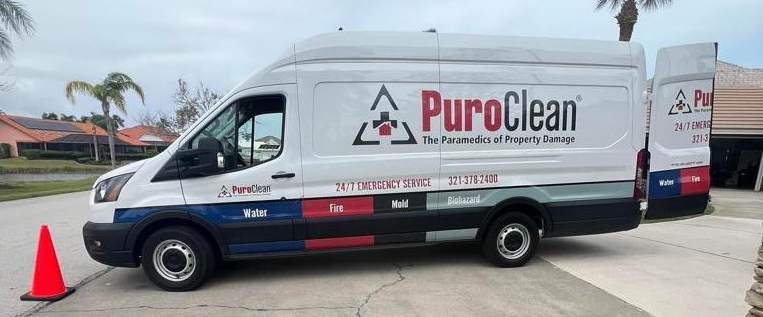
When raw sewage compromises your home, you cannot afford to wait, and you cannot afford to hire an uncertified crew. You need an elite team that combines water damage expertise with strict biohazard remediation training. PuroClean of Melbourne is your local premier choice.
Conveniently located in the Coastal Technology Center at 739 North Dr, Melbourne, FL 32934, we are uniquely positioned to provide immediate, rapid-response services to homeowners and business owners throughout Brevard County. Our franchise owner, Nick Schupbach, runs a highly organized operation dedicated to rescuing properties safely and ethically.
Our specialized field technicians, including Anita, Jesse, Irving, and Wally, are fully certified in biohazard cleanup and structural drying. We arrive at your property with specialized equipment, including truck-mounted extraction systems, heavy-duty air scrubbers, and clinical-grade disinfectants.
We understand that a sewage backup is a stressful, overwhelming ordeal. That is why we manage the entire process for you. We document the entire scene, establish strict containment zones, safely dispose of all hazardous waste, and work directly with your insurance company to handle the claim paperwork. Our ultimate goal is to return your home to a pre-loss, completely sanitized, and structurally sound condition.
Frequently Asked Questions About Sewage Backups
Will my standard homeowner’s insurance cover a sewage backup?
Most standard insurance policies do not automatically cover sewer backups unless you have explicitly added a specific water backup endorsement or rider to your policy. When you call PuroClean of Melbourne, we can review your policy details and help you communicate effectively with your insurance adjuster to maximize your coverage.
Can I use my home AC system to get rid of the sewage smell?
Absolutely not. You must turn off your HVAC system immediately. Running your air conditioner will suck the airborne bacteria, mold spores, and foul odors into your ductwork, contaminating your entire system and spreading the biohazard to every single room in your house.
How long before mold starts growing after a sewage backup?
In the warm, humid climate of Melbourne, Florida, mold can begin germinating within 24 to 48 hours of water exposure. Because sewage introduces massive amounts of organic nutrients, the mold growth can be even more aggressive than a standard clean-water leak.
Don’t Risk Your Health: Call the Pros Immediately
A sewage backup is a genuine biohazard crisis that directly threatens your health, your family, and the structural foundation of your home. Every hour you wait allows the toxic black water to sink deeper into your floors, travel higher up your walls, and release more dangerous pathogens into the air. Do not try to fight this mess alone with household tools, and do not put your safety on the line.
Trust the certified, compassionate, and rapid-response experts who know how to completely sanitize your property to the highest medical and structural standards.
Don’t wait, call PuroClean of Melbourne now at (321) 378-2400. We’re available 24/7 to handle your emergency.