


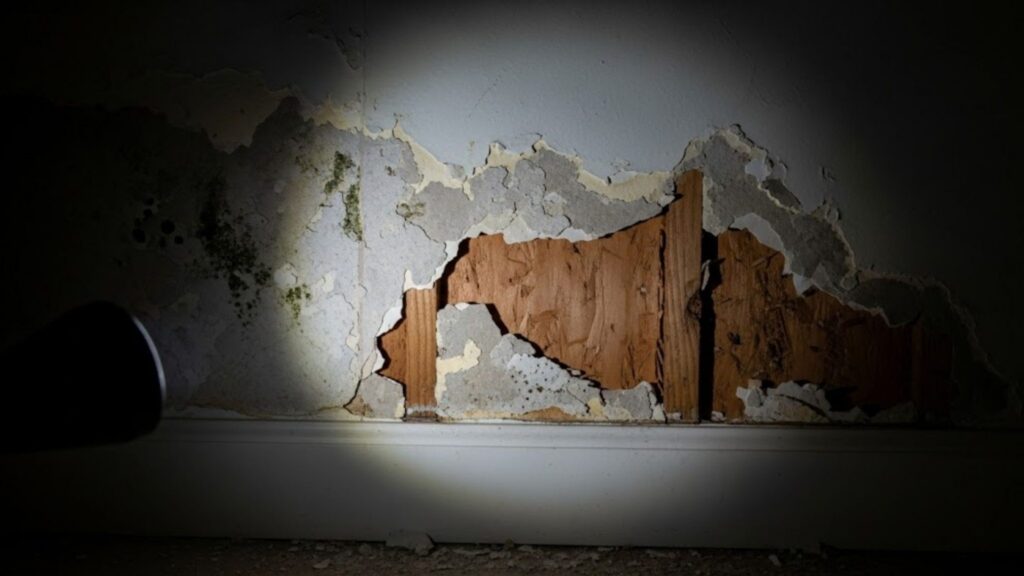
Most water damage does not announce itself with a flood. It does not start with a pipe bursting dramatically in the middle of the night or a roof caving in during a storm. For a significant number of Melbourne, FL homeowners, water damage begins quietly, invisibly, and builds for weeks or months before anything obvious appears.
A slow drip behind a wall. A hairline crack in a roof flashing. A refrigerator supply line that weeps just enough moisture to saturate the subfloor beneath it over time. By the time any of these situations becomes visible to the naked eye, the underlying damage is often already extensive, and the mold that has been feeding on that moisture is already well established.
This is the particular cruelty of hidden water damage: the damage you cannot see is frequently more expensive than the damage you can. And in Melbourne’s climate, where year-round humidity, intense rain events, and aging housing stock in established neighborhoods all create ideal conditions for concealed moisture intrusion, the risk of hidden water damage is higher than in most parts of the country.
At PuroClean of Melbourne, we respond to water damage and mold remediation calls throughout Melbourne, Palm Bay, Viera, Rockledge, Cocoa, Titusville, and all of Brevard County. A significant portion of the cases we handle involve damage that had been building, unseen, for weeks or months before the homeowner called us. This guide is our effort to help Melbourne homeowners recognize the signs of hidden water damage before it becomes a crisis.
Why Hidden Water Damage Is Especially Common in Melbourne, FL
Before we get into the specific signs to watch for, it helps to understand why Melbourne homes are particularly susceptible to concealed moisture intrusion compared to homes in drier climates.
Florida’s Humidity Creates Moisture Stress Year-Round
Melbourne’s average outdoor relative humidity stays between 70 and 80 percent for most of the year. This baseline humidity means that even small gaps in a home’s building envelope, the combination of roof, walls, windows, and foundation that separates the interior from the exterior, allow moisture-laden air to enter continuously. Over time, this moisture accumulates in wall cavities, attic spaces, and subfloor areas, creating chronic dampness that never fully dries and steadily feeds mold growth and material degradation.
Melbourne’s Older Housing Stock Has More Vulnerabilities
Many of Melbourne’s most desirable established neighborhoods feature homes built between the 1960s and 1990s. These homes were built to the standards of their era, which means they may have plumbing systems with original copper or galvanized steel pipes showing decades of corrosion, roof systems past their service life, aging window and door seals, and moisture barriers that have degraded over time. Older homes are not bad homes, but they do require more vigilance when it comes to moisture monitoring.
Florida’s Intense Rain Events Stress Building Envelopes
Brevard County receives an average of over 50 inches of rainfall per year, much of it delivered in intense, high-volume bursts during afternoon thunderstorms and tropical weather events. These rain events stress every component of a home’s exterior, driving water horizontally against window frames, forcing it under roof flashings, and overwhelming gutters and drainage systems. Small vulnerabilities that might never matter in a gentle rain can allow significant moisture intrusion during an intense storm.
Melbourne Homeowner Alert: Florida’s building research has shown that homes in humid subtropical climates like Melbourne’s are significantly more likely to have active moisture intrusion issues than homes in temperate or arid climates. Regular inspection is not optional maintenance here. It is essential property protection.
12 Signs of Hidden Water Damage Every Melbourne Homeowner Should Know
Here are the most important warning signs that hidden water damage may be present in your Melbourne home. Some of these are visual. Some are sensory. Some show up on your utility bills. All of them deserve prompt, professional investigation.
1. Musty or Earthy Odors That Will Not Go Away
A persistent musty smell is one of the most reliable early indicators of hidden water damage and mold growth in a Florida home. The odor is caused by microbial volatile organic compounds, or mVOCs, which are gases produced by active mold colonies as they digest organic material. If you notice a musty smell that is strongest in certain rooms, in closets that share walls with bathrooms or exterior walls, under sinks, or in rooms on the ground floor, treat it as a red flag that requires investigation.
Many Melbourne homeowners make the mistake of masking musty odors with air fresheners or candles rather than investigating the source. This is always the wrong approach. The odor is not the problem. It is a symptom of a problem that is actively getting worse while you are covering it up.
2. Discoloration or Staining on Walls and Ceilings
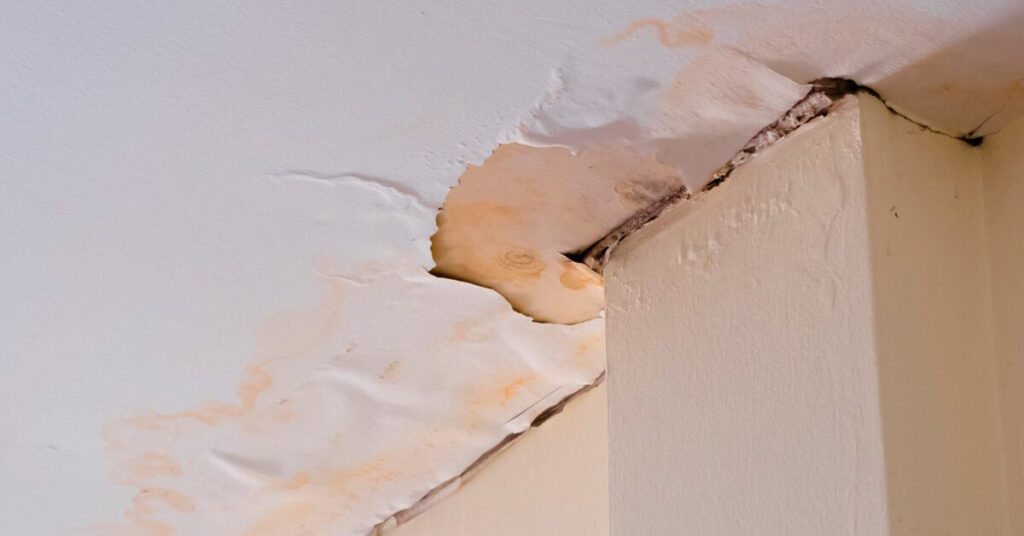
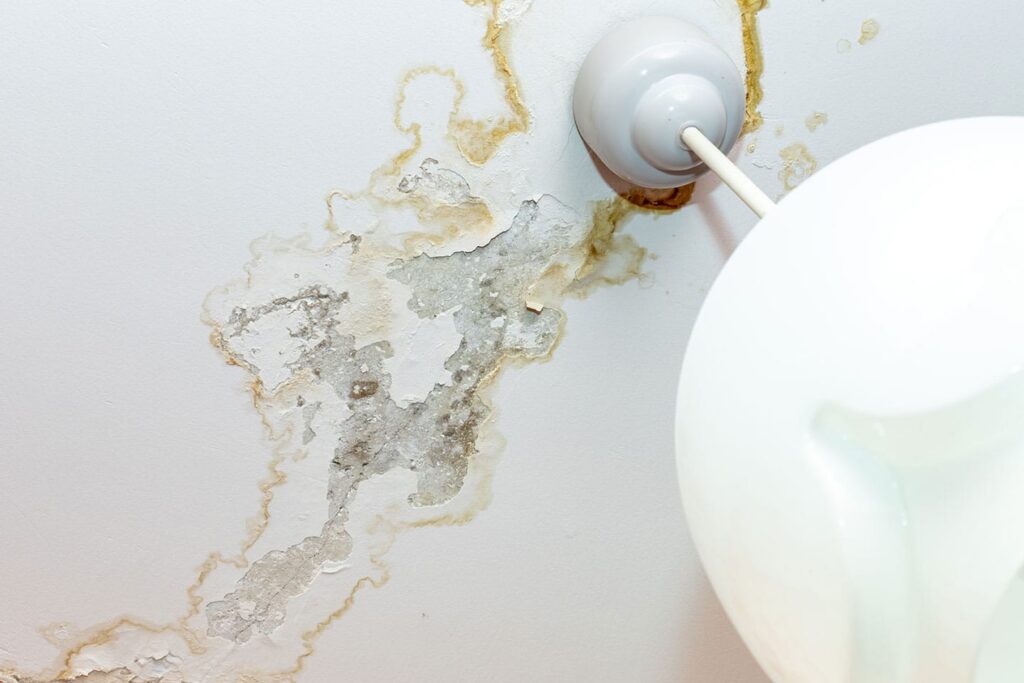
Yellow, brown, or rust-colored staining on walls or ceilings is one of the clearest visual indicators of water intrusion. In many Melbourne homes, these stains appear on ceilings below bathrooms, on walls adjacent to exterior-facing surfaces, or around window and door frames. The staining occurs when water carries dissolved minerals and organic material through building materials and deposits them on the surface as it dries.
A critical point: the stain you see on the surface is almost never directly above or adjacent to the actual moisture source. Water travels along structural members, wiring, and pipes before finding a surface to emerge through. The visible stain can be several feet or even rooms away from where the water is actually entering. Do not assume you have located the source just because you have found the stain.
3. Paint or Wallpaper That Is Bubbling, Peeling, or Blistering
Paint and wallpaper bond to dry surfaces. When moisture accumulates behind them, it breaks that bond and causes bubbling, blistering, peeling, or a rippled appearance. This is particularly common on bathroom walls, on walls adjacent to plumbing chases, and on exterior walls in Melbourne homes where humidity drives moisture through the wall assembly.
If you see paint or wallpaper bubbling in areas that are not near an obvious water source, this is a strong indicator of moisture behind the surface that has been present long enough to degrade the adhesion. This warrants professional moisture assessment, not just repainting.
4. Warping, Buckling, or Soft Spots in Flooring
Hardwood floors that are cupping, buckling, or showing separation between boards have almost certainly been exposed to elevated moisture from below or above. Laminate flooring that has developed swollen edges or bubbled surfaces has absorbed moisture that has compromised its structural integrity. Tile floors that have developed soft or hollow-sounding areas when tapped may have grout or adhesive failure due to moisture beneath them.
In Melbourne homes, soft spots in flooring, particularly in bathrooms, kitchens, laundry rooms, and any room on a concrete slab foundation, often indicate that moisture has been wicking up from below or leaking from plumbing above for an extended period. A soft spot in a bathroom floor near the toilet base or tub surround is a particularly common finding and should be investigated promptly, as it often indicates a failed wax ring seal or deteriorated caulking that has allowed water to saturate the subfloor over time.
5. Unexplained Increases in Your Water Bill
If your monthly water bill has increased without a corresponding change in your household’s water usage habits, a hidden leak is the most likely explanation. Even a slow, continuous drip from a supply line, toilet flapper, or concealed pipe joint can waste thousands of gallons of water per month and drive significant bill increases over time.
Melbourne homeowners who notice unexplained water bill increases should first check obvious sources: running toilets, dripping faucets, and irrigation systems. If those check out, the next step is a professional inspection of supply lines, water heater connections, and concealed plumbing, particularly in homes with aging copper or galvanized piping.
6. Mold Growth on Visible Surfaces
Visible mold is not just a surface issue. It is a symptom of an underlying moisture problem. When mold appears on a painted wall, inside a cabinet, or on a ceiling, it means that moisture has been present in sufficient quantity and for sufficient duration to sustain an active colony. The visible mold you can see is almost always connected to a much larger colony growing on the concealed side of the same surface.
In Melbourne’s climate, mold growth on visible surfaces should never be treated as a simple cleaning problem. Wiping away visible mold without addressing the moisture source guarantees it will return. Professional moisture assessment followed by proper remediation is the only effective solution.
7. Cracks in Walls, Floors, or Foundation
While not all cracks indicate water damage, cracks that appear suddenly, grow over time, or are accompanied by other moisture signs can indicate that water infiltration is compromising structural materials. Foundation cracks in Melbourne homes are a particular concern, as they can allow groundwater to enter slabs and crawl spaces, creating chronic moisture conditions that are invisible until significant damage has occurred.
Horizontal cracks in foundation walls are especially concerning as they can indicate pressure from saturated soil against the foundation. Any crack that is actively growing, shows water staining, or is accompanied by a musty odor should be evaluated by both a structural professional and a moisture remediation specialist.
8. Rust or Corrosion Around Pipes and Fixtures
Visible rust or corrosion on supply line connections, valve stems, drain hardware, or the exterior of pipes is a reliable indicator that moisture has been present in the area for an extended period. In Melbourne homes with older plumbing systems, surface corrosion on visible piping is often the only visible sign of a slow leak that has been saturating the wall cavity or cabinet floor behind the fixture.
9. Warped or Damaged Baseboards and Door Frames
Baseboards and door frames in contact with flooring are among the first surfaces to show signs of hidden moisture intrusion from the floor level. Baseboards that are pulling away from the wall, swelling outward, or showing discoloration along their lower edge have likely been in contact with moisture from a wet subfloor or slab. Door frames that are no longer square, causing doors to stick or not latch properly, can indicate that the framing members around them have absorbed moisture and swollen or shifted.
In Melbourne homes built on concrete slab foundations, moisture wicking up through the slab is a common hidden water damage pathway that often first shows up as damaged baseboards and door frames before any other visible sign appears.
10. Sounds of Running or Dripping Water When No Fixtures Are in Use
If you can hear water running, dripping, or trickling within your walls, floors, or ceiling when no faucets or fixtures are in use, you have an active hidden leak. This is one of the most direct indicators of concealed water damage and one that warrants immediate professional investigation. Do not wait to see whether the sound stops on its own. It will not.
11. Sagging or Deformed Ceilings
A ceiling that is sagging, bowing, or showing any deformation has almost certainly been subjected to prolonged water accumulation above it. In Melbourne homes with second-floor bathrooms, this is a common finding when toilet seals, shower pan liners, or tub surrounds have failed. Water accumulating above a ceiling can add enormous weight and create a risk of sudden collapse if the situation is severe enough. A sagging ceiling should be treated as an urgent situation requiring immediate professional assessment.
12. Deteriorating Grout and Caulking in Wet Areas
Failed grout in tile surrounds and deteriorated caulking around tubs, showers, and sinks are among the most common entry points for hidden water damage in Melbourne homes. When grout cracks or caulking separates, water from daily use finds its way into the wall assembly behind the tile, where it saturates drywall, wood framing, and insulation without any outward sign for months or years.
Regular inspection of grout lines and caulking in all wet areas is one of the highest-value maintenance habits a Melbourne homeowner can develop. Recaulking a shower surround costs very little. Replacing a mold-damaged bathroom wall assembly after years of hidden water intrusion through failed caulking can cost thousands.
Where to Look for Hidden Water Damage in a Melbourne Home
Beyond the signs listed above, there are specific locations in Melbourne homes that are disproportionately likely to harbor hidden water damage. Make these areas part of your regular home inspection routine.
- Under all sinks in kitchens and bathrooms, including inside the cabinet where supply lines and drain connections can drip undetected for extended periods
- Around and beneath refrigerators with ice makers and water dispensers, where supply line connections frequently develop slow weeps
- In the attic, particularly near roof penetrations, ridge lines, valleys, and any area where roof flashings are present
- Around water heaters and in the area of the pressure relief valve discharge
- Beneath washing machines and behind dryers vented to exterior walls
- Around the base of all toilets, where wax ring seal failure is one of the most common and most destructive hidden leak sources in residential plumbing
- Along exterior walls in rooms that face the prevailing storm direction, particularly in older Melbourne homes with aging stucco or wood siding
- In any crawl space or under-slab area if accessible
- Around windows and sliding glass doors, particularly in older Melbourne homes where weatherstripping and frame seals have degraded
- In the garage, particularly along walls shared with bathrooms or laundry rooms
What to Do If You Suspect Hidden Water Damage
If you have identified one or more of the warning signs described in this guide, here is the right course of action.
Do Not Ignore It or Wait to See If It Gets Worse
Hidden water damage does not resolve on its own. The moisture source does not seal itself, and the mold that is likely already developing does not stop growing because you decided to wait and see. Every day of delay allows the damage to deepen, the affected area to expand, and the remediation cost to increase. The discomfort of discovering a problem is always less expensive than the consequence of ignoring it.
Do Not Open Walls or Floors to Investigate Yourself
The impulse to cut open a wall or pull up flooring to look for the source of a moisture sign is understandable, but doing so without professional moisture detection equipment means you will almost certainly miss the actual extent of the damage and may spread mold contamination to previously unaffected areas. Professional inspection using thermal imaging cameras and calibrated moisture meters gives a far more accurate picture of the damage scope without unnecessary demolition.
Call PuroClean of Melbourne for a Professional Moisture Assessment
Our team uses thermal imaging cameras, calibrated moisture meters, and decades of combined field experience in Brevard County homes to locate hidden moisture intrusion accurately and quickly. We can tell you exactly where the moisture is, how far it has spread, whether mold is present, and what it will take to resolve the situation completely. This assessment gives you the information you need to make decisions about your home with full knowledge of what you are dealing with.
Act on What You Learn Without Delay
Once you know the scope of the hidden water damage in your Melbourne home, act on it. Professional water damage mitigation and mold remediation addressed promptly costs a fraction of what the same problems cost when they are allowed to develop for months or years. The homeowners who come to us with the most manageable and most affordable water damage situations are the ones who called us as soon as they noticed something was off.
How PuroClean of Melbourne Finds and Fixes Hidden Water Damage
When you call PuroClean of Melbourne about a suspected hidden water damage situation, here is what our process looks like.
Thermal Imaging Inspection: We use infrared thermal imaging cameras to identify temperature differentials within wall, floor, and ceiling assemblies that indicate the presence of moisture. This allows us to see inside your walls without opening them.
Moisture Meter Mapping: Calibrated moisture meters allow us to quantify moisture content in building materials throughout the affected area, giving us a precise map of where moisture levels exceed safe thresholds.
Source Identification: We trace moisture back to its entry point, which is often different from where the visible damage has appeared. Addressing the source is the foundation of any effective remediation.
Comprehensive Remediation Plan: Based on our assessment findings, we develop a detailed remediation plan that covers moisture removal, affected material removal, mold treatment if required, structural drying, and full restoration of all affected areas.
Insurance Coordination: We document all findings and all work thoroughly and work directly with your insurance adjuster to support your claim. Hidden water damage is often covered under homeowner’s insurance policies when it results from a sudden and accidental event.
Protecting Your Melbourne Home Year-Round
Hidden water damage is one of the most preventable and most underestimated threats facing Melbourne homeowners. The combination of Florida’s climate, Brevard County’s intense rainfall, and the age profile of Melbourne’s housing stock makes this a genuine and ongoing risk that deserves year-round attention.
The twelve signs in this guide are your early warning system. Make it a habit to walk through your home with these signs in mind every few months, paying particular attention after significant rain events, storm activity, or any period of unusually high indoor humidity. The few minutes it takes to check under the bathroom sinks, inspect the grout lines in your shower, and look for ceiling stains in the rooms below bathrooms could save you tens of thousands of dollars in restoration costs.
And when something does not look right, do not hesitate. Call PuroClean of Melbourne at (321) 378-2400. We will come to your Melbourne home, assess the situation with professional equipment, and give you an honest, accurate picture of what you are dealing with. No pressure, no guesswork, and no sugarcoating. Just the information you need to protect your home.
Suspect Hidden Water Damage in Your Melbourne Home?
Do not wait for a small problem to become a major one. PuroClean of Melbourne provides professional moisture assessments and water damage restoration throughout Brevard County, 24 hours a day, 7 days a week.
PuroClean of Melbourne
739 North Dr, Melbourne, FL 32934
Phone: (321) 378-2400
Email: [email protected]
Open 24 Hours | 7 Days a Week | Emergency Response Available
PuroClean of Melbourne proudly serves Melbourne, Palm Bay, Viera, Rockledge, Cocoa, Titusville, and all of Brevard County, Florida.
Connect With Us on Social Media!
Instagram | Facebook | Direction | Check Reviews | Yelp | Linkedin | Youtube | Twitter | BBB