


Discovering water damage in your Melbourne home triggers an immediate crisis that disrupts your daily life and raises countless questions. As you stand looking at soaked carpets, water-stained ceilings, or flooded rooms, uncertainty compounds your stress. What happens next? Who do you call? How long will this take? Will my insurance cover it? Can I stay in my home during repairs? The restoration process ahead seems mysterious and overwhelming when you’ve never experienced it before.
Water Damage in Melbourne, FL
At PuroClean of Melbourne, we understand that knowledge reduces anxiety during stressful situations. When you know what to expect during water damage restoration, the process becomes manageable rather than frightening. You can prepare yourself and your family, make informed decisions, and work effectively with restoration professionals. Over the years, we’ve guided hundreds of Brevard County homeowners through water damage restoration, and we’ve learned that transparent communication about the process makes the entire experience less stressful for everyone involved.

This comprehensive guide walks you through every phase of professional water damage restoration from the moment you make that first emergency call through the final walk-through when your property is fully restored. You’ll learn what happens during each phase, why certain steps are necessary, what your responsibilities are, and how long each stage typically takes. Whether you’re currently facing water damage or simply preparing yourself with knowledge for potential future emergencies, this guide demystifies the restoration process and sets realistic expectations for your restoration journey.
Phase 1: Emergency Contact and Initial Response (Hours 0-2)
The restoration process begins the moment you realize you need professional help and make that critical phone call. At PuroClean of Melbourne, we maintain 24/7 emergency response capability because water damage doesn’t respect business hours. When you call (321) 378-2400, here’s what happens:
Immediate phone assessment is the first step. Our trained professionals ask specific questions to understand your situation: What caused the water damage? How much water is present? Which areas are affected? Are there safety concerns like electrical hazards or structural damage? Is the water source currently stopped or still active? This information helps us determine response urgency and prepare appropriate equipment.
Safety guidance comes next if you’re in an unsafe situation. If you mention electrical hazards, standing water near outlets, structural concerns, or contaminated water, we provide immediate safety instructions. Your safety always takes precedence over property concerns, and we’ll advise you to evacuate if conditions warrant.
Response timeline confirmation gives you a concrete expectation. For true emergencies—active flooding, severe damage, or safety concerns—we typically arrive within 1-2 hours. For less urgent situations discovered outside business hours, we might schedule early morning response. Regardless, you’ll know exactly when to expect our team.
Initial instructions help you take appropriate action while waiting. We might advise you to shut off water sources if safe, move valuable items out of affected areas, document damage with photos, or simply stay out of affected areas until we arrive. These instructions are tailored to your specific situation.
READ ALSO: How to File an Insurance Claim for Water Damage in Florida
Insurance coordination discussion happens during this initial call if you’d like assistance. We can explain how to contact your insurance company, what information they’ll need, and how our documentation supports your claim. Many clients appreciate this guidance during the chaos of discovery.
This initial contact establishes the foundation for everything that follows. When you hang up the phone, you should feel that help is on the way, you understand what to do in the meantime, you know when to expect our arrival, and someone knowledgeable is now managing your emergency.
Phase 2: On-Site Assessment and Emergency Mitigation (Hours 2-4)
When our emergency response team arrives at your Melbourne property, comprehensive assessment begins immediately. This phase typically takes 1-2 hours depending on damage extent and property size, though emergency mitigation actions may begin even while assessment continues.
Visual inspection provides the big picture. Our certified technicians walk through all affected areas and adjacent spaces that might be impacted. We’re looking not just at obvious damage but at potential hidden problems—water that’s traveled through walls, moisture beneath flooring, or saturation in areas you haven’t noticed yet.
Advanced moisture detection reveals the full scope of damage. We use professional equipment that detects moisture you cannot see or feel:
Infrared thermal imaging cameras show temperature differences that indicate moisture behind walls, beneath floors, or in ceilings. Wet materials appear as distinct cold spots because water has different thermal properties than dry building materials.
Moisture meters measure actual water content in wood, drywall, concrete, and other materials. These readings provide objective data about damage extent and later track drying progress. We test extensively throughout affected areas and in adjacent spaces to map the full moisture footprint.
Hygrometers measure indoor humidity levels, which affect drying strategy and timeline. High humidity slows evaporation and requires aggressive dehumidification.
Water source identification determines what caused your damage and whether the source is stopped. Understanding the cause helps us assess contamination risks, identify potential insurance coverage issues, and prevent recurrence. If the source is still active—a continuing leak or broken pipe—we address it immediately or coordinate with appropriate tradespeople.
Category and class determination classifies your water damage using industry standards. This classification drives restoration strategy:
Category 1 (clean water) comes from supply lines, faucets, or rainwater and poses no immediate health risks. Category 2 (grey water) from appliances, toilet overflow, or washing machine discharge contains contaminants requiring sanitation. Category 3 (black water) from sewage, flooding, or standing water contaminated with bacteria demands extensive safety protocols.
Class 1 damage affects limited area with minimal absorption. Class 2 involves faster evaporation rate and affects entire rooms. Class 3 is fastest evaporation rate with water coming from overhead. Class 4 requires specialty drying for deeply saturated materials like hardwood or plaster.
Safety evaluation identifies hazards that must be addressed before work proceeds. We check electrical systems for safety, assess structural integrity, identify slip and fall risks, and determine whether protective equipment or containment is needed for contamination concerns.
Documentation begins immediately because thorough records support your insurance claim. We photograph all damage from multiple angles, record detailed moisture readings throughout affected areas, create written descriptions of damage extent, document the water source and cause, and note pre-existing conditions to distinguish them from current damage. This documentation is comprehensive and professional, often revealing damage even homeowners’ own photos missed.
Emergency mitigation starts even during assessment if urgent action is needed. We might begin extracting standing water immediately, place tarps over roof leaks or board up broken windows, remove saturated materials that are clearly unsalvageable, or set up temporary power if needed for our equipment.
By the end of this phase, you’ll have complete understanding of your damage scope, a clear restoration plan, detailed documentation for insurance, and emergency mitigation underway. The uncertainty you felt when we arrived has been replaced with a clear path forward.
Phase 3: Water Extraction (Hours 4-12)
Once assessment is complete and emergency mitigation has begun, water extraction becomes the priority. Removing standing water and extracting moisture from saturated materials significantly reduces drying time and prevents additional damage. This phase’s duration depends on water volume and damage extent—it might take just a few hours for minor flooding or require most of a day for extensive water intrusion.
Truck-mounted extraction units provide the most powerful water removal for severe flooding. These systems, mounted in our response vehicles, generate tremendous vacuum power that removes hundreds of gallons per hour. Hoses extend from our trucks into your property, extracting standing water rapidly and efficiently.
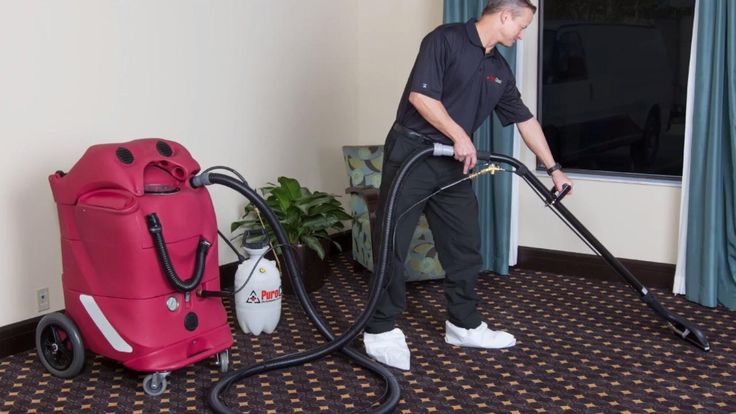
Portable extraction units work throughout your property for smaller water volumes or in areas where truck-mounted units can’t reach. These professional extractors are exponentially more powerful than consumer wet/dry vacuums, pulling water from carpets, pads, and other absorbent materials thoroughly.
Submersible pumps handle standing water in basements or other areas where conventional extraction is impractical. These pumps work continuously until standing water is eliminated, then extraction units finish removing residual moisture from materials.
Specialized extraction tools address specific situations. Weighted extractors for carpets press down while extracting, pulling water from deep in carpet fibers and padding. Hardwood floor drying systems extract moisture specifically from wood flooring without causing additional damage.
Material removal happens during extraction when items are clearly beyond salvage. Carpet padding saturated with contaminated water, drywall that has wicked water more than two feet high, insulation that’s completely saturated, or contents that are destroyed beyond restoration are removed and properly disposed of. Removing these materials serves two purposes: eliminating moisture-holding materials accelerates drying, and removing contaminated items protects health.
Throughout extraction, we’re moving strategically through your property, working from highest water concentration areas outward, extracting both visible and hidden water, disposing of extracted water properly, and preparing your property for the critical drying phase that follows.
READ ALSO: How to Avoid Water Damage During the Holidays in Melbourne, FL
At PuroClean of Melbourne, we don’t rush extraction. Every gallon of water we remove now is moisture that won’t need to evaporate during drying. Thorough extraction shortens overall restoration time and prevents the structural damage that occurs when materials remain saturated longer than necessary.
Phase 4: Drying and Dehumidification (Days 1-7+)
This is the longest and most critical phase of water damage restoration. Even after standing water is extracted and visibly wet materials are removed, significant moisture remains in structural materials, within wall cavities, and in the air. Professional drying takes days, not hours, and rushing this process virtually guarantees mold growth and long-term problems.
Air movers are high-velocity fans positioned strategically throughout affected areas. These aren’t ordinary household fans—they’re professional equipment that moves thousands of cubic feet of air per minute, creating continuous airflow across wet surfaces that accelerates evaporation. We typically deploy multiple air movers per room, positioning them based on moisture patterns revealed during assessment.
Air movers run continuously, 24 hours a day, throughout the drying period. Yes, they’re noisy. Yes, they consume electricity. But they’re absolutely essential for proper drying. The constant airflow prevents moisture from settling and keeps evaporation occurring continuously.
Dehumidifiers remove moisture from the air, which is crucial in Melbourne’s already-humid climate. As water evaporates from your building materials into the air, humidity rises. If that moisture-laden air isn’t continuously dehumidified, evaporation slows dramatically and eventually stops altogether—even with air movers running.
We use commercial-grade dehumidifiers that remove far more moisture than residential units. Depending on damage severity, we might deploy multiple large-capacity units that extract dozens of gallons daily from indoor air. Like air movers, dehumidifiers run continuously throughout the drying phase.
Specialty drying equipment addresses specific situations. Injectidry systems force dry air into wall cavities through small holes, drying hidden moisture without extensive demolition. Floor mat systems extract moisture specifically from hardwood or tile floors. Desiccant dehumidifiers provide extreme drying capacity for severe situations where refrigerant dehumidifiers are insufficient.
Daily monitoring tracks drying progress with objective measurements, not guesswork. Our technicians visit daily to take moisture readings in walls, floors, ceilings, and other materials throughout affected areas. We record these readings, compare them to previous days, and adjust equipment positioning or quantity based on drying patterns.
This monitoring continues until all materials reach acceptable moisture levels according to industry standards. We don’t rely on materials “feeling dry” or “looking normal.” We use scientific measurements that confirm materials have truly dried to safe levels where mold cannot grow and structural integrity is restored.
The drying timeline varies significantly based on multiple factors. Minor water damage affecting one room with prompt professional response might dry in 3-4 days. Moderate damage affecting multiple rooms typically requires 5-7 days. Extensive damage, saturated structural materials, or situations complicated by Melbourne’s high humidity can require 7-14 days or longer.
Property owners sometimes become frustrated with drying duration, wanting equipment removed sooner. We understand this desire—the noise, disruption, and electricity costs are inconvenient. However, removing equipment before materials have thoroughly dried virtually guarantees mold growth within days. The temporary inconvenience of proper drying prevents the major expense and disruption of mold remediation that follows premature equipment removal.
At PuroClean of Melbourne, located at 739 North Dr, we never compromise on drying duration. We keep equipment in place and monitoring continues until we’ve verified that your property is completely dry. This commitment to thoroughness protects your long-term property condition even when it means extending the restoration timeline.
Phase 5: Cleaning and Sanitizing (Days 4-7)
Once affected areas are thoroughly dried, cleaning and sanitizing ensures your property is safe and healthy. The extent of cleaning depends on water category—clean water requires less intensive sanitization than contaminated water—but all water damage restoration includes cleaning to prevent odors, remove residues, and ensure healthy indoor air quality.
Contents cleaning addresses personal belongings affected by water. Salvageable items are cleaned using appropriate methods for different materials: soft contents like clothing, bedding, and fabrics are laundered or dry cleaned; hard contents like furniture, electronics, and appliances are cleaned and sanitized; important documents or photos receive specialized restoration treatment; and items that cannot be salvaged are documented for insurance and properly disposed of.
Structural cleaning treats all affected building materials and surfaces. We clean walls, ceilings, and floors with appropriate products, treat framing and structural elements that were exposed during material removal, clean HVAC components if water or humidity affected your system, and address any areas where mold began developing before drying was complete.
Antimicrobial treatment applies EPA-registered products to surfaces at high risk for mold growth. This treatment provides additional protection, particularly in situations where materials remained wet longer or where Category 2 or 3 water introduced contaminants. Antimicrobial treatment isn’t always necessary for minor Category 1 water damage but becomes standard practice for more severe or contaminated situations.
Deodorization eliminates musty odors that water damage creates. Even after thorough drying, odors can linger in materials or air. We use professional deodorization techniques including thermal fogging, ozone treatment when appropriate, air scrubbing with activated carbon filters, or specialized deodorizing products applied to materials.
HEPA filtration cleans indoor air of particulates, including any mold spores that may have been present. Air scrubbers equipped with HEPA filters run during restoration, continuously filtering air and improving indoor air quality.
Final moisture verification happens during cleaning to confirm materials have maintained proper dryness levels. We take final moisture readings to document successful drying before moving to restoration phases.
Phase 6: Restoration and Reconstruction (Days 7-21+)
The final phase returns your property to its pre-damage condition through repairs and reconstruction. This phase’s scope varies dramatically based on damage severity and materials that required removal during extraction and drying.
Minor restoration involves relatively simple repairs like replacing baseboards, installing new carpet, repainting affected walls, replacing damaged ceiling tiles, or fixing minor drywall damage. These projects typically take a few days to a week for most residential properties.
Major restoration requires more extensive reconstruction when water damage was severe: replacing drywall throughout multiple rooms, installing new subflooring or finished flooring, rebuilding damaged cabinetry, reconstructing bathrooms or kitchens, addressing structural repairs to framing, or coordinating specialty trades like plumbers or electricians.
At PuroClean of Melbourne, we handle restoration from start to finish. Many restoration companies only handle water extraction and drying, then refer you to contractors for reconstruction. This creates coordination headaches and extends your total timeline. We provide comprehensive service—one company, one point of contact, complete restoration from emergency response through final repairs.
Insurance coordination continues during restoration. We work directly with insurance companies and adjusters, providing detailed estimates for all restoration work, documenting all repairs with photos and receipts, and ensuring work meets insurance requirements and industry standards. This coordination simplifies the claims process significantly.
Quality control ensures all work meets professional standards. We inspect our own work throughout restoration, verify that materials and workmanship meet building codes, ensure color matching and aesthetic consistency, and test systems like plumbing or electrical that were affected.
Final walk-through happens when all work is complete. We walk through your property with you, explaining all work that was performed, answering any remaining questions, providing maintenance recommendations, and ensuring your complete satisfaction before we consider the project finished.
What You Can Expect During the Process
Beyond understanding individual phases, knowing what to expect in terms of daily life during restoration helps you prepare and adapt:
Noise and activity are unavoidable realities. Air movers and dehumidifiers generate significant noise during the drying phase. Technicians visit daily for monitoring, making your home a worksite rather than a private retreat. Reconstruction creates additional noise from power tools and activity. We minimize disruption where possible, but restoration inherently involves disturbance to your normal routine.
Access to affected areas will be restricted during portions of restoration. Equipment placement, safety concerns during reconstruction, and protecting work in progress mean you’ll need to avoid certain spaces. We clearly communicate which areas are off-limits and when access is restored.
Electrical usage increases substantially during drying. Commercial air movers and dehumidifiers consume significant electricity. While we use efficient equipment, you’ll notice increased electrical usage during the drying phase. Many insurance policies cover these additional utility costs as part of the claim.
Your belongings might be moved, removed from your property for cleaning and storage, or relocated within your home to access affected areas. We handle your possessions carefully and document everything moved or removed. Contents are returned once areas are restored.
Daily communication keeps you informed throughout the process. At PuroClean of Melbourne, we provide daily updates during active restoration, explain monitoring results and equipment adjustments, communicate timeline changes if they occur, and respond promptly to your questions or concerns.
Temporary housing might be necessary for major damage that makes your home uninhabitable. If this applies to your situation, we discuss it during initial assessment. Many insurance policies include “loss of use” coverage that pays for temporary housing during restoration.
Your Responsibilities During Restoration
While restoration professionals handle the technical work, property owners have responsibilities that ensure smooth project completion:
Provide clear communication about your schedule, access requirements, and any concerns that arise. The more information we have, the better we can coordinate around your needs.
Maintain insurance communication by responding promptly to insurance company requests, providing documentation they need, and keeping your insurance company informed of restoration progress. We’ll assist, but ultimately the insurance relationship is yours.
Make decisions when needed about material selections, color choices, or restoration approaches. We provide recommendations and guidance, but certain decisions require your input.
Keep pets secure during our visits to prevent escapes and ensure technician safety. If pets are anxious around strangers or equipment, arrangements might be needed for their comfort and our team’s ability to work safely.
Stay patient with the process timeline. We understand the desire for immediate completion, but proper restoration takes time. Rushing any phase—particularly drying—creates risks that manifest as expensive problems later.
Typical Timeline Summary
While every situation differs, here’s a general timeline for water damage restoration:
Day 0: Emergency response and assessment (2-4 hours) includes initial contact, on-site evaluation, emergency mitigation, and extraction beginning.
Days 1-7: Drying phase continues with equipment running continuously, daily monitoring and adjustments, and ongoing documentation.
Days 4-7: Cleaning and sanitizing occurs once drying is verified, treating contents and structures, applying antimicrobial products, and deodorizing.
Days 7-21+: Restoration and reconstruction ranges from minor repairs taking a few days to major reconstruction requiring weeks, depending on damage severity.
Total timeline from water damage discovery to project completion typically spans 1-3 weeks for most residential water damage, though major damage can extend longer.
Cost Expectations and Insurance
Understanding cost helps you make informed decisions, though specific numbers vary based on damage extent, materials affected, and restoration complexity.
Emergency response and mitigation typically costs $2,000-$5,000 for most residential situations, covering assessment, extraction, and initial setup.
Drying and monitoring adds $1,500-$4,000 depending on equipment quantity and duration needed.
Cleaning and sanitizing ranges from $500-$2,000 based on contamination extent.
Restoration and reconstruction varies most widely, from $1,000-$3,000 for minor repairs to $20,000+ for extensive reconstruction.
Most homeowners insurance policies cover water damage restoration when damage results from sudden and accidental causes like burst pipes, appliance failures, or storm damage. Gradual damage from neglected maintenance typically isn’t covered, and flood damage requires separate flood insurance.
At PuroClean of Melbourne, we work directly with insurance companies, providing detailed documentation and estimates that support your claim, working within insurance-approved pricing where applicable, and billing insurance directly in many cases to simplify your financial burden.
Conclusion: Knowledge Reduces Stress
Water damage restoration involves multiple phases, professional equipment and expertise, significant time commitment, and coordination between various parties. Understanding this process from initial emergency call through final restoration helps you approach the experience with realistic expectations rather than anxiety about the unknown.
The team at PuroClean of Melbourne brings experience, professionalism, and commitment to every restoration project throughout Brevard County. We guide you through each phase, communicate clearly about what’s happening and why, coordinate all aspects of restoration from start to finish, and ensure your property is truly restored to pre-damage condition.
If water damage has affected your Melbourne property, contact PuroClean of Melbourne immediately at (321) 378-2400. We’re available 24/7 for emergency response and ready to guide you through the restoration process with expertise and compassion. Visit our website at www.puroclean.com/melbourne-fl-puroclean-melbourne to learn more about our comprehensive restoration services, or email us at [email protected] with questions about the restoration process.
Water damage is stressful, but the restoration process doesn’t have to be mysterious or frightening. With the right professionals guiding you and clear understanding of what to expect, you’ll navigate restoration successfully and return your property to its pre-damage condition.
Connect With Us on Social Media!