


As a homeowner or business owner in beautiful Melbourne, Florida, you’re no stranger to water. From the refreshing Atlantic Ocean breezes to the occasional summer downpour, water is an integral part of our lives here on the Space Coast. But not all water is created equal, especially when it unexpectedly enters your home or business. While we often hear about “clean water” floods from burst pipes or “black water” from sewage backups, there’s another, more insidious category of water damage that often goes underestimated: grey water, also known as sullage.
RED ALSO: Dishwasher Fire Safety Guidelines for Melbourne Homes in 2025
At PuroClean of Melbourne, we’re dedicated to being your local experts in property restoration. We believe that understanding the nuances of water damage is the first step in protecting your property and your health. This comprehensive guide will demystify grey water, explain why it’s a significant concern for Melbourne residents, and outline how our certified professionals are equipped to handle it swiftly and safely.
Demystifying Grey Water: What Exactly Is It?
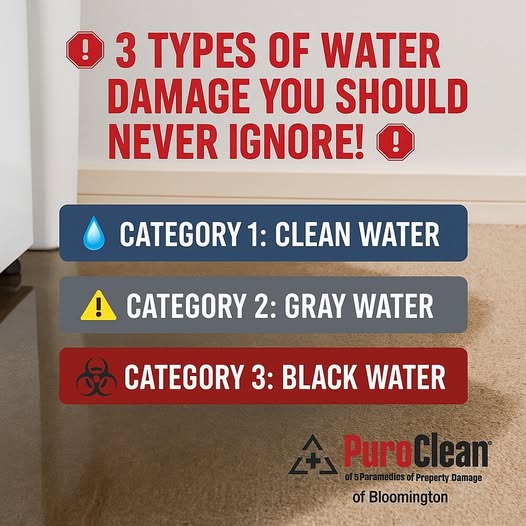
To truly grasp the implications of grey water, it’s essential to understand its definition and differentiate it from other water categories. The Institute of Inspection, Cleaning and Restoration Certification (IICRC), the gold standard for our industry, classifies water damage into three categories based on the level of contamination:
- Category 1: Clean Water. This is water from a sanitary source and poses no immediate threat to humans. Examples include a burst water supply line, an overflowing bathtub or sink (without contaminants like soap or human waste), or melting ice. While initially clean, if left untreated, Category 1 water can quickly degrade into Category 2 or 3 as it interacts with building materials and environmental contaminants.
- Category 2: Grey Water (Sullage). This is the focus of our discussion. Grey water contains a significant level of chemical, biological, or physical contaminants. While it doesn’t originate from a sewage source (like human waste from toilets), it can cause discomfort or illness if ingested or if contact is prolonged. It often appears cloudy and may have an unpleasant odor.
- Category 3: Black Water. This is grossly contaminated water that contains pathogenic agents and is highly unsanitary. It can cause severe illness or even death upon ingestion or exposure. Sources include sewage backups, flooding from rivers or streams, or stagnant Category 2 water that has had time to breed harmful microorganisms.
Sources of Grey Water in Your Melbourne Home or Business
So, where does grey water come from? In a typical household or commercial setting, grey water originates from areas that produce wastewater without direct fecal contamination. Common sources include:
- Washing Machine Overflows: The water used to wash clothes, especially if it contains detergents, fabric softeners, and residues from soiled garments, is a prime example of grey water.
- Dishwasher Leaks/Overflows: Water from a dishwasher carries food particles, grease, and harsh detergents, making it a significant grey water source.
- Shower and Bathtub Discharges: While seemingly benign, water from showers and bathtubs contains soap scum, body oils, dead skin cells, and potentially hair, all of which contribute to its grey water classification.
- Bathroom Sink Drains: Similar to showers, water from bathroom sinks can contain soap, toothpaste, and other personal care product residues.
- Sump Pump Failures (if handling internal grey water drainage): If a sump pump in a basement or crawl space fails and is designed to pump water from non-toilet fixtures, the resulting overflow can be grey water.
It’s crucial to understand that while grey water isn’t raw sewage, it’s far from harmless. The organic matter, chemicals, and potential pathogens within it can create serious problems if not addressed promptly and properly.
Why Melbourne, Florida Homeowners Need to Know About Sullage
Melbourne, Florida, with its unique climate and coastal proximity, has specific reasons why homeowners and businesses need to be particularly vigilant about grey water.
- High Humidity: Our subtropical climate means naturally high humidity levels. When a grey water incident occurs, this existing humidity slows down natural drying, creating a perfect breeding ground for mold and bacteria to flourish rapidly within contaminated materials.
- Storm Season: While major floods often bring black water concerns, even lesser storm events can lead to plumbing overflows or drain backups where stormwater mixes with internal grey water sources, escalating the contamination level and spread.
- Interconnected Plumbing Systems: Modern homes have complex plumbing. A backup or leak in one area, like a laundry room, can quickly impact adjacent living spaces, spreading grey water contamination throughout your home.
- Property Values and Investment: Melbourne’s real estate market is dynamic. Protecting your property from all forms of water damage, including grey water, is crucial for maintaining its value and ensuring a safe, healthy living or working environment. Unaddressed water damage, especially from contaminated sources, can lead to costly structural damage and significant health liabilities.
Ignoring grey water might seem like a minor oversight, but in our humid environment, it can quickly become a major disaster.
The Hidden Dangers: Health Risks and Contamination from Grey Water

Many people mistakenly believe that since grey water isn’t “sewage,” it’s not a major health threat. This is a dangerous misconception. While it may contain fewer pathogens than black water, grey water is still teeming with contaminants that can pose significant health risks if not handled correctly.
- Bacteria and Viruses: Water from showers, sinks, and laundry can contain bacteria and viruses from skin, saliva, and other bodily discharges. Even tiny amounts of fecal matter can be introduced via bathing or washing clothes, introducing coliform bacteria and other harmful microorganisms. If grey water is ingested or comes into contact with open wounds, it can lead to gastrointestinal illnesses, skin infections, or respiratory problems.
- Mold Growth: This is perhaps the most common and persistent threat in Melbourne’s climate. Grey water provides the ideal warm, moist, and nutrient-rich environment for mold spores to germinate and multiply within 24-48 hours. Mold can cause respiratory issues, allergic reactions, skin irritation, and exacerbate asthma symptoms. Its presence also causes structural damage, discoloration, and unpleasant odors.
- Chemical Contaminants: Soaps, detergents, cleaning agents, and personal care products found in grey water contain various chemicals, including phosphates, nitrates, and harsh cleaners. These chemicals can be irritants if they come into contact with skin or are inhaled as aerosols. They can also degrade building materials over time.
- Fats, Oils, and Grease (FOG): While kitchen grey water (from sinks/dishwashers) is often considered higher risk, even bathroom grey water can contain FOG from personal care products. These can cause clogs, foul odors, and provide a food source for bacteria.
- Odor: As organic matter in grey water decomposes, it releases unpleasant odors. These can permeate porous materials like drywall, carpet, and insulation, creating a lingering stench that’s difficult to remove without professional intervention.
- Rapid Deterioration: The longer grey water sits, the more contaminated it becomes. Within a short period (often 48-72 hours), Category 2 grey water can degrade into Category 3 black water as bacteria proliferate and the biological load increases significantly. This escalation dramatically increases the health risks and the complexity and cost of restoration.
Given these risks, treating grey water spills with the utmost seriousness is paramount. It’s not just about drying; it’s about decontamination.
Common Scenarios Leading to Grey Water Spills in Your Home
Grey water incidents often catch homeowners by surprise. Here are some of the most frequent culprits we encounter at PuroClean of Melbourne:
- Washing Machine Malfunctions:
- Hose Bursts/Leaks: The supply or drain hoses connected to your washing machine can degrade over time and burst, releasing hundreds of gallons of water.
- Overflows: A clogged drain or a faulty water level sensor can cause the machine to overfill and spill water onto your laundry room floor, and quickly seep into adjacent areas.
- Drain Backups: If your washing machine drain pipe is partially or fully blocked, water can back up and overflow, bringing with it all the laundry detergents and residues.
- Dishwasher Leaks:
- Door Gasket Failures: The rubber seal around the dishwasher door can wear out, allowing water to leak out during cycles.
- Hose Connections: Loose or deteriorated water supply or drain hoses are common sources of leaks beneath the unit.
- Pump or Motor Issues: Internal component failures can lead to water pooling beneath the dishwasher, often unnoticed until significant damage has occurred.
- Sink Overflows (Bathroom and Utility Sinks):
- Clogged Drains: Hair, soap scum, and other debris can accumulate in bathroom sinks, leading to backups and overflows if the faucet is left running.
- Overflow Channels: While sinks have overflow holes, they can become clogged or unable to handle a large volume of water if the main drain is severely blocked.
- Bathtub/Shower Pan Leaks:
- Cracked Grout or Tiles: Over time, the grout and caulk in showers can crack, allowing water to seep behind walls and under floors.
- Faulty Shower Pan: A damaged or improperly installed shower pan can lead to slow, hidden leaks that create significant grey water damage over time.
- Clogged Drains: Just like sinks, a clogged shower or tub drain can cause overflows if left unattended.
- Water Heater Leaks (Indirect Grey Water Source): While the water directly from a water heater leak is clean, if it interacts with a floor drain that handles washing machine or sink grey water, or if it causes other appliances to overflow due to increased water pressure or related issues, it can quickly become contaminated.
These scenarios highlight that grey water incidents are not rare occurrences. They can happen to anyone, and when they do, a swift and professional response is absolutely critical.
Don’t DIY It! Why Professional Restoration is Critical for Grey Water
READ ALSO: Comprehensive Guide to Residential Reconstruction Services in Melbourne, Florida in 2025
When faced with a grey water spill, the instinct might be to grab some towels and a mop. While initial containment is helpful, attempting a full DIY cleanup of grey water is a risky endeavor that can lead to more significant problems down the line. Here’s why professional restoration, especially from a certified team like PuroClean of Melbourne, is non-negotiable:
- Hidden Moisture: Water, especially grey water, can seep into unseen areas: behind walls, under floorboards, into insulation, and within structural cavities. Without specialized equipment like thermal imaging cameras and moisture meters, you simply won’t know the full extent of the saturation. Leftover moisture guarantees mold growth and continued structural degradation.
- Contamination Risks: You might clean the visible areas, but microscopic bacteria, viruses, and chemical residues will remain. Standard household cleaners are often insufficient for thorough sanitization. Professionals have industrial-grade antimicrobial agents and disinfectants designed to neutralize these contaminants safely and effectively.
- Health Hazards: Direct exposure to grey water can make you sick. Without proper Personal Protective Equipment (PPE) – including respirators, gloves, and protective suits – you risk inhaling airborne contaminants or absorbing them through your skin.
- Incomplete Drying: Air drying alone, especially in Florida’s humid climate, is rarely enough. Professional restorers use high-powered air movers and industrial-grade dehumidifiers that create optimal drying conditions, pulling moisture from deeply saturated materials and the ambient air. Incomplete drying will lead to mold.
- Structural Damage: Grey water can weaken structural components, warp wooden floors, damage drywall, and compromise electrical systems. Professionals can assess this damage and often mitigate it before it becomes irreversible.
- Odor Elimination: Lingering odors from grey water are a common complaint. Our experts use specialized deodorization techniques and equipment, such as ozone generators or hydroxyl generators, to neutralize odors at their source, not just mask them.
- Insurance Claims: A detailed, professional assessment and documentation of the damage, the restoration process, and the equipment used are invaluable for a smooth insurance claim. At PuroClean of Melbourne, we work directly with insurance companies, providing the necessary reports and evidence to support your claim.
For these critical reasons, attempting to manage a grey water event yourself is a false economy. It’s an investment in future problems, health risks, and potentially far more expensive repairs.
The PuroClean of Melbourne Difference: Our Expert Grey Water Restoration Process
When grey water strikes your Melbourne home or business, you need a rapid, effective, and empathetic response. At PuroClean of Melbourne, we pride ourselves on being “The Paramedics of Property Damage®.” Our IICRC-certified technicians follow a meticulous, science-backed process to ensure your property is not just dry, but truly clean, safe, and restored to its pre-loss condition.
Here’s a detailed look at our comprehensive grey water restoration process:
Step 1: Emergency Response & Initial Assessment
- 24/7 Availability: We understand that water damage doesn’t adhere to business hours. Our team is available around the clock, every day of the year, to respond to your emergency. Fast response is paramount with grey water to prevent escalation to black water and extensive mold growth.
- Safety First: Upon arrival, our first priority is to ensure the safety of everyone on site. This includes identifying and addressing electrical hazards, slipping risks, and potential contaminant exposure. We wear appropriate Personal Protective Equipment (PPE) throughout the process.
- Thorough Inspection: Our certified technicians conduct a comprehensive assessment to identify the source of the grey water, determine the extent of the contamination, and categorize the water damage. We use advanced tools like thermal imaging cameras and moisture meters to detect hidden moisture pockets in walls, ceilings, and flooring, ensuring no area is overlooked.
- Damage Scope Documentation: We meticulously document all affected areas and damaged materials with photos and detailed notes. This documentation is crucial for both our restoration plan and your insurance claim.
Step 2: Water Extraction
- Rapid Removal: Using powerful, truck-mounted extraction units and industrial-grade wet vacuums, we quickly remove standing grey water from your property. This immediate removal is critical to minimizing saturation and preventing contaminants from spreading deeper into materials.
- Specialized Equipment: We utilize specialized tools designed for different surfaces, including extractors for carpets and upholstery, and squeegees for hard surfaces. Efficient extraction reduces drying time and inhibits microbial growth.
Step 3: Decontamination and Antimicrobial Application
- Cleaning Contaminated Surfaces: Unlike clean water, grey water requires thorough cleaning and disinfection. All affected surfaces, including floors, walls, and contents, are meticulously cleaned to remove contaminants and residues.
- Antimicrobial Treatment: We apply EPA-registered antimicrobial agents to all areas impacted by grey water. These professional-grade solutions inhibit the growth of bacteria, viruses, fungi, and mold, addressing the root cause of potential health hazards and odors.
Step 4: Drying and Dehumidification
- Strategic Equipment Placement: Once visible water is removed and surfaces are decontaminated, we strategically place high-velocity air movers to promote rapid evaporation from affected materials.
- Industrial Dehumidifiers: Our powerful commercial-grade dehumidifiers work in tandem with air movers to remove moisture from the air, preventing secondary damage like warping, swelling, and further mold growth in Melbourne’s humid climate.
- Continuous Monitoring: Drying is a science. We continuously monitor moisture levels in the air and materials using hygrometers and moisture meters. This allows us to adjust equipment placement and run times, ensuring that your property is thoroughly and safely dried back to its pre-loss moisture content. This prevents future mold issues that can arise from even small pockets of residual moisture.
Step 5: Odor Removal and Air Purification
- Targeted Deodorization: Grey water often leaves behind unpleasant odors. We employ advanced deodorization techniques, including air scrubbers, ozone generators, or hydroxyl generators, to neutralize these odors at the molecular level, leaving your property smelling fresh and clean.
- Air Quality Control: Our air purification equipment removes airborne contaminants and microscopic particles, ensuring the air quality in your home or business is safe and healthy.
Step 6: Restoration and Repairs
- Minor Repairs: Once drying and sanitation are complete, we handle necessary minor repairs to restore your property. This might include replacing damaged drywall, baseboards, or flooring.
- Reconstruction Management: For more extensive damage, our team can coordinate or perform reconstruction services, bringing your property back to its original condition. We aim to be your single point of contact for the entire restoration journey, minimizing stress and streamlining the process.
- Final Inspection: Before we consider the job complete, a thorough final inspection is conducted to ensure all areas meet our rigorous standards for dryness, cleanliness, and safety. Your satisfaction is our ultimate goal.
Proactive Measures: Preventing Grey Water Issues
While some grey water incidents are unavoidable, many can be prevented or their impact significantly minimized with proactive measures:
- Regular Plumbing Maintenance: Periodically check hoses on washing machines, dishwashers, and water heaters for cracks, bulges, or leaks. Replace them every 3-5 years, or as recommended by the manufacturer.
- Clear Drains: Be mindful of what goes down your drains. Use drain strainers in sinks and showers to catch hair and food particles. Regular, safe drain cleaning (e.g., using enzyme-based cleaners or baking soda and vinegar, not harsh chemicals that can damage pipes) can prevent blockages.
- Appliance Vigilance: Pay attention to your appliances. Unusual noises, leaks, or performance issues from your washing machine, dishwasher, or water heater can be early warning signs of a problem.
- Proper Drainage: Ensure outdoor drainage systems (gutters, downspouts) are clear and direct water away from your foundation. While primarily for stormwater, good external drainage can prevent water from entering your home and interacting with internal grey water sources.
- Install Water Leak Detectors: Smart leak detectors can be placed near appliances and plumbing fixtures to alert you via your phone at the first sign of moisture, allowing for rapid intervention before significant damage occurs.
- Know Your Main Water Shut-Off: In an emergency, knowing how to quickly turn off your main water supply can prevent extensive damage. Show all adult members of your household where it is.
These preventative steps can save you significant time, money, and stress, but even the most diligent homeowners can face unexpected grey water incidents.
Don’t Let Sullage Spoil Your Melbourne Peace of Mind – Call PuroClean of Melbourne
Grey water, or sullage, is a common household occurrence that often carries hidden dangers. From the health risks posed by bacteria and chemicals to the persistent threat of mold in Melbourne’s humid climate, ignoring grey water is simply not an option.
When a washing machine overflows, a dishwasher leaks, or a shower pan fails, you need a team that understands the specific challenges and contamination levels associated with grey water. You need more than just drying; you need thorough cleaning, disinfection, and expert restoration.
At PuroClean of Melbourne, we are ready to respond to your grey water emergency 24 hours a day, 7 days a week. Our IICRC-certified technicians are equipped with advanced technology and follow industry best practices to ensure your property is safely and completely restored. We work efficiently to minimize disruption to your life and help you navigate the insurance claims process.
Don’t let grey water compromise the safety and value of your Melbourne home or business. If you’re facing a grey water challenge, or any other water damage scenario, don’t hesitate. Call the local experts you can trust.
Contact PuroClean of Melbourne today for a free assessment and experience the PuroClean difference – restoring your property, and your peace of mind.
PuroClean of Melbourne Your Local Experts in Water Damage Restoration
📌 Fire, water, and mold remediation company offering services such as cleaning, carpet restoration, and drying.
🚩 Coastal Technology Center
📍 739 North Dr, Melbourne, FL 32934
🕓 Open 24 hours
📞 (321) 378-2400
🌐 https://www.puroclean.com/melbourne-fl-puroclean-melbourne
📩 [email protected]
(Disclaimer: This blog post is intended for informational purposes only and does not constitute professional advice. In case of a water damage emergency, always contact certified professionals like PuroClean of Melbourne. Grey water can contain various contaminants and should be handled with caution.)