Central Florida is widely recognized as the lightning capital of the United States.
During the summer and early autumn months in Melbourne, severe afternoon thunderstorms routinely bring torrential downpours, high-velocity wind gusts, tropical squalls, and intense lightning strikes.
When a storm rolls through Brevard County, water is driven against your building envelope under immense atmospheric pressure. Wind gusts can dislodge roof shingles, push rainwater past window flashing, and back up municipal storm drains in a matter of minutes.
While severe structural destruction is obvious, the most insidious post-storm damage occurs quietly indoors. Water can seep into attic insulation, trickle behind drywall, migrate beneath luxury vinyl plank flooring, or collect inside ceiling cavities without making a single sound.
In Melbourne’s subtropical environment, unaddressed moisture inside a wall or ceiling cavity sets off a rapid chain reaction. Gypsum drywall softens and loses structural integrity within hours, and dormant mold spores can germinate into active colonies in as little as 24 to 48 hours.
Conducting an immediate, systematic indoor inspection right after the storm passes is your first line of defense. Catching moisture intrusion within the first 60 minutes prevents major structural decay, protects your indoor air quality, and ensures a seamless insurance claim process.
The 7-Point Post-Storm Indoor Inspection Checklist
Once severe weather moves offshore and it is safe to walk through your property, grab a high-lumen flashlight and follow this 7-point internal inspection checklist.
[ POST-STORM INDOOR INSPECTION PATHWAY ]
│
┌───────────────────┬────────────┴────────────┬───────────────────┐
▼ ▼ ▼ ▼
[ 1. Attics & Trusses ] [ 2. Ceilings & Walls ] [ 3. Windows & Doors ] [ 4. AC & Closets ]
│ │ │ │
└───────────────────┬─┴─────────────────────────┴─┬─────────────────┘
▼ ▼
[ 5. Flooring & Baseboards ] [ 6. Electrical Panel ]
│ │
└──────────────┬──────────────┘
▼
[ 7. Basements & Crawlspaces ]
1. Attic Space, Roof Sheathing, and Insulation
Your attic is the top level of defense for your building envelope. Even if your ceiling drywall looks completely dry, water may already be pooling above your insulation.
- Sheathing & Trusses: Shine your flashlight along the underside of the plywood roof sheathing and yellow pine roof trusses. Look for dark damp spots, water glistening on wood, or active drips around roof penetrations (plumbing stacks, ridge vents, exhaust fans, and valley seams).
- Insulation Check: Look for compressed or discolored insulation. Saturated fiberglass or cellulose insulation acts like a wet sponge resting on your ceiling drywall, retaining moisture long after the roof surface has dried.
2. Ceilings, Drywall Corners, and Light Fixtures
Water entering through roof flashing or soffits travels along ceiling joists until it finds an opening or low point.
- Ceiling Drywall & Lighting: Check for faint yellow, brown, or shadow-like rings on ceiling drywall. Inspect around recessed lighting cans, ceiling fan mounts, and smoke detectors, as water frequently follows electrical wiring down into fixtures.
- Wall Joints & Tape Seams: Look for sagging ceiling drywall, peeling seam tape, or diagonal cracking at upper wall corners where drywall sheets meet framing.
3. Windows, Sliding Glass Doors, and Window Sills
Wind-driven rain exerts strong force against glass assemblies and perimeter seals, particularly on barrier islands like Indialantic and Melbourne Beach.
- Sills & Track Cavities: Check internal window sills and sliding door tracks for standing water or bubbling paint beneath the window frame.
- Interior Drywall & Baseboards: Run your hand along the drywall directly below window sills. Damp drywall, bubbling paint, or discolored caulking indicates window flashing or head flange failure.
4. Central HVAC Closet, Air Handler, and Return Vents
Severe storms often bring sudden power fluctuations that disrupt HVAC operations or force heavy condensation buildup.
- Condensate Drain Pan: Inspect the air handler closet. Verify that the primary condensate pan is not overflowing and that the PVC drain line is clear.
- Ceiling Supply Registers: Check ceiling supply grilles for condensation sweating or water droplets dripping from supply boots, which indicates uninsulated ductwork in a hot attic.
5. Baseboards, Flooring Seams, and Exterior Wall Plates
Water that infiltrates through exterior stucco cracks or slab foundations settles along interior floor plates.
- MDF Baseboards: Inspect baseboards along exterior-facing walls. Medium-Density Fiberboard (MDF) absorbs water rapidly, causing it to swell, warp, and crack surrounding caulk.
- Flooring Seams: Look for hardwood cupping, buckling luxury vinyl plank (LVP) seams, or spongy, discolored carpet padding along room perimeters.
6. Electrical Panel, Breakers, and Wall Outlets
Safety is paramount during any post-storm evaluation. Water intruding through exterior service line penetrations can enter electrical panels.
- Panel Inspection: From a safe, dry distance, visually inspect your electrical breaker panel for water dripping down the cabinet or rust streaks around breakers. If you notice signs of water intrusion or hear buzzing, do not touch the panel—contact an emergency electrician or local utility immediately.
- Wall Switches: Look for discolored or damp outlet covers along exterior walls.
7. Crawlspaces and Subfloor Plumbing Penetrations
For historic homes in Eau Gallie, Melbourne Village, or coastal areas built on raised foundations:
- Ground & Joist Check: Access the crawlspace safely to inspect for standing water, saturated dirt floors, or dripping floor joists beneath kitchens and bathrooms.
Diagnostic Technology: How Professionals Locate Hidden Water
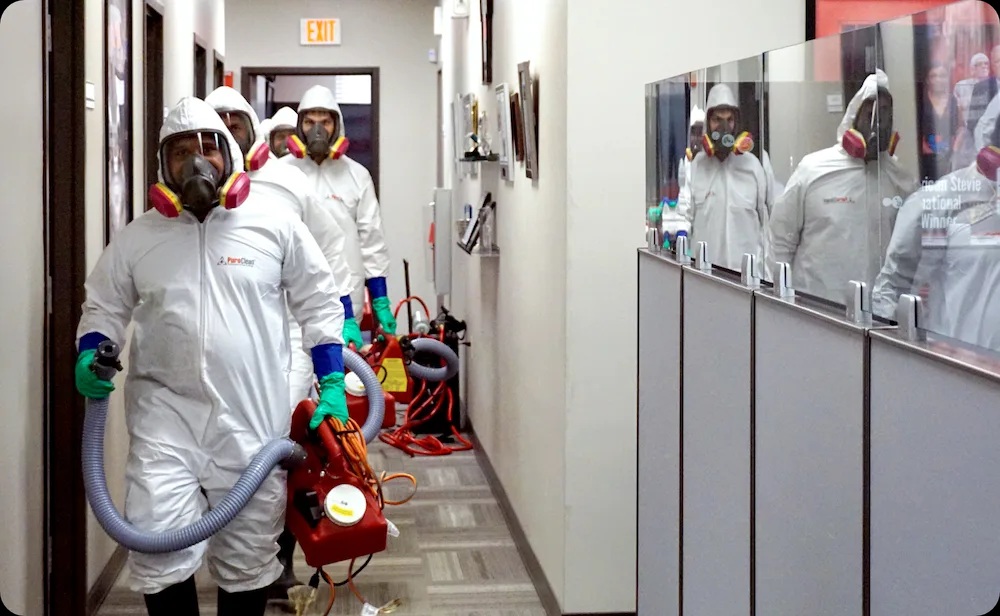
Visual inspections are essential, but water often hides inside sealed wall cavities, beneath tile mortar, or under subflooring where the human eye cannot detect it. Attempting to locate hidden moisture by opening drywall at random is destructive and inefficient.
Professional restoration providers utilize non-invasive diagnostic tools to pinpoint hidden moisture sources with high accuracy:
+———————————————————————————–+
| NON-INVASIVE MOISTURE DIAGNOSTIC TOOLKIT |
+———————————————————————————–+
| DIAGNOSTIC TOOL | PHYSICAL MECHANISM | FIELD APPLICATION |
+—————————-+——————————-+———————–+
| FLIR Thermal Cameras | Detects surface temperature | Maps hidden cold-water|
| | differentials via evaporation | paths inside drywall, |
| | cooling | ceilings, and floors. |
+—————————-+——————————-+———————–+
| Pinless Moisture Meters | Transmits radio frequency | Scans tile, LVP, and |
| | signals to measure density | drywall without |
| | | puncturing surfaces. |
+—————————-+——————————-+———————–+
| Deep Penetrating Pin Probes| Measures electrical | Verifies exact %MC |
| | resistance across wood fibers | deep inside structural|
| | | framing studs. |
+———————————————————————————–+
FLIR Infrared Thermal Imaging
FLIR thermal cameras measure subtle surface temperature differentials created by evaporative cooling. As trapped rainwater evaporates from drywall, ceiling plaster, or wood studs, it cools the surface. On a thermal camera display, wet areas show up as distinct cold blue or purple shapes, allowing technicians to map the exact path of hidden leaks.
Electronic Moisture Mapping
Once thermal anomalies are identified, technicians verify moisture levels using electronic moisture meters:
- Pinless Meters: Scan underneath tile, hardwood, LVP, and drywall without leaving holes or marks.
- Pin-Type Probes: Feature insulated pins that are driven directly into structural wood studs or joists to measure exact Percent Moisture Content (%MC). Wood framing with a moisture content above 16% to 19% indicates active risk for fungal amplification, while readings above 20% trigger wood-decay rot.
Demonstrations and Visual Techniques
The video below demonstrates how professionals use thermal imaging and moisture meters during an indoor inspection to locate hidden water leaks behind walls.
Detect leaks behind walls with thermal imaging! 🏠🔍 Learn how in our quick guide. #HomeMaintenance
YouTube · South Eastern General Contractors
What to Do If You Find Water Damage: The First 60 Minutes
If your indoor inspection reveals active water intrusion, ceiling stains, or standing water following a thunderstorm, taking swift action within the first hour limits total property loss and protects your insurance claim.
[ Step 1: Ensure Electrical & Structural Safety ]
│
▼
[ Step 2: Stop the Water Source & Move Valuables ]
│
▼
[ Step 3: Document Everything with Photos & Video ]
│
▼
[ Step 4: Call PuroClean of Melbourne (321) 378-2400 ]
│
▼
[ Step 5: Begin Professional Extraction & Structural Drying ]
Prioritize Safety: If water is pooling near electrical outlets, light fixtures, or breaker panels, turn off electricity to the affected rooms at the main breaker box if it is safe to do so.- Protect Personal Belongings: Move rugs, electronics, cardboard boxes, and light furniture away from wet flooring. Prop up heavy wood furniture legs using aluminum foil or plastic wrap to prevent wood stain bleeding onto carpet.
- Document Thoroughly: Capture clear photographs and video footage of standing water, ceiling stains, saturated baseboards, and damaged personal items before moving anything.
- Avoid Household Vacuums: Never use a standard household vacuum or basic shop vacuum on standing water; they create electrocution hazards and blow humid air back into the room.
- Call for Emergency Dispatch: Contact PuroClean of Melbourne immediately at (321) 378-2400. Our emergency units operate 24 hours a day, 7 days a week, deploying from our central facility at 739 North Dr in the Coastal Technology Center.
The Path to Restoration: The PuroClean Protocol
When post-storm water intrusion impacts your Melbourne property, swift remediation executed under strict industry standards is required.
Operating from our central facility at 739 North Dr in the Coastal Technology Center, PuroClean of Melbourne follows strict Institute of Inspection, Cleaning and Restoration Certification (IICRC) standards for water damage restoration (S500) and mold remediation (S520).
[ Step 1: Emergency Thermal Moisture Mapping ]
│
▼
[ Step 2: Source Elimination & Plumbing Coordination ]
│
▼
[ Step 3: High-Volume Water Extraction ]
│
▼
[ Step 4: Psychrometric Structural Drying (LGR Dehumidification) ]
│
▼
[ Step 5: EPA Antimicrobial Sanitization ]
│
▼
[ Step 6: Turnkey General Contracting Reconstruction ]
1. Emergency Thermal Moisture Mapping
Our certified technicians map the full extent of hidden water intrusion across ceilings, walls, and flooring using FLIR thermal imaging and moisture meters.
2. High-Volume Extraction and Pumping
We deploy truck-mounted extraction units and heavy-duty submersible pumps to remove bulk water from floors, subfloors, and carpets immediately.
3. Psychrometric Structural Drying
We deploy industrial Low-Grain Refrigerant (LGR) dehumidifiers and high-velocity axial air movers to dry wall studs, joists, and subfloors back to safe baseline moisture standards.
4. Antimicrobial Washing and Sanitization
Exposed structural studs and subfloors are treated with EPA-registered, hospital-grade broad-spectrum antimicrobials to eliminate bacteria and prevent mold growth.
5. Turnkey Reconstruction Services
As a licensed Florida General Contractor, PuroClean of Melbourne handles the entire rebuild process under one roof. Once drying is certified, our in-house construction division replaces drywall, flooring, trim, and paint, restoring your property to pre-loss condition.
Post-Storm Indoor Inspection Checklist Matrix
The following matrix summarizes the essential steps, tools, and professional triggers for your post-storm indoor inspection:
| Inspection Zone | Key Areas to Check | Tools to Use | Professional Restoration Trigger |
| Attic & Trusses | Roof sheathing, truss joints, insulation | Flashlight, moisture probe | Saturated insulation, dripping sheathing, wet framing timber |
| Ceilings & Walls | Drywall corners, light fixtures, tape seams | Visual scan, FLIR camera | Water stains, sagging drywall, dripping around light cans |
| Windows & Doors | Sills, tracks, lower drywall, baseboards | Hand surface test, moisture meter | Bubbling paint, soft drywall below sills, pooled track water |
| HVAC System | Drain pan, closet platform, supply grilles | Flashlight | Overflowing AC pan, sweating registers, saturated platform |
| Flooring & Baseboards | MDF baseboards, LVP seams, hardwood | Visual scan, pinless meter | Swollen baseboards, cupping hardwood, buckling LVP seams |
Frequently Asked Questions (FAQ)
1. What should I check first inside my Melbourne home right after a severe thunderstorm?
Your first check should be safety-focused: verify that no water is dripping near electrical outlets, light fixtures, or your breaker panel. Once safety is confirmed, inspect your attic for roof sheathing leaks and check your ceilings for new water stains or sagging drywall, as overhead leaks spread rapidly.
2. How long does it take for mold to grow after a storm causes a roof or window leak?
In Melbourne’s warm, humid climate, mold spores can germinate and begin active growth inside wall cavities, ceiling insulation, or under subflooring within 24 to 48 hours of water saturation. Prompt water extraction and structural drying are essential within the first 24 hours to prevent secondary mold contamination.
3. Can I dry out a storm-damaged ceiling or wall using my central air conditioner?
No. Central air conditioning systems are designed for normal temperature and humidity control; they cannot extract the large volumes of water trapped inside saturated drywall, insulation, and yellow pine framing. In fact, running your AC without professional structural drying equipment can drive moisture deeper into building cavities and spread airborne mold spores through your return ductwork.
4. Will my homeowners insurance cover water damage caused by a thunderstorm?
Most standard Florida homeowners insurance policies cover water damage resulting from a storm if wind or hail created a opening in the building envelope (such as damaging shingles or breaking a window). However, damage resulting from rising floodwaters or storm surge requires a separate flood insurance policy through the NFIP. PuroClean of Melbourne works directly with insurance adjusters, providing thermal imaging reports and itemized Xactimate estimates to support your claim.
5. Why should I hire a restoration company that is also a licensed General Contractor?
Mitigation-only companies dry your home but leave you with exposed wall studs and missing flooring, requiring you to find and hire a separate contractor to rebuild. A licensed General Contractor handles the entire project from initial water extraction and drying through final drywall, flooring, and paint, eliminating project delays and managing all work under one roof.
6. Where is PuroClean of Melbourne located, and how fast can you respond after a storm?
Our central commercial facility is located at 739 North Dr in the Coastal Technology Center, Melbourne, FL 32934. Because our facility is positioned near major Brevard County thoroughfares like Interstate 95 and US Highway 1, our certified emergency response teams can reach residential and commercial properties across Melbourne, Viera, Palm Bay, Indialantic, and surrounding Space Coast communities within 60 minutes or less, 24 hours a day, 7 days a week.
9. Partner with Melbourne’s Trusted Emergency Restoration Team
When a severe thunderstorm compromises your home or business in Melbourne, Viera, Palm Bay, or the surrounding Space Coast area, don’t leave hidden water damage to chance. Partner with the certified professionals who diagnose root causes and deliver complete structural recovery.
PuroClean of Melbourne is your trusted single-source solution for complete property recovery. From emergency water extraction and thermal moisture mapping to biohazard sanitization and turnkey reconstruction, One Call Does It All.
Our comprehensive property damage restoration services include:
- 24/7 Emergency Water Extraction & Structural Drying
- Advanced FLIR Thermal Imaging & Moisture Diagnostics
- IICRC Certified Water, Mold & Odor Remediation
- Fire, Smoke & Soot Damage Restoration
- OSHA & FDOH Compliant Biohazard, Sewage & Trauma Cleanup
- Turnkey Structural Reconstruction & General Contracting
EMERGENCY POST-STORM WATER RESTORATION IN MELBOURNE, FL
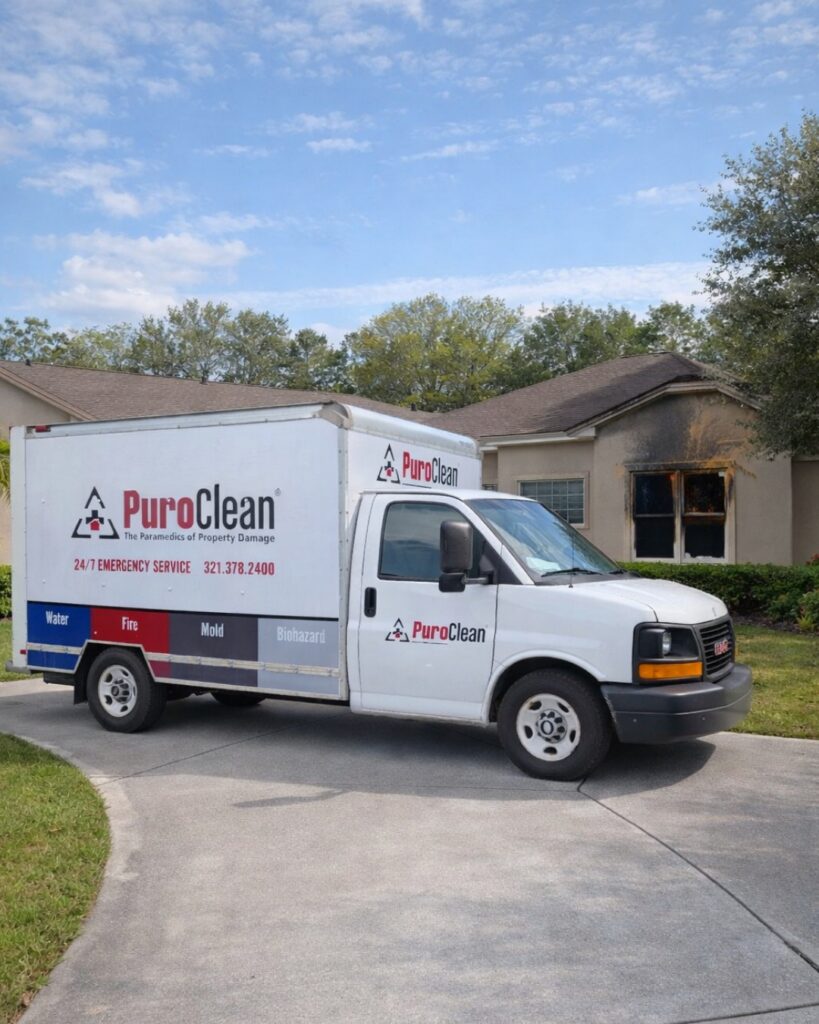
Don’t let hidden storm damage turn into a costly structural crisis. Contact the certified, compassionate experts at PuroClean of Melbourne today for immediate 24/7 emergency dispatch.
- 24/7 Direct Emergency Line: (321) 378-2400
- Facility Location: 739 North Dr, Melbourne, FL 32934 (Coastal Technology Center)
- Service Area: Serving Melbourne, Viera, Palm Bay, Indialantic, Melbourne Beach, West Melbourne, Suntree, Eau Gallie, Melbourne Village, and all surrounding Brevard County communities.