


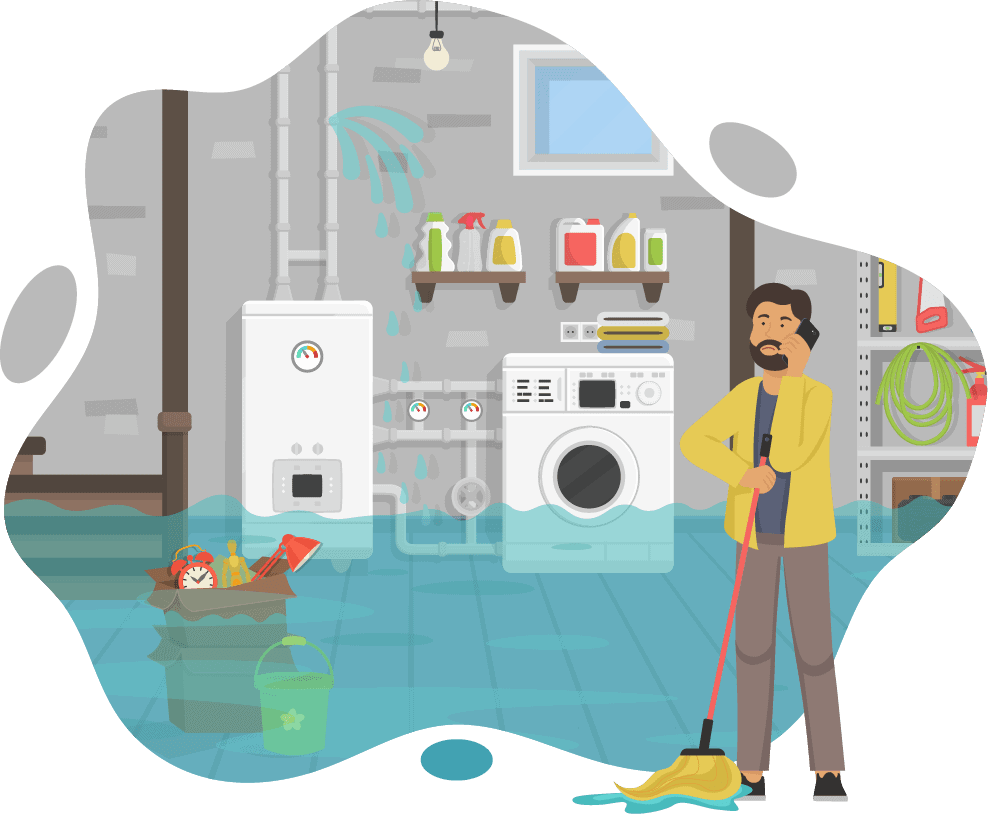
A flooded home is one of the most overwhelming experiences a homeowner in Brevard County can face. Whether the cause is a tropical storm pushing water inland from the Indian River, a burst pipe in the middle of the night, storm surge from a hurricane, or a backed-up sewer line, the minutes and hours immediately after a flood are critical.
Acting quickly and in the right order can mean the difference between a manageable restoration and a costly, months-long ordeal. This guide from PuroClean of Melbourne gives you a clear, step-by-step emergency checklist designed specifically for Brevard County residents. Print it out, save it to your phone, and share it with your family before you ever need it.
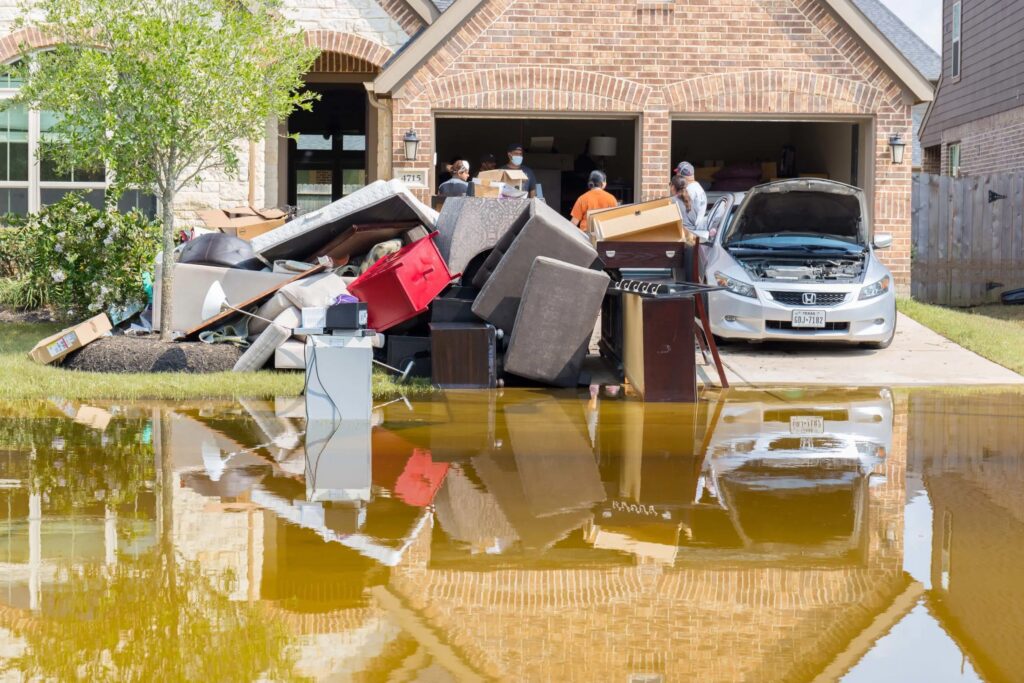
If you are in the middle of a flood emergency right now, call PuroClean of Melbourne at (321) 378-2400. We are available 24 hours a day, 7 days a week, including holidays.
Step 1: Before You Re-Enter Your Flooded Home
Safety comes before everything else. Floodwater creates a range of hazards that are not always visible. Before stepping back inside your home, work through the following safety checks.
Check for Structural Damage from the Outside
Walk around the exterior of your home before going in. Look for visible foundation cracks, walls that are leaning or bowing, a sagging roofline, or doors and windows that are visibly shifted out of frame. If you notice any of these signs, do not enter the building. Contact a structural engineer or your local Brevard County building department before re-entry.
Turn Off Electricity at the Breaker Panel
Water and electricity are a deadly combination. If your breaker panel is in a dry area, turn off power to all circuits before entering any flooded zone. If the breaker panel itself has been submerged or is in a wet area, do not touch it. Contact Florida Power and Light (FPL) to disconnect service at the meter before you enter.
Do not assume that standing water is safe simply because the power appears to be off. Utility lines can carry live current into floodwater from neighboring properties.
Check for Gas Leaks
If you smell natural gas, do not enter your home. Leave the area immediately, do not turn any switches on or off, and call Florida City Gas or your local utility provider and then 911 from a safe distance. Gas leaks are common after flooding because water movement can shift and damage gas supply lines.
Assess the Water Source
Try to identify where the water came from, as this affects how you handle cleanup. The IICRC classifies floodwater into three categories:
- Category 1 (Clean Water): From a supply line, rain, or municipal water. Lowest risk.
- Category 2 (Gray Water): From appliances, sump pump failure, or overflow from clean sources that have sat for some time. Contains contaminants.
- Category 3 (Black Water): Sewage backup, floodwater from rivers or storm drains, or any standing water that has been stagnant for 48 or more hours. Highly contaminated. Requires full protective gear and professional handling.
Brevard County flooding events, particularly those connected to storm surge or heavy rainfall, almost always produce Category 3 water. Treat all unknown floodwater as Category 3 until confirmed otherwise.
Step 2: The Immediate Action Checklist (First 24 Hours)
Once you have confirmed it is safe to enter, move through these actions as quickly as possible. Time is your most valuable resource after a flood. Every hour of delay increases moisture penetration into walls, floors, and structural materials, and raises the risk of mold growth.
| Documentation for Insurance | Priority | |
| [ ] | List all damaged items with estimated values and purchase dates | High |
| [ ] | Save all receipts for emergency expenses (hotel, supplies, food) | High |
| [ ] | Do not throw away damaged items until your adjuster has seen them | High |
| [ ] | Get your insurance policy number and adjuster contact information ready | High |
Step 3: Protect Your Home While Waiting for the Restoration Team
After calling PuroClean of Melbourne, there are several steps you can take to reduce further damage while waiting for our team to arrive.
Remove Standing Water If You Can Do So Safely
If there is a small amount of standing water and you have a wet/dry shop vacuum, you can begin removing it from hard floor surfaces. Do not use a regular household vacuum, as this creates an electrocution hazard and will damage the machine. Do not attempt to remove large volumes of water on your own, as improper removal can lead to uneven drying and structural damage.
Protect Your Contents
Move items from wet areas to dry rooms or a dry garage. Priority items include:
- Important documents: passports, birth certificates, insurance policies, deeds, and financial records
- Electronics: computers, televisions, and any hard drives or external storage
- Medications and medical equipment
- Family photos, albums, and irreplaceable personal items
- Jewelry and valuables
Waterlogged documents can sometimes be restored if handled carefully. Do not try to peel apart wet papers. Place them in a freezer in plastic bags to stop further deterioration until a document restoration specialist can assess them.
Ventilate Where It Is Safe to Do So
If outdoor humidity is lower than indoor humidity, opening windows can help begin the drying process. However, during Brevard County summer months when outdoor humidity routinely exceeds 80%, opening windows can actually introduce more moisture and make conditions worse. Our restoration technicians will assess and control the drying environment when they arrive.
Protect Undamaged Areas
Use plastic sheeting or tarps to create barriers between wet and dry areas of your home. This prevents floodwater from spreading further and helps contain any contamination from Category 2 or Category 3 water.
Step 4: What NOT to Do After a House Flood in Brevard County
Equally important to knowing what to do is knowing what to avoid. These are the most common mistakes we see Brevard County homeowners make after a flood, and they often end up dramatically increasing both restoration time and cost.
- Do not wait to call for help. Every hour matters. Mold can begin growing in as little as 24 to 48 hours in Brevard County’s warm, humid climate. The longer water sits in your walls and floors, the more damage it causes.
- Do not use fans or open windows during high-humidity days. In Florida’s subtropical climate, running household fans without professional dehumidification can actually spread moisture to previously unaffected areas and slow the drying process.
- Do not throw away damaged materials before documentation. Your insurance company needs to see the damage. Disposing of items before your adjuster visits or before proper documentation can result in a reduced or denied claim.
- Do not use a regular vacuum cleaner on floodwater. This is a serious electrocution hazard and will not adequately extract moisture from flooring or subfloor materials.
- Do not turn on your HVAC system. If your air ducts have been exposed to floodwater or mold spores, running your HVAC will spread contamination throughout the entire house. Have your ductwork inspected before turning it back on.
- Do not assume the water is clean. Storm water, especially after Brevard County rain events, picks up sewage, chemicals, and debris from roads and drainage systems. Always treat unknown floodwater as contaminated until a professional confirms otherwise.
- Do not skip the mold inspection. Even after visible water has been removed, moisture trapped in walls and under floors will cause mold growth if not properly dried. Professional moisture readings are the only reliable way to confirm a space is truly dry.
Understanding Flood Sources Specific to Brevard County in 2026
Brevard County sits between the Atlantic Ocean to the east and the St. Johns River watershed to the west, with the Indian River Lagoon running through its center. This unique geography means Brevard County residents face a combination of flooding sources that many other Florida counties do not.
Hurricane and Tropical Storm Surge
Storm surge from Atlantic hurricanes is the most destructive flood threat in coastal Brevard County. Areas near Melbourne Beach, Satellite Beach, Cocoa Beach, and Indialantic are at the highest risk. Storm surge can push saltwater several feet inland within minutes, and saltwater flooding requires specialized treatment due to its corrosive effect on building materials, metals, and electrical systems.
Heavy Rainfall and Urban Flooding
Brevard County averages more than 50 inches of rainfall annually, with the majority falling between June and September. Intense storms can overwhelm stormwater systems in older neighborhoods throughout Melbourne, Palm Bay, and Rockledge, causing street flooding to enter homes through low-lying doors, garage floors, and crawlspaces.
Indian River Lagoon Overflow
Properties along the Indian River Lagoon face overflow flooding risk during prolonged rain events and high tides. This water is classified as Category 3 due to the lagoon’s mix of organic material, algae, and historically elevated nutrient levels. Cleanup after lagoon water intrusion requires full decontamination protocols.
Plumbing and Appliance Failures
Not all flooding is weather-related. Burst pipes, failed water heaters, washing machine hose failures, and sewage backups are among the most common causes of residential flooding year-round in Brevard County. These interior flooding events can be just as destructive as storm flooding if not addressed immediately.
What Happens When PuroClean of Melbourne Arrives
When our team arrives at your Brevard County home, here is what you can expect from the emergency response process:
- Moisture Assessment and Mapping. Our technicians use professional moisture meters and thermal imaging cameras to map all affected areas, including areas behind walls and under floors that are not visible to the naked eye. This creates an accurate baseline for tracking the drying progress.
- Water Category Identification. We confirm the category and class of water damage, which determines the safety protocols, equipment, and procedures required for proper remediation.
- Industrial Water Extraction. Using truck-mounted and portable extractors, we remove standing water rapidly and completely. Our equipment can extract hundreds of gallons per hour, far beyond what any consumer-grade equipment can achieve.
- Structural Drying Setup. We place commercial air movers and dehumidifiers throughout your home in a carefully calculated configuration to maximize drying efficiency. In Brevard County’s humid environment, this professional drying setup is not optional; it is essential.
- Mold Prevention Treatment. We apply EPA-registered antimicrobial agents to all wet surfaces to inhibit mold growth during the drying process.
- Daily Monitoring. A technician returns each day to monitor moisture readings and adjust equipment placement based on drying progress. We do not leave equipment running unattended without daily checks.
- Insurance Documentation. We provide detailed reports, moisture logs, and photo documentation to support your insurance claim throughout every phase of the project.
Frequently Asked Questions About Flooding in Brevard County
How long does flood cleanup take in Brevard County?
Most residential flood cleanups in Brevard County take between 3 and 7 days for the mitigation and drying phase, depending on the size of the affected area, the category of water, and how quickly the process begins. Reconstruction work follows after drying is complete and can take additional days to several weeks depending on the extent of structural damage. You can read our detailed breakdown on the PuroClean of Melbourne blog.
Will my homeowner’s insurance cover flood damage?
Standard homeowner’s insurance policies in Florida do not cover flooding from external water sources such as storm surge, overflowing rivers, or street flooding. This type of damage is covered under a separate flood insurance policy, typically issued through the National Flood Insurance Program (NFIP) or private flood carriers. Internal water damage from plumbing failures, appliance leaks, or roof damage is generally covered under standard homeowner’s policies. We recommend reviewing your policy and calling your insurer as soon as flooding occurs.
Is it safe to stay in my home after a flood?
It depends on the extent of the damage and the source of the water. Minor plumbing leaks that are quickly addressed may allow you to remain in the home with proper containment. Flooding involving sewage, major structural damage, or extensive mold growth typically requires temporary relocation. Our team will advise you after the initial assessment. Your safety and your family’s health always come first.
How soon can mold start growing after a flood in Florida?
In Brevard County’s warm, humid climate, mold can begin growing on wet surfaces in as little as 24 to 48 hours. Florida’s average temperatures of 70 to 90 degrees Fahrenheit combined with high year-round humidity create near-ideal conditions for rapid mold growth. This is one of the main reasons immediate action is so important. The sooner water is extracted and drying begins, the better your chances of avoiding mold remediation entirely.
What if floodwater came from the sewer or a drain?
Sewage-contaminated water is classified as Category 3 black water and requires specialized protective protocols, full decontamination of all affected materials, and safe disposal of porous materials that cannot be cleaned. Do not attempt to clean up sewage-related flooding yourself. Call PuroClean of Melbourne immediately for safe, professional remediation.
Does PuroClean of Melbourne handle both the cleanup and the repairs?
Yes. PuroClean of Melbourne is a full-service restoration company. We handle the entire process from emergency water extraction through structural drying, mold prevention, and final reconstruction. Working with one company from start to finish reduces your total timeline and eliminates the coordination headaches that come with juggling multiple contractors.
How to Prepare Your Brevard County Home Before the Next Flood Season
The best time to prepare for a flood is before one happens. Here are practical steps every Brevard County homeowner should take before hurricane season (June 1 through November 30):
- Purchase flood insurance now if you do not already have it. NFIP policies have a 30-day waiting period before they take effect.
- Know where your main water shutoff valve is located and make sure everyone in your household can operate it.
- Have your plumbing inspected annually. Older Melbourne and Palm Bay homes often have aging pipes that are at higher risk of failure.
- Install a sump pump in your garage or lowest floor if you are in a flood-prone area. Test it regularly.
- Keep important documents in a waterproof container or store digital copies in a secure cloud service.
- Install check valves on floor drains to prevent sewage from backing up into your home during heavy rain events.
- Know your flood zone. The Brevard County Property Appraiser’s website allows you to look up your property’s FEMA flood zone designation.
- Save the PuroClean of Melbourne number in your phone: (321) 378-2400.
Contact PuroClean of Melbourne for 24/7 Flood Emergency Response in Brevard County
When a flood hits your Brevard County home, every minute counts. PuroClean of Melbourne is the trusted, locally owned restoration company that Brevard County families have relied on for fast, professional water damage response.
We serve all of Brevard County including Melbourne, Palm Bay, Viera, Rockledge, Cocoa Beach, Melbourne Beach, Satellite Beach, Titusville, and the surrounding communities. Our IICRC-certified technicians arrive equipped and ready to protect your home, your belongings, and your family’s health.
Call Us Now for Emergency Flood Response
Phone (24/7): (321) 378-2400
Address: 739 North Dr, Melbourne, FL 32934
Website: https://www.puroclean.com/melbourne-fl-puroclean-melbourne
Email: [email protected]
Do not wait to call. The sooner our team is on-site, the more we can save and the faster you can return to normal.
Connect With Us on Social Media!
Instagram | Facebook | Direction | Check Reviews | Yelp