


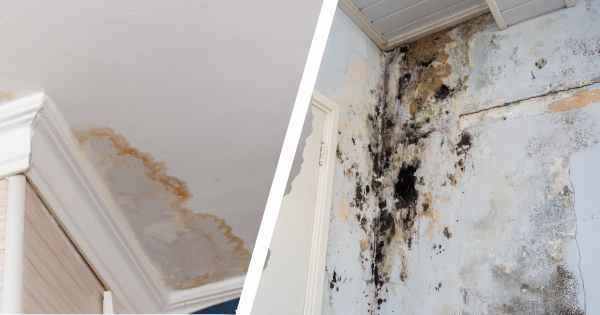
If your home has experienced water damage, whether from a burst pipe, a leaking roof, an appliance failure, or a storm, one of the first questions you probably have is whether mold is going to become the next problem. The short answer is: yes, mold will grow after water damage if the moisture is not addressed quickly and completely. The longer answer involves understanding exactly how and why that happens, what makes Florida homes especially vulnerable, and what you can do to prevent it.
Mold is not a problem that announces itself immediately. It begins growing in hidden places, inside walls, beneath flooring, behind cabinets, and in the HVAC system, long before it becomes visible on a surface. By the time most homeowners see or smell mold, a significant colony has typically been growing for days or even weeks. That delayed visibility is exactly why water damage and mold prevention need to be treated as a single problem, not two separate ones.
In Melbourne, Florida and throughout Brevard County, the risk is amplified by a climate that is essentially ideal for mold growth year-round. This guide walks you through the science of mold after water damage, the timeline you are working against, the surfaces and materials most at risk, and the steps that actually work to prevent a water event from becoming a mold problem.
How Quickly Does Mold Grow After Water Damage?
This is the most critical question because the answer determines how urgently you need to respond. Mold does not wait days to begin developing. Under the right conditions, mold spores can begin germinating and colonizing a surface within 24 to 48 hours of water exposure.
Read Also: Wet Carpet After a Leak: Can It Be Saved or Should You Replace It?
Mold spores are microscopic and exist naturally in virtually every indoor and outdoor environment. They are already present in your home right now, floating in the air and resting on surfaces. Under dry conditions, they remain dormant and cause no harm. The moment those spores land on a wet, organic surface in a warm environment, they begin to germinate. Within 24 hours, germination begins. Within 3 to 7 days, visible mold colonies can appear on the surface. Within two weeks, mold can spread aggressively to adjacent materials and release enough spores to affect indoor air quality throughout the home.
In Florida, this timeline is compressed. The warm temperatures that persist year-round in Melbourne mean mold does not experience the seasonal slowdown that occurs in cooler climates. Combined with the high ambient humidity common throughout Brevard County, conditions for rapid mold growth are essentially constant. A water event that might give a homeowner in a dry northern climate several days to respond gives a Melbourne homeowner significantly less time before mold takes hold.
What Does Mold Need to Grow? The Four Essential Conditions
Understanding what mold requires to grow helps you understand both why it is so common after water damage and what you need to eliminate to stop it. Mold requires four things:
Moisture
This is the one factor you can control. Mold cannot grow without water. When moisture is completely removed from building materials within the critical window, mold growth is prevented. When moisture lingers, even in quantities that feel minor to the touch, it is enough for mold to colonize. The challenge is that moisture in building materials is not always visible or detectable without professional equipment. Drywall can feel dry on the painted surface while holding significant moisture in its gypsum core. Subfloor plywood can appear solid while being saturated with water that the surface has simply sealed over.
Organic Material
Mold feeds on organic material, and most building materials contain it. Drywall paper facing, wood framing, plywood subfloor, carpet backing, ceiling tiles, insulation, and the dust that naturally accumulates on surfaces all provide food for mold. Even materials that seem purely synthetic, like carpet fibers, often have organic components in the backing or adhesive. A home is essentially a collection of mold-compatible food sources that only stay mold-free as long as they stay dry.
Warmth
Most mold species thrive in temperatures between 60 and 80 degrees Fahrenheit, which is precisely the range that describes the interior of most Florida homes year-round. Some species can grow at temperatures as low as 40 degrees and as high as 100 degrees, but warm temperatures like those in Melbourne accelerate the entire growth process from germination to visible colony formation.
Oxygen
Mold requires oxygen to grow, and oxygen is present everywhere in a home. There is no practical way to eliminate this factor, which is why moisture control is the only effective prevention strategy. If you eliminate the moisture, you eliminate the ability of mold to grow regardless of the other three conditions being present.
Which Materials in Your Home Are Most at Risk for Mold After Water Damage?
Mold does not affect all materials equally. Some materials in your home are far more susceptible than others, and knowing which ones to prioritize for drying and inspection can help you focus your response effectively.
Drywall
Drywall is one of the most mold-vulnerable materials in any home. The paper facing that covers the gypsum core is an organic material that mold consumes readily. Once drywall becomes saturated, moisture wicks upward through the panel and into areas that were not directly contacted by the water source. Wet drywall that is not dried within the critical window typically needs to be cut out and replaced, as it cannot be dried thoroughly enough in place to prevent mold growth inside the wall cavity.
Carpet and Carpet Padding
Carpet padding is arguably the most mold-friendly material in a typical home. It is dense, porous, dark, and retains moisture for extended periods even after the carpet surface above it appears dry. Mold growing in carpet padding is invisible until it becomes extensive, and by the time a musty odor appears, significant contamination is already present. Padding is almost always replaced rather than dried after water damage for this reason.
Wood Framing and Subfloor
The structural wood in your home, including wall studs, floor joists, and subfloor panels, is highly susceptible to mold when wet. Wood is porous and absorbs water deeply, and it takes significantly longer to dry than surface materials. Mold growing on structural wood does not just create an air quality problem. Over time it degrades the structural integrity of the material, converting solid wood to a weakened, crumbling state.
Insulation
Fiberglass batt insulation that has been wet is virtually impossible to dry adequately. It loses its thermal performance when wet and its fibrous structure traps moisture for weeks. Wet insulation inside wall cavities creates a persistent mold reservoir that continuously releases spores into the air. Saturated insulation should be removed and replaced, not dried in place.
HVAC System Components
If moisture enters your HVAC system, either through a flooded air handler, a leaking duct, or contaminated air being drawn into the return, mold can colonize the evaporator coil, duct lining, and air handler cabinet. This is one of the most serious mold scenarios in a home because the HVAC system then becomes a distribution mechanism, actively circulating mold spores throughout every room every time the system runs.
Why Florida Homes Face a Higher Mold Risk After Water Damage
Homeowners in Melbourne and throughout Brevard County face mold risks that are genuinely different from most of the country, and understanding those differences is important for making the right decisions after a water event.
Year-Round Warmth Eliminates the Seasonal Slowdown
In cooler climates, winter temperatures slow mold growth significantly and give homeowners more time to respond to water damage before mold becomes a serious problem. In Melbourne, there is no such seasonal relief. Average temperatures remain well within the ideal range for mold growth throughout the year, which means a water event in January carries the same mold risk as one in August.
Coastal Humidity Keeps Indoor Moisture Elevated
Brevard County’s coastal location means ambient outdoor humidity is consistently high, and that humidity migrates indoors. Even in a home without an active leak, interior relative humidity can hover in ranges that are borderline for mold growth during parts of the year. After a water event, this baseline humidity slows the drying process and makes it harder to bring building materials down to safe moisture levels without active drying equipment.
Florida-Specific Mold Species Are Aggressive
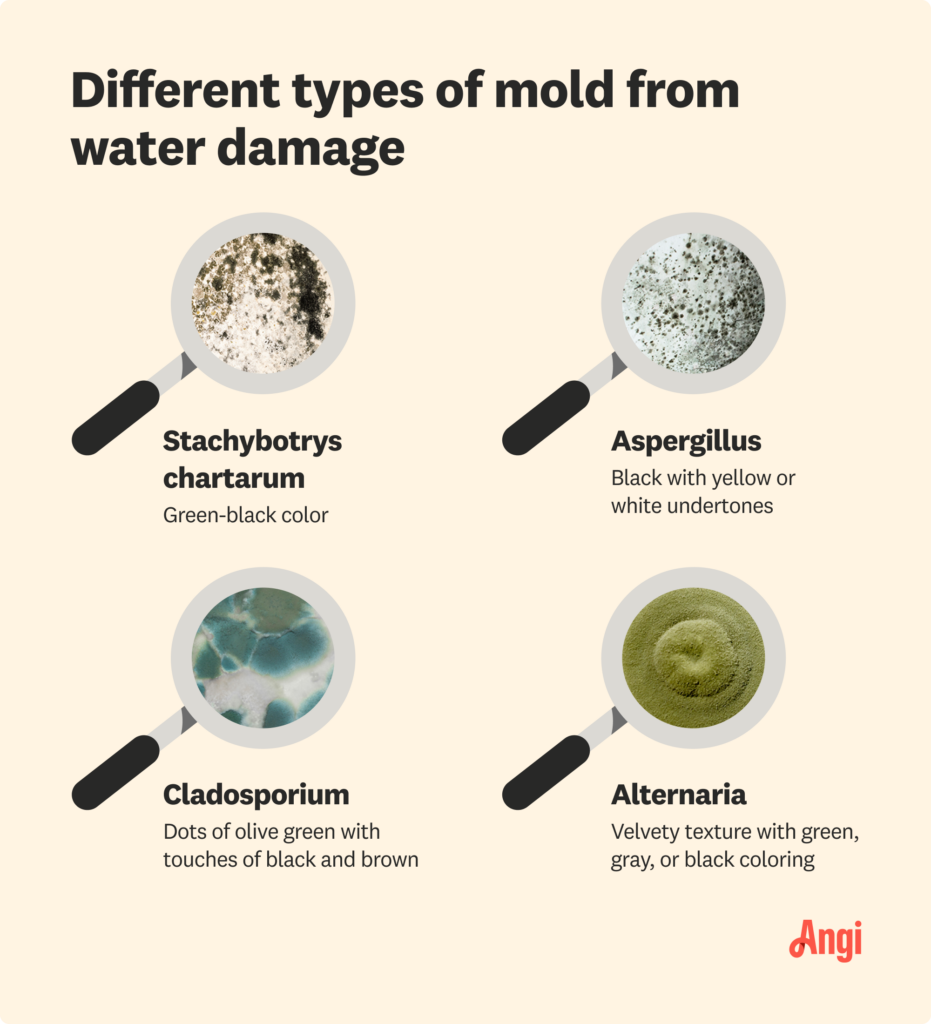
Florida homes are particularly susceptible to certain mold species including Stachybotrys chartarum (commonly called black mold), Cladosporium, Aspergillus, and Penicillium. These species are well-adapted to the warm, humid Florida environment and can establish themselves and spread more quickly here than they would in drier regions. Several of these species produce mycotoxins that pose significant health risks with prolonged exposure.
Florida Homes Often Have Unique Construction Vulnerabilities
Many homes in Melbourne and the surrounding communities were built during construction booms that used materials and techniques now understood to be more vulnerable to moisture issues. Older block construction, inadequate vapor barriers, and aging HVAC systems that may not manage humidity effectively all contribute to a higher baseline mold risk that is amplified when water damage occurs.
Early Warning Signs That Mold Is Already Growing After Water Damage
Mold often grows for days or weeks before it becomes visible. Knowing the early warning signs allows you to act before a minor mold presence becomes a major remediation project.
- A musty, earthy, or damp odor that persists in or around the water-damaged area even after visible moisture is gone. This is often the first and most reliable indicator of active mold growth.
- Discoloration on walls, ceilings, or floors. Mold can appear black, green, gray, white, or brown depending on the species. Any new spots or patches that appear in the weeks following a water event should be treated as potential mold.
- Bubbling, peeling, or warping paint or wallpaper. These can indicate moisture trapped behind the surface that is creating conditions for mold growth even where it is not yet visible.
- An increase in allergy-like symptoms among household members, including sneezing, nasal congestion, itchy or watery eyes, coughing, or skin irritation, particularly symptoms that improve when leaving the home.
- Worsening asthma or respiratory symptoms in household members with known conditions.
- A visible water stain line on drywall or ceiling material that extends higher than you would expect from the water level. This indicates moisture wicking and points to potential mold growth in the wicked area.
- Soft or spongy drywall or flooring that feels different than surrounding areas, indicating retained moisture.
Read Also: Smoke Damage Cleanup After a Small Fire: What Homeowners Miss in 2026
Any of these signs following a water event should prompt an immediate professional mold assessment. Waiting to see if the signs worsen is not a safe strategy. By the time visible mold is extensive, remediation is a larger and more costly undertaking.
How to Prevent Mold Growth After Water Damage: The Right Approach
Mold prevention after water damage is fundamentally about one thing: removing moisture completely and quickly from every affected material before the 24 to 48-hour colonization window closes. Here is what that requires in practice.
Act Within the First Hour
Stop the water source, document the damage for your insurance claim, and begin water extraction immediately. Every minute that water sits in contact with building materials extends the damage and shrinks the window for successful prevention. Call a professional restoration company as soon as possible. Same-day or next-day response from a certified water damage team dramatically changes outcomes compared to waiting even a day or two.
Remove Standing Water Completely
Use a wet/dry shop vacuum or submersible pump to remove all visible standing water before attempting to dry surfaces. Leaving any standing water while running fans is counterproductive because the water continues saturating the materials it contacts and evaporates into the air, raising humidity levels and slowing the drying of surrounding surfaces.
Use Commercial-Grade Drying Equipment
This is where professional restoration makes a decisive difference. Commercial air movers create the high-velocity airflow needed to draw moisture out of building material surfaces and into the air. Commercial dehumidifiers then remove that moisture from the air before it can resettle on other surfaces. This combination can achieve thorough drying of structural materials in 2 to 4 days. Consumer-grade fans and dehumidifiers simply cannot match this capacity and frequently leave hidden moisture that leads to mold.
Monitor Moisture Levels with Professional Equipment
Professional restoration teams use moisture meters, thermal imaging cameras, and hygrometers to create a complete moisture map of the affected area, including inside walls, beneath flooring, and in the ceiling. This mapping identifies hidden wet areas that look dry on the surface and ensures that drying continues until every material has reached a safe moisture threshold. Without this monitoring, the drying process is essentially guesswork.
Apply Antimicrobial Treatments to Affected Surfaces
Once drying is complete, EPA-registered antimicrobial treatments can be applied to cleaned structural surfaces to inhibit any remaining mold spore germination. This is a preventive step that is part of the professional restoration process and provides an additional layer of protection beyond drying alone.
Remove and Replace Non-Salvageable Materials Promptly
Certain materials should be removed and replaced rather than dried in place, regardless of how quickly you respond. Carpet padding, wet insulation, and drywall that has been saturated beyond the point of effective in-place drying should be removed to prevent them from becoming ongoing sources of mold growth. Leaving these materials in the hope that they will dry fully is one of the most common reasons mold develops after what appeared to be a well-handled water event.
What Happens If Mold Is Not Caught Early After Water Damage?
Homeowners sometimes underestimate what happens when mold is allowed to grow unchecked after water damage. Understanding the progression helps illustrate why early action is not just preferable but essential.
In the first week, mold colonies establish themselves on wet surfaces. The contamination is relatively localized and remediation at this stage is typically straightforward, involving cleaning or removal of the affected materials with antimicrobial treatment.
Read Also: How Long Does Water Damage Restoration Take in Melbourne, FL in 2026?
Between one and three weeks, established colonies begin releasing large numbers of spores into the air. Those spores settle on new surfaces throughout the home, including walls, furniture, clothing, and HVAC components. The contamination zone expands significantly beyond the original water damage footprint.
Beyond three weeks, mold penetrates deeply into porous materials, breaking down the structural integrity of wood and drywall. At this stage, remediation requires not just cleaning but significant demolition and reconstruction of affected areas. Costs that would have been minimal with immediate response can multiply several times over. In severe cases, mold contamination can render sections of a home temporarily uninhabitable during remediation.
Beyond the structural and financial consequences, prolonged exposure to mold in a home poses documented health risks. Species like Stachybotrys chartarum, Aspergillus, and Penicillium produce mycotoxins linked to serious respiratory conditions, neurological effects, and immune suppression with extended exposure. Children, elderly residents, and individuals with pre-existing health conditions bear the highest risk.
Mold vs. Mildew: Understanding the Difference After Water Damage
Many homeowners confuse mold and mildew, and while both are fungi that grow in moist environments, they are different in important ways when it comes to water damage response.
Mildew is a surface fungus that grows on the surface of moist materials and tends to appear white, gray, or powdery. It is generally easier to remove than mold and does not penetrate deeply into materials. Mildew is commonly found on shower tiles, window sills, and other surfaces with regular but not extreme moisture exposure. It can often be cleaned with appropriate surface cleaners and improved ventilation.
Mold penetrates into the material it grows on, sending root-like structures called hyphae deep into porous surfaces. Cleaning the surface of a moldy material does not remove the mold. It must be either fully encapsulated with antimicrobial products or removed entirely. Mold also produces mycotoxins that mildew does not, which is why mold poses a more serious health risk.
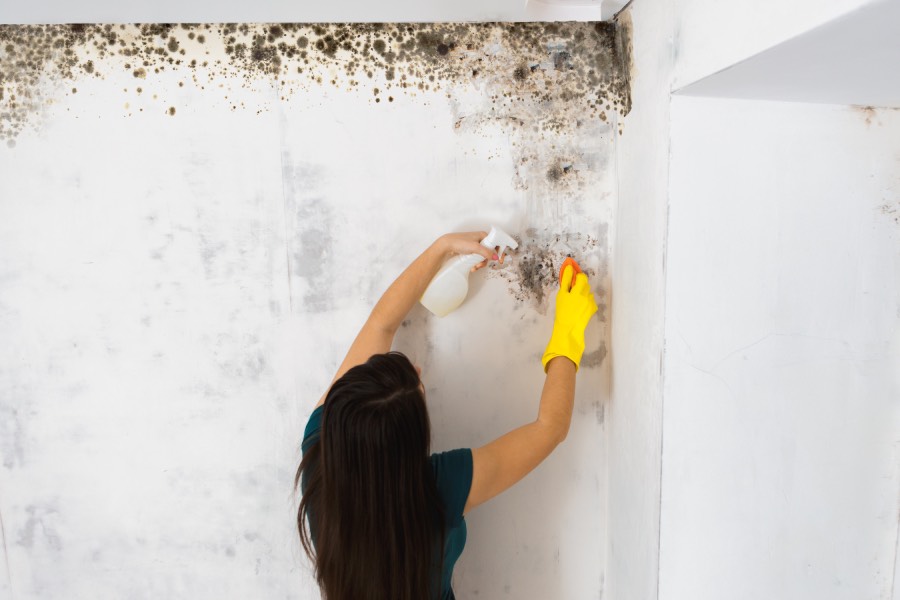
After water damage, any fungal growth you encounter should be treated as mold until a professional assessment confirms otherwise. Assuming a discolored patch is just mildew and cleaning it with a household spray is one of the most common mistakes homeowners make, leaving active mold growth behind while providing a false sense of having addressed the problem.
Frequently Asked Questions About Mold After Water Damage
How long after water damage does mold appear?
Mold can begin germinating on wet surfaces within 24 hours of water exposure under warm, humid conditions like those found in Melbourne, Florida. Visible mold colonies typically appear within 3 to 7 days if moisture is not eliminated. However, mold growing inside walls, beneath flooring, or in insulation may not become visible for weeks even while actively spreading.
Can I prevent mold after water damage on my own?
For very minor water events, such as a small drip that was caught within an hour and affected only hard, non-porous surfaces, thorough drying and cleaning may be achievable without professional help. For any significant water intrusion, particularly events affecting carpet, drywall, or structural wood in Florida’s climate, professional drying equipment and moisture monitoring are needed to reliably prevent mold. Consumer-grade drying methods frequently leave hidden moisture that leads to mold despite the homeowner believing the problem was resolved.
Does bleach kill mold after water damage?
Bleach is effective at killing surface mold on non-porous materials like tile and glass. It is not effective at killing mold inside porous materials like drywall, wood, or carpet because it does not penetrate deeply enough to reach the root structures. Applying bleach to moldy drywall or wood kills the surface appearance of mold but leaves the root structures intact, and the mold typically regrows. Professional mold remediation uses specialized antimicrobial treatments designed for porous materials and includes physical removal of contaminated materials when necessary.
My home was dried quickly after water damage. Am I safe from mold?
Rapid drying significantly reduces the mold risk, but it does not eliminate it entirely unless the drying was thorough and verified. If drying was performed with consumer equipment without professional moisture monitoring, hidden wet areas inside walls or beneath flooring may have been missed. A professional moisture check several days after a water event provides confirmation that everything is genuinely dry. If any materials show elevated moisture readings, targeted drying or removal can address them before mold becomes established.
Is mold after water damage covered by homeowner’s insurance?
Mold remediation is sometimes covered under homeowner’s insurance policies when it results directly from a covered water damage event, such as a sudden pipe burst or storm damage. However, insurers may deny mold claims when they determine the mold resulted from slow or long-term moisture issues that were not promptly reported or addressed. Documenting the original water damage event thoroughly and calling for professional restoration quickly is the best way to protect your ability to file a mold-related claim if it becomes necessary.
Concerned About Mold After Water Damage in Melbourne FL? Call PuroClean of Melbourne
Water damage and mold go hand in hand in Florida’s warm, humid climate. If your home has experienced any kind of water intrusion, the question is not whether mold could grow. It is whether you are going to eliminate the moisture before it does.
PuroClean of Melbourne specializes in water damage restoration and mold remediation for homeowners throughout Melbourne, Palm Bay, Viera, Rockledge, Cocoa Beach, and all of Brevard County. Our certified technicians respond 24 hours a day, 7 days a week with commercial drying equipment, professional moisture mapping, and the expertise to stop mold before it starts.
If you have already noticed mold signs after a water event, do not wait. Mold spreads faster than most homeowners expect, and early professional intervention is always significantly less costly than delayed remediation.
We also work directly with all major insurance companies and provide the detailed documentation your adjuster needs to process your claim accurately and efficiently.
Call PuroClean of Melbourne 24/7 at (321) 378-2400 or email [email protected]. Learn more about our water damage and mold remediation services at puroclean.com/melbourne-fl-puroclean-melbourne.
PuroClean of Melbourne
739 North Dr, Melbourne, FL 32934
Open 24 Hours
Serving Melbourne, Palm Bay, Viera, Rockledge, Cocoa Beach, and all of Brevard County, Florida.

Connect With Us on Social Media!
Instagram | Facebook | Direction | Check Reviews | Yelp | Linkedin | Youtube | Twitter | BBB