 PuroClean of Coral Gables
 Table of Contents
Understanding the Connection Between Mold and Odors
Mold is more than just an unsightly problem—it can significantly affect the smell of your home. Many homeowners notice a persistent musty or earthy odor, which is often the first sign of hidden growth. If left unaddressed, it can create an unpleasant living environment, impact indoor air quality, and even cause health issues.
In this guide, we’ll explore how it contributes to bad odors, where these smells originate, and what you can do to eliminate them.
What Does Mold Smell Like?
It produces a distinctive odor that is often described as:
- Musty or damp – Similar to wet cardboard or a damp basement.
- Earthy – Like decaying leaves or rotting wood.
- Foul or sour – Sometimes, it can emit strong, unpleasant scents resembling mildew or fermentation.
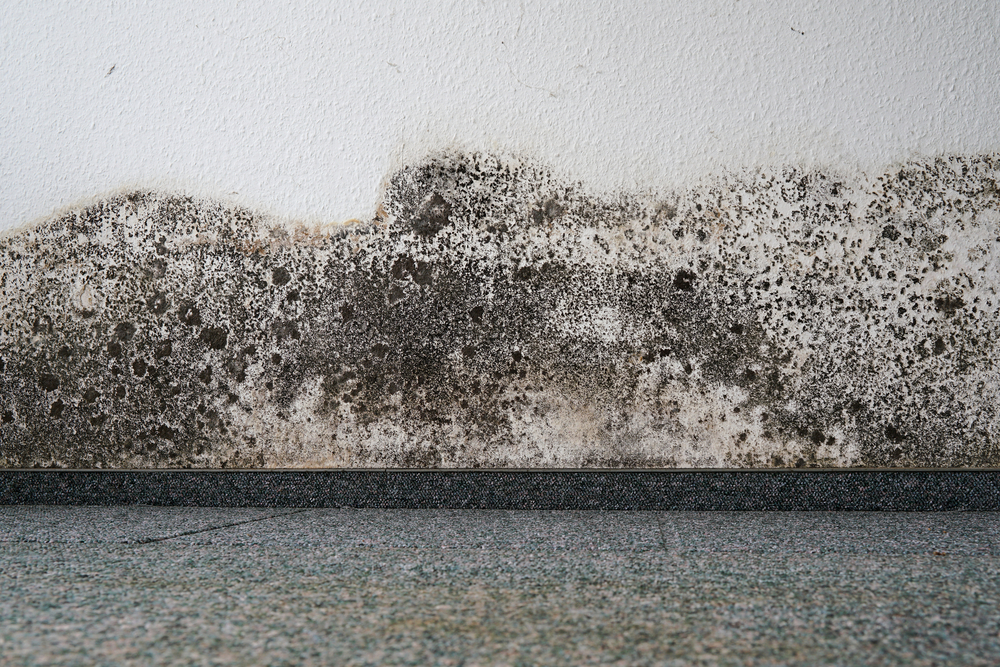
The strength of the odor depends on the its type, location, and the extent of the infestation. Even if it isn’t visible, a persistent smell is a warning sign that you need to investigate further.
Why Does Mold Create Bad Odors?
It releases microbial volatile organic compounds (MVOCs) as it grows and reproduces. These MVOCs are airborne chemicals that contribute to the distinct odor. The stronger the smell, the more active the growth is, meaning it’s actively releasing spores and breaking down organic materials in your home.
Common factors that contribute to mold-related odors include:
- High humidity levels – Moisture in the air encourages its growth.
- Water damage – Leaks from roofs, pipes, or flooding provide the perfect environment for it to thrive.
- Poor ventilation – Stagnant air allows the spores and odors to linger.
- Damp materials – It feeds on organic materials like drywall, carpet, insulation, and wood, leading to decomposition and bad smells.
Where Are Mold Odors Most Common?
The smells can originate from various parts of the home, including:
- Basements and crawl spaces – These areas often have high humidity and poor ventilation.
- Bathrooms – It thrives in shower stalls, under sinks, and around leaky pipes.
- Kitchens – Hidden leaks under sinks and behind appliances can lead to its growth.
- Attics – Roof leaks and poor insulation can trap moisture and cause it to develop.
- HVAC systems – The spores can spread through air ducts, leading to a musty smell throughout the home.
How to Get Rid of Mold Odors
1. Identify and Remove the Source
To eliminate the smell, you must first locate and remove it. A professional mold inspection may be necessary if the source isn’t obvious.
2. Clean Affected Areas Thoroughly
- Use a solution of white vinegar, hydrogen peroxide, or baking soda to clean small affected areas.
- Scrub affected surfaces with a stiff brush and allow them to dry completely.
3. Improve Ventilation
- Open windows and doors to increase airflow.
- Use exhaust fans in bathrooms and kitchens to reduce humidity.
4. Use Dehumidifiers and Air Purifiers
- Dehumidifiers help maintain optimal humidity levels (below 50%) to prevent the growth.
- HEPA air purifiers can remove airborne spores and reduce odors.
5. Call a Professional Mold Remediation Service
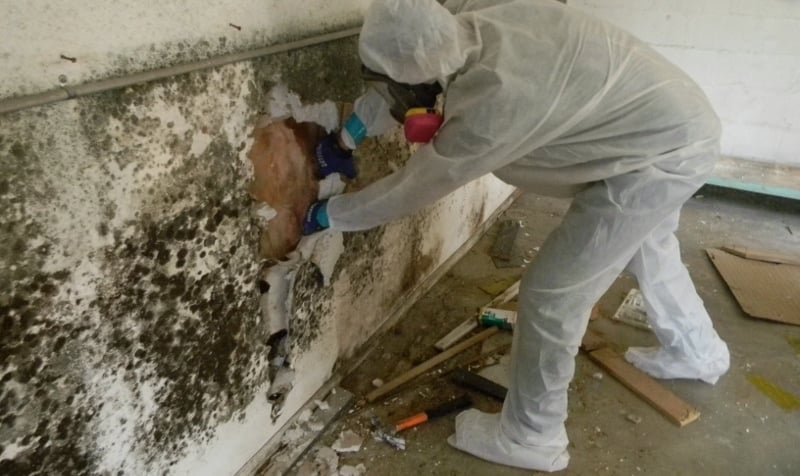
If the the problem is extensive or hidden within walls, floors, or air ducts, a professional mold remediation company like PuroClean of Coral Gables can ensure proper removal and air purification.
Preventing Mold and Odors in the Future
- Fix leaks immediately to prevent moisture buildup.
- Keep humidity levels low with dehumidifiers and proper ventilation.
- Use resistant materials in areas prone to moisture, like bathrooms and basements.
- Regularly clean HVAC systems to prevent the growth in air ducts.
Conclusion
It can have a significant impact on the smell of your home, making it unpleasant and unhealthy. By identifying the source of the growth, improving air circulation, and taking preventative measures, you can eliminate odors and maintain a fresh-smelling home. If the problems persist, don’t hesitate to seek professional help from PuroClean of Coral Gables, your trusted property damage restoration experts.
Need professional remediation? Contact us today on (305) 894-4343.

 PuroClean of Coral Gables