 PuroClean of Coral Gables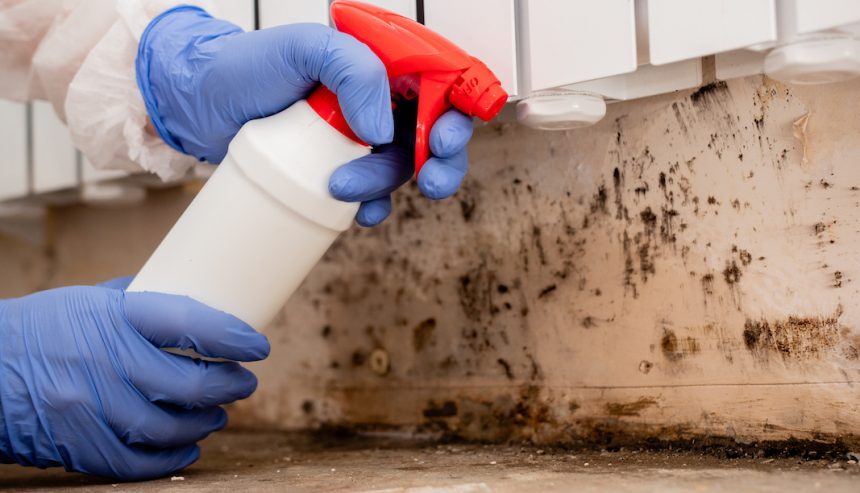
Bleach can kill mold on non-porous surfaces like tiles or glass, but it’s ineffective for porous materials like drywall or wood. In fact, using bleach incorrectly may worsen the mold problem and harm your health. Keep reading to find out the full truth.
Table of Contents
The Mold Problem and a Common Misconception
When mold appears in your home or business, it’s natural to reach for whatever cleaning agent is under the sink — and for many, that means bleach. But the big question is: does bleach kill mold?
This question is more than a curiosity. It’s crucial for your health, your property’s safety, and your peace of mind. Mold can lead to respiratory issues, structural damage, and costly repairs. So, before you grab that bottle of bleach, let’s separate fact from fiction.
The Science Behind Mold and Bleach
Mold is a fungus that thrives in damp, dark environments ,bathrooms, basements, crawlspaces, and even inside your HVAC system. What many people don’t realize is that mold has roots (called hyphae) that penetrate porous surfaces.
Now, does bleach kill mold all the way to the root? The short answer is no. Here’s why:
- Bleach contains water and chlorine.
- On porous surfaces (like wood, drywall, and fabric), the water penetrates, but the chlorine stays on the surface.
- The result? You kill the surface mold temporarily, but the roots survive and grow back — sometimes worse than before.
That’s why organizations like the Environmental Protection Agency (EPA) and Federal Emergency Management Agency (FEMA) do not recommend bleach for mold remediation on porous surfaces.
(Source: EPA Mold Guide)
When Does Bleach Kill Mold?
Let’s be fair, bleach can be effective in certain situations but does bleach kill mold?. Here’s where it works:
On Non-Porous Surfaces:
- Tile
- Glass
- Bathtubs
- Metal
In these cases, does bleach kill mold? Yes, on the surface. The chlorine can disinfect and remove visible mold effectively.
On Porous Surfaces:
- Drywall
- Wood
- Insulation
- Carpet
Here, bleach fails to reach mold roots embedded deep inside, which means it doesn’t provide a long-term solution.
The Dangers of Using Bleach on Mold
If you’re still tempted to grab bleach, consider these real risks:
1. Toxic Fumes
Bleach produces chlorine gas, especially in enclosed spaces. Inhaling it can irritate your lungs, eyes, and skin, particularly dangerous for children and people with asthma.
2. Material Damage
Bleach can weaken materials like fabrics, paints, and grout, causing long-term deterioration.
3. Mold Regrowth
Because it doesn’t penetrate, bleach allows mold to regrow even stronger, especially if moisture remains.
4. False Sense of Security
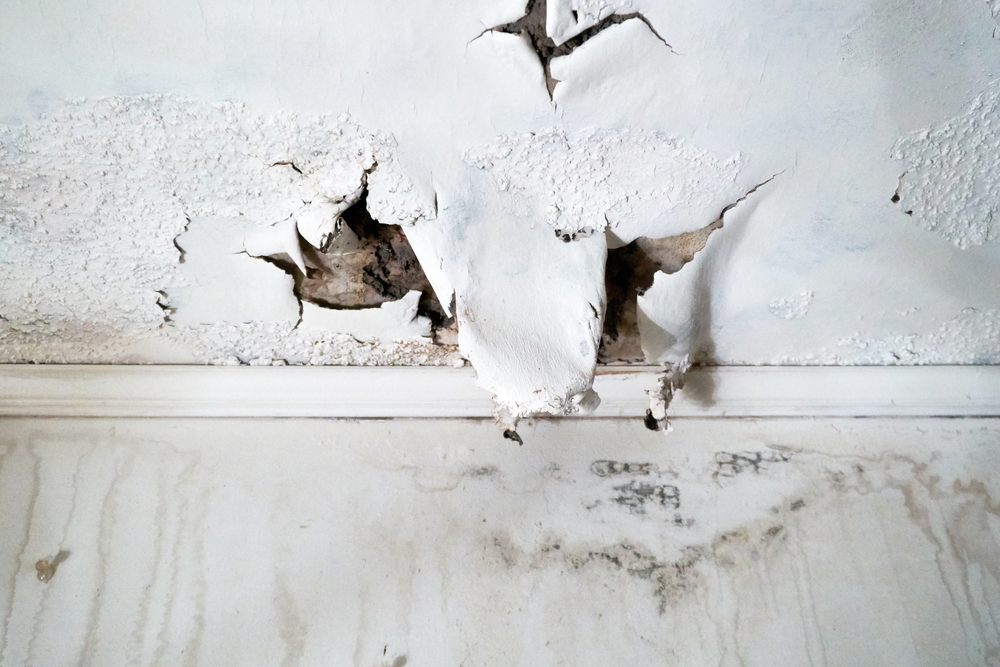
Surface cleaning with bleach may mask the deeper issue, causing homeowners to delay professional help until it’s too late.
What Should You Use Instead of Bleach?
1. EPA-Approved Mold Cleaners
Look for mold removal solutions labeled “EPA Registered” for fungal remediation.
2. Vinegar + Baking Soda
For small jobs, white vinegar (which penetrates porous surfaces) combined with baking soda is a safer DIY option.
3. Hydrogen Peroxide
An alternative that kills mold on both porous and non-porous surfaces without toxic fumes.
But let’s be clear: DIY methods only work for small, surface-level mold infestations. If mold covers more than 10 square feet or involves sewage, water damage, or strong odors — you need a professional.
Professional Mold Remediation: The Safe and Permanent Solution
If you’re still asking does bleach kill mold? effectively, you might be facing a larger issue than a bottle of bleach can handle.
At PuroClean of Coral Gables, we use advanced remediation protocols, protective equipment, and moisture detection tools to eliminate mold at the source , not just on the surface. We:
- Contain the contaminated area to stop spread
- Remove affected materials safely
- Dehumidify and sanitize thoroughly
- Prevent future outbreaks with moisture control
Frequently Asked Questions (FAQs)
Does bleach kill mold permanently?
No. Bleach only removes mold on the surface of non-porous materials. Mold roots in porous materials are left behind and can regrow.
Why do people still use bleach for mold?
Bleach gives the illusion of cleanliness by whitening surfaces and killing visible mold , but it doesn’t solve the problem beneath.
Is it safe to use bleach in the bathroom for mold?
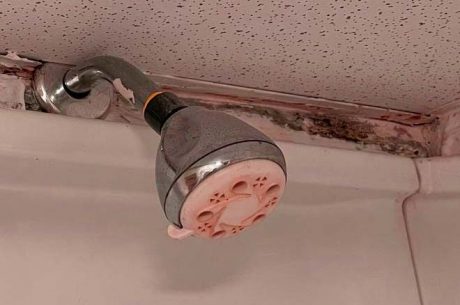
It’s relatively safe on non-porous bathroom tiles, but ensure proper ventilation. For persistent bathroom mold, a professional is the safest bet.
Can mold come back after using bleach?
Yes , and often stronger. Bleach can actually encourage mold regrowth by leaving behind moisture.
When should I call a professional for mold?
If:
- The area is larger than 10 sq. ft.
- Mold keeps coming back
- There’s a musty smell or water damage
- It involves HVAC systems or crawlspaces
Does Bleach Kill Mold?
To wrap it up, does bleach kill mold? Yes, but only partially and only on non-porous surfaces. On drywall, wood, or other absorbent materials, bleach falls short and can even worsen the situation. For safety, effectiveness, and long-term mold removal, professional remediation is the best choice.
Professional Mold Removal Services in Coral Gables
At PuroClean of Coral Gables, we go beyond surface-level cleaning to ensure your home is truly mold-free. We don’t just remove what you can see. we eliminate the source.
Our mold remediation services include:
- Professional mold assessment
- Containment to prevent spread
- Advanced HEPA air filtration and drying systems
- Safe removal of contaminated materials
- Full disinfection of affected areas
- Moisture control to prevent recurrence
We’re trusted by property owners, insurance providers, and businesses across Coral Gables for a reason: we get the job done right the first time.
Don’t Let Mold Compromise Your Health or Home
Call PuroClean of Coral Gables today at (305) 894-4343 for 24/7 emergency mold remediation service. We’re here to help fast, safe, and certified.
 PuroClean of Coral Gables