 PuroClean of Coral Gables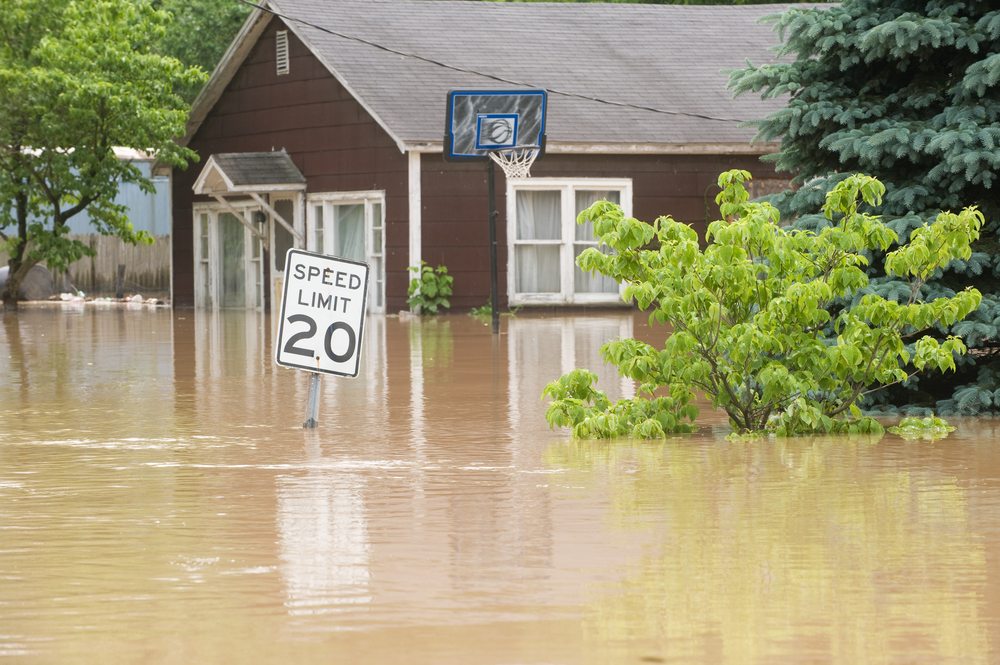
Floods are the most common natural disasters in the United States and also the most dangerous. To help you know when to expect flooding, the National Weather Service or your local weather service issues flood watches, warnings, and advisories. Flood watches and flood warnings are critical terms used by meteorological agencies to alert the public about potential flooding hazards. Understanding the distinction between these two terms is crucial for individuals and communities to effectively prepare for and respond to flood events.
But what are the differences between them? Let’s find out below.
Flood Advisory
A flood advisory is the mildest level of a flood notification. It means that a flood may be possible due to a problematic weather event, but the flooding is expected to be less severe if it occurs.
Even so, it’s best to monitor weather alerts to know if the flooding risk will turn into something more serious. If you don’t exercise any form of caution, you may put your life or property in danger.
Flood Watch
A flood watch is issued before a flood warning and indicates that flooding in your area is possible within the next 24 to 48 hours. While a flood watch does not mean flooding will likely occur, the conditions are favorable for a flood.
You should prepare for a flood even though the chance of a flood is not guaranteed. Be ready to move to higher ground immediately after the notice. Monitor alert notifications and get the latest updates on the weather via your local radio, NOAA Weather Radio or TV stations. A flood watch could quickly turn into a flood warning.
Flood Warning
When a flood warning is issued, flooding is imminent or is already happening. The flood warning typically includes important information to help you overcome flooding, such as safety tips, evacuation procedures, location of emergency shelters, and more.
A flood warning is a sign to avoid low lying areas and stay tuned to radio or TV stations to get weather updates. If local officials advise you to evacuate, do so immediately.
Flash Flood Warning
Flash floods are sudden violent floods that occur very quickly, usually in six hours or less, when it rains heavily or when levees and dams break. Densely populated areas, such as cities, are at a high risk for flash floods.
Since flash floods can happen so fast, unfortunately there isn’t always time to send out a flash flood warning alert. If you do learn of a flash flood warning, seek higher ground immediately. Flash floods can develop even in areas where it doesn’t rain when the warning was issued.
Remember, if you are under a flood warning, seek shelter right away and don’t forget to protect your property from flooding. For water removal services and mold cleaning services, contact your local PuroClean office.
Frequently Asked Questions about Flood Watch vs Flood Warning
1. What is a Flood Watch?
A Flood Watch means that conditions are favorable for flooding to occur in your area. It does not mean flooding is happening yet, but you should stay alert and be prepared to take action if necessary.
2. How is a Flood Watch different from a Flood Warning?
A Flood Watch indicates the possibility of flooding, whereas a Flood Warning means flooding is already occurring or is imminent. During a Flood Watch, you should monitor weather updates and prepare your home and family.
3. How should I respond to a Flood Watch?
When a Flood Watch is issued, gather emergency supplies, move valuables to higher ground, and review evacuation routes. Stay informed through local news, weather apps, or alerts from authorities.
4. Can a Flood Watch be upgraded to a Flood Warning?
Yes. If conditions worsen and flooding becomes likely or has begun, a Flood Watch can be upgraded to a Flood Warning. It’s important to act quickly when this happens to ensure safety.
5. Does a Flood Watch mean I need to evacuate?
Not immediately. It does not require evacuation, but you should be ready to leave if a Flood Warning is issued. Preparing in advance helps you respond quickly if the situation escalates.
6. How long does a Flood Watch usually last?
It can last several hours or even days, depending on weather conditions. Authorities will update or cancel the watch as the risk changes, so staying informed is crucial.
7. How can I stay informed during a Flood Watch?
To stay safe during a watch, monitor local weather reports, sign up for emergency alerts, and follow instructions from local authorities. Having a battery-powered radio and smartphone notifications can help you stay updated even during power outages.


 PuroClean of Coral Gables