 PuroClean of Coral Gables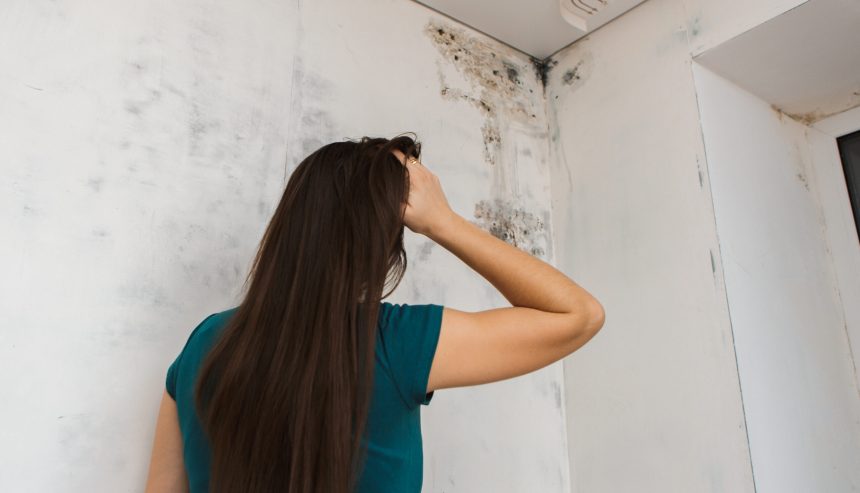
Table of Contents
Mold can grow quietly and damage your home and health long before you notice it. To check for mold, homeowners should look for strong odors, visual discoloration, moisture issues, HVAC warning signs, health symptoms, peeling surfaces, humidity problems, and past water damage. Early detection allows you to take quick action and prevent costly structural and health problems. At the end of this article, we’ll explain when to call a professional mold remediation team like PuroClean of Coral Gables for safe and thorough cleanup.
Why You Should Always Check for Mold Early
Mold thrives in warm, damp environments, especially in humid climates like South Florida. It can begin growing within 24 to 48 hours of water exposure, which means that even a minor leak can quickly escalate into a major problem if left unchecked.
Unchecked mold spreads behind walls, under floors, and inside HVAC systems, damaging structural materials, furniture, and indoor air quality. It can also trigger or worsen allergy symptoms such as sneezing, coughing, watery eyes, or asthma flare-ups.
Because mold often grows hidden from view, it’s important to know how to check for mold and identify early warning signs before the problem becomes serious. Acting early can save you money, protect your family’s health, and prevent long-term property damage.
1. Persistent Musty or Earthy Odors
One of the earliest indicators that you need to check for mold is an unexplained musty, damp, or earthy smell in your home. These odors are caused by microbial compounds released by active mold colonies.
These smells often appear near bathrooms, closets, basements, laundry areas, or around HVAC systems. Even if you cannot see mold, persistent odors are a strong signal that mold could be growing somewhere hidden. The key is to trust your senses—if it smells off, investigate further.
2. Visible Discoloration on Surfaces
The most obvious way to check for mold is through a careful visual inspection. Mold can appear in many colors, including:
- Black or dark green clusters
- Brown or rusty spots
- White fuzzy patches
- Bright green, orange, or gray growths
Mold can grow on drywall, wood, wallpaper, carpets, and other materials. Any unusual staining or patchy growth on walls, ceilings, or floors should be investigated promptly. Early detection means less extensive damage and faster restoration.
3. Ongoing Moisture Problems
Mold needs moisture to survive. Homes with persistent moisture issues such as condensation on windows, recurring damp patches, or areas that feel wet to the touch are prime spots to check for mold.
Other signs of moisture problems include peeling or bubbling paint, warped wood, or floors that seem soft in certain areas. Moisture often hides behind walls or under floors, so any repeated dampness should raise concern. Addressing these issues early prevents mold from taking hold.
4. Past Water Damage or Leaks
Homes that have experienced water leaks, roof damage, appliance overflows, or flooding are at higher risk for mold. Even after water appears to be dried out, mold can persist behind walls and under floors.
When you check for mold, pay extra attention to areas with a history of water intrusion. Mold can often develop silently, so professional inspection may be necessary if the affected area is large or hard to reach.
5. HVAC and Ventilation Red Flags
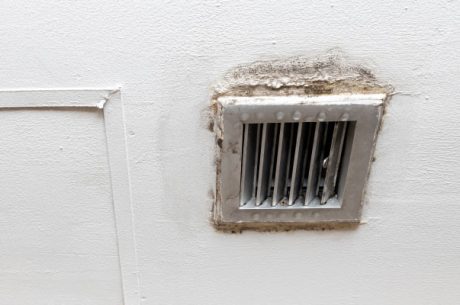
Heating, ventilation, and air conditioning systems can hide and spread mold spores throughout your home. Signs you should check for mold include:
- Musty smells coming from vents
- Dark staining or dust buildup near registers
- Unexplained dirt or dust circulation
Since HVAC systems distribute air to the entire home, mold in the ducts can impact indoor air quality and potentially cause health issues if not addressed promptly.
6. Unexplained Health Symptoms Indoors
While not a direct way to confirm mold, recurring health symptoms can indicate it’s time to check for mold. Watch for:
- Sneezing or coughing
- Watery or itchy eyes
- Nasal congestion
- Headaches or fatigue that improves when away from home
If multiple household members experience symptoms primarily indoors, hidden mold could be the culprit. Acting quickly protects both health and property.
7. Peeling Paint, Wallpaper, or Structural Changes
Persistent moisture harms building materials, making areas ideal for mold growth. When you check for mold, look for:
- Peeling, bubbling, or discolored paint
- Warped baseboards or soft flooring
- Sagging ceiling tiles
These visual signs often indicate moisture behind surfaces, which mold can exploit. Early detection and repair can prevent the mold from spreading to other areas of the home.
8. High Indoor Humidity and Damp Areas
Mold thrives in environments with high humidity. If your home frequently feels humid or you notice condensation on windows, pipes, or walls, it’s time to check for mold.
Bathrooms, kitchens, laundry rooms, attics, and poorly ventilated closets are especially prone to mold growth. Keeping indoor humidity below 50 percent can prevent mold, but if you already have warning signs, professional evaluation is recommended.
How to Conduct Your Own Mold Check Safely
Homeowners can do a preliminary inspection by:
- Using a bright flashlight to check dark corners and behind furniture
- Inspecting bathrooms, kitchens, and other moisture-prone areas
- Checking areas with past water damage
- Avoiding direct contact with mold without protective gear, as spores can spread
- Calling a professional if mold covers a large area, is hidden, or affects HVAC systems
Professional remediation ensures safe removal and containment to protect your family and home.
FAQs About Checking for Mold
What areas should I check first?
Bathrooms, kitchens, laundry rooms, attics, closets, and any area with previous water damage are the most likely spots to find mold.
Can I use at-home test kits?
They can sometimes indicate mold presence but often fail to detect hidden growth or identify the source. Professional inspection is more accurate.
Is mold dangerous to health?
Exposure can cause respiratory symptoms, allergies, and irritation, especially in sensitive individuals or those with asthma.
How soon after water damage should I check for mold?
Mold can grow within 24 to 48 hours of water exposure. Immediate inspection and remediation are recommended.
When should I call professionals?
If mold covers a large area, is hidden, or causes health issues, professional remediation is the safest option.
Final Summary
To protect your home and health, it’s critical to check for mold regularly. Watch for musty odors, visible discoloration, moisture issues, HVAC warning signs, health symptoms, peeling surfaces, high humidity, and past water damage. Detecting mold early allows for quick intervention, reduces restoration costs, and keeps your family safe.
For extensive mold growth, hidden infestations, or persistent signs, the experts at PuroClean of Coral Gables are ready to help. Our professional mold remediation team will assess, contain, and safely remove mold, restoring your home and peace of mind.
Call PuroClean of Coral Gables today for a professional mold inspection and remediation plan. Protect your home before mold spreads.


 PuroClean of Coral Gables