 PuroClean of Coral Gables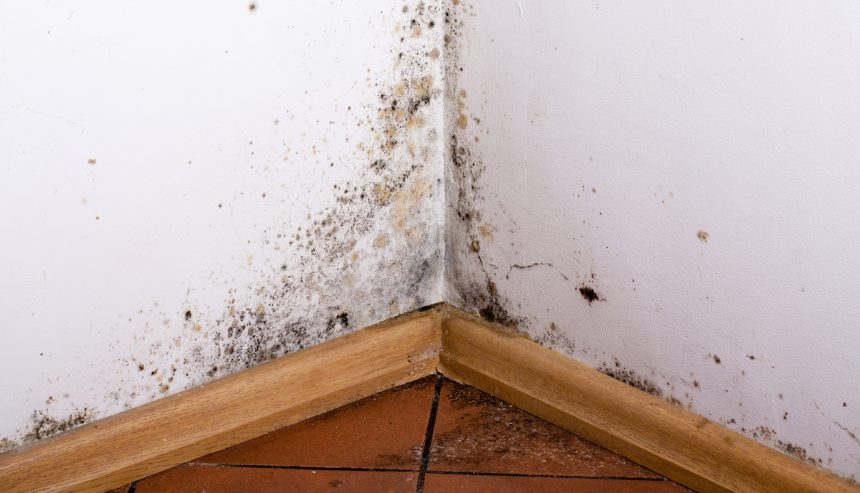
Table of Contents
If you’re looking for how to get rid of black mold, the short answer is this: black mold requires fast action, proper cleaning, moisture control, and in many cases, a licensed mold remediation team to remove it safely. Black mold is stubborn, dangerous, and capable of spreading quickly if the source of moisture is not fixed.
At the end of this article, you’ll know exactly how to get rid of black mold, when DIY is safe, when professionals are needed, and the steps experts follow to keep your home safe. You’ll also find answers to common questions homeowners ask and learn why professional black mold remediation is often the safest and most effective solution.
Why Black Mold Is a Serious Problem
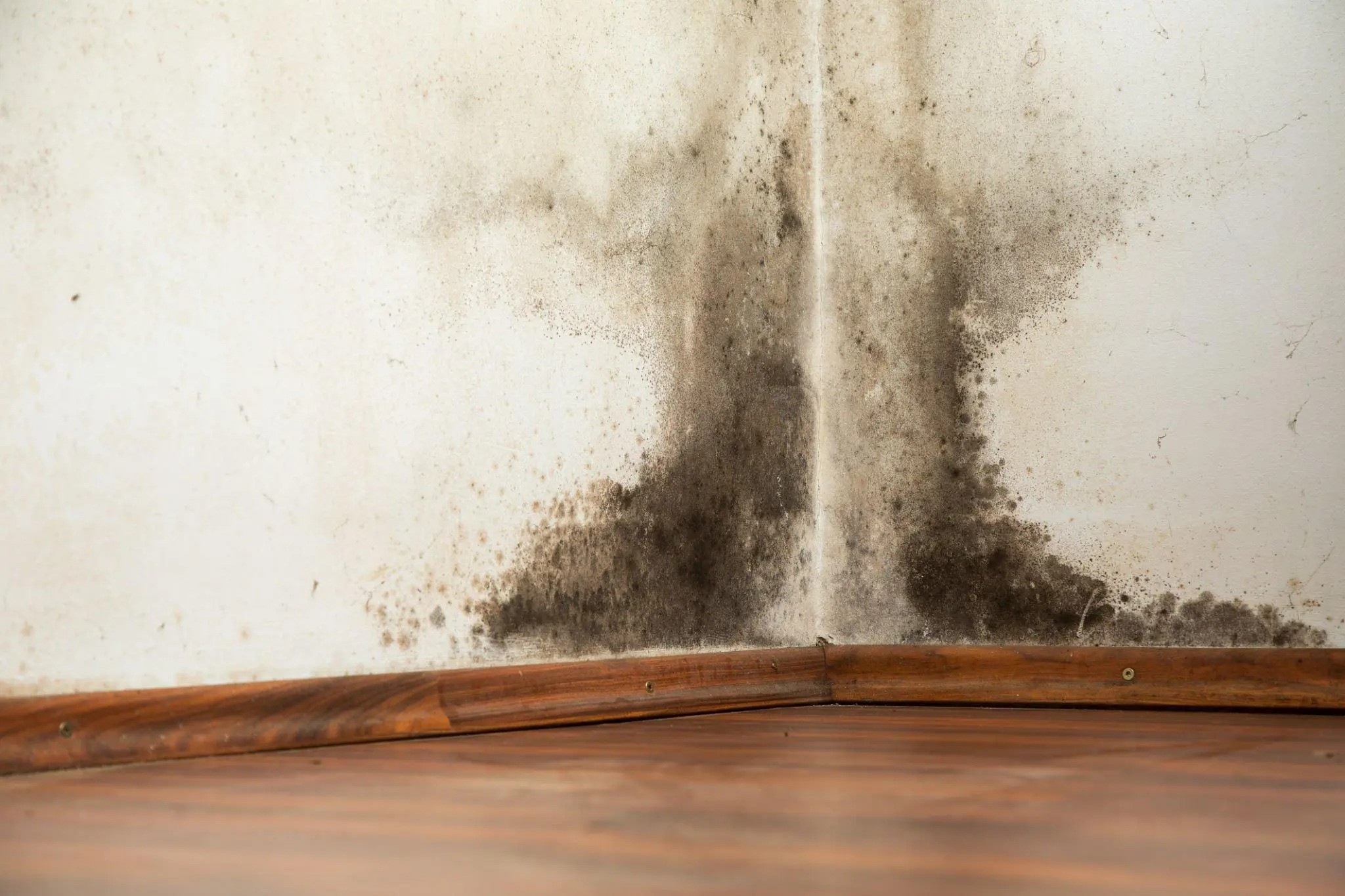
Black mold grows in dark, humid places and feeds on materials like drywall, wood, carpet, insulation, and dust. If left untreated, it causes structural damage, strong odors, and potential health concerns, especially for people with allergies, asthma, or weakened immune systems.
Many homeowners notice the musty smell before they ever see the mold. Others spot black stains around bathrooms, behind walls, under sinks, or near water-damaged areas. No matter where it appears, one thing is true: you must act quickly to get rid of black mold before it spreads.
This guide explains the safest ways to treat it, prevent it, and restore your home properly.
What Causes Black Mold to Grow?
Understanding the cause makes it easier to get rid of black mold permanently. The main culprits include:
- Hidden water leaks in walls or ceilings
- Poor ventilation in bathrooms, kitchens, or laundry rooms
- Flood damage or storm intrusion
- High indoor humidity
- Condensation around AC systems, windows, and pipes
- Roof leaks or poorly sealed windows
Black mold thrives in Miami and Coral Gables because of naturally high humidity. This makes moisture control the most important part of your cleanup plan.
Steps to Get Rid of Black Mold Safely
Below are the same procedures professionals use—simplified so homeowners understand what’s safe to do and what isn’t.
1. Identify the Source of Moisture
Before you get rid of black mold, you must fix the water problem causing it. If moisture continues, the mold will always return. Look for:
- Wet drywall
- Damp flooring
- Leaking pipes
- Roof or window leaks
- Condensation buildup
If you’re unsure where moisture is coming from, a professional mold inspection can help locate hidden water.
2. Protect Yourself First (Safety Matters)
Black mold releases spores when disturbed. Wear:
- N95 or respirator mask
- Gloves
- Eye protection
- Long sleeves
- Hair covering
This protects you from breathing or touching contaminated materials.
3. Contain the Area
Prevent mold spores from spreading throughout your home by:
- Closing doors and windows
- Using plastic sheeting to seal the area
- Switching off HVAC systems
- Keeping the space isolated
Containment is one of the most important steps professionals use during black mold remediation.
4. Remove and Bag Contaminated Materials
To truly get rid of black mold, anything porous should be removed, not cleaned. This includes:
- Drywall
- Carpets
- Insulation
- Upholstered furniture
- Pressed wood materials
These materials trap mold deep inside, making cleaning impossible.
5. Clean Hard Surfaces Properly
For non-porous surfaces like tile, glass, or metal:
- Use a detergent-based cleaner
- Scrub thoroughly
- Avoid using bleach (it does not penetrate deeply)
- Rinse and dry completely
Bleach is one of the biggest myths in mold removal because it only treats the surface and can make the problem worse.
6. Use HEPA Vacuuming
A HEPA vacuum removes mold spores from:
- Floors
- Walls
- Baseboards
- Corners
- Airborne particles
Regular vacuums scatter spores, so HEPA filtration is essential.
7. Apply Antimicrobial Treatments
Professionals apply specialized antimicrobial agents to kill remaining spores. This step helps prevent future growth and prepares the space for restoration.
8. Dry the Area Thoroughly
To get rid of black mold permanently, the space must be completely dry. Professionals use:
- Industrial dehumidifiers
- Air scrubbers
- High-speed air movers
- Moisture meters
Drying is the most important step after cleaning.
9. Restore the Area Safely
Once the mold is gone, replace:
- Drywall
- Flooring
- Paint
- Insulation
- Trim
Restoration ensures the space is safe, clean, and mold-free.
10. Prevent Mold from Coming Back
To keep black mold from returning:
- Maintain indoor humidity below 50%
- Use exhaust fans in bathrooms and kitchens
- Repair leaks immediately
- Clean and maintain AC systems
- Improve airflow around the home
Prevention is the final step in every successful mold remediation.
When You Should NOT Try to Get Rid of Black Mold Yourself
DIY is only safe for very small areas (under 10 square feet). Anything larger requires professional treatment. Call a mold expert if:
- The mold covers a large area
- You smell mold but cannot see it
- You recently had flood or storm damage
- Family members are experiencing health symptoms
- Mold is in HVAC systems
- Mold is growing inside walls
Attempting to clean widespread or hidden mold yourself can cause bigger contamination.
Health Risks of Black Mold
Black mold exposure can cause:
- Chronic coughing
- Headaches
- Wheezing
- Skin irritation
- Fatigue
- Eye irritation
- Increased asthma symptoms
Children, older adults, and people with respiratory conditions are especially vulnerable.
This is why fast and proper action is critical when trying to get rid of black mold.
How Professionals Get Rid of Black Mold
Here is what certified technicians like PuroClean of Coral Gables do during black mold remediation:
- Detailed moisture inspection
- Containment setup
- Removal of contaminated materials
- HEPA vacuuming
- Antimicrobial treatments
- Structural drying
- Air purification
- Final clearance testing (if required)
- Full restoration
Professionals follow EPA and IICRC standards for safety and effectiveness.
How to Get Rid of Black Mold
1. Can I get rid of black mold permanently?
Yes—as long as the moisture source is fixed and the area is properly cleaned and dried.
2. Does bleach kill black mold?
No. It only cleans the surface. Mold inside porous materials remains alive.
3. How fast can black mold return?
Within 24–48 hours if moisture is still present.
4. Is black mold dangerous?
It can be, especially for people with respiratory issues, allergies, or weakened immune systems.
5. Can I paint over black mold?
No. Paint does not kill mold and it will grow back through the new paint.
6. Should I call a professional?
Yes, especially if the affected area is large, hidden, or the source of moisture is unclear.
The Right Way to Get Rid of Black Mold
To truly get rid of black mold, you must fix the moisture source, remove contaminated materials, clean surfaces thoroughly, dry the structure, and ensure the area is restored correctly. DIY is only safe for very small spots; anything larger requires professionals with proper tools and safety equipment.
Trust PuroClean of Coral Gables for Black Mold Remediation
If you want the safest and most effective way to get rid of black mold, the experts at PuroClean of Coral Gables are ready to help. Our certified team uses industry-standard equipment, advanced containment methods, and professional drying systems to remove mold completely and prevent it from coming back.
We respond quickly, protect your property, and restore your home safely.
Call PuroClean of Coral Gables today for fast and reliable black mold remediation.
We make your home healthy again, safely and professionally.



 PuroClean of Coral Gables