 PuroClean of Coral Gables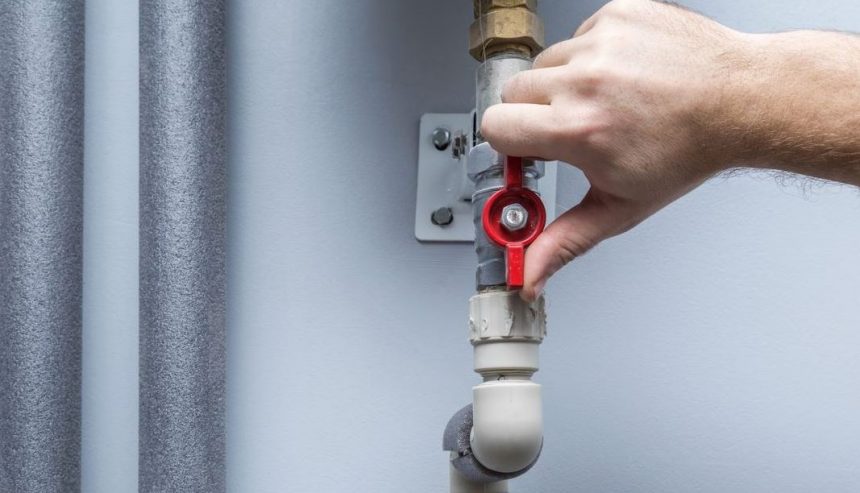
Table of Contents
If you need to know how to locate water shut off valve, start by checking near your water meter, garage wall, basement entry point, or exterior foundation where the main water line enters your home. Look for a wheel-style handle or a lever that turns 90 degrees. Once found, test it carefully and label it for future emergencies. Acting quickly during a leak can prevent thousands of dollars in water damage.
Water emergencies rarely give warnings. A pipe bursts. A washing machine hose snaps. A toilet overflows while you’re out. In those first critical minutes, knowing exactly how to locate water shut off valve can be the difference between minor cleanup and major structural damage.
Many homeowners don’t know where their main shut-off is until they desperately need it. This guide walks you through everything clearly, step by step, so you’re prepared long before an emergency happens.
Why This Matters More Than You Think
Water spreads fast. Within minutes it seeps into:
- Drywall
- Baseboards
- Flooring
- Cabinets
- Electrical systems
Within hours, it can cause swelling, staining, and structural weakening. Within days, mold can begin to grow.
Knowing how to locate water shut off valve gives you control. It stops the source before cleanup even begins.
What Exactly Is the Main Water Shut Off?
The main shut-off controls all incoming water from your city supply or private well. Turning it off stops water from flowing into:
- Faucets
- Toilets
- Showers
- Appliances
- Irrigation systems
This is different from small fixture valves under sinks or behind toilets. Those only control individual fixtures.
When learning how to locate water shut off valve, you’re specifically looking for the main valve that controls the entire home.
The 4 Most Common Locations
1. Near the Water Meter (Most Likely Spot)
In many homes, the main valve is close to the water meter.
Look for:
- A rectangular or round utility box near the sidewalk
- A metal or plastic lid in the ground
- A wheel or lever next to the meter
In warmer climates like South Florida, this is often outside.
2. Garage Wall Facing the Street
Homes built on concrete slabs frequently place the shut-off in the garage.
Check:
- The wall closest to the street
- Near the water heater
- Along the lower part of the wall where pipes enter
Follow the main pipe from the ground upward, you’ll often find the valve attached.
3. Basement or Utility Room
If your home has a basement, this is one of the easiest places to check.
Look for:
- The main pipe entering through the foundation wall
- A large valve attached close to where the pipe comes in
- A handle that turns clockwise to close
Older homes almost always have it here.
4. Exterior Wall of the House
Sometimes the valve sits outside along the home’s perimeter.
Check:
- Near outdoor hose bibs
- Behind shrubs
- Along the front foundation wall
If you see a pipe emerging from the ground and entering the wall, the shut-off is typically nearby.
How to Identify the Correct Valve
When figuring out how to locate water shut off valve, you may see multiple valves. Here’s how to identify the main one.
Common Valve Types
- Wheel Valve (Gate Valve): Round handle that turns multiple times clockwise to shut off.
- Lever Valve (Ball Valve): Short handle that turns 90 degrees. When perpendicular to the pipe, water is off.
- Older Corroded Valve: May look rusted or painted over. Still functional if maintained.
The main shut-off is typically on the largest incoming pipe, not small branch lines.
9 Clear Steps to Find It Quickly
Step 1: Start Outside
Check near the sidewalk or curb for a meter box.
Step 2: Lift the Meter Lid Carefully
Use gloves. Look for a nearby valve handle.
Step 3: Move to the Garage
If not outside, inspect the garage wall facing the street.
Step 4: Check the Basement
Locate where the main pipe enters the foundation.
Step 5: Follow the Pipe
Trace it from the ground upward until you see a valve.
Step 6: Inspect Utility Closets
Apartments and condos often place valves here.
Step 7: Clear Storage
Boxes and shelves sometimes block visibility.
Step 8: Test Gently
Turn slightly during a calm moment to confirm it works.
Step 9: Label It
Use a tag or marker so everyone in the household knows.
What If the Valve Is Stuck?
Older valves can seize up.
If it won’t turn:
- Do not force it
- Apply light penetrating oil
- Use slow, steady pressure
- Call a licensed plumber if necessary
Breaking a valve during an emergency makes things worse.
How Often Should You Check It?
Experts recommend:
- Inspecting once per year
- Testing operation every 6–12 months
- Replacing old gate valves with ball valves for reliability
This simple maintenance prevents surprises.
Special Considerations for South Florida Homes
Homes in Coral Gables and surrounding areas are often built on slabs without basements. That means:
- Valves are frequently outside
- Landscaping may cover them
- Humidity can cause corrosion
If you live in this region, take time to locate and clear access to your valve before hurricane season.
Storm-related pipe failures are more common than most homeowners realize.
When You Should Shut Off the Water Immediately
Turn off your main valve if you notice:
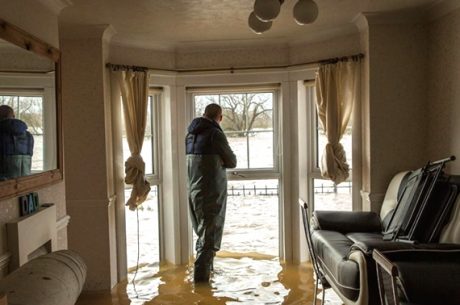
- Water pooling on floors
- Sudden drop in water pressure
- Sounds of rushing water in walls
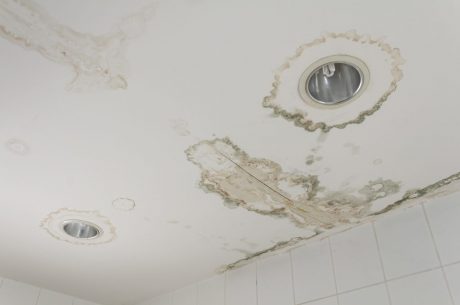
- Bulging ceilings
- Major appliance hose failure
Act first. Investigate second.
After You Shut It Off — What Next?
Stopping the water is only step one.
Next:
- Remove standing water if safe
- Move furniture and valuables
- Document damage with photos
- Call restoration professionals
Even small leaks can cause hidden damage behind walls and under flooring.

Hidden Damage Most Homeowners Miss
Water doesn’t stay where you see it. It travels:
- Under tile
- Behind baseboards
- Through insulation
- Into structural framing
Without proper drying equipment, moisture lingers and leads to:
- Warped wood
- Musty odors
- Mold growth
- Structural weakening
That’s why professional water damage cleanup matters.
FAQs on How to Locate Water Shut Off Valve
How long does it take to shut off the main valve?
Usually under 30 seconds once you know where it is.
Is the water meter valve the same as the house valve?
Not always. Many homes have both a city-side valve and a homeowner-side valve.
Should tenants know where it is?
Yes. Everyone responsible for the property should know.
Can shutting off water damage my plumbing?
No. It’s safe and often necessary during emergencies.
What if I live in a condo?
Contact building management if you can’t find your unit’s shut-off.
The Cost of Waiting Too Long
A minor leak can cause:
- Thousands in flooring damage
- Electrical hazards
- Cabinet replacement
- Insurance complications
Preparation costs nothing. Cleanup can cost a lot.
Learning how to locate water shut off valve is one of the simplest ways to protect your investment.
Professional Water Damage Help in Coral Gables
If you’ve had a leak or flooding incident, acting fast makes all the difference.
PuroClean of Coral Gables specializes in:
- Emergency water extraction
- Structural drying
- Dehumidification
- Mold prevention
- Full restoration services
Our team responds quickly, uses advanced drying technology, and works directly with insurance providers to make the process easier for you.
When water damage strikes, speed matters. The faster moisture is removed, the less damage spreads.
Final Summary
Now you know exactly how to locate water shut off valve in your home. Start near the water meter, check the garage or basement, follow the incoming pipe, identify the main valve type, test it safely, and label it clearly.
This small step can prevent massive damage during plumbing emergencies.
And if water has already entered your home, don’t handle it alone. Professional water damage cleanup ensures your property is fully dried, restored, and protected from long-term issues.


 PuroClean of Coral Gables