 PuroClean of Coral Gables
 Table of Contents

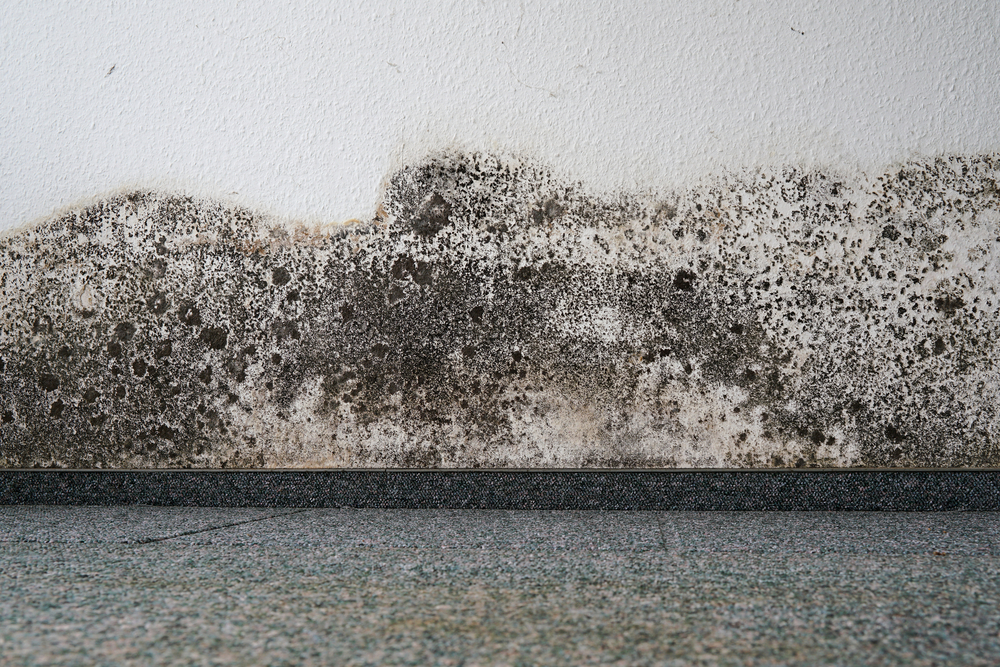
Black mold is a homeowner’s worst nightmare. It spreads quickly, damages property, and can cause serious health problems. If you live in Coral Gables, Florida, where humidity levels are high, preventing black mold is even more critical.
The good news? You can take proactive steps to stop mold before it starts. In this guide, we’ll explore practical ways to prevent black mold from growing in your home and keep your living space safe and healthy.
What Causes Black Mold to Grow?
Mold thrives in damp, humid, and poorly ventilated areas. It only takes 24 to 48 hours for mold spores to settle and multiply if moisture is present. Here’s what creates the perfect conditions for mold:
- High humidity (above 60%)
- Water leaks from pipes, roofs, or walls
- Poor ventilation in bathrooms, kitchens, and basements
- Flooding or water damage
- Condensation buildup on windows and AC vents
If any of these issues sound familiar, it’s time to take preventive action before mold takes over your home.
How to Prevent Black Mold from Growing in Your Home
1. Control Indoor Humidity Levels
Florida’s humid climate makes it easy for mold to thrive. Keep indoor humidity between 30-50% by:
1, Using dehumidifiers in damp areas
2. Running air conditioners to reduce moisture
3. Keeping windows open (when weather permits) for better airflow
4. Using hygrometers to monitor humidity levels
If you notice excess moisture, act fast! The longer it sits, the greater the risk of mold.
2. Fix Leaks Immediately
A small leak may not seem like a big deal, but it creates a perfect breeding ground for mold. Regularly inspect:
- Pipes under sinks
- Roofs and ceilings
- Window seals
- Water heaters
- AC units
Fix any leaks immediately to prevent hidden moisture buildup.
3. Improve Ventilation
Good airflow is key to preventing mold. Here’s how to improve ventilation in your home:
- Turn on exhaust fans in bathrooms and kitchens
- Open doors and windows to promote circulation
- Use ceiling fans to keep air moving
- Avoid blocking air vents with furniture
Mold loves stagnant air, so keeping rooms well-ventilated makes it harder for spores to settle.
4. Dry Wet Areas Quickly
Mold can’t grow without moisture. If something gets wet, dry it within 24-48 hours to prevent mold.
- After floods or leaks: Use fans and dehumidifiers to dry affected areas quickly.
- After showers: Wipe down walls, doors, and bathroom surfaces to prevent excess moisture.
- After spills: Clean and dry carpets, upholstery, and rugs immediately.
Standing water = black mold’s best friend. The faster you dry wet areas, the less chance mold has to grow.
5. Clean and Maintain Your HVAC System
Your HVAC system can either help prevent or spread mold. To keep it working in your favor:
- Change air filters every 1-2 months
- Clean air vents and ducts regularly
- Check for condensation buildup in ducts and coils
- Schedule professional HVAC maintenance at least once a year
A well-maintained HVAC system filters out moisture and prevents mold spores from spreading.
6. Use Mold-Resistant Products
If you’re remodeling or repairing your home, consider using mold-resistant materials, such as:
- Mold-resistant drywall (ideal for bathrooms and basements)
- Mold-resistant paint (adds an extra layer of protection)
- Moisture-resistant insulation for attics and walls
These products reduce the risk of mold and provide long-term protection.
7. Regularly Inspect High-Risk Areas
Some areas are more prone to mold than others. Regularly check:
- Under sinks and cabinets
- Behind appliances (washing machines, dishwashers, refrigerators)
- Basements and attics
- Bathrooms and showers
If you see dark spots, a musty smell, or peeling paint, black mold may already be present.
FAQs About Black Mold Prevention
1. What are the first signs of black mold?
Common signs include musty odors, dark spots on walls or ceilings, and increased allergy symptoms like coughing, sneezing, or skin irritation.
2. Can black mold grow inside walls?
Yes. If water leaks behind drywall or insulation, the mold can grow undetected for months. That’s why regular home inspections are crucial.
3. Does bleach kill black mold?
Bleach may remove surface mold, but it doesn’t kill mold growing beneath surfaces. Professional remediation is the best solution for long-term removal.
4. How often should I check my home for mold?
At least twice a year—especially before and after Florida’s rainy season.
5. When should I call a professional for black mold removal?
If mold covers more than 10 square feet, keeps coming back, or causes health issues, call a mold remediation expert immediately.
Need Help Removing Black Mold? Call PuroClean of Coral Gables!

Even with the best prevention methods, black mold can still find a way into your home. If you notice signs, don’t wait—mold spreads fast and can cause severe property damage.
At PuroClean of Coral Gables, we specialize in:
✅ Mold inspection and testing
✅ Professional mold remediation
✅ Water damage restoration
✅ HVAC and air duct cleaning
Our certified experts use advanced technology to detect and remove black mold safely and effectively—so you can breathe easy.
Call PuroClean of Coral Gables today at for mold assessment and remediation!


 PuroClean of Coral Gables