 PuroClean of Coral Gables
Mold growth can occur anywhere in a home, including your closets. Moisture accumulation in these enclosed spaces creates the perfect environment for mold spores to thrive. Preventing mold growth in closets is primarily about keeping the space dry, well-ventilated, and free of materials that feed mold. Below are expert tips to help you stop mold growth before it becomes a serious problem.
Keep Clothes Dry Before Storing
One of the main causes of mold growth in closets is damp clothing. Always ensure that clothes are completely dry before placing them in your closet. Even slightly damp items can encourage mold to grow rapidly.
Store Only Clean Items
Dirty clothes and other items can serve as food for mold. For effective mold growth prevention, store only clean clothes and belongings in your closets. This reduces the nutrients available for mold spores to thrive.
Allow Proper Air Circulation
Closets packed tightly with clothes or items trap moisture, which encourages mold growth. Avoid overstuffing shelves or hangers. Leave adequate space between items to allow air to circulate freely. Consider installing plastic-coated wire shelving instead of solid wood or metal shelves, as wire shelving allows better airflow.
Use Breathable Storage Options
Avoid storing clothes in sealed containers like plastic tubs, which can trap humidity and accelerate mold growth. Instead, opt for breathable storage solutions such as cotton garment bags or fabric bins that allow air to circulate.
Keep Items Off the Closet Floor
The floor of a closet is often cooler and prone to moisture. Storing items directly on the floor can create a damp environment, promoting mold growth. Use shelving or elevated storage solutions to keep items off the ground.
Improve Ventilation
Air circulation is crucial for mold growth prevention. If possible, leave closet doors open. Replace solid doors with louvered doors to improve airflow. Avoid opening closets in high-humidity areas, such as bathrooms or kitchens, when moisture levels are high.
Use Heat and Light
Placing a low-wattage light bulb in the closet can help prevent growth by reducing humidity. The gentle heat from the bulb dries the space and clothing, but make sure it is positioned safely away from flammable materials.
Regular Cleaning and Maintenance
Periodically empty, clean, and dry your closets thoroughly. Regular maintenance removes dust, debris, and lingering moisture that could contribute to its growth.
Control Indoor Humidity
If your home has high humidity, use an air conditioning unit or dehumidifier to maintain optimal moisture levels. Keeping indoor humidity below 50% significantly reduces the risk of growth.
Address Musty Smells Immediately
A musty smell in a closet is a warning sign of potential growth. Remove affected items, identify the moisture source, and clean the area thoroughly. For clothing with a musty odor, follow proper cleaning methods to remove the smell and prevent mold recurrence.
Professional Mold Remediation
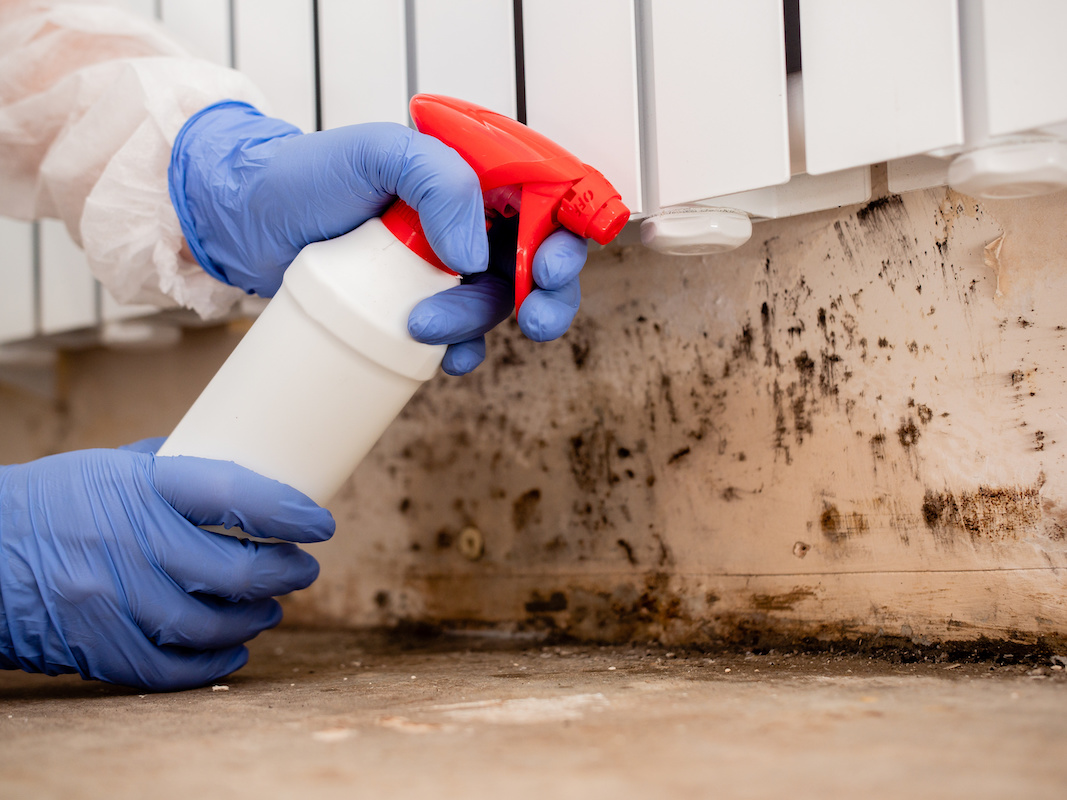
Mold on wood and other surfaces can be difficult to remove completely. If you detect persistent mold growth in your closets or other areas, contact professionals for mold remediation. Experts, like PuroClean of Coral Gables, can safely eliminate mold and repair any water damage, ensuring your home stays safe and healthy.
By following these tips consistently, you can significantly reduce mold growth in your closets, protecting both your belongings and your home’s indoor air quality.
Frequently Asked Questions About Mold Growth in Closets
What causes mold growth in closets?
The growth in closets is usually caused by moisture, poor ventilation, and storing damp or dirty clothes. High humidity levels in the home can also contribute to mold formation in enclosed spaces.
How can I prevent mold growth in my closet?
To prevent growth, keep clothes dry before storing, use breathable storage solutions, allow proper air circulation, and control indoor humidity with a dehumidifier or air conditioning.
Does packing clothes too tightly cause mold growth?
Yes, overcrowding your closet limits airflow and traps moisture, creating ideal conditions for mold. Leave space between items and consider wire shelving to improve ventilation.
Can a light bulb help prevent mold growth in closets?
Yes, a low-wattage light bulb generates gentle heat that helps reduce moisture, slowing growth. Ensure the bulb is safely positioned away from flammable items.
Are plastic storage containers bad for preventing mold growth?
Plastic containers can trap humidity and promote growth. Using breathable storage solutions, like cotton bags or fabric bins, allows air circulation and helps keep items dry.
What should I do if I detect mold growth in my closet?
If you notice mold, remove affected items, clean the surfaces with a suitable mold remover, and dry the area completely. For persistent or large-scale mold, contact a professional remediation service.
How does indoor humidity affect mold growth in closets?
High indoor humidity encourages growth by keeping surfaces damp. Maintaining humidity below 50% and using dehumidifiers or air conditioning helps prevent mold from developing in closets.
Can mold growth damage my clothes?
Yes, mold growth can stain fabrics, create unpleasant odors, and weaken fibers over time. Prompt cleaning and drying of affected clothing are essential to prevent permanent damage.
Is professional help necessary for mold growth in closets?
For minor mold, cleaning at home may suffice. However, persistent or widespread growth requires professional remediation to ensure complete removal and prevent future recurrence.
How often should I inspect closets for mold growth?
Regular inspections every few months are recommended. Checking closets for dampness, musty odors, or visible mold helps detect growth early and allows timely preventive action.



 PuroClean of Coral Gables