 PuroClean of Coral Gables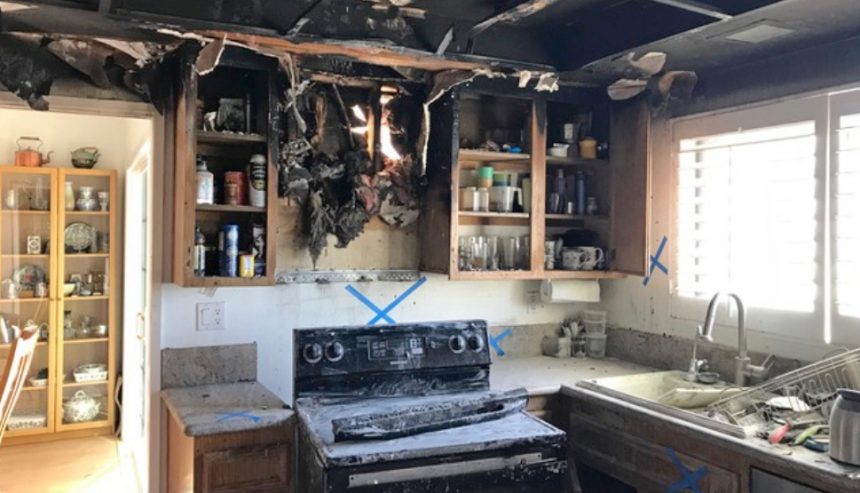
Table of Contents
Kitchen fire damage is one of the most stressful and dangerous emergencies a homeowner or business owner can face. Even when the flames are small or quickly contained, the damage left behind—smoke residue, grease soot, water saturation, and structural weakening can spread far beyond the kitchen itself.
What should you do immediately after a kitchen fire? Ensure everyone is safe, avoid re-entering the space until cleared, prevent further damage, document everything for insurance, and contact a professional fire damage restoration company as soon as possible. Acting fast reduces long-term damage, health risks, and repair costs.
This guide walks you through exactly what to do step by step, explains common mistakes to avoid, and shows how professional cleanup helps restore your home or business safely.
Why Kitchen Fires Cause More Damage Than You Expect
Kitchen fires often involve grease, oils, plastics, and electrical components. When these materials burn, they create heavy soot and toxic smoke that spreads rapidly through walls, cabinets, and HVAC systems.
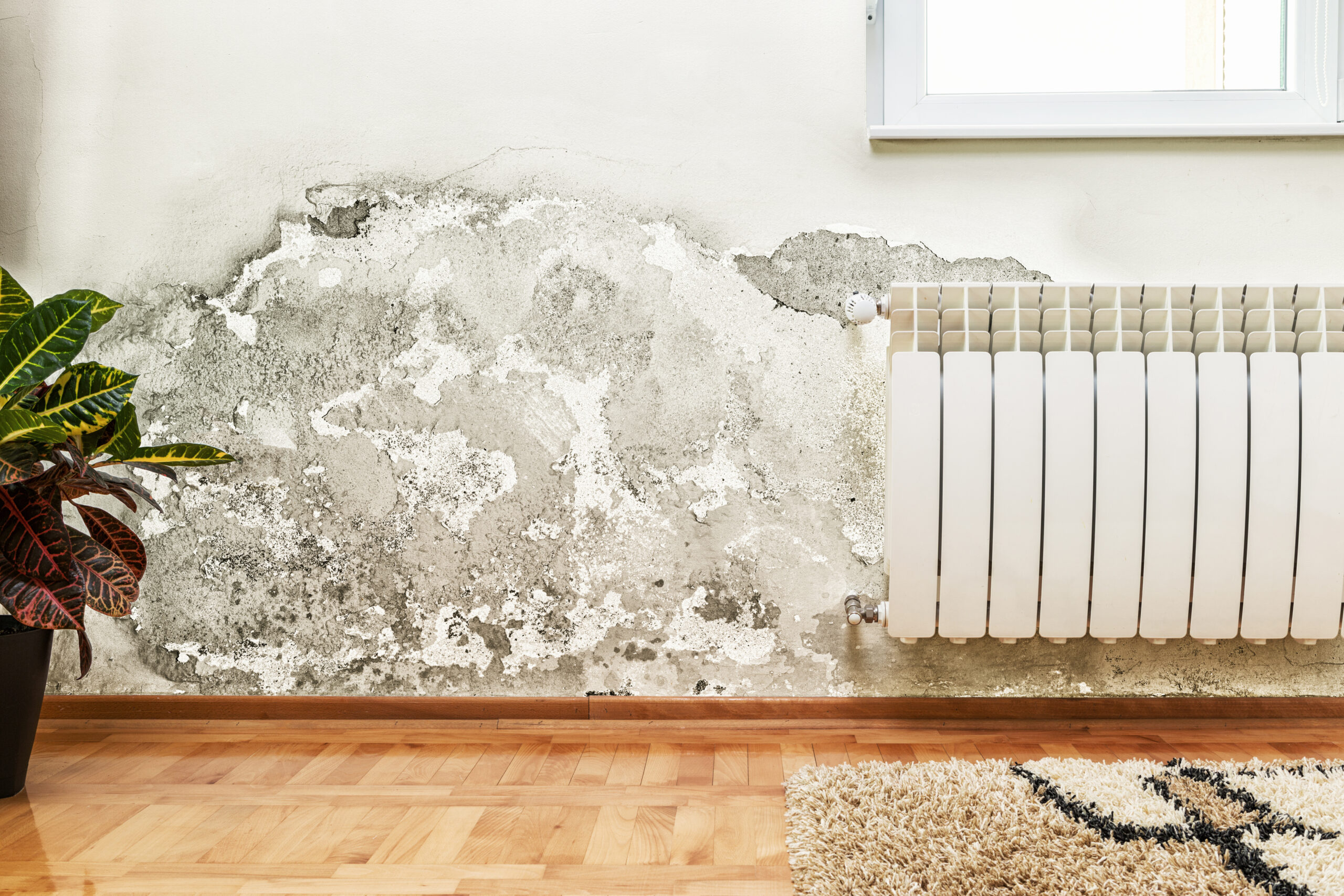
Even after the fire is out, damage continues if not handled correctly. Acidic soot can corrode surfaces, smoke odors can become permanent, and moisture from firefighting efforts can lead to mold growth.
That’s why kitchen fires require immediate and professional attention, not surface cleaning or waiting it out.
What to Do Immediately After Kitchen Fire Damage
1. Make Sure Everyone Is Safe
Your first priority is safety. If there’s any risk of re-ignition, structural instability, or lingering smoke, stay out until authorities say it’s safe.
Avoid turning utilities back on until professionals inspect the area.
2. Do Not Attempt DIY Cleanup
It’s tempting to wipe soot or open windows, but this often makes things worse. Incorrect cleaning can smear soot deeper into surfaces or permanently set smoke odors.
Professional restoration teams use specialized methods designed specifically for fire-related residues.
3. Ventilate Only If Safe
If the fire department confirms it’s safe, light ventilation may help reduce lingering smoke. However, avoid running HVAC systems, they can spread contamination throughout your property.
4. Prevent Secondary Damage
Firefighting water can soak cabinets, walls, and floors. If left untreated, this moisture can cause warping, swelling, and mold growth. Early water extraction and structural drying are essential to protecting your property.
5. Document Everything for Insurance
Before cleanup begins:
- Take photos and videos
- Make a list of damaged items
- Keep receipts for emergency expenses
This documentation is crucial for insurance claims and speeds up the recovery process.
6. Secure the Property
If windows, doors, or walls were compromised, secure the area to prevent further damage or unauthorized entry. Many restoration companies offer emergency board-up services for this reason.
7. Understand What Was Affected
Kitchen fires rarely stay contained. Smoke and soot can:
- Travel into adjacent rooms
- Settle inside cabinets and drawers
- Contaminate appliances
- Affect indoor air quality
A professional inspection identifies damage you can’t see but shouldn’t ignore.
8. Avoid Using Damaged Appliances
Heat and smoke can compromise wiring and internal components. Using affected appliances too soon can be dangerous and may cause future electrical issues.
Let professionals determine what can be safely restored versus replaced.
9. Call a Professional Fire Damage Restoration Company
This is the most important step. Professional restoration ensures:
- Proper soot and smoke removal
- Odor elimination at the source
- Structural drying and sanitization
- Safe restoration of affected areas
Early intervention significantly reduces overall repair costs and recovery time.
Common Mistakes After a Kitchen Fire
Many property owners unintentionally worsen the situation by:
- Cleaning soot with household products
- Waiting too long to call professionals
- Running air conditioners or fans
- Throwing away items that could be restored
These mistakes can lead to higher costs and long-term damage.
How Professional Restoration Makes a Difference
Professional restoration goes far beyond cleaning visible damage. It includes:
- Specialized soot removal techniques
- Deodorization using advanced equipment
- Moisture detection behind walls and cabinets
- Sanitization to protect indoor air quality
This comprehensive approach restores both safety and comfort.
FAQs About Kitchen Fire Damage
How serious is smoke damage after a small kitchen fire?
Smoke damage can be extensive even if flames were minor. Smoke particles spread quickly and penetrate porous materials.
Is kitchen fire damage covered by insurance?
Most homeowner and commercial policies cover fire and smoke damage, but documentation and prompt reporting are key.
Can smoke odor come back later?
Yes. If odors aren’t treated properly, they can resurface weeks or months later, especially in humid environments.
How long does restoration usually take?
Timelines vary depending on severity, but early action often shortens the process significantly.
Is it safe to stay in the home after a kitchen fire?
That depends on air quality, soot levels, and structural integrity. A professional assessment provides clarity.
Recovering the Right Way
Kitchen fire damage doesn’t end when the flames go out. Smoke residue, moisture, and structural risks can continue to affect your home or business long after the incident.
The best next step? Act fast and act smart.
Professional restoration protects your property, your health, and your peace of mind.
Trusted Kitchen Fire Damage Cleanup in Coral Gables
At PuroClean of Coral Gables, we specialize in Kitchen fire damage cleanup and restoration, helping homeowners and businesses recover quickly and safely.
Our team provides:
- 24/7 emergency response
- Advanced smoke and soot removal
- Odor elimination
- Insurance claim support
If your kitchen has been affected by fire or smoke, don’t wait. Contact PuroClean of Coral Gables today and let our experienced team restore what matters most.
 PuroClean of Coral Gables