 PuroClean of Coral Gables
Table of Contents
Mold detection is one of the most important steps homeowners can take to protect their property and health, and the good news is that you don’t always need a test kit to spot a potential problem.
In this guide, you’ll learn how to identify early mold warning signs using your senses, what moisture clues to look for, and when it’s time to bring in certified professionals for confirmation and safe remediation. If you live in a humid, storm-prone area like Coral Gables, early action can save you thousands in repairs.
Can You Detect Mold Without a Test Kit?
Yes. Mold detection can often begin without a test kit by paying close attention to musty odors, visible discoloration, ongoing moisture issues, and unexplained health symptoms. While these signs don’t replace professional inspection, they are strong indicators that mold may be present and should not be ignored.
Why Early Mold Detection Matters
Mold doesn’t usually appear overnight. It grows quietly after water intrusion, leaks, or prolonged humidity. The earlier you recognize the warning signs, the easier—and less expensive—it is to fix the problem.
Delayed detection can lead to:
- Structural damage to walls, floors, and ceilings
- Damage to furniture, clothing, and personal belongings
- Poor indoor air quality
- Increased remediation costs
In South Florida’s climate, mold growth can begin within 24–48 hours after moisture exposure.
1. Musty or Earthy Smells You Can’t Explain
One of the most common clues homeowners notice first is odor.
A persistent musty, damp, or earthy smell, especially in bathrooms, closets, basements, or near HVAC vents often points to hidden mold growth. Even if you don’t see anything yet, odor is a strong early indicator.
Tip: If the smell gets stronger after rain or when the AC runs, moisture-related mold may be present.
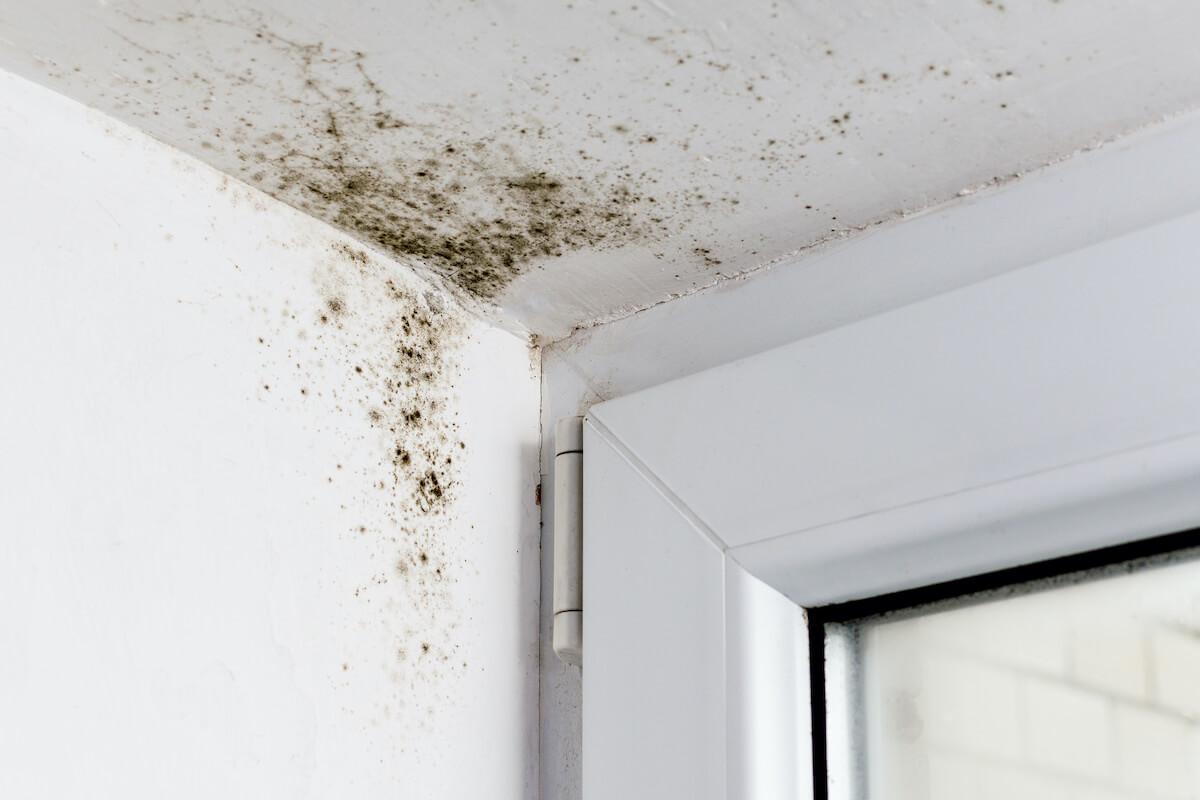
2. Visible Discoloration on Surfaces
Visual signs are another major part of early mold detection.
Look for:
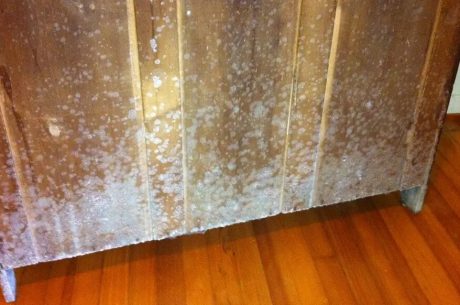
- Black, green, brown, or white spots
- Stains that spread slowly over time
- Fuzzy or slimy textures
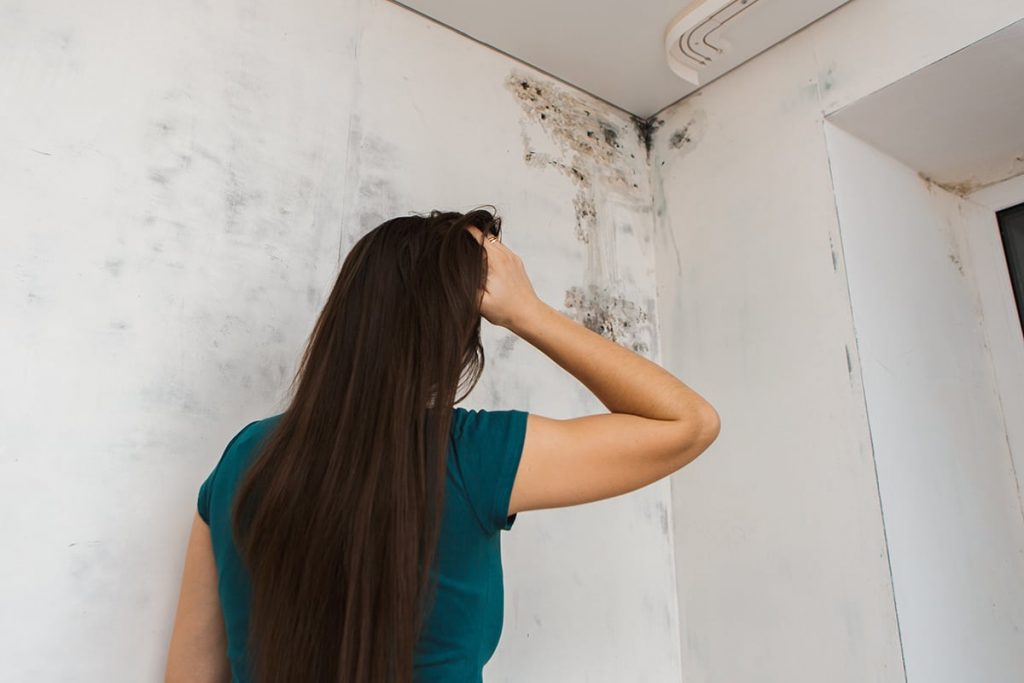
Mold commonly appears on drywall, ceilings, baseboards, under sinks, around windows, and near air vents. Not all discoloration is mold, but recurring stains especially in damp areas, should raise concern.
3. Moisture Problems That Never Fully Go Away
Mold needs moisture to survive. If your home has ongoing moisture issues, mold risk is high.
Watch for:
- Water stains that return after cleaning
- Condensation on windows or walls
- Peeling paint or bubbling drywall
- Warped wood or flooring
Even small leaks behind walls or under flooring can create ideal mold conditions without obvious flooding.
4. Recent Water Damage or Flooding
Any past water event increases the chance of hidden mold growth.
This includes:
- Roof leaks
- Plumbing leaks
- Appliance overflows
- Storm or flood damage
If drying wasn’t completed properly within the first few days, mold growth may already be underway even if surfaces look dry now.
5. HVAC and Ventilation Red Flags
Your HVAC system can both hide and spread mold.
Warning signs include:
- Musty smells when the system turns on
- Excessive dust buildup near vents
- Visible staining around air registers
Because HVAC systems circulate air throughout the home, mold in ducts can impact indoor air quality quickly.
6. Unexplained Health Symptoms Indoors
While not a diagnostic tool, health reactions can support early mold detection concerns.
Some people experience:
- Frequent sneezing or coughing indoors
- Watery eyes or nasal congestion
- Headaches or fatigue that improve when leaving home
If multiple household members notice symptoms, especially after moisture events, professional inspection is recommended.
7. Areas Mold Loves to Hide
Mold often grows where homeowners rarely look.
Common hidden areas include:
- Behind drywall
- Under carpets or padding
- Inside cabinets under sinks
- Attics and crawl spaces
- Around washing machines and water heaters
If your home has a history of leaks in these areas, inspection is critical.
Why DIY Mold Checks Have Limits
While basic observation helps, DIY methods have serious limitations.
You cannot:
- Identify mold type accurately
- Measure contamination levels
- Confirm spread behind walls
- Ensure safe removal
Disturbing mold without proper containment can actually spread spores and worsen the problem.
When to Call Professionals for Confirmation
You should contact a certified restoration team when:
- Odors persist without explanation
- Discoloration keeps returning
- Moisture issues continue
- Water damage occurred recently
- Health symptoms appear indoors
Professional inspection provides clarity, safety, and proper remediation planning.
How Professionals Confirm Mold Safely
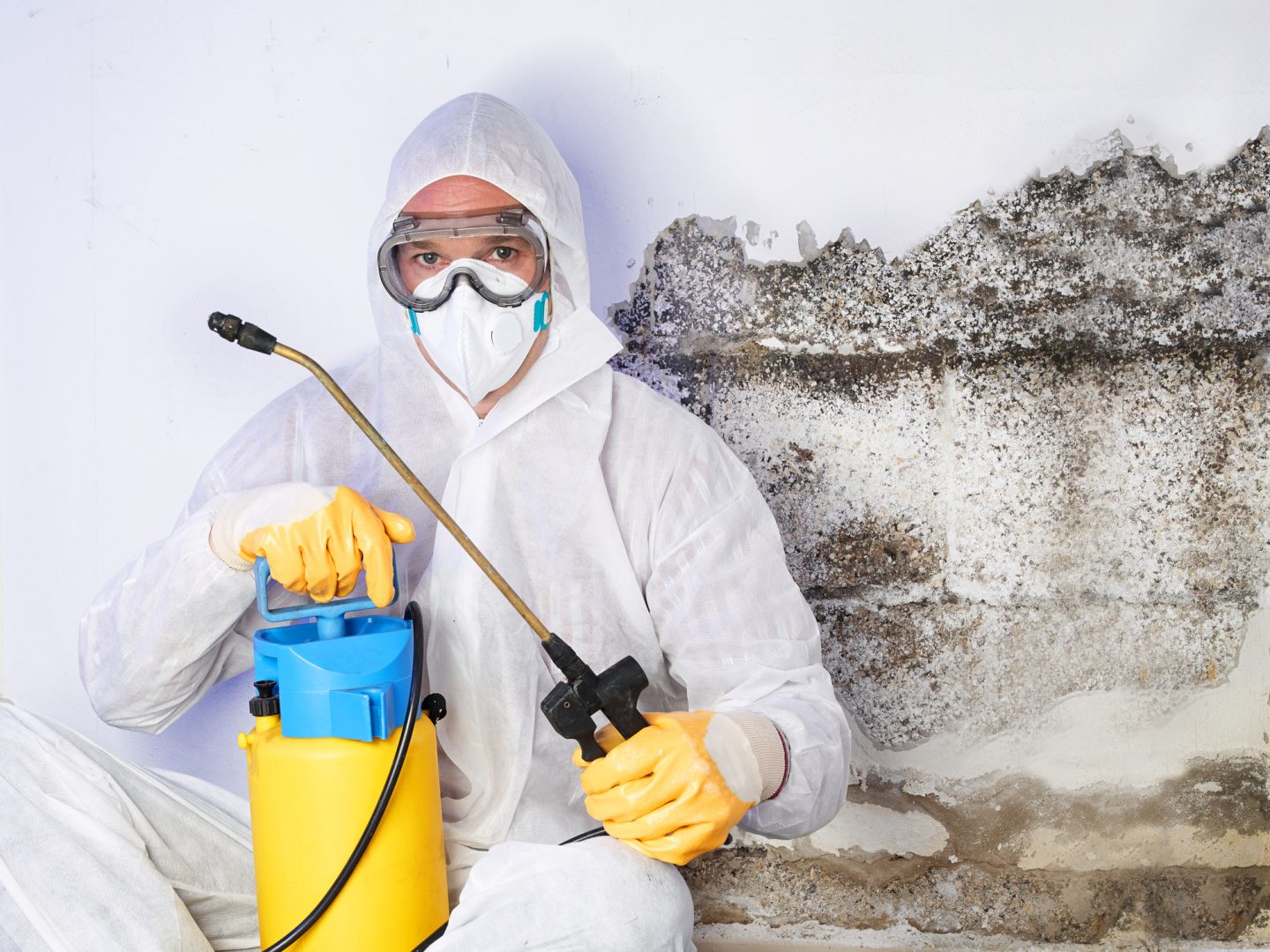
Certified experts use advanced tools such as:
- Moisture meters
- Thermal imaging
- Containment systems
- Industry-approved remediation protocols
This ensures accurate identification and prevents cross-contamination during removal.
FAQs: Mold Detection Without a Test Kit
Can mold be present even if I can’t see it?
Yes. Mold frequently grows behind walls, under floors, and inside HVAC systems.
Is bleach effective for mold removal?
Bleach may remove surface staining but does not eliminate mold roots or prevent regrowth.
How fast does mold grow after water damage?
Mold can begin growing within 24–48 hours in humid conditions.
Do all homes with mold smell musty?
No. Some mold growth produces little to no odor, especially when hidden.
Should I test before calling professionals?
Testing alone doesn’t solve the problem. Professional inspection ensures accurate detection and safe remediation.
Final Summary: What Homeowners Should Remember
Mold detection without a test kit is possible when you pay attention to odors, discoloration, moisture issues, and changes in indoor comfort. These early signs help homeowners act before damage spreads.
However, confirmation and removal should always be handled by trained professionals to protect both property and health.
Professional Mold Remediation in Coral Gables
If you suspect mold in your home, PuroClean of Coral Gables is here to help. Our certified team specializes in professional mold inspection, containment, and remediation using industry-approved methods designed for South Florida homes.
We don’t just remove mold, we help prevent it from coming back.
Contact PuroClean of Coral Gables today for expert mold remediation and peace of mind.


 PuroClean of Coral Gables