 PuroClean of Coral Gables
Table of Contents
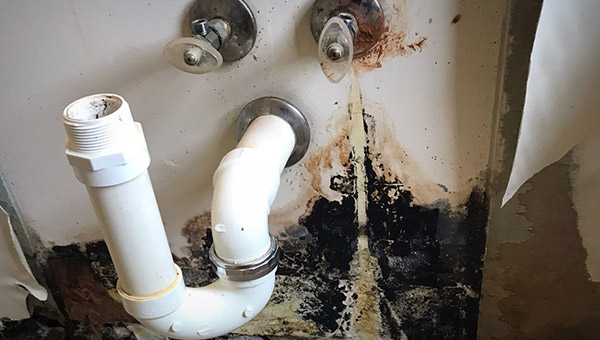
Mold in Cabinets under sinks is a common problem that many homeowners don’t notice until the damage is already done. If you’ve opened your kitchen or bathroom cabinet and smelled something musty or spotted dark stains along the wood, you’re not alone.
Mold grows under sink cabinets because of hidden leaks, condensation, poor airflow, and South Florida’s high humidity. Stopping it requires fixing moisture issues, proper drying, and when the problem is established—professional mold remediation.
This guide breaks down 7 key reasons mold develops under sinks, how to prevent it from coming back, and when it’s time to bring in professionals.
Why Mold Under Sink Cabinets Is So Common
Under-sink cabinets create a perfect storm for mold growth. They’re dark, enclosed, and often exposed to moisture from plumbing systems. Even a slow drip can quietly soak cabinet materials and feed mold for weeks.
In humid climates like Coral Gables, moisture doesn’t evaporate easily. Instead, it lingers—especially behind stored items, cleaning supplies, and cabinet panels.
7 Reasons Mold in Cabinets Under Sinks Grows
1. Slow or Hidden Plumbing Leaks
Small leaks from drain pipes, supply lines, or fittings often go unnoticed. Over time, moisture seeps into wood and backing materials, creating ideal conditions for mold.
2. Condensation on Cold Water Pipes
Cold pipes can sweat when warm, humid air hits them. That condensation drips directly into cabinets, keeping surfaces damp even when there’s no leak.
3. Poor Ventilation
Cabinets stay closed most of the time. Without airflow, moisture gets trapped and never fully dries.
4. Past Water Damage That Wasn’t Properly Dried
A past spill, overflow, or minor flood may have been cleaned but not dried thoroughly. Residual moisture often leads to hidden mold growth.
5. Porous Cabinet Materials
Wood, particle board, and MDF absorb moisture easily. Once mold gets inside these materials, surface cleaning won’t solve the problem.
6. High Indoor Humidity
South Florida homes naturally experience higher humidity levels. Without proper dehumidification, moisture accumulates inside cabinets.
7. Delayed Repairs
Many homeowners postpone plumbing repairs or cabinet replacement, giving mold more time to spread and worsen.
Warning Signs You Shouldn’t Ignore
Mold isn’t always visible at first. Often, the earliest clues are subtle.
Look out for:
- A musty smell when opening cabinets
- Dark or greenish discoloration
- Warped or soft cabinet floors
- Bubbling or peeling finishes
- Allergy symptoms that worsen indoors
If these signs persist, mold is likely growing beyond what you can see.
Is Mold Under Sink Cabinets Dangerous?
Yes. Mold releases spores into the air, which can affect indoor air quality and trigger health symptoms especially in children, seniors, and those with respiratory conditions.
Beyond health concerns, mold can weaken cabinet structures and spread into walls or flooring if left untreated.
Why DIY Cleaning Rarely Works Long-Term
Many homeowners try bleach or store-bought cleaners. While this may remove surface stains, it doesn’t address moisture trapped inside cabinet materials.
Common DIY Mistakes:
- Cleaning without fixing the leak
- Ignoring hidden mold behind panels
- Failing to dry affected areas completely
- Spreading spores during cleaning
This is why mold often returns weeks or months later.
How to Stop Mold Growth Under Sink Cabinets
1. Fix Moisture Issues Immediately
Repair leaks, replace damaged pipes, and address condensation problems as soon as they’re discovered.
2. Improve Airflow
Occasionally leave cabinet doors open and avoid over-stuffing storage areas.
3. Control Indoor Humidity
Use dehumidifiers and ensure proper bathroom and kitchen ventilation.
4. Inspect Cabinets Regularly
Monthly checks can catch small problems before they become expensive ones.
When Professional Mold Removal Is Necessary
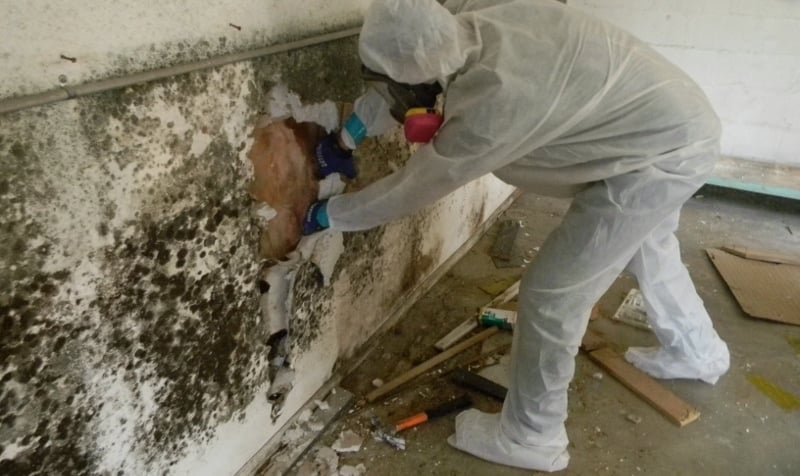
If mold has spread into cabinet materials, walls, or surrounding structures, professional remediation is the safest option.
Professional services go beyond cleaning by:
- Identifying moisture sources
- Containing mold to prevent spread
- Removing contaminated materials safely
- Drying affected areas thoroughly
- Preventing future growth
Mold in Cabinets and South Florida Homes
Homes in Coral Gables face unique challenges—high humidity, frequent rain, aging plumbing, and storm-related water damage. Mold behaves differently here than in drier climates, which is why local experience matters.
FAQs About Mold in Cabinets Under Sinks
Can mold under sink cabinets spread to other areas?
Yes. Spores can travel through the air and affect nearby rooms.
Is cabinet mold covered by homeowners insurance?
Coverage depends on the cause. Sudden leaks are more likely covered than long-term issues.
How long does professional mold remediation take?
Most projects take 1–3 days, depending on severity and drying needs.
Can I just replace the cabinet?
Replacing cabinets without addressing hidden mold can allow it to continue growing behind walls.
Is it safe to stay home during mold removal?
In most cases, yes—when proper containment methods are used.
Trusted Mold Removal in Coral Gables
If you’re dealing with Mold in Cabinets, professional help can prevent costly repairs and ongoing health concerns.
PuroClean of Coral Gables provides expert mold inspection, removal, and moisture control tailored to South Florida homes. Our team understands local conditions, insurance processes, and how to stop mold at the source, not just on the surface.
Contact PuroClean of Coral Gables today to schedule a professional mold evaluation.
Final Summary
Mold in Cabinets under sinks grows because moisture goes unnoticed and untreated. While early prevention helps, established mold requires professional mold remediation to fully resolve the problem. Acting quickly protects your home, your health, and your investment.
If you suspect mold, don’t wait—it only gets worse with time.


 PuroClean of Coral Gables