 PuroClean of Coral Gables
Table of Contents
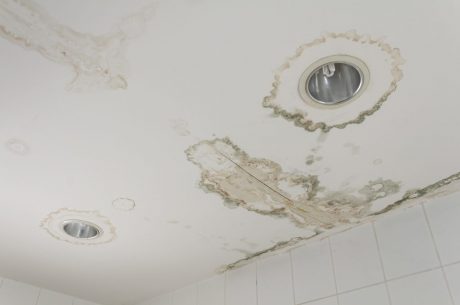
Have you ever found mold in your garage? Mold thrives in humid environments that have little ventilation and sunlight. It doesn’t take long for mold to grow on organic material like cardboard or drywall if these conditions are met. Garages are typical havens for mold unless homeowners take proper steps to reduce moisture. But fret not. You can avoid the growth of mold in your garage by taking simple measures.

Tips For Preventing Mold In Your Garage
- Check your garage for leaks. Inspect the areas in your garage, such as the roof, floor, gutters, and pipes, to ensure that they are in good condition. Fix any cracks and damage you find immediately.
- Seal and insulate your garage door. To weather-proof your garage, it’s important to properly seal and insulate your garage door. Replace torn, ragged or crumbling weather stripping immediately. In addition, check the bottom seal for elasticity, shrinkage, and wear. As for insulation, a pre-insulated garage door panel has a much higher R-value (the measure of how well an object resists conductive flow of heat).
- Decrease humidity. Since garages can attract a lot of moisture due to being exposed more to the elements, it may have a high humidity (over 50%) that allows mold to grow. To control humidity levels, provide proper ventilation using vents and fans, and let sunlight in for a couple of hours daily. Also, use a dehumidifier to lower the moisture level.
- Install waterproof walls. If you’re building a new garage or remodeling an old one, choose mold- resistant drywall, as well as waterproof paint on walls and concrete. Alternatively, use pre-coated aluminum or vinyl siding for better protection against water and mold.
- Remove standing water. Pooling water in garages may come from various sources, such as outside precipitation, snow-covered tires, or even washing your car. Remove any standing water with a squeegee or mop and dry the area quickly to prevent mold growth.
- Have proper drainage. A garage floor drainage system is essential to avoiding water damage and flooding in the garage. Make sure your garage has drainage in addition to a proper floor slope that diverts water away from your garage.
- Extend gutter downspouts. Gutters and downspouts are your home and garage’s first line of defense against precipitation. To prevent moisture buildup around your garage, ensure your downspouts extend at least 10 feet away from the garage foundation. Also, keep the gutters clean and well-maintained throughout the year.
- Use waterproof containers. Water, and thus mold, is attracted to cardboard, paper, drywall, and other porous materials. To help avoid mold in your garage, use sturdy, plastic totes instead of cardboard storage boxes. Plastic provides better protection to contents and is not a source of mold food.
- Reduce plant growth around your garage. Shrubs or plants may look nice, but they collect moisture and may cause leaks in your garage. So keep them at a safe distance away from your garage walls and windows.
Frequently Asked Questions About Mold in Your Garage
What causes mold in your garage?
Mold in your garage is usually caused by excess moisture from leaks, poor ventilation, or humidity. Concrete floors and unsealed walls can also trap moisture, creating the perfect environment for mold growth.
How can I tell if I have mold in my garage?
Common signs of mold in your garage include musty odors, dark or discolored spots on walls or floors, and visible fuzzy growth on stored items or wood. You might also notice increased allergy symptoms when spending time in the garage.
Can mold in your garage spread to the rest of the house?
Yes, mold in your garage can spread to your living spaces through air circulation, shared walls, or HVAC systems. It’s essential to remove it quickly to prevent structural damage and health risks.
What should I do first if I find mold in my garage?
If you discover mold in your garage, start by removing any damp items and improving ventilation. Use protective gear, clean affected areas with a mold-killing solution, and contact a professional if the infestation covers more than 10 square feet.
Is it safe to store items in a garage with mold?
No, storing items in a garage with mold can lead to contamination and damage. Mold spores can easily attach to fabrics, paper, or cardboard, ruining your belongings and spreading to other areas.
How can I prevent mold in your garage after heavy rain or flooding?
After any flooding or rain, dry the area thoroughly using fans or dehumidifiers. Check for leaks, seal cracks, and ensure proper drainage around your garage to prevent moisture buildup and mold growth.
Do I need professional help to remove mold in your garage?
If mold in your garage covers a large area or keeps returning, it’s best to call a certified mold remediation specialist. They can identify the source of moisture, safely remove mold, and prevent future outbreaks.
Contact PuroClean of Coral Gables For Mold Remediation Services
Mold will have a harder time growing when there’s less moisture in the garage. Follow these tips to keep mold at bay and enjoy a healthier home. For flood water damage repair and mold remediation services, contact us



 PuroClean of Coral Gables