 PuroClean of Coral Gables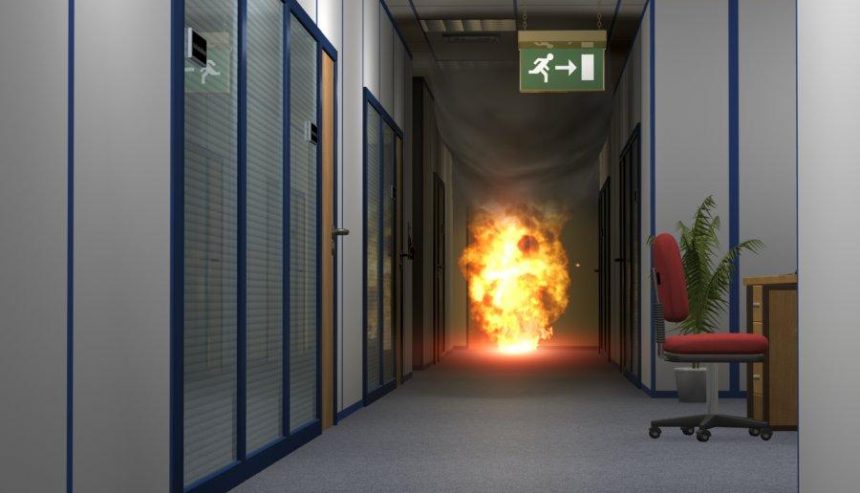
Table of Contents
An office fire can start without warning, disrupt operations, injure employees, and destroy property. Preparing your office for fire emergencies isn’t optional, it’s critical. This guide gives you five practical actions that boost fire readiness, protect lives, and reduce damage. By acting now, you strengthen your workplace fire safety culture and lessen the risk of costly office fire cleanup later.
In this post, you’ll learn actionable fire prevention steps, how to plan for emergencies, and what your responsibilities are as an employer or office manager. Let’s dive in.
Why Office Fire Readiness Matters
An office fire not only threatens lives but could halt your business and damage critical infrastructure. The U.S. Fire Administration reports thousands of office and store fires annually, leading to millions in property loss.
Fire prevention isn’t just about compliance, it’s about protecting your people and your livelihood.
1. Conduct Regular Risk Assessments and Inspections
The first step in office fire readiness is identifying fire hazards before they become emergencies.
What to Do
- Inspect electrical systems, outlets, wires, and cords for damage.
- Assess storage areas for flammable items like paper stacks, cleaning products, or unused materials.
- Ensure electrical outlets are not overloaded with extension cords.
Why It Matters
Many fires start with overheating wires or faulty equipment. Catching these issues early reduces fire risk and helps prevent emergencies before they start.
2. Establish and Maintain Effective Fire Detection Systems
Effective fire detection gives you precious seconds to react.
Key Steps
- Install smoke detectors and fire alarms throughout your office space.
- Test these systems regularly, including battery checks for alarms.
- Schedule professional maintenance at least annually.
What This Does
Early detection lowers the danger to employees and allows you to act quickly before fires grow out of control.
3. Train Employees and Practice Fire Drills
Training transforms panic into preparedness.
Training Essentials
- Teach employees how to recognize hazards and respond to alarm activation.
- Show everyone how to use fire extinguishers safely and when not to attempt fighting a fire.
- Run fire drills at least twice a year to ensure evacuation plans work.
Real Benefits
Regular drills and training build muscle memory, so employees know exactly what to do even under stress.
4. Keep Fire Escape Routes Clear and Marked
During an office fire, seconds count. Blocked exits can cost lives.
Your Checklist
- Clearly mark all exits with illuminated signs.
- Keep corridors and emergency paths free of boxes, furniture, or equipment at all times.
- Regularly review escape routes for accessibility.
Important Tip
Never prop open fire doors, these prevent the spread of smoke and flames during a fire.
5. Create and Practice a Clear Evacuation Plan
An evacuation plan ties everything together. It tells people what, when, and how to act in a fire.
Must-Haves
- A written Emergency Action Plan that details exit routes, assembly points, and who has specific roles.
- Fast contact procedures for fire services and key personnel.
- A way to account for all staff once evacuated.
Practice Makes Perfect
Your evacuation plan should be posted where employees can see it and reviewed after any changes to office layout or staffing.
Office Fire Readiness Checklist (Quick Reference)
- Conduct fire hazard inspections
- Install & test smoke detectors and alarms
- Train employees on fire safety
- Conduct regular fire drills
- Maintain clear escape routes
- Document and review evacuation plans
These steps create a safer office culture and significantly increase readiness if an office fire ever occurs.
Frequently Asked Questions (FAQs)
Q1. What causes most office fires?
Most office fires stem from electrical faults, overloaded outlets, or improperly stored materials. Regular inspections help catch these early.
Q2. How often should fire drills be done?
At a minimum, twice a year—more if your office has high turnover or complex layouts.
Q3. Do employees need training for fire extinguishers?
Yes — only employees trained in extinguisher use should attempt to fight small fires; otherwise, focus on evacuation.
Q4. Are fire escape routes legally required?
Yes, most jurisdictions require clearly marked, unobstructed exits as part of workplace safety codes. Regular checks ensure compliance.
Q5. How often should fire alarms be tested?
Monthly tests and annual professional inspections are best practice to ensure reliability.
Office Fire Readiness Saves Lives and Property
To answer the core question: office fire readiness actions like regular inspections, employee training, and clear evacuation plans aren’t just best practices, they save lives and protect your business.
By following the five essential actions above, your office will be better prepared for potential fire emergencies.
However, if an office fire ever damages your workspace, PuroClean of Coral Gables is here to help. Our trained restoration experts specialize in rapid response, thorough Office Fire cleanup, smoke and soot removal, and full property restoration so your business can return to normal sooner with minimal disruption. We help not just with cleanup, but with peace of mind.
Be prepared. Be protected. And reach out to PuroClean of Coral Gables if you need professional fire restoration support.



 PuroClean of Coral Gables