 PuroClean of Coral Gables
Table of Contents
If you’re renting, you may wonder: Does my renters insurance cover water damage? The short answer is: sometimes yes, sometimes no. It depends on the cause of the water damage, the type of policy you have, and how quickly you act. This post will explain everything you need to know about renters insurance water damage, including what is covered, what isn’t, common scenarios, how to file a claim, and when professional restoration is necessary. By the end, you’ll be able to protect your belongings and respond effectively if a leak or accident occurs.
What is Renters Insurance Water Damage?
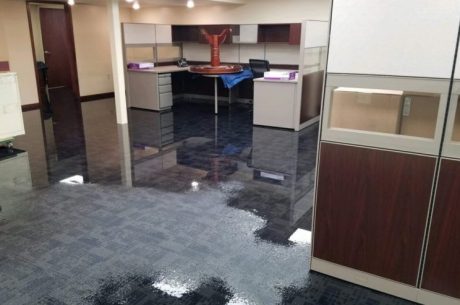
Renters insurance water damage refers to damage to your personal property caused by sudden and accidental water events in your rental unit. This could include:
- Burst pipes in your apartment
- Overflow from a washing machine, dishwasher, or toilet
- Leaks from appliances or plumbing issues that are sudden and unexpected
It’s important to note that this coverage typically does not include flood damage, long-term leaks, or damage caused by neglect. Renters insurance is primarily designed to protect your personal belongings, not the structure of the building itself—that responsibility usually lies with your landlord.
What Is Typically Covered
Here are common situations where renters insurance water damage coverage may apply:
- Sudden burst pipes – If a pipe unexpectedly bursts in your unit and damages your furniture, electronics, or clothing, your policy will likely cover the replacement of your items.
- Appliance overflow – Leaks from washing machines, water heaters, or toilets may be covered if they cause damage to your possessions.
- Temporary living expenses – If your unit becomes uninhabitable due to water damage, your policy may help cover hotel costs or alternative living arrangements.
- Personal property – This includes furniture, clothing, electronics, and sometimes valuable items if your policy allows.
Pro tip: Always check the limits of your policy. High-value items like jewelry, art, or collectibles may require additional coverage or a rider.
What Is Not Covered
While renters insurance can protect your belongings, there are some exclusions to be aware of:
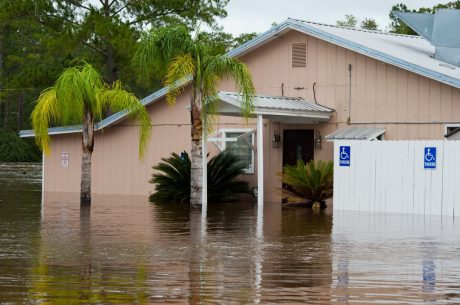
- Flooding from natural disasters – Rising rivers, heavy storms, and hurricane-related flooding are typically excluded. You would need separate flood insurance for this.
- Damage due to negligence – If the water damage results from long-term leaks, ignoring maintenance issues, or failing to report problems to your landlord, your claim may be denied.
- Building structure damage – Walls, floors, or plumbing repairs are usually the landlord’s responsibility. Renters insurance focuses on personal property, not the building itself.
Understanding these exclusions helps prevent surprises when you file a claim.
How to Determine If Your Policy Covers Water Damage
- Review your policy – Look at the “perils” section to see which types of water damage are included. Most standard policies cover sudden and accidental events.
- Check for exclusions – Flooding, sewer backup, and slow leaks are often excluded unless you purchase additional coverage.
- Endorsements or add-ons – You can often add extra protection for sewer backup, sump pump failures, or water damage from appliance malfunctions.
- Deductibles and coverage limits – Know how much you are responsible for paying and how much your insurance will cover for different categories of belongings.
- Loss of use coverage – Some policies provide reimbursement if you need temporary housing while repairs are made.
Common Water Damage Scenarios
- Burst Pipe in Winter – A pipe freezes and bursts unexpectedly. If you were not negligent, renters insurance water damage coverage usually applies.
- Toilet Overflow – If a toilet overflows due to a sudden clog or malfunction, your policy may cover your damaged items. If the overflow is caused by neglect, coverage may be denied.
- Neighbor Leak – If a leak from an upstairs neighbor damages your belongings, your policy may cover your losses, while the neighbor’s insurance may cover structural repair.
- Flooding – Damage from a natural flood is not typically covered; you would need separate flood insurance.
- Slow Roof Leak – Damage caused over months due to a roof leak may be excluded if you or the landlord did not address it promptly.
Steps to Take After Water Damage
- Stop the source – Shut off the water if possible to prevent further damage.
- Move belongings – Remove furniture, electronics, and valuables from affected areas.
- Document everything – Take clear photos and videos of the damaged areas and items.
- Notify your landlord – They are responsible for structural repairs and may need to address plumbing issues.
- Contact your insurance provider – Report the water damage and ask how to file a claim for renters insurance water damage.
- Keep receipts – For temporary repairs, replacement items, or lodging expenses.
- Consider professional restoration – For significant damage, mold prevention, or structural drying, a professional restoration company may be required.
Preventing Water Damage
While insurance provides protection, prevention is always better. Here are practical tips:
- Inspect hoses on washing machines, dishwashers, and water heaters regularly.
- Install water leak detectors near appliances and plumbing lines.
- Report minor leaks promptly to your landlord to prevent escalation.
- Maintain your rental unit by keeping gutters clear and checking for roof or window leaks.
- Keep a home inventory with photos of your belongings for insurance purposes.
FAQs
Q: Does renters insurance water damage coverage apply if my toilet overflows?
A: Yes, if the overflow is sudden and not due to negligence. Coverage usually includes damaged personal property.
Q: Will my policy cover mold caused by water damage?
A: Only if the mold results from a covered water damage event and is addressed promptly. Neglected leaks are often excluded.
Q: Is flood damage covered under renters insurance?
A: No, standard policies exclude floods. Separate flood insurance is required.
Q: Does renters insurance cover damage to walls or the building structure?
A: Typically not. Landlords’ insurance usually covers structural damage.
Q: What if the landlord’s negligence causes water damage?
A: You may still be covered for your belongings, and you may have a claim against the landlord for structural issues.
When Professional Restoration Is Needed
Even with renters insurance water damage coverage, professional restoration is often essential for extensive damage. Trained specialists can:
- Remove standing water quickly
- Dry and dehumidify areas to prevent mold
- Repair or replace damaged drywall, wood, and insulation
- Provide documentation for insurance claims
- Restore your home to pre-damage condition
If you are in Coral Gables, PuroClean of Coral Gables is ready to help. Our team handles water damage restoration from start to finish, ensuring your home is safe, dry, and restored so you can focus on your life, not the cleanup.
Final Summary
Renters insurance water damage coverage can protect your belongings from sudden leaks, burst pipes, and appliance overflows, but it does not cover floods or damage from neglect. Knowing what your policy covers, taking preventative measures, and acting quickly after damage occurs can save you stress and money. For serious water damage in Coral Gables, professional restoration services from PuroClean of Coral Gables ensure your home is fully restored and your claim is properly documented.
With preparation, knowledge, and the right help, you can navigate renters insurance water damage confidently and protect your home and belongings.

 PuroClean of Coral Gables