 PuroClean of Coral Gables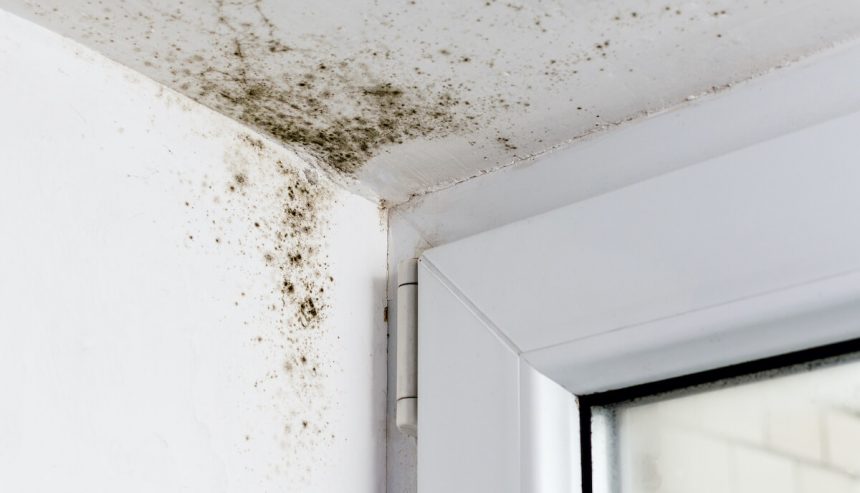
Table of Contents
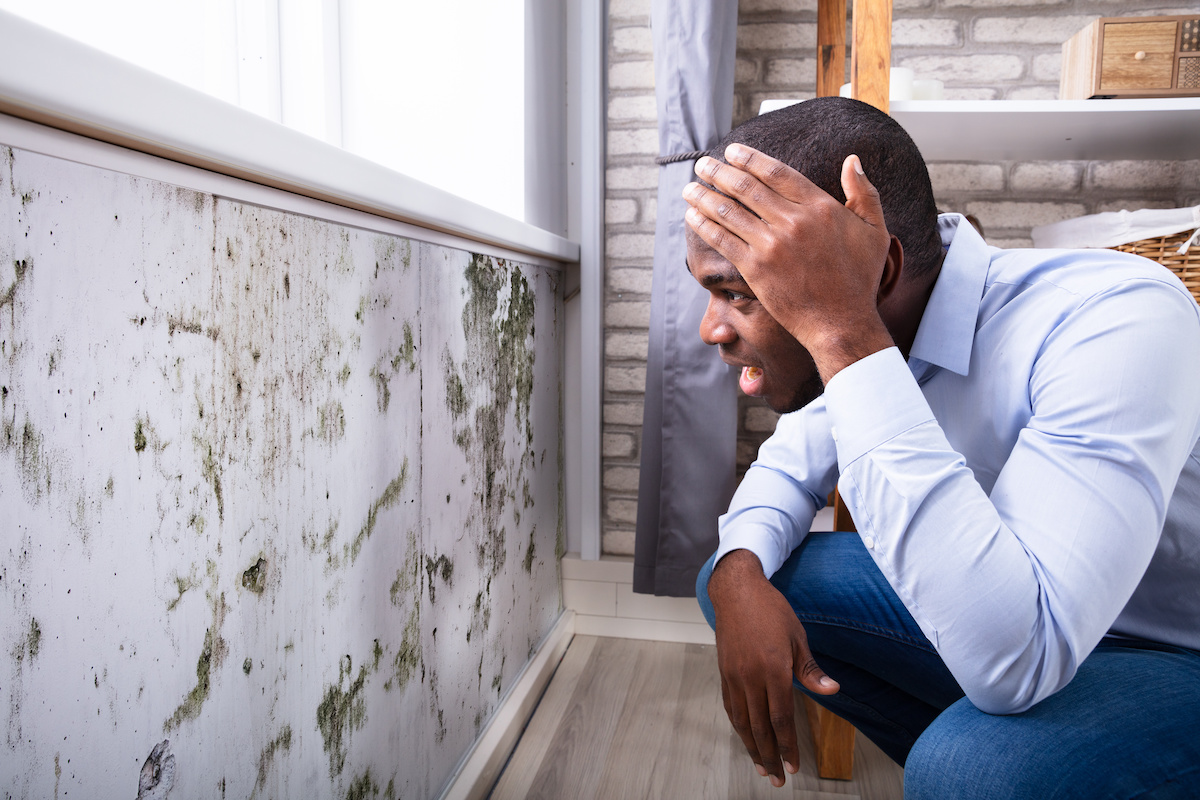
Mold is more than just an unsightly blemish on your walls; it’s a silent intruder that can wreak havoc on both your health and property. In the humid climate of Coral Gables, Florida, mold finds an ideal environment to thrive. Understanding the consequences of ignoring mold in your home is crucial to maintaining a safe and healthy living space.
Understanding Mold: A Brief Overview
Mold is a type of fungus that grows in multicellular filaments called hyphae. These organisms are ubiquitous in nature and play a vital role in breaking down organic matter. However, when the spores enter your home and find moisture-rich areas, they can colonize and become a significant problem.
Health Implications of Ignoring Mold
Ignoring mold in your home can lead to a range of health issues, some of which can become chronic or severe:
- Respiratory Problems: Exposure to mold spores can cause symptoms such as coughing, sneezing, runny nose, and sinus infections. Individuals with asthma may experience increased attacks and difficulty breathing. Prolonged exposure can lead to chronic respiratory issues.
- Allergic Reactions: Mold exposure can trigger allergic responses, including itchy skin rashes, hives, and watery eyes. These reactions can be particularly severe in individuals with existing allergies or weakened immune systems.
- Neurological Symptoms: Some molds produce mycotoxins that can affect the nervous system, leading to unexplained headaches or migraines. If you notice that your headaches improve after leaving your home, mold could be the culprit.
- Skin Irritations: Direct contact with mold can cause skin issues such as rashes, redness, or itchiness. These symptoms may persist until the mold is effectively removed from the environment.
Structural Damage to Your Property
Mold doesn’t just pose health risks; it can also compromise the integrity of your home:
- Material Degradation: Mold feeds on organic materials like wood, drywall, and insulation. Over time, it can weaken these structures, leading to warping, cracking, or even collapse.
- Aesthetic Damage: Mold growth often results in unsightly stains and discoloration on walls, ceilings, and floors. These blemishes can be difficult to remove and may require extensive repairs.
- Decreased Property Value: Homes with visible mold or a history of mold problems can suffer a decrease in market value. Potential buyers are often wary of properties with mold issues due to the associated health risks and repair costs.
Financial Consequences of Delayed Action
Procrastinating on mold remediation can lead to escalating expenses:
- Increased Remediation Costs: The longer mold is allowed to grow, the more extensive the infestation becomes. This escalation can lead to higher costs for removal and restoration.
- Potential Legal Issues: Landlords and property managers may face legal action from tenants if mold issues are not addressed promptly, leading to additional financial burdens.
Common Areas Prone to Mold Growth
Mold thrives in damp, humid environments. Common hotspots in homes include:
- Bathrooms: Poor ventilation and frequent moisture make bathrooms a prime location for mold.
- Kitchens: Leaks under sinks and around appliances can create hidden mold colonies.
- Basements: Basements often have higher humidity levels and potential water intrusion, fostering mold growth.
- Attics: Roof leaks and inadequate ventilation can lead to mold in attics.
Preventative Measures
To protect your home and health, consider the following preventive steps:
- Control Humidity: Maintain indoor humidity levels between 30% and 50% using dehumidifiers and air conditioners.
- Fix Leaks Promptly: Address any plumbing or roof leaks immediately to prevent moisture accumulation.
- Ensure Proper Ventilation: Use exhaust fans in bathrooms and kitchens to reduce moisture.
- Regular Inspections: Conduct routine checks of areas prone to mold growth, especially after heavy rainfall or flooding.
When to Seek Professional Help
While minor mold issues can sometimes be handled personally, certain situations require professional intervention:
- Extensive Growth: If mold covers an area larger than 10 square feet, it’s advisable to call professionals.
- Hidden Mold: If you suspect mold behind walls or under floors, professional assessment is necessary.
- Health Concerns: Individuals experiencing severe or persistent health symptoms should seek medical advice and have their homes professionally inspected.
FAQs
How does mold start growing in your home?
Mold in your home usually starts when moisture accumulates from leaks, condensation, or poor ventilation. It thrives in damp areas like bathrooms, basements, or kitchens where humidity levels are high.
How can you prevent mold in your home?
To prevent mold in your home, keep humidity below 50%, fix leaks immediately, use dehumidifiers, ensure proper ventilation, and clean wet areas promptly. Regular inspections can also help catch mold early.
Can cleaning products remove mold in your home permanently?
Household cleaners or bleach may remove visible mold in your home temporarily, but they don’t always eliminate hidden mold spores. For complete and safe removal, professional mold remediation is recommended.
What are the signs of mold in your home?
Common signs of mold in your home include musty odors, visible dark spots on walls or ceilings, peeling paint, and increased allergy symptoms like sneezing or coughing. You might also notice damp or humid areas that encourage mold growth.
Can mold in your home make you sick?
Yes, mold in your home can cause health problems such as respiratory issues, allergic reactions, skin irritation, and headaches. People with asthma, allergies, or weakened immune systems are at higher risk of illness.
What happens if you ignore mold in your home?
Ignoring mold in your home can lead to serious health risks, structural damage, and costly repairs. Mold spreads quickly and can weaken walls, floors, and furniture if left untreated.
How can I prevent mold after a flood?
Dry affected areas within 24 to 48 hours, remove wet materials, and use dehumidifiers to reduce humidity.
Can I remove mold myself?
Small areas of mold can often be cleaned with household products. However, for larger infestations or if you have health concerns, it’s best to hire professionals.
How quickly can mold spread in a home?
Mold can begin to grow within 24 to 48 hours of moisture exposure and can spread rapidly if not addressed.
Is all mold toxic?
Not all mold is toxic, but all mold can cause health issues, especially in sensitive individuals.
Does homeowners insurance cover mold remediation?
Coverage varies by policy and the cause of the mold. It’s essential to review your insurance policy and consult with your provider.
Why Choose PuroClean of Coral Gables for Mold Remediation?
Mold in your home isn’t just unsightly; it poses serious health risks and can damage your property. In Coral Gables’ humid climate, mold thrives, making prompt remediation essential.

Why Choose PuroClean of Coral Gables?
- Expertise: Our certified team uses advanced technology to detect and eliminate mold and its moisture sources.
- Comprehensive Service: From mold assessment to restoration, we handle every step with professionalism and care.
- 24/7 Availability: Mold issues can’t wait. We’re ready to respond anytime, day or night.
Our Process
- Assessment: Identifying mold and moisture sources.
- Containment: Preventing spore spread.
- Air Filtration: Removing airborne spores.
- Removal: Eradicating mold and affected materials.
- Restoration: Returning your home to its original state.
Don’t let mold compromise your health or home. Contact PuroClean of Coral Gables at (305) 894-4343 for prompt, professional mold remediation.


 PuroClean of Coral Gables