 PuroClean of Coral Gables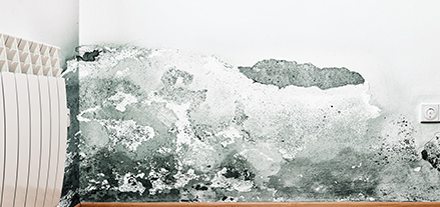
 Mold and mildew are types of fungi that share common features but also differ in many ways. While both fungi grow in damp and humid areas, they can affect your health and home differently. Knowing the differences between mold and mildew can help you know how to approach the problem. Read on to learn what separates mold from mildew:
Where They Grow
Both mold and mildew can grow in damp areas in homes and outdoors. They need an organic food source, such as drywall, wood, plants or soil.
Mold can grow on any organic surface in a home. Given enough time, mold can cause materials to rot and destroy the structural components of a home. Mildew grows mostly on plants and can kill them if not removed in time. Mildew is also the name of the plant diseases caused by parasitic fungi.
Appearance
Mold is usually fuzzy or slimy, whereas mildew appears either powdery or downy. Downy mildew is yellow at first and turns to brownish yellow later on. Powdery mildew is white, and then turns yellow and black when it matures.
Mold appears as irregularly shaped spots that can have different colors – blue, green, yellow, brown, gray, black or white. Mildew usually grows in a flat pattern and appears as white, gray, or yellowish patches that turn black or brown over time.
Exposure Symptoms
Mold exposure can cause several health problems such as allergic reactions (sneezing, itchy eyes, runny nose, coughing, wheezing, irritation of the throat, rashes, etc.), respiratory problems (difficulty breathing, coughing, asthma attacks), heart problems, migraines, depression, and more. Mildew exposure poses fewer health risks – coughing, headaches, sore throat, and respiratory problems.
Benefits
Some molds are beneficial, for example, Penicillium is used to make antibiotics and can also be used in the production of cheese and tofu. Mildew does not have any known benefits.
Prevention and Removal
As mold and mildew thrive in humid environments, it is important to keep your property dry to prevent growth. Repair leaks, use a dehumidifier to keep humidity at 30-50%, and ventilate appliances. Learn more mold prevention tips.
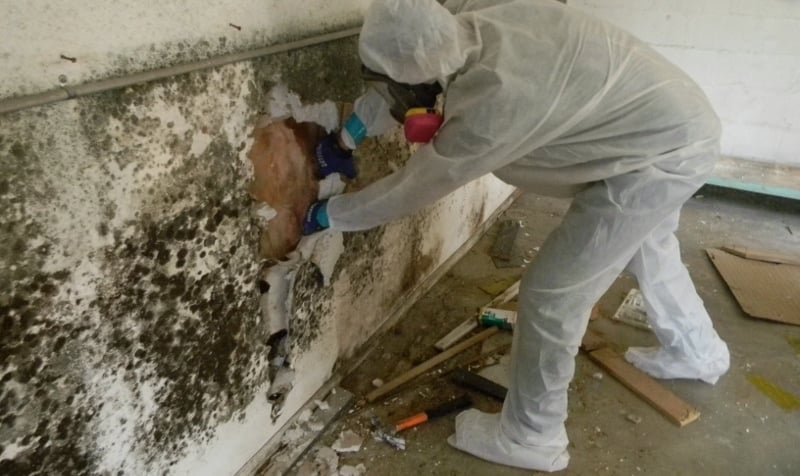
Removing mold and mildew yourself can be difficult and damaging to your health. For small infected areas – less than 10 square feet – on surfaces like walls, scrub the mold with a mixture of household detergent and water. If the affected area is larger than 10 square feet, the safest and most efficient way to remove the mold is to call a mold remediation company. Learn why DIY mold removal is not a good idea.
Mildew on plants can be removed by wiping the leaves gently with a dampened paper towel. After each wipe, freshen the paper towel. Replace the paper towel when all parts have touched the moldy surfaces and cut off any leaves that still have mold visible on them.
Among the many kinds of molds that can grow indoors, black mold is one of the most infamous. Learn about black mold removal. Contact your local PuroClean office for mold remediation services and water damage repair.
Frequently Asked Questions About Mold and Mildew
What is the main difference between mold and mildew?
The primary difference between mold and mildew lies in their appearance and impact. Mold usually grows in patches with fuzzy or slimy textures and can cause structural damage, while mildew appears as a flat, powdery growth and is easier to clean.
Where do mold and mildew typically grow?
Both mold and mildew thrive in damp, warm, and poorly ventilated areas such as bathrooms, basements, kitchens, and around leaky windows or pipes.
Are mold and mildew dangerous to my health?
Yes, mold and mildew can cause allergic reactions, respiratory issues, and other health problems—especially for those with asthma or weakened immune systems.
How can I tell if I have mold or mildew in my home?
You can identify mold and mildew by color and texture. Mildew tends to be gray or white and powdery, while mold can appear green, black, or brown and has a thicker, fuzzy texture.
Can regular cleaning products remove mold and mildew?
For small spots of mold and mildew, household cleaners like vinegar or hydrogen peroxide can work. However, larger infestations often require professional remediation to ensure complete removal and safety.
How can I prevent mold and mildew from coming back?
Prevent mold and mildew by reducing indoor humidity, fixing leaks, improving ventilation, and using dehumidifiers in damp areas. Regular cleaning and maintenance go a long way in prevention.
When should I call a professional for mold and mildew removal?
If mold and mildew cover an area larger than 10 square feet, emit a strong odor, or cause recurring stains even after cleaning, it’s best to contact a certified mold remediation specialist.



 PuroClean of Coral Gables