 PuroClean of Downtown Miami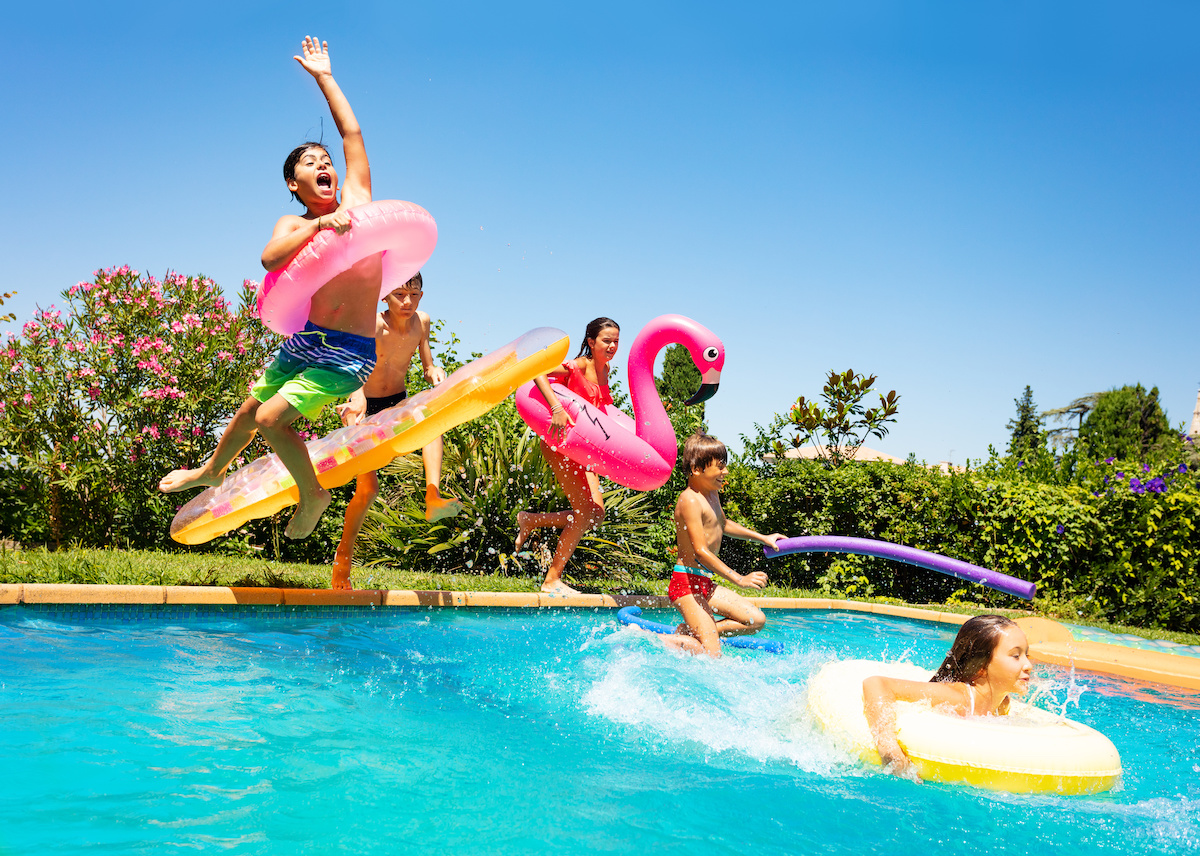
Pool Safety Starts With Prevention: A Practical Checklist for Families & Properties
Aquatic activities in backyard and community pools are a great way to relax, stay active, and spend quality time together. Pools support physical health, social connection, and overall well-being. But they also come with real risks. Drownings, slips, chemical accidents, and water damage incidents happen fast—and the consequences can be severe, especially for children.
Pool safety isn’t about reacting after something goes wrong. It’s about prevention, preparation, and consistency. Whether you manage a residential property, an HOA, or simply want to keep your family safe, this checklist helps reduce injuries, protect property, and avoid costly emergencies.
Essential Pool Safety Tips That Actually Make a Difference
1. Install a proper pool fence
A fence is your first and most important line of defense. It prevents unsupervised access—especially for young children. The fence should be at least four feet high and include a self-closing, self-latching gate. This simple barrier dramatically lowers the risk of accidental entry.
For added protection, consider a gate alarm that alerts you whenever the gate is opened. These are especially useful in busy households or shared properties.
2. Remove climbable objects near the pool
When the pool isn’t in use, remove ladders, patio furniture, or planters near the fence. Children are resourceful, and even well-designed fences can be compromised if climbing aids are left nearby.
3. Use pool alarms and safety covers
Beyond fencing, install alarms that detect when someone enters the pool. These systems provide an extra layer of awareness, particularly at night or during gatherings.
A full-coverage pool cover is also critical when the pool is not in use. Make sure it fits securely and is removed entirely before swimming. Partial or loose covers can trap children or pets underneath, creating a serious hazard.
4. Teach swimming skills early
Swimming lessons save lives. Teaching children how to swim at an early age—and ensuring they can float and tread water—builds confidence and critical survival skills. Adults should also understand basic water safety and rescue awareness.
5. Supervision is non-negotiable
No safety feature replaces active supervision. Even strong swimmers need monitoring. Stay within arm’s reach of children at all times, and never allow anyone—child or adult—to swim alone.
If you can’t supervise, assign a responsible adult whose sole role is watching the pool. Avoid distractions like phones, food preparation, or conversations that pull attention away from the water.
6. Avoid risky behaviors
Swimming after consuming alcohol, heavy meals, or certain medications increases the risk of accidents. Clear rules should be established and enforced, especially in shared or community pool environments.
For young children or inexperienced swimmers, the American Red Cross recommends using U.S. Coast Guard-approved life jackets—not inflatable toys, which offer false security.
7. Maintain the pool consistently
Routine maintenance isn’t just about appearance. Proper chemical balance prevents skin irritation, respiratory issues, and damage to pool surfaces and equipment. Remove debris regularly, clean filters, and inspect pumps and drains.
Neglected maintenance can also lead to leaks or overflows, causing hidden water damage to surrounding structures.
8. Reduce slip and fall hazards
Ensure decks, diving boards, and ladders are made from non-slip materials. Remove toys, cords, and electrical devices from the pool area. Post and enforce “no running” rules—most pool injuries happen on wet decks, not in the water.
9. Mark water depth clearly
Diving accidents are often catastrophic and completely preventable. Make sure water depth markers are visible and accurate. Never allow diving in shallow areas, and restrict diving boards to pools designed for them.
10. Be ready for emergencies
Everyone old enough in the household or staff team should know basic emergency response procedures. Keep a first-aid kit, rescue hook, and flotation device near the pool at all times.
Knowing what to do in the first few minutes of an emergency can prevent a minor incident from becoming a major loss.
When Prevention Isn’t Enough, Help Matters
Even with strong safety practices, accidents and water damage can still happen. When they do, fast professional response is critical to limit damage and protect health.
For water, fire, or mold restoration services, contact our local PuroClean office. Their trained teams help restore properties quickly, safely, and correctly—so small incidents don’t turn into long-term problems.
Safety today protects lives, assets, and peace of mind tomorrow.

 PuroClean of Downtown Miami